
Draft decree proposes greater autonomy for foreign-invested education

 |
| Photo: UNIS Hanoi |
The Ministry of Education and Training began seeking feedback on the draft in mid-September. Once approved, it is expected to replace Decree No.86/2018/ND-CP, which was amended and supplemented by Decree No.124/2024/ND-CP.
A noteworthy point of the draft lies in both expanding forms of international educational cooperation and reflecting a change in management methods. Instead of maintaining numerous pre-approval procedures, the regulatory body aims to expand institutional autonomy, increase decentralisation and delegation of authority, and promote data-driven management and post-auditing.
This change is expected to create more better conditions for the flow of capital, training programmes, technology, and international educational resources into the Vietnamese market, but it comes with higher demands for transparency, accountability, and protection of learners' rights.
In the preschool and primary education sectors, the draft proposes three forms of educational collaboration, which include the implementation of the Vietnamese education programme to achieve higher quality goals; an integrated scheme combining the Vietnamese and foreign curricula; and a foreign education course.
A notable proposal is to allow Vietnamese students to study foreign education programmes at the high school level in eligible institutions without setting a limit on the percentage of Vietnamese students enrolled.
Nevertheless, Vietnamese students are still required to study compulsory subjects as prescribed. The initiative must ensure the educational goals of Vietnam, the legitimate rights and benefits of learners, and the ability to transition within the education system.
For integrated education programmes, the Department of Education and Training will conduct an assessment and approval process before implementation. However, a programme already approved by any Department of Education and Training can be used by another educational institution without having to repeat the assessment and approval process if the content remains unchanged.
If this regulation is adopted, it could significantly reduce the repetition of procedures for the same programme, while also facilitating the replication of educational collaboration models that meet the requirements.
The scope for international cooperation is also expanded for higher education and vocational education. At the university level, the draft identifies three forms of collaboration, namely collaborative training to award degrees and certificates; establishing research institutes, innovation centres, and key laboratories; and establishing branches of foreign higher education institutions in Vietnam.
Regarding vocational education, two forms are identified, namely joint training programmes to award diplomas and certificates, and joint programmes to establish faculties, centres, and specialised units. The draft also adds a legal framework for cooperation and investment abroad in education.
For foreign education representative offices in Vietnam, the proposed management approach shifts the focus to transparency, notification, data updating, and post-auditing, while clearly defining the scope of activities.
One of the most notable changes in the draft is the strong shift from pre-auditing to post-auditing. For joint training programmes with foreign institutions, educational institutions are given greater autonomy in reviewing and making decisions according to internal procedures. The pre-approval mechanism will only be maintained in certain cases requiring enhanced quality control.
Changes are also clearly evident in joint activities related to organising examinations and issuing foreign certificates. Instead of requiring prior approval, the draft proposes a shift to an autonomous decision-making mechanism, coupled with obligations for transparency, notification, data updating, and post-auditing.
Along with autonomy comes the responsibility of all parties involved for quality, safety, security, fraud prevention, and protection of the rights of exam candidates.
For educational institutions with foreign investment and branches of foreign educational institutions in Vietnam, the draft also does not reinstate the conditions, procedures, and processes for investment, establishment, and operation permits already regulated by investment laws and specialised decrees. This approach aims to limit the situation where an activity is subject to multiple layers of overlapping procedures.
However, reducing pre-auditing procedures does not mean loosening management. On the contrary, the draft sets higher requirements for information disclosure, data updating, reporting, and accountability of educational institutions, investors, and participating parties in cooperation and partnerships.
The monitoring mechanism is also proposed to be changed to assess compliance levels and classify risks to determine the appropriate level of inspection. Remote monitoring is preferred through data, publicly available information, reports, feedback from students, teachers, and employees, and quality assurance results.
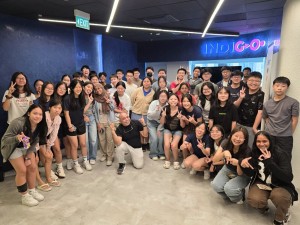 | Indigo Education expands Bukit Timah centre after 65 per cent growth Tuition provider Indigo Education Group expanded its Bukit Timah facility on 24 August 2026 following a 65 per cent year-on-year increase in student enrollment. |
 | New Zealand boosts education engagement with Vietnam Education New Zealand (ENZ) brought together more than 50 New Zealand education providers and nearly 200 Vietnamese education partners at its 2026 Agent & Counsellor Seminar in Ho Chi Minh City and Hanoi to strengthen cooperation and expand student recruitment between the two countries. |
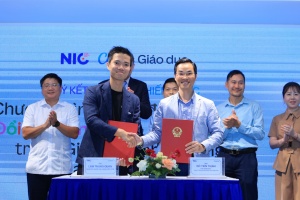 | NIC and Canva to advance digital skills in education The National Innovation Centre (NIC) and global visual communication and design platform Canva on August 25 signed a strategic MoU aimed at strengthening digital creativity, design thinking and AI skills among teachers and students nationwide. |
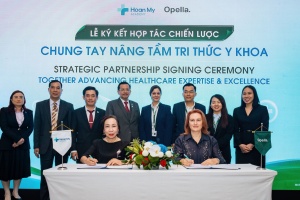 | Opella and Hoan My Academy partner to advance medical education Opella and Hoan My Academy have signed a strategic partnership to improve public health and wellness across Vietnam. |
 | Hanoi welcomes education leaders from across Asia for GALTI 2026 Vietnamese education authorities join international school heads and board chairs at UNIS Hanoi to examine responsible governance in an AI-shaped world. |
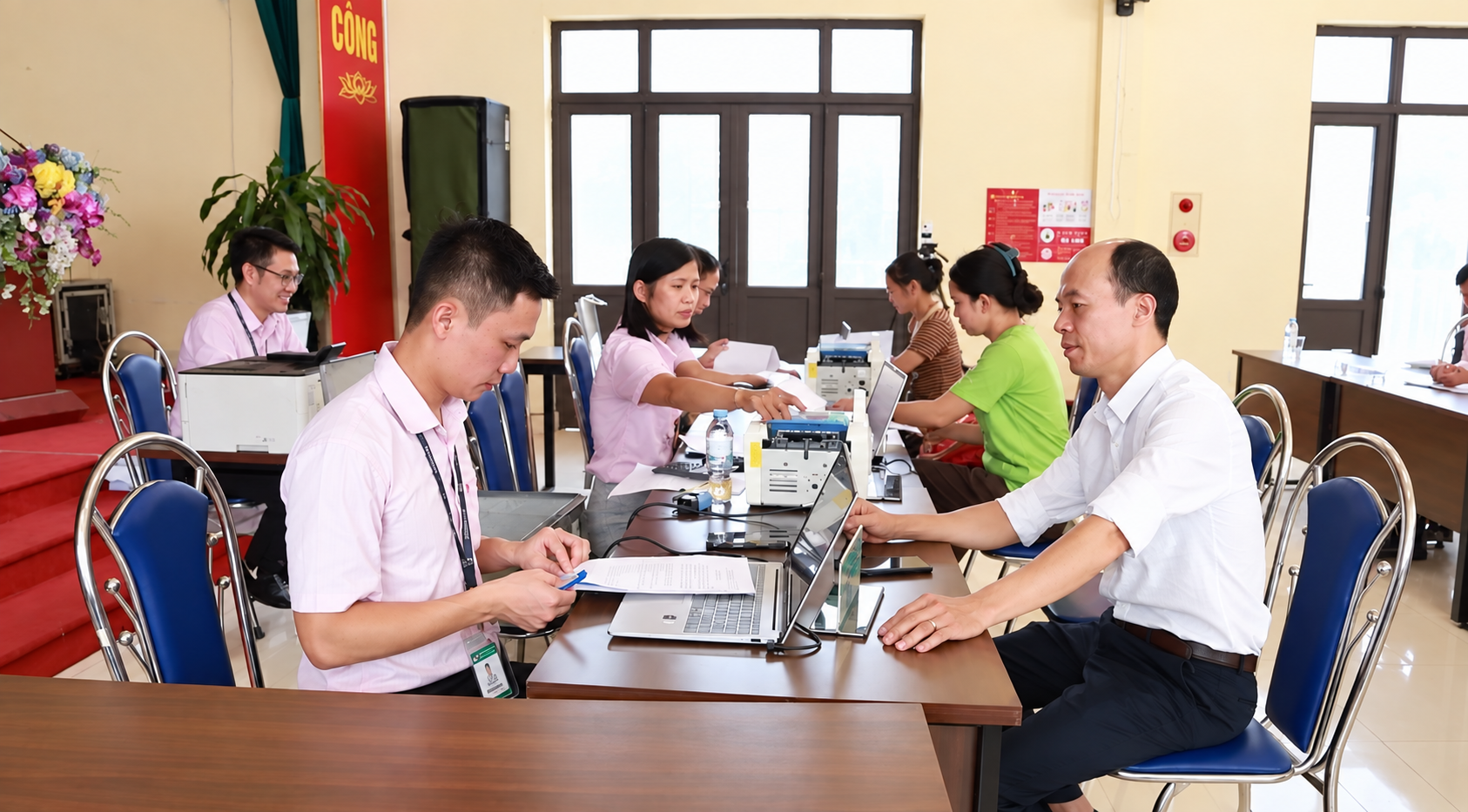 | How policy loans help STEM students build their future For many families, policy loans do more than ease the cost of university education – they give young people the time and opportunity to build skills, earn income, and gradually become financially independent. |
What the stars mean:
★ Poor ★ ★ Promising ★★★ Good ★★★★ Very good ★★★★★ Exceptional
 Tag:
Tag:Related Contents






Latest News



More News
- Why Asian FDI is flowing into northern Vietnam’s industrial parks (October 14, 2026 | 09:03)
- Hung Yen unveils adjusted master plan with three economic zones (October 13, 2026 | 11:30)
- Ho Chi Minh City climbs 17 places in Global Financial Centres Index (October 13, 2026 | 11:27)
- Quang Tri province to tighten delayed power projects (October 13, 2026 | 10:34)
- $600 million Ho Chi Minh City - Long Thanh expressway expansion under pressure (October 09, 2026 | 16:00)
- Hung Yen’s regional GDP beats expectations (October 09, 2026 | 15:25)
- VIR seminar focuses on taking domestic suppliers into global supply chains (October 08, 2026 | 14:50)
- Building Vietnam’s next chapter of FDI growth (October 08, 2026 | 12:15)
- Vietnam to foster links between foreign and domestic sector (October 08, 2026 | 11:00)
- Vietnam shifting focus to building high-quality FDI ecosystem (October 08, 2026 | 10:45)








 Mobile Version