
PM outlines new tasks for healthcare sector

On February 24, PM Chinh met with representatives of outstanding scientists and directors of central hospitals on the occasion of the 71st anniversary of Vietnamese Doctors' Day, which falls on February 27. The directive aligns with Resolution 72-NQ/TW, which sets forth the sector's goals for the current phase of national development.
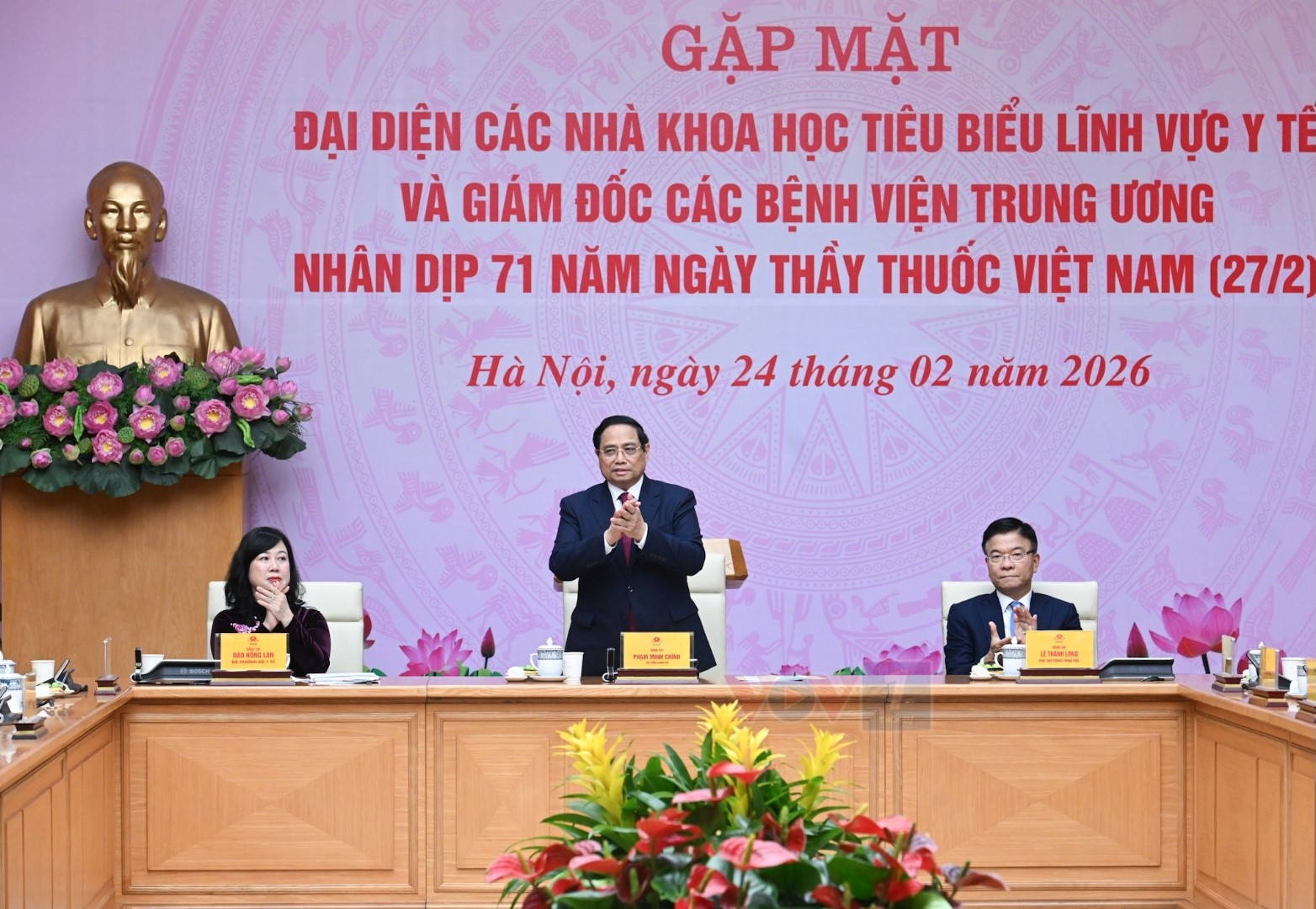 |
| Photo: The Ministry of Health |
The first task outlined by the Prime Minister is positioning scientists, experts and medical staff as the decisive force in implementing Party Congress resolutions and Politburo directives. This requires translating resolutions into research projects, new technologies, effective management models and practical policy solutions.
Second, the sector must improve health institutions and policies while strengthening the health system, particularly preventive medicine and primary healthcare. This includes leveraging traditional medicine, developing the pharmaceutical industry, streamlining the health system, and clarifying the functions of commune-level health stations.
The third task the PM called for involves mobilising social resources for healthcare through public-private cooperation in treatment facilities, diagnostic and testing centres, and creating conditions for the private system to become a key driver in health protection.
Priority should also be given to investing in healthcare infrastructure and modernising facilities, while building a smart and sustainable healthcare ecosystem. This involves accelerating digital infrastructure, establishing a national healthcare database, rolling out nationwide electronic medical records, and deploying AI platforms for disease diagnosis.
The fifth point of focus call for the healthcare sector to develop a team of medical intellectuals of regional and international stature through improved training policies, an open academic environment, and international cooperation in research and technology transfer.
And finally, the Prime Minister urged ministries, particularly the Ministry of Health, to continue supporting intellectuals and creating conditions for them to contribute to national health and science policy development.
PM Chinh explained that protecting and improving public health remains a central political priority, requiring the participation of the entire political system, society, and citizens alike. He noted that the Party and state place this task at the forefront of development strategies and policies.
The Politburo issued Resolution No.72-NQ/TW last September outlining innovative measures to strengthen public health protection and care, followed by Resolution 57-NQ/TW in December focusing on science, technology and digital transformation. Both resolutions call on intellectuals and scientists to lead applied research, master new technologies, and help solve major challenges in the health sector.
Chinh noted that Vietnam's health sector has achieved significant progress, with the healthcare system continuing to be strengthened and disease prevention capacity enhanced. Advanced medical techniques and high technologies have been successfully implemented, while digital transformation in healthcare has advanced notably.
Moreover, he added, the quality of medical treatment has gradually improved, people's access to healthcare services has become better, and the capacity of preventive medicine and primary healthcare has been enhanced.
According to Minister of Health Dao Hong Lan, the sector has achieved important milestones, with all key indicators met. Average life expectancy is projected to reach 74.5 years by 2025, while infant mortality rates for children under one and under five continue to decline. Vietnam has been internationally recognised as a standout performer in achieving the Millennium Development Goals for health.
"The work of building and perfecting institutions has helped resolve many obstacles related to procurement, bidding, health insurance settlement, licensing of drugs, equipment and medical supplies, and pricing of examination and treatment services," Lan said.
She added that many medical facilities have been built with modern infrastructure, enabling them to master advanced medical techniques and approach regional and global standards.
Disease prevention, preventive health, and primary healthcare continue to be strengthened, while improvements have been made in pharmaceutical management and development, as well as infrastructure and medical equipment.
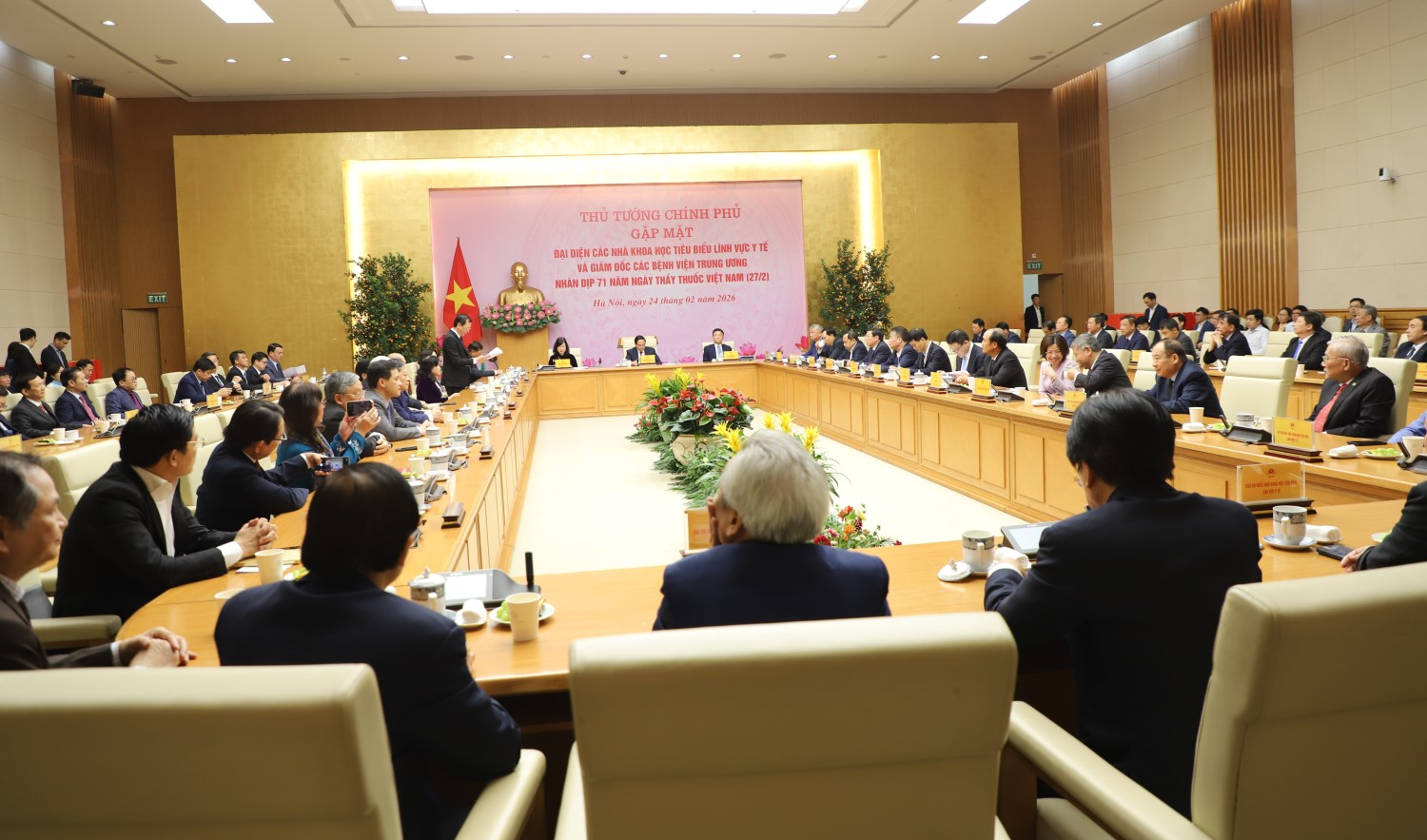 |
| Photo: The Ministry of Health |
The number of domestic pharmaceutical manufacturing facilities has increased sharply from 158 factories in 2015 to 240 factories in 2024, meeting over 70 per cent of market demand in terms of quantity and accounting for 47 per cent in terms of value, and exporting to the world.
The country currently has seven vaccine manufacturing plants producing 16 types of vaccines, supplying 10 out of 12 vaccines in the national expanded immunisation programme.
At the meeting, scientists, experts, doctors, and health officials expressed gratitude for the support of the Party and state, particularly the government and Prime Minister. They acknowledged the involvement of the entire political system, the coordination of all levels and sectors, and the consensus of the people as key factors enabling the health sector to better fulfil its tasks.
It was proposed that the government and the PM continue to strengthen the institutional framework and policy mechanisms for the medical sector. Areas requiring attention include perfecting regulations related to organ transplantation, supporting research and production of pharmaceuticals and vaccines, investing in advanced medical equipment for hospitals, and bolstering primary healthcare and disease prevention.
 | Innovation to support modern healthcare development Laboratory automation is bringing early diagnosis, improving the quality of healthcare, and reducing the burden on the healthcare system. |
 | People encouraged to contribute and grow at AstraZeneca Vietnam AstraZeneca Vietnam is combining scientific excellence with local collaboration to advance access to innovative therapies and strengthen healthcare capacity. ATUL TANDON, general director of AstraZeneca Vietnam, discussed with MINH ANH a future corporate culture strategy to foster a culture of innovation for a sustainable future. |
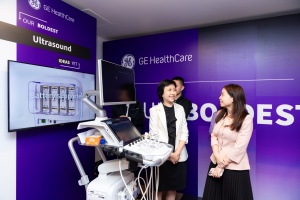 | GE HealthCare showcases latest imaging innovations in Vietnam GE HealthCare has showcased its latest imaging technologies to Vietnam’s medical community at a major industry forum in Hanoi. |
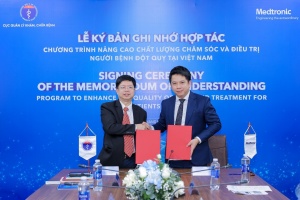 | Medtronic Vietnam and DMSA partner to enhance stroke care and treatment On January 19, Medtronic Vietnam and the Department of Medical Services Administration (DMSA) under the Ministry of Health (MoH) signed an inaugural MoU for a programme to enhance the quality of stroke care and treatment. |
What the stars mean:
★ Poor ★ ★ Promising ★★★ Good ★★★★ Very good ★★★★★ Exceptional
 Tag:
Tag:
Themes: Healthcare Platform
- Ho Chi Minh City Oncology Hospital signs MoU with Novartis Vietnam
- Driving early detection and integrated liver disease management
- Vaccinology training programme launched to boost preventive care capacity
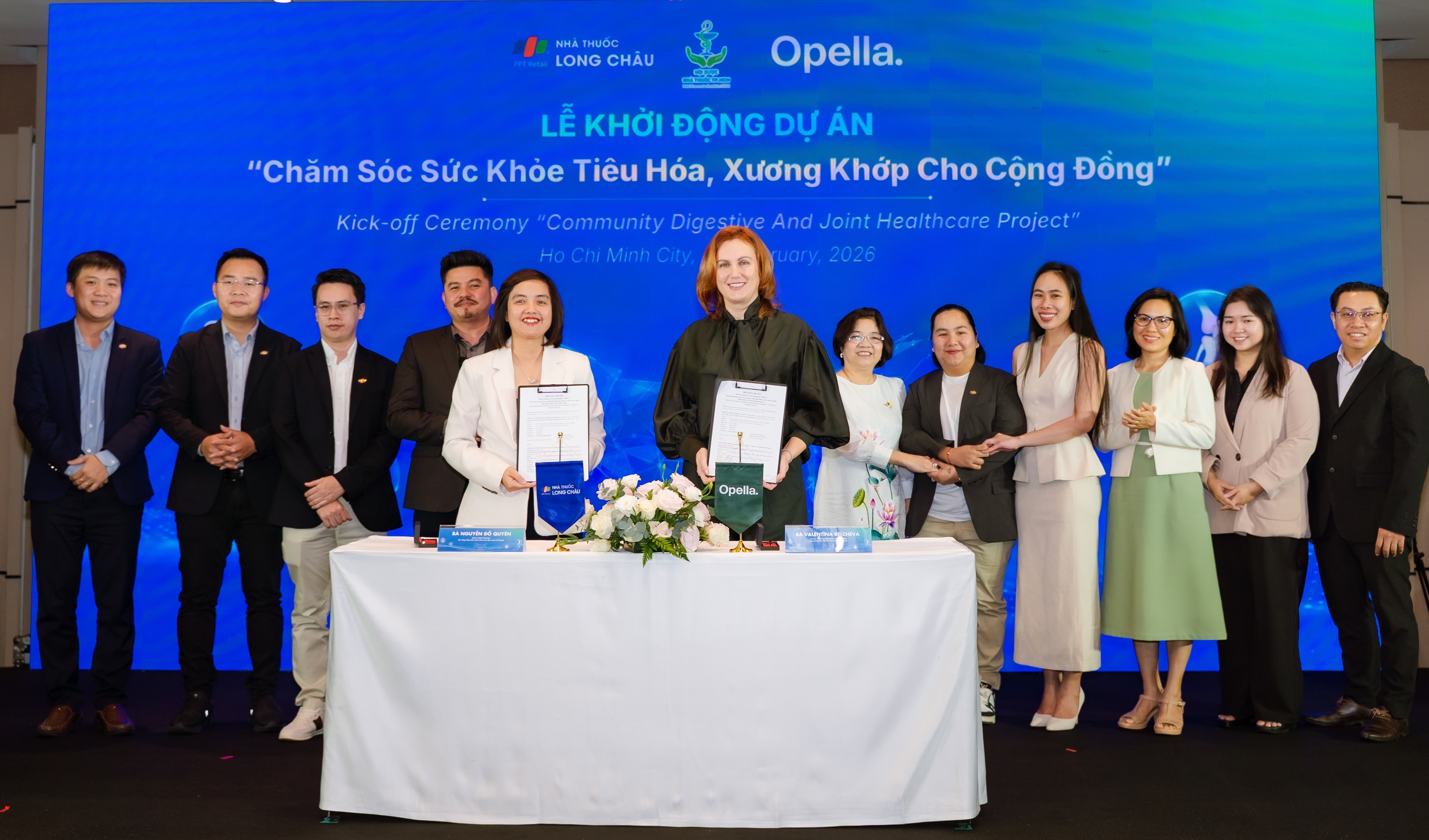
- Opella and Hoan My Academy partner to advance medical education
- AstraZeneca Vietnam upgrades logistics system to support growing operations
Related Contents






Latest News



More News
- Minitab launches campaign to combat illegal software use in Vietnam (October 08, 2026 | 15:54)
- Raising construction materials supply chain standards amid green transition (October 08, 2026 | 14:00)
- Samsung Vietnam to deepen cooperation with local manufacturers (October 08, 2026 | 12:00)
- Sojitz in Vietnam: 40 years from individual projects to a business cluster 'KATAMARI' (October 08, 2026 | 09:00)
- Coteccons targets 'Quality Growth' with 25 per cent dividend plan (October 07, 2026 | 13:00)
- Vietnam Education Forum opens UK Education Mission's Hanoi visit (October 07, 2026 | 12:27)
- Tax authorities deactivate TINs of nearly 180,000 businesses (October 07, 2026 | 12:08)
- World Bank raises Vietnam's 2026 GDP growth forecast to 7.4 per cent (October 07, 2026 | 11:41)
- Vietstock 2026 to spotlight livestock innovation and green transition (October 07, 2026 | 09:00)
- Vietnam’s GDP grows over 9 per cent in first nine months (October 05, 2026 | 18:45)








 Mobile Version