
Japanese investors see growing opportunities in Vietnam's startup ecosystem

Vietnam ranks 50th globally in StartupBlink's Global Startup Ecosystem Index 2026, its highest position ever. How do you see Vietnam's startup ecosystem become more attractive to Japanese venture capital (VC) firms?
 |
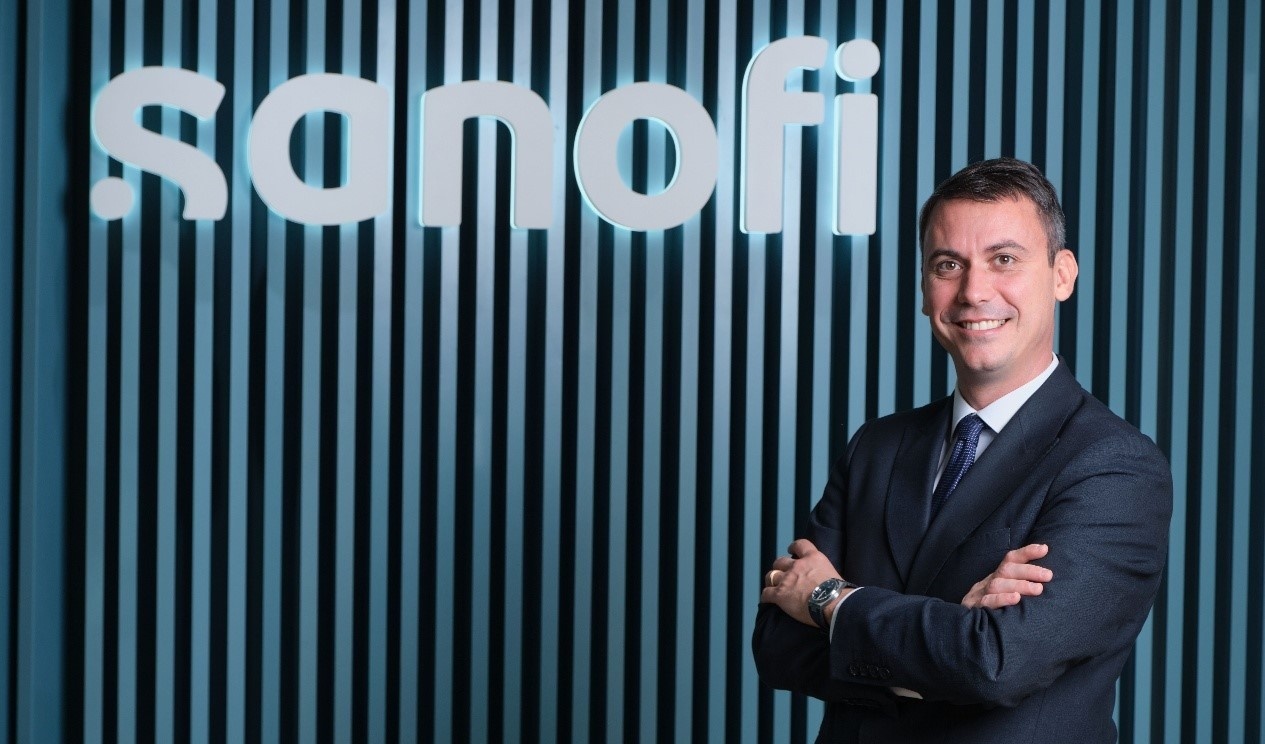
| Miki Takahiro |
Vietnam’s rise to 50th place in StartupBlink’s Global Startup Ecosystem Index represents an important milestone and symbolises the country’s transition into a new phase of growth. Vietnam has become increasingly attractive to Japanese VC firms and corporations in recent years.
This is underpinned by strong structural advantages, including a young and digitally savvy population, a rapidly expanding pool of skilled engineers, and proactive government policies supporting startups. In addition, Vietnam is gaining importance not only as a domestic growth market but also as a strategic gateway for expansion across ASEAN.
At the same time, further development will require strengthening the exit environment, including IPO and M&A opportunities, enhancing corporate governance and transparency in disclosure, and expanding growth-stage funding, particularly for Series B and beyond.
Japanese investors, in particular, tend to prioritise not only long-term growth potential but also clear paths to profitability, robust internal controls, and risk management frameworks, all of which significantly influence investment decisions.
Could you share the latest trends among Japanese VCs and firms investing in Vietnamese startups?
One key trend is the growing role of corporate venture capital, with increasing emphasis on strategic investments that generate synergies with existing business operations, in addition to financial returns. This is particularly evident in sectors such as retail, finance, logistics, education, and healthcare, where collaboration with startups is advancing in the context of digital transformation and new business development. In many cases, Japanese firms are also adopting a step-by-step approach, starting with proof-of-concept projects before progressing to equity investments or strategic partnerships.
In addition, Japanese companies are increasingly supporting the international expansion of startups. For example, NTT e-Asia, through its investment in AWING, not only supports business growth within Vietnam but also facilitates expansion into neighbouring ASEAN markets, representing a broader approach that goes beyond capital investment.
Similarly, in cases such as Alterno’s entry into the Japanese market, startups are leveraging collaboration with Japanese corporations and support organisations to advance localisation and commercialisation. These developments reflect a broader trend in which Japanese companies are creating added value by utilising their networks and business platforms to support startup growth, and this is becoming an important direction within the ecosystem.
What are the most promising sectors for investing in Vietnam’s startup ecosystem?
In terms of promising sectors, fintech and AI-related fields stand out as core investment areas. Vietnam still has a sizable unbanked population and significant room for further cashless adoption, making fintech a highly attractive sector with strong growth potential.
In addition, interest in AI has been rising rapidly. Solutions leveraging technologies such as computer vision, natural language processing, and generative AI are increasingly being adopted across a wide range of industries, including manufacturing, retail, finance, and customer service. Vietnam is also gaining recognition as an attractive hub for AI development, supported by its cost-competitive and highly capable engineering talent.
Logistics and supply chain solutions are becoming increasingly important alongside the growth of e-commerce, offering opportunities where Japanese companies can apply their operational expertise. Furthermore, rising income levels are driving demand for healthcare and digital health services.
Over the medium to long term, green technology, renewable energy, and agri-/food-tech are also expected to gain traction, supported by decarbonisation trends and the need to modernize Vietnam’s agricultural sector.
What are your recommendations for Vietnamese startups to successfully raise funds from Japanese investors?
For Vietnamese startups to successfully raise funds from Japanese investors, several key factors should be considered. First, building long-term trust is essential. Japanese investors place strong emphasis on the integrity and transparency of management, making consistent and clear communication critical. Second, startups should present a well-defined synergy story, clearly demonstrating how collaboration with Japanese companies can create mutual value.
In addition, strengthening corporate governance–including financial management and legal frameworks–to meet international standards is crucial. Providing well-structured materials in English or Japanese and maintaining consistent disclosure of key performance indicators will enhance credibility.
Demonstrating an understanding of the Japanese market and potential future expansion opportunities can also improve investor interest. Moreover, even small-scale proof-of-concept projects can significantly reduce perceived investment risks. Finally, clear, logical, and structured communication is highly valued in engagements with Japanese stakeholders.
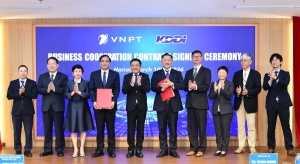 | Japanese wireless carrier to launch mobile services in Vietnam On May 1, KDDI Corporation and VNPT agreed to jointly develop and launch a mobile telecommunication sub-brand in Vietnam. |
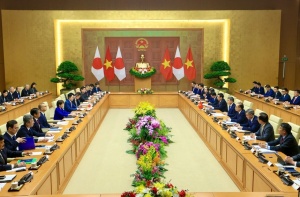 | JBIC pledges to advance $20 billion investment in Vietnam The Japan Bank for International Cooperation has reaffirmed its commitment to advancing 15 projects worth around $20 billion in Vietnam while expanding investment into strategic sectors including energy, semiconductors, AI and data centres. |
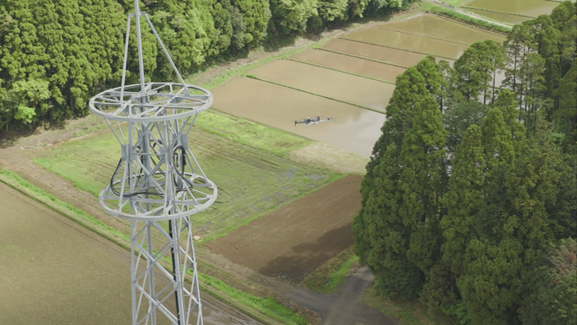 | KDDI to study AI-powered drone deployment in Vietnam and Philippines Japanese telecommunications operator KDDI is to conduct a feasibility study on deploying AI-powered drones in Vietnam and the Philippines, supported by a Japanese government subsidy. |
What the stars mean:
★ Poor ★ ★ Promising ★★★ Good ★★★★ Very good ★★★★★ Exceptional
 Tag:
Tag:Related Contents



Latest News
More News
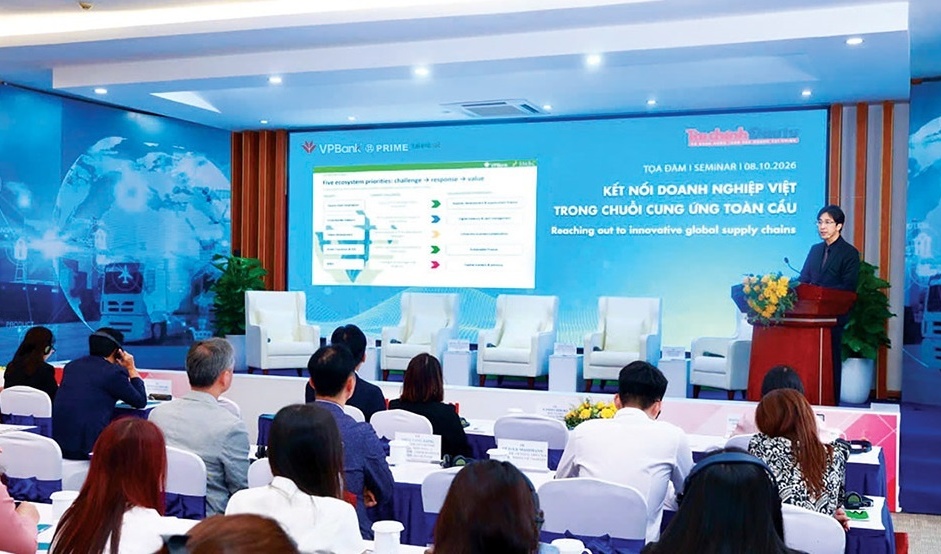
- VIR seminar to explore innovative global supply chains in Hanoi (October 07, 2026 | 12:04)
- Vietnam’s registered FDI surpasses $50 billion in nine months (October 07, 2026 | 10:30)
- Samsung Electro-Mechanics to add $1.85 billion semiconductor investment in Thai Nguyen (October 06, 2026 | 18:23)
- Electronics funding will be won via a capable ecosystem: SGS (October 06, 2026 | 09:00)
- LNG power plant projects risk falling behind schedule (October 03, 2026 | 09:00)
- Pandora opens world’s largest fine jewellery crafting facility (October 02, 2026 | 22:21)
- An Phat 5 Industrial Park positions for new wave of investment in northern Vietnam (October 02, 2026 | 09:00)
- Hanoi to launch portal to ease hurdles for tech businesses (October 01, 2026 | 09:00)
- Foreign investors to be widened for market access (September 30, 2026 | 17:54)
- Phu Quoc Airport planning adjusted to serve APEC 2027 (September 30, 2026 | 17:35)








 Mobile Version