
How Becamex Tokyu is bringing Japanese sustainability know-how to Binh Duong

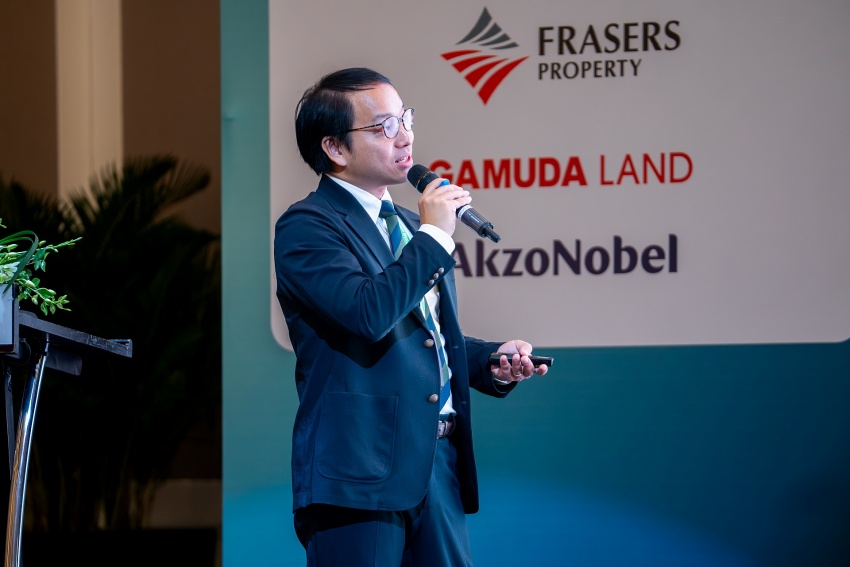 |
How does Becamex Tokyu ensure that ESG principles are effectively translated from strategy into actual implementation in its urban projects such as SORA gardens or Hikari?
Our approach integrates ESG into all aspects of planning and execution, from land use to landscaping, and from water management to community programming. Leveraging Japan's century-old legacy in sustainable urban design, we have designed projects in Binh Duong that apply sustainability principles at every stage. For example, in our SORA gardens and Hikari projects, we introduced edible landscaping, compost systems, aquaponics, and renewable energy technologies like solar panels. These features serve not only to reduce environmental impact but also to educate and inspire residents to participate in sustainable living. Our aim is to make ESG a lived reality for every household and business we support.
What are the main challenges in integrating ESG criteria in Vietnam’s urban development landscape?
A key barrier lies in the lack of a nationally standardized ESG framework, which leads to ambiguity for developers and investors alike. Without this, developers face uncertainty when it comes to regulatory expectations, investor alignment, and access to green finance. To navigate this, we have partnered with Japanese stakeholders and leveraged international frameworks such as carbon offset mechanisms.
For instance, our eco-commercial centre has received support through Japan’s carbon credit system, thanks to our efforts in reducing energy consumption with LED lighting and advanced water systems. Despite this, Vietnam’s green finance landscape remains a sleeping giant, awaiting the right policy push to unlock its full potential. We hope the Vietnamese government will introduce more consistent incentives to encourage wider adoption of ESG standards.
 |
Could you elaborate on how specific technologies such as solar panels, heat pump onsen systems, or rainwater collection tanks have contributed to sustainability and cost-efficiency in your projects?
Technology is a key enabler in realising our ESG goals. We’ve adopted solar panels for both residential and commercial buildings, reducing reliance on conventional energy sources. Heat pump onsen systems contribute to efficient water heating, while rainwater harvesting helps irrigate green spaces without burdening the municipal water supply. These technologies are not only environmentally friendly but also deliver operational cost savings, especially over the long term. For instance, the smart irrigation system in our parks and residential areas helps conserve water during dry seasons while maintaining a comfortable living environment. These investments reflect our belief that sustainability can drive both value and efficiency in real estate.
How does Becamex Tokyu engage local communities or residents in supporting ESG practices, especially in terms of awareness, behavior change, or participation?
Community participation is critical to our ESG strategy. With around 4,000 residents—half of whom are foreign professionals familiar with ESG, we’re in a unique position to foster a culture of sustainability. We host regular eco-themed festivals, organise hands-on workshops on composting and waste sorting, and run educational programes for children and schools in our township. These initiatives help instill environmental awareness across all age groups. ESG, for us, is both a strategic mandate and a social movement. By empowering residents to take ownership of their environment, we are building not just infrastructure but also social capital and shared responsibility.
What lessons from Japan’s urban sustainability models has Becamex Tokyu successfully adapted or localised in Vietnam?
In Japan, ESG is often implemented as a compliance-driven practice. However, in Vietnam, we believe the greater opportunity lies in making ESG aspirational and market responsive. Instead of rigid mandates, we focus on appealing to consumer demand for healthier, greener, and smarter living environments. This approach resonates particularly well with young families and international residents in Binh Duong. It also allows us to be more flexible and creative in how we introduce sustainable practices, from water-saving systems to low-carbon construction materials. In that sense, our projects are not just copies of Japanese models, but localised innovations tailored to Vietnam’s urban realities.
What’s next for Becamex Tokyu?
We aim to further consolidate our position as a leader in sustainable urban development in Vietnam. This includes scaling up our ESG investments, exploring smart mobility solutions, and expanding community-led green initiatives. As the township grows, so will our responsibility to ensure it remains inclusive, resilient, and aligned with Vietnam’s broader sustainability goals. Through continuous learning and adaptation, we hope to serve as a model for other developers in the region seeking to align profitability with planetary and social well-being.
 | Japan's Tokyu Group proposes light rail transit in Binh Duong Japan's Tokyu Group has proposed a feasibility study for a light rail transit in Thu Dau Mot city, Binh Duong province. |
What the stars mean:
★ Poor ★ ★ Promising ★★★ Good ★★★★ Very good ★★★★★ Exceptional
 Tag:
Tag:
Related Contents

Latest News




More News
- A broader platform for France-Vietnam cooperation (October 16, 2026 | 17:51)
- AEON to open 13th general merchandise store in Vietnam (October 14, 2026 | 17:56)
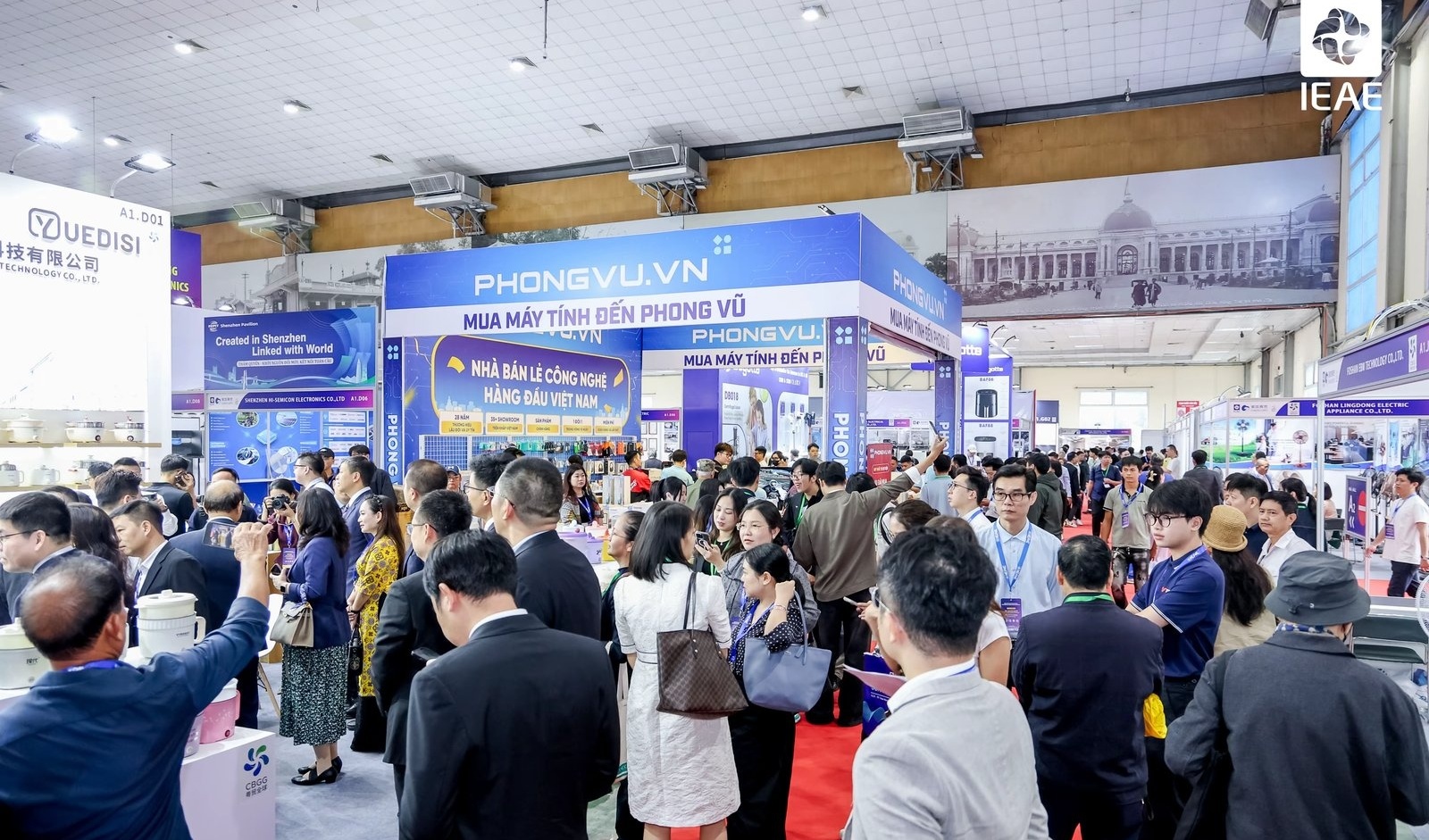
- Three international exhibitions open to boost industrial supply chain links (October 14, 2026 | 17:37)
- Garment and textile industry transitions towards high-value production (October 14, 2026 | 17:30)
- French business delegation meets MoF to discuss investment cooperation (October 14, 2026 | 11:37)
- Friso promotes global scientific collaboration on children’s gut health in Vietnam (October 13, 2026 | 16:18)
- Germany and Vietnam look to expand strategic cooperation and investment (October 13, 2026 | 16:14)
- Vietnam-Australia forum boosts AI and digital technology cooperation (October 13, 2026 | 11:30)
- Digital transformation shifts focus to added value (October 09, 2026 | 18:00)
- Melatec Dental Clinic - accompanying international clients on their smile care journey (October 09, 2026 | 17:25)







 Mobile Version