
Seafood exports rise in January

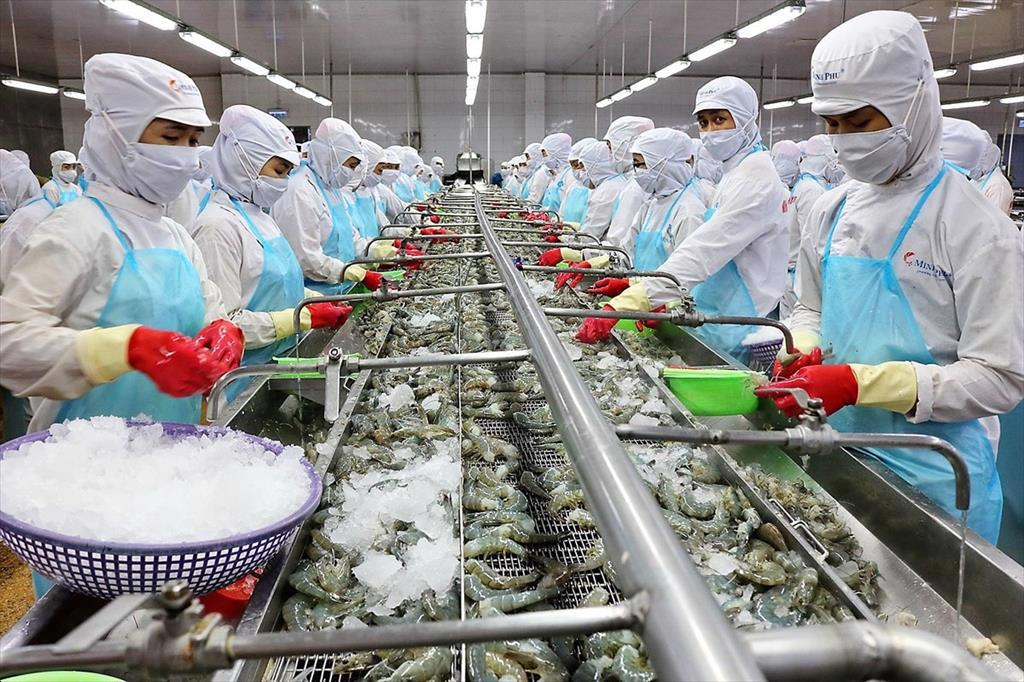
The positive start to the year reflects efforts by exporters to maintain momentum, despite continued pressure on global seafood trade from technical barriers and tariff-related uncertainties, according to the Vietnam Association of Seafood Exporters and Producers (VASEP)
 |
| Photo: VASEP |
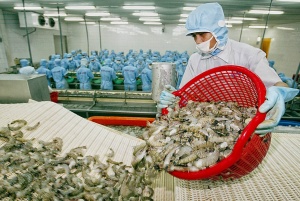
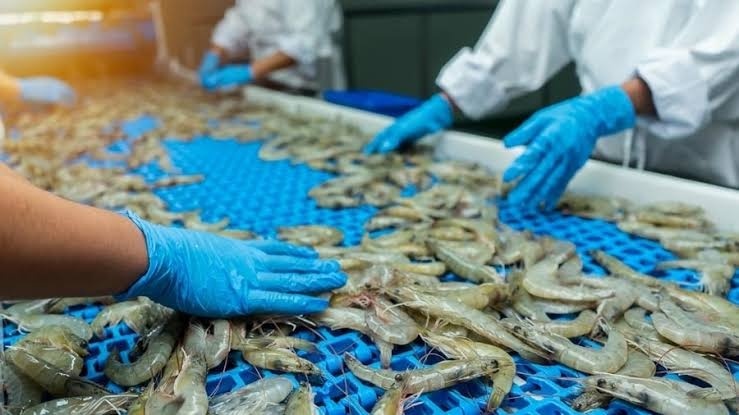
Shrimp remained the leading export item, generating $331 million, up 6.4 per cent and accounting for nearly 38 per cent of total seafood exports. Growth was supported by demand from China and Japan, while shipments to the US showed signs of stagnation amid expectations of upcoming anti-dumping duty results.
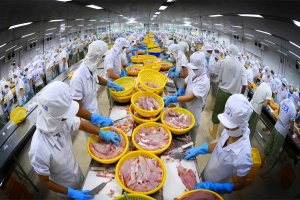
basa fish emerged as the standout performer, with export turnover exceeding $177 million, a sharp increase of 33.2 per cent. Robust demand from China, ASEAN and Japan made basa fish the fastest-growing product group in the month.
Exports of squid and octopus also recorded strong growth, reaching nearly $69 million, up 30.9 per cent, largely thanks to improved consumption in Japan and South Korea. By contrast, tuna exports fell 14 per cent to around $57 million, due mainly to difficulties related to the US Marine Mammal Protection Act and certification of admissibility (COA) requirements.
Other segments saw declines, with crab and other crustaceans down 10.6 per cent to about $31 million, while shelled molluscs dropped 11.7 per cent to roughly $20 million, reflecting weaker demand in the EU.
By market, Hong Kong (China) remained Vietnam’s largest seafood destination in January, with export value close to $250 million, up 28.7 per cent on-year. Lobster made a notable contribution, as premium seafood demand surged during the festive season, prompting many exporters to accelerate shipments ahead of the holidays.
Japan rose to second place, with exports of nearly $146 million, up 21.3 per cent, continuing to be a stable market for processed shrimp, frozen basa fish fillets, and squid and octopus.
In contrast, exports to the US declined 9.9 per cent to just over $96 million, with tuna accounting for most of the drop. VASEP noted that complications in implementing a circular of the Ministry of Agriculture and Environment on COA issuance had delayed certification procedures, significantly disrupting early-year shipments of tuna and other seafood products to the US.
Exports to the EU also fell 6.3 per cent to nearly $72 million due to weak demand and carry-over inventories from late 2025, particularly for molluscs and crab products. The Middle East market declined 9.4 per cent to around $21 million after a strong import phase at the end of last year.
Meanwhile, exports to ASEAN climbed by 32.2 per cent to about $69 million, reflecting stronger intra-regional trade and rising demand in markets such as Thailand, the Philippines and Singapore. South Korea recorded exports of more than $67 million, up 9.1 per cent, driven mainly by squid, octopus and basa fish.
VASEP expects seafood exports in February 2026 to decline from January levels and ease slightly on-year.

What the stars mean:
★ Poor ★ ★ Promising ★★★ Good ★★★★ Very good ★★★★★ Exceptional
 Tag:
Tag:Related Contents



Latest News



More News
- AMATA congratulates Kao Vietnam on 30 years (October 21, 2026 | 14:17)
- Deputy Minister of Finance meets Gujarat delegation in Hanoi (October 21, 2026 | 12:11)
- Vietnam and US discuss financial cooperation and preparations for APEC 2027 (October 21, 2026 | 12:07)
- Vietnam and Denmark sign MoUs to strengthen bilateral ties (October 21, 2026 | 08:00)
- Vietnam and Liechtenstein sign double taxation avoidance agreement (October 19, 2026 | 18:08)
- Creative Young Entrepreneur 2026 showcases five young businesses (October 19, 2026 | 17:59)
- IEAE Hanoi 2026 to spotlight smart electronics trends (October 19, 2026 | 17:44)
- Vietnam and EFTA member states sign free trade agreement (October 19, 2026 | 13:10)
- TC-HICT handles over 8.2 million TEUs since 2018 launch (October 17, 2026 | 16:56)
- Vietnam transforming AI ambitions into business impact (October 16, 2026 | 18:01)










 Mobile Version