

Hanoi transition: four dog cat meat traders proactively exit the trade for sustainable careers following training

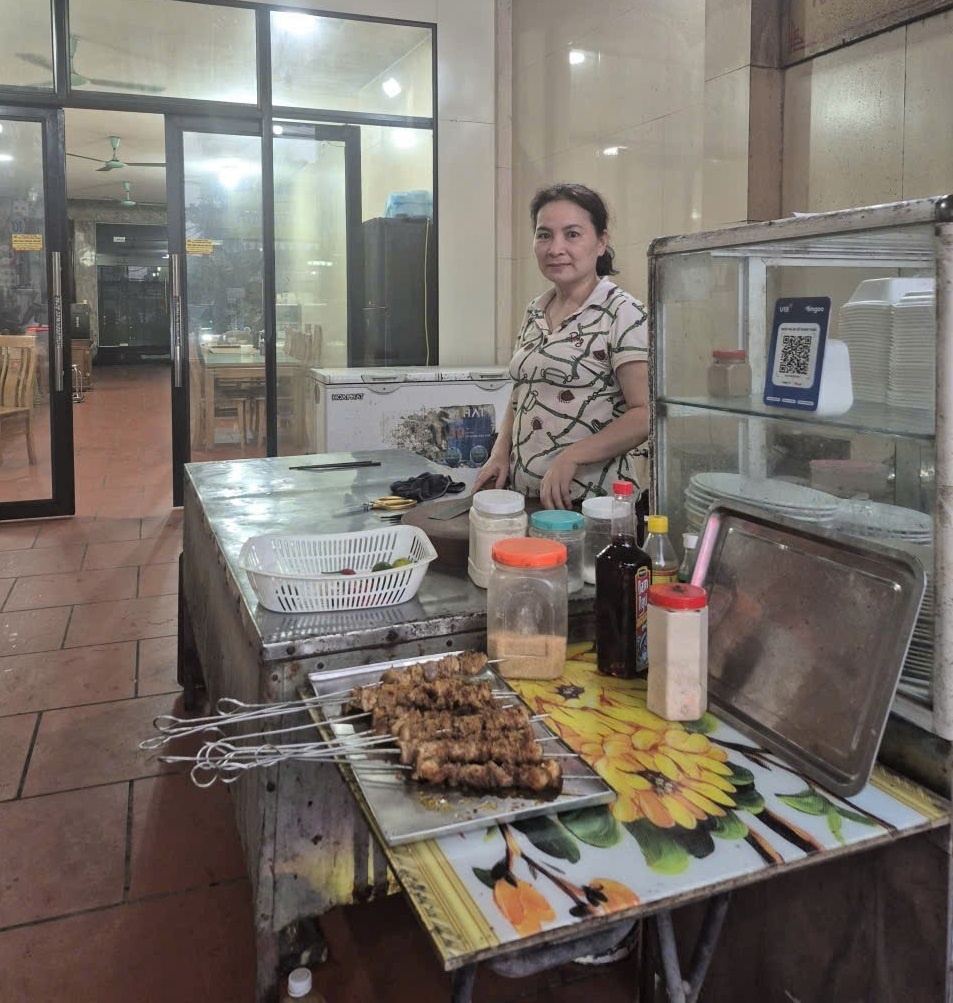 |
The local restaurant in Duong Noi ward had been part of Phuong's family for many years – long enough to become a familiar name in the neighborhood, long enough to carry the whole family through many difficult seasons. Yet after the first training session, she sat quietly for a long moment before saying, "I know I have to stop. But once I do, what will I live on?"
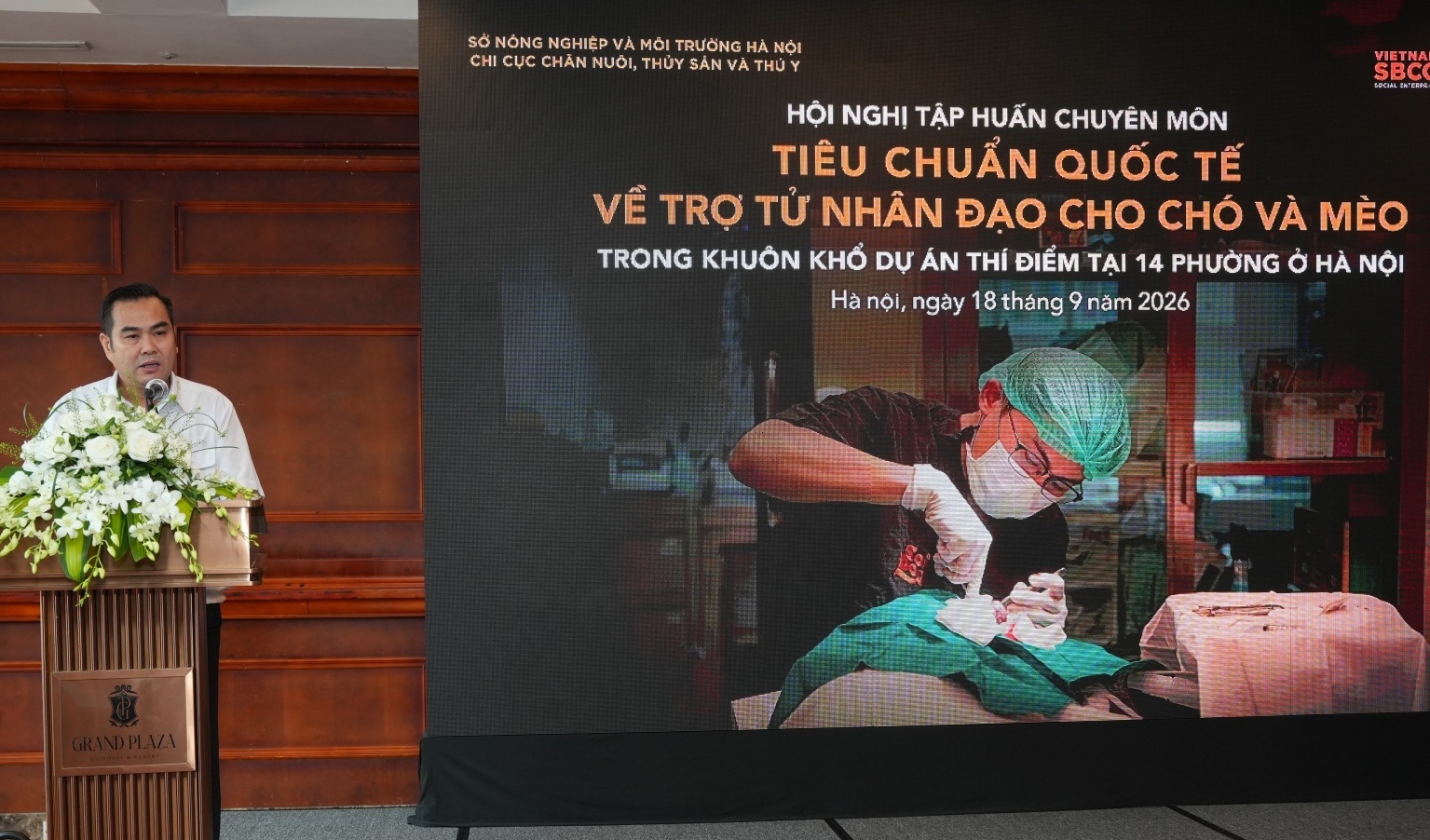
Phuong is one of four dog and cat meat business owners in Hanoi who have voluntarily closed their operations as a result of the advocacy efforts and livelihoods transition workshops – an early result of the project "Pilot model for pabies prevention and sustainable economic development – phased-transition of dog and cat meat trade activities in selected areas of Hanoi," jointly implemented by Hanoi Sub-Department of Livestock, Aquaculture and Veterinary, Soi Dog Foundation, and social enterprise SBCC Vietnam.
Decades in one trade – and a worry that's hard to name
For many people, walking away from a lifelong trade is not simply a matter of economics – it is also a way of life, a daily rhythm, the anchor that holds an entire family to a familiar routine. Phuong's shop had been running for years, with a loyal customer base, stock already purchased, and capital already invested.
"I fully agree with the issues that the trainers analysed during the session. In truth, the public health risks related to rabies and food safety standards are something I've always worried about. When the supply chain cannot fully trace origins or control disease, I understand that both sellers and buyers are facing unnecessary dangers," she said.
"In particular, I am well aware that daily direct contact with raw, uninspected dog meat carries serious risks from virus,bacteria and parasites – first and foremost to my own health, and then to those around me, my family. I understand that continuing this work long-term will create more and more problems for the overall health and safety of the community. I genuinely want to stop – but stopping tomorrow is impossible when the burden of earning a living hasn't been resolved yet. There is still stock in the warehouse, and all of my family's cash flow is tied up here," she shared.
This is the kind of honesty that not everyone dares to speak aloud – and it is precisely that honesty which gave the project its starting point for finding the right way forward together.
A way out from a simple request
Phuong did not ask for much. She simply hoped to be given some time to make the transition (about 2-3 months) – enough to sell off her remaining stock, recover some of her capital, and reorganise her family's finances before officially and permanently stopping the sale of dog and cat meat.
And during that period, she had one other wish – modest, but practical: for her daughter – still young and without stable employment – to attend the vocational transition training on behalf of the whole family.
"She's young, she learns faster than I do. I want her to go first, then come home and teach the rest of us. If she can find a stable trade through this programme, then our whole family will have something to rely on as we start over," Phuong said.
In those words, live two generations at once: a mother trying to tidy things up in preparation for change, and a daughter entrusted to open a new chapter for the whole family.
Four closures, 18 registrations – after just two training sessions
Phuong is not alone. To date, after two rounds of training, four businesses have officially ceased operations and 18 others have voluntarily registered to participate in the livelihood transition programme.
Faizan Jalil, senior manager at Soi Dog Foundation, reflected, “These early results are more than a project milestone – they are validation of a fundamental belief: that lasting change cannot be imposed, but must be grown. By replacing judgment with empathy and coercion with opportunity, we are not just addressing the dog and cat meat trade – we are dismantling the conditions that sustain it. We are confident that a future free from this trade is within reach, and that it will be achieved most sustainably when those involved are truly heard, supported, and given a viable path forward.”
Bui Thi Duyen, director of SBCC Vietnam – the organisation directly leading and facilitating the livelihood transition training within the project – added, "We understand that for many of these traders, this trade is their livelihood, not something they chose out of desire. The vocational support programme is built around the individual circumstances and aspirations of each family. We are not here to replace their livelihoods – we are here to work with them to build a new one that is stable, safe, and more sustainable."
Vietnam is among the countries in Southeast Asia with the high rabies mortality rates. The slaughter and transportation chain for dogs and cats has been identified as one of the factors increasing the risk of disease spread. This effort, therefore, goes beyond animal welfare – it is equally a matter of public health and building a more civilised city.
The project is continuing to expand its outreach to more businesses, with the hope that by the end of the year, many more families – like Phuong's – will have found a new path forward: for themselves, for their communities, and for a Hanoi that is increasingly safe and humane.
 | Hanoi launches pilot project for rabies prevention and support for dog and cat meat trade transition Hanoi Department of Livestock, Fisheries and Veterinary Medicine has signed an agreement with Soi Dog Foundation to tackle rabies and support the dog and cat meat trade transition. |
 | Students join fight against rabies, pioneering change for safer, civilised Hanoi Students have been placed at the heart of efforts to end rabies in Vietnam. By raising awareness about the dangers of the dog and cat meat trade and equipping students with behaviour-change communication skills, the initiative aims to foster long-term, community-led transformation. |
 | Hanoi pilots programme to phase out dog and cat meat trade Authorities and international partners are working to phase out the dog and cat meat trade through a training conference focused on sustainable livelihood transitions in Hanoi. |
What the stars mean:
★ Poor ★ ★ Promising ★★★ Good ★★★★ Very good ★★★★★ Exceptional
 Tag:
Tag:Related Contents




Latest News




More News
- Sedona SkyRun concludes latest race above Ho Chi Minh City (August 11, 2026 | 08:00)
- What propelled East West Barbershop into world's Top 10 grooming brands? (August 06, 2026 | 09:22)
- Livelihood Transition Training Conference contributes to rabies prevention and food safety development (July 24, 2026 | 17:14)
- Muong Thanh group launches 2026 mooncake collection (July 24, 2026 | 10:52)
- Pan Pacific launches 2026 mooncake collection (July 24, 2026 | 10:51)
- Vietnamese women step up as drivers of national development (July 15, 2026 | 11:54)
- Italy marks anniversary by celebrating women's eight decades of progress (June 23, 2026 | 17:19)
- Innovation expands reach of cultural identity in Hue (June 17, 2026 | 15:57)
- Fusion marks Global Wellness Day with spa promotions across Vietnam (June 06, 2026 | 14:11)
- Fortune names Citi CEO Jane Fraser the Most Powerful Woman in Business for 2026 (June 02, 2026 | 18:42)









 Mobile Version