
Students join fight against rabies, pioneering change for safer, civilised Hanoi

On December 12, Thanh Nien Magazine, in collaboration with the Soi Dog Foundation and the Vietnam Social and Behaviour Change Communication for Sustainable Development Company (SBCC Vietnam), organised an event on rabies prevention and phased transitioning from the dog and cat meat trade in Hanoi.
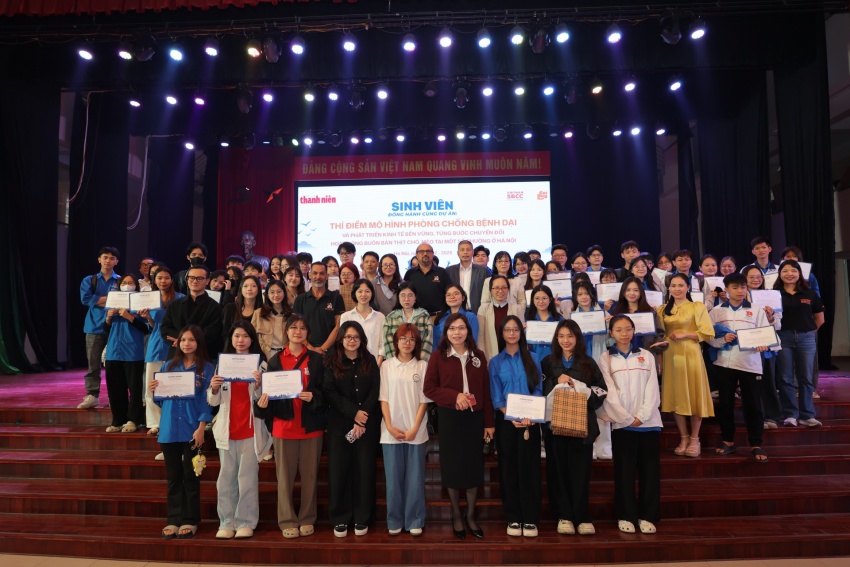 |
The activity helped raise community awareness about rabies, zoonotic diseases, and the critical link between the dog and cat meat trade and rabies, while creating opportunities for students to directly contribute to national goals.
The event aims to achieve specific objectives: training students to become project ambassadors capable of advocating and educating communities about rabies prevention; contributing to Vietnam's goal of no human deaths from rabies by 2030; promoting Hanoi's development as a civilised city with international integration, serving as a safe tourist destination that is animal-friendly; and creating opportunities for Vietnamese students to connect and exchange with international experts in animal welfare and public health.
Dog and cat meat trade - a serious threat to community health
Every year in Vietnam, rabies causes 75 to 100 human deaths. Following the COVID-19 pandemic, zoonotic diseases have become a serious threat to community health. The trade, transportation, and slaughter of dogs and cats not only increase the risk of rabies transmission but can also lead to many other dangerous infectious diseases such as parasitic infections, e. coli, salmonella, campylobacter, and other parasitic diseases.
Particularly, as dogs are commonly fed with food scraps and waste, dog meat carries a high risk of containing residues of medications (steroids, antibiotics) and heavy metals (lead, arsenic, cadmium), posing serious health hazards to consumers. Additionally, contact with dogs and cats or consumption of dog and cat meat poses a risk of parasitic infections, with approximately 20,000 cases of toxocara (dog and cat roundworm) larvae infection detected and treated annually in Vietnam, according to the Infectious Disease Control Department, Hanoi Centre for Disease Control.
At the event, health experts clearly analysed the chain of rabies virus transmission and disease-causing agents in the dog and cat meat trade, from transportation and slaughter to processing and consumption. Each stage poses high exposure risks, not only to those directly involved but also affecting the health of surrounding communities.
Rahul Sehgal, international communications director of the Soi Dog Foundation, said that students play a pivotal role in spreading awareness about the connection between the dog and cat meat trade and disease risks to the community.
"Based on successful experiences in Thailand and other countries in the region, we believe that when equipped with adequate knowledge and effective communication methods, students become a pioneering force driving change. The active participation of young people is key to achieving the goal of zero human deaths from rabies by 2030 and building a safer, more civilised Hanoi," he said.
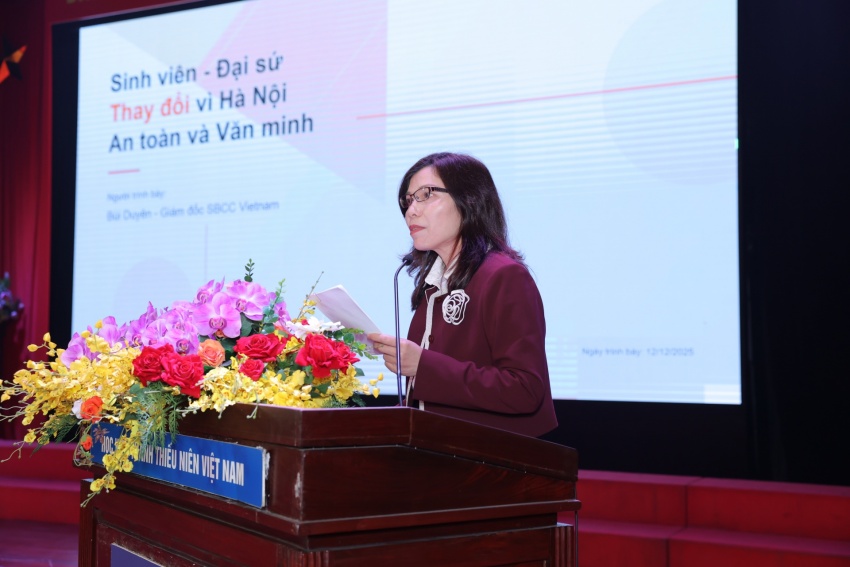 |
| Bui Thi Duyen, director of SBCC Vietnam |
Ambassadors of change for a safe and civilised Hanoi
The programme focused on equipping students with in-depth knowledge of public health and community behaviour change communication skills. Students received specific guidance on becoming project ambassadors, implementing advocacy activities in communities and on social media, while being trained in methods to create effective and persuasive educational content.
Bui Thi Duyen, director of SBCC Vietnam, said that changing community behaviour is not just about providing information, but the art of creating understanding, empathy, and action. Students, as young ambassadors, have special advantages to be trusted bridges with the ability to listen and convey scientific messages in accessible, easy-to-understand language.
"We believe that when equipped with proper behaviour change communication methods, each student can spread knowledge and inspire and motivate people to voluntarily change. This is the key to building a safe and civilised Hanoi, sustainable change stems from the awareness and trust of the community itself," she said.
The event was also an opportunity for students who won awards in previous competitions to share practical experiences. They recounted their journey of spreading the project's message within student networks, youth union/association groups, and communities, as well as valuable lessons learned when implementing communication campaigns at universities. These success stories inspired and motivated the new generation of ambassadors.
At the programme's conclusion, students were assigned specific tasks with clear action plans: organising community discussions, creating content for social media, and building ambassador networks at schools and localities.
The event marks an important step forward in combining youth forces with efforts to prevent disease and promote sustainable socioeconomic development. The organising units expect student ambassadors to become role models, spreading trust and promoting positive change in the community, contributing to building a safer, more civilised, and more compassionate Hanoi.
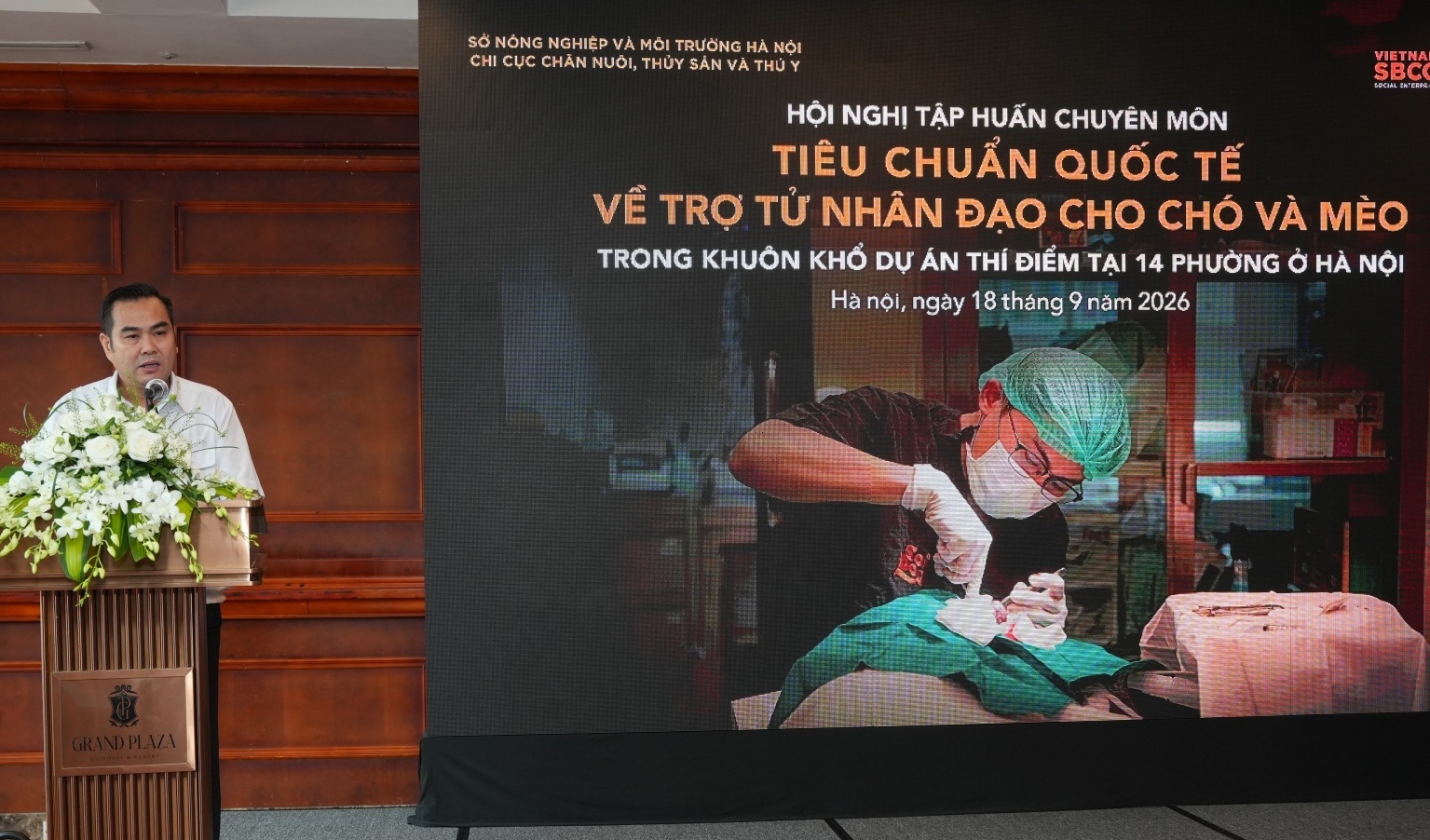
 | Hanoi launches pilot project for rabies prevention and support for dog and cat meat trade transition Hanoi Department of Livestock, Fisheries and Veterinary Medicine has signed an agreement with Soi Dog Foundation to tackle rabies and support the dog and cat meat trade transition. |
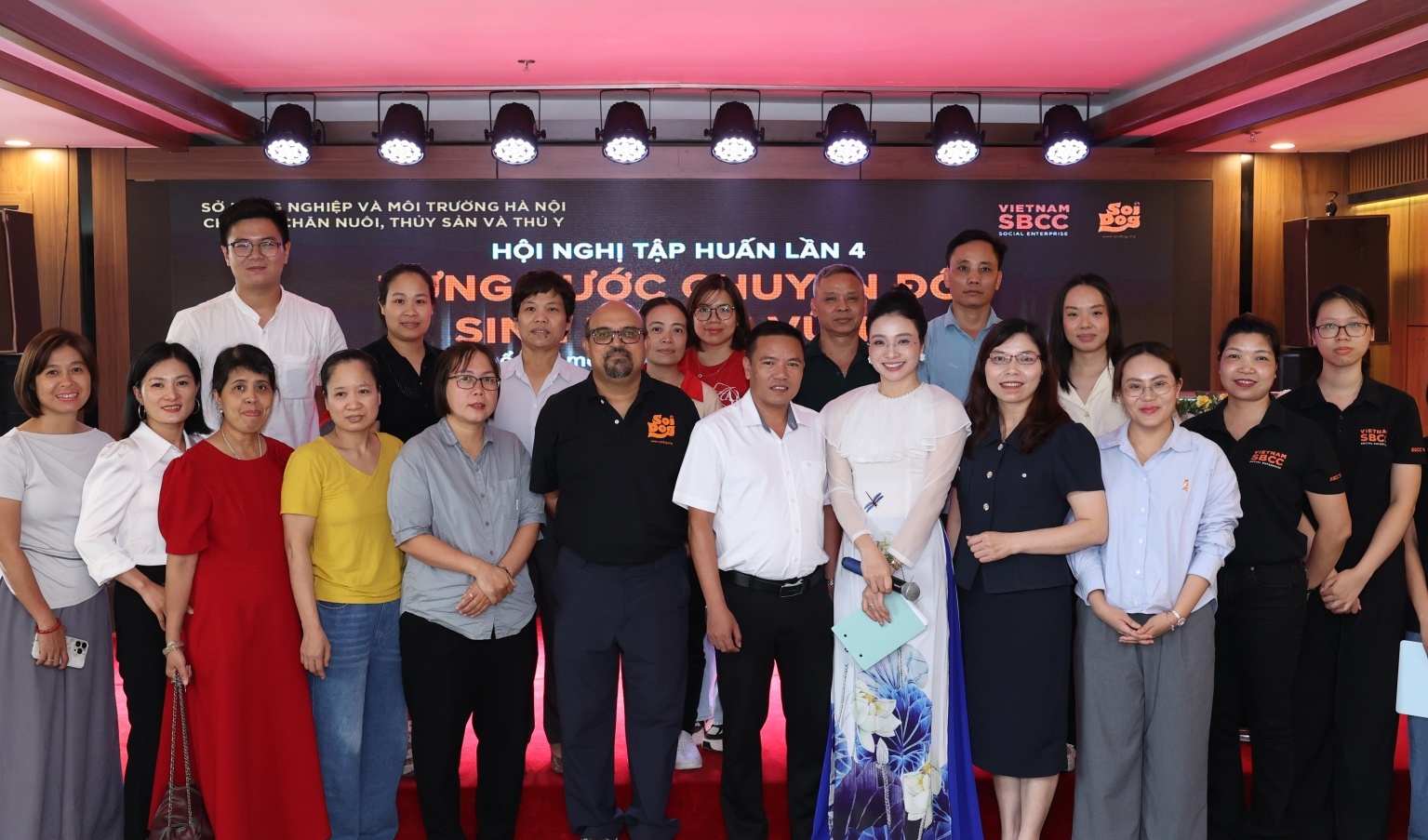
 | Hanoi strengthens rabies control and supports transition of dog and cat meat trade A training conference was held in Hanoi on October 28 to discuss how to strengthen rabies control and facilitate the transition of the dog and cat meat trade. |
What the stars mean:
★ Poor ★ ★ Promising ★★★ Good ★★★★ Very good ★★★★★ Exceptional
 Tag:
Tag:Related Contents





Latest News




More News
- Financing options for shock-responsive social protection in Vietnam (July 30, 2026 | 14:59)
- HER2+ breast cancer carries $3.71 billion productivity burden in Vietnam (July 30, 2026 | 14:32)
- Party Resolution charts Vietnam’s development model through 2045 and beyond (July 30, 2026 | 12:29)
- STEM education evolves for AI era (July 21, 2026 | 09:38)
- Vietnam’s workforce ready for AI era (June 26, 2026 | 16:04)
- Why child online safety is now a business imperative (June 24, 2026 | 11:00)
- Hybrid work is reshaping Vietnam’s labour market (June 17, 2026 | 16:24)
- World's children exposed to at least three overlapping climate threats (June 17, 2026 | 15:54)
- Thai Nguyen event promotes safer food systems for World Food Safety Day (June 11, 2026 | 14:08)
- Vietnam emerges as rising hub for wealth creation (June 02, 2026 | 18:31)



Latest News





 Mobile Version