
Foundation focus stepped up for VIFC

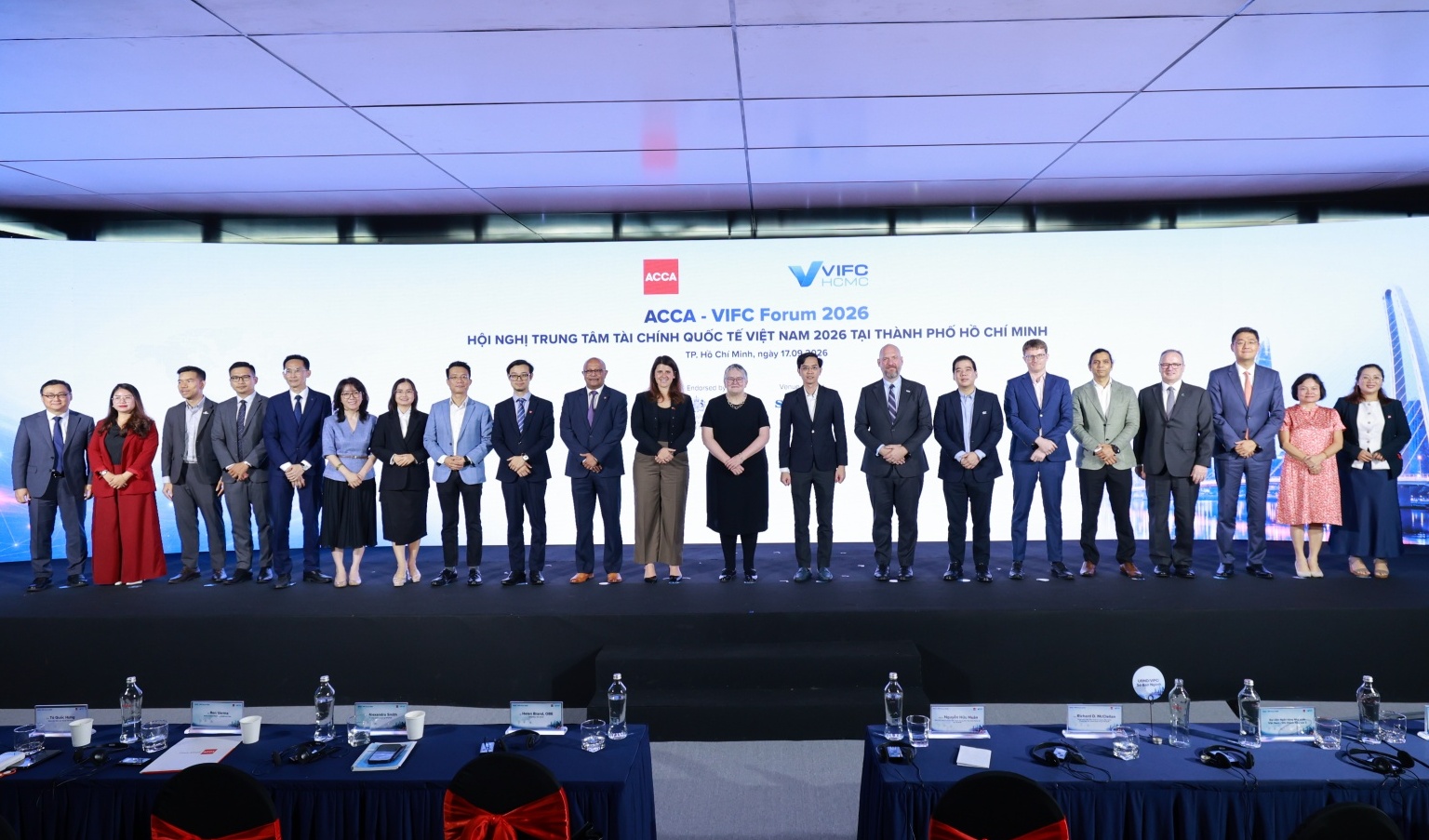
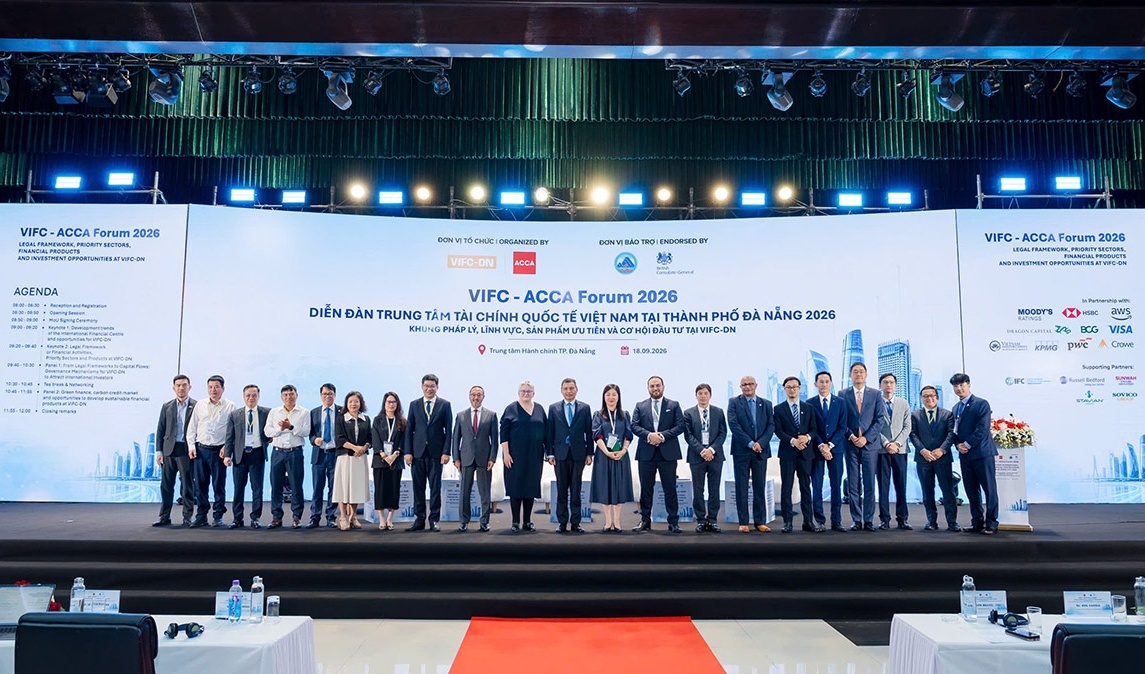
The priorities were highlighted at two forums organised by the Association of Chartered Certified Accountants (ACCA) in Ho Chi Minh City and Danang on September 17 and 18, where policymakers, financial institutions, investors, businesses, and professional organisations discussed the foundations needed to support activity for the new Vietnam International Financial Centre (VIFC) system.
The event in Ho Chi Minh City focused on professional standards, financial reporting, governance, sustainability, and access to international capital, while the Danang edition examined the legal framework, priority sectors, financial products, and investment opportunities at the centre. The discussions came as VIFC-HCMC prepares to develop four strategic product and market segments: investment funds and asset management, international bond markets, fintech, and commodity derivatives. For both centres, the availability of professionals with international expertise will be an important part of that development. Around 300 delegates attended the Ho Chi Minh City forum, representing government regulatory bodies, financial institutions, investment funds, businesses, professional associations, and specialised service providers.
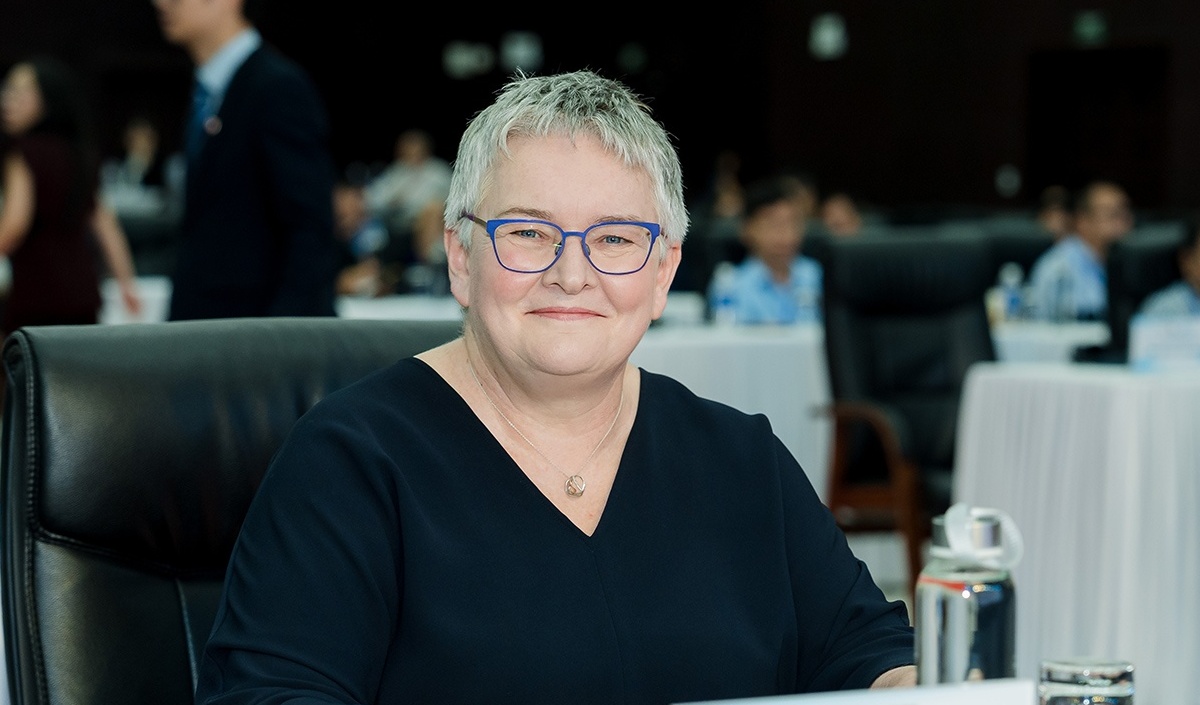
Helen Brand, ACCA chief executive, placed regulatory alignment and talent development at the centre of Vietnam’s immediate priorities.
“The recent steps taken by Vietnam have probably been among the most urgent priorities because parity provides confidence,” she said. “Technology and sustainability are similarly becoming embedded in the core competencies expected of finance and accounting professionals.”
Brand said the two areas could no longer be treated as separate domains, with strong sustainability strategies and rigorous assurance standards increasingly important to long-term market confidence.
For Vietnam, this will require systematic knowledge transfer to local professionals rather than prolonged reliance on external expertise. Brand highlighted the openness of Vietnamese universities to innovation and international partnerships, including the integration of professional qualifications into academic programmes.
She also pointed to the country’s strong entrepreneurial aspirations. ACCA research shows that 74 per cent of Gen Z and Alpha in Vietnam aspire to become entrepreneurs, compared with 50 per cent globally.
“This entrepreneurial spirit will be a powerful asset for the country’s economic development,” Brand said.
For the IFC, she called for an ethical and technology-enabled professional ecosystem capable of supporting the wider financial infrastructure of the centre.
Alexandra Smith, British consul general in Ho Chi Minh City, put legal certainty at the heart of efforts to build an international financial centre, with common law offering a framework familiar to international businesses.
“Common law is one of the primary principles I would name, which underscores the importance of a strong legal system,” she said. “For businesses entering a new market, knowing what they can and cannot do is fundamental. Common law provides a familiar basis for contracts and is used by major international financial centres, including those operating within civil law jurisdictions.” For investors, this can reduce legal risk and make transactions more efficient and cost-effective.
Talent is another essential pillar. Vietnam’s ambition to attract sustained finance will require international firms to establish local operations and employ professionals.
Smith highlighted the value of professionals who understand Vietnamese regulations and are fluent in international business practices. Government investment in professional skills and universities provides a strong foundation for developing such talent.
She also pointed to the role of professional qualifications in bridging local expertise with international practice. “Embedding professional qualifications through bodies like the ACCA can help finance graduates apply their expertise effectively in a global professional environment,” she said.
On the sidelines of the forum, the Executive Authority of the VIFC-HCMC and the ACCA signed a new MoU covering workforce development, professional training, international knowledge-sharing, and capacity-building for the financial services ecosystem.
The agreement coincides with ACCA’s 25th anniversary in Vietnam. The organisation opened its representative office in Ho Chi Minh City in 2001 and now has more than 1,300 members and over 7,000 students nationwide.
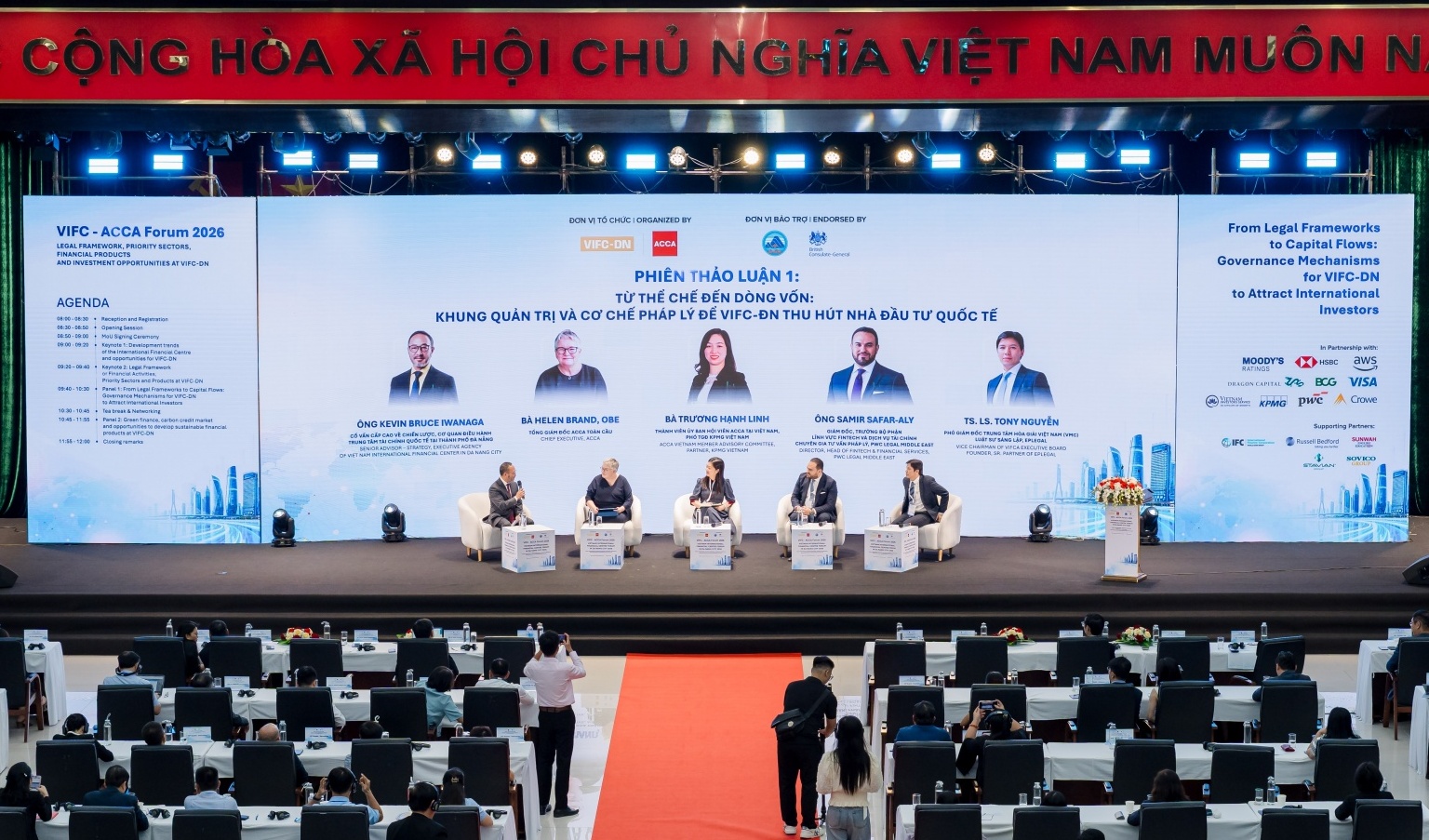
The forum in Danang also witnessed the signing of an MoU between the Executive Agency of the VIFC-Danang and the ACCA, covering cooperation in finance and accounting, professional development, international experience-sharing, and access to international expert networks.
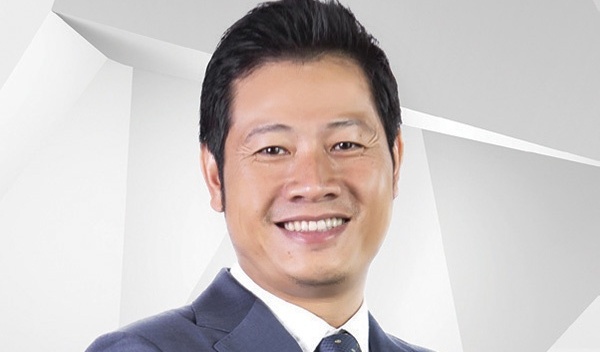
Kevin Iwanaga, senior advisor on strategy and coordination at the Executive Agency of the VIFC-Danang, said confidence would depend on more than physical infrastructure and investment incentives, with trust, transparency, regulatory certainty, and institutional capacity also shaping decisions on where to establish a presence or commit capital.
“Investors need confidence that the rules are clear, institutions are reliable, and the market can support the long term. These factors are just as important as infrastructure and incentives,” Iwanaga said.
Discussions in Danang examined the legal and governance framework needed to attract international investors, with international standards, regulatory certainty, effective implementation, and enforcement among the issues raised. Financial crime, cyber threats, operational disruption, climate risks, and changing regulatory requirements were considered alongside the professional capacity required across finance, accounting, auditing, risk management, legal services, and fintech.
What the stars mean:
★ Poor ★ ★ Promising ★★★ Good ★★★★ Very good ★★★★★ Exceptional
 Tag:
Tag:
Related Contents
Latest News


More News
- Vietnam growth nears double digits, UOB raises forecast (October 14, 2026 | 17:39)
- Smart factories need skills, finance and trust to scale (October 14, 2026 | 17:33)
- Sanofi-Aventis Vietnam appoints new head of Vaccines and country lead (October 12, 2026 | 17:21)
- Measurable outcomes a must for businesses (October 12, 2026 | 09:27)
- Vietnam’s growth ambitions hinge on effective policy reforms (October 12, 2026 | 09:00)
- 100 entrepreneurs honoured with Thanh Giong Cup 2026 (October 12, 2026 | 08:00)
- French experts share AI and digital governance insights in Hanoi (October 11, 2026 | 08:00)
- Digital government push focuses on data connectivity and AI (October 10, 2026 | 08:00)
- Ho Chi Minh City holds dialogue with businesses to address operational hurdles (October 09, 2026 | 17:27)
- AI beginning to reshape recruitment criteria (October 09, 2026 | 16:49)








 Mobile Version