

EU to Vietnam flights face mounting pressure as jet fuel supply tightens

 |
Europe’s aviation fuel supply is heavily dependent on imports from the Middle East, as refining capacity within the region has nearly reached its limit.
According to the International Energy Agency (IEA), if blockades or disruptions at the Strait of Hormuz persist, both domestic and international flights across Europe could soon face cancellations due to fuel shortages.
The IEA described the situation as part of an unprecedented global energy crisis. The Strait of Hormuz is a critical transit route, carrying a significant share of the world’s crude oil and refined fuels from the Middle East. Since tensions escalated involving the US, Israel, and Iran, this key shipping lane has been severely disrupted, placing immense pressure on global energy supply chains.
Europe currently relies on imports for around 75 per cent of its aviation fuel, much of it sourced from the Middle East, leaving the region particularly vulnerable to supply shocks. Fuel prices have more than doubled, putting significant financial strain on airlines.
Dutch carrier KLM announced the cancellation of 80 flights to and from Amsterdam Schiphol Airport in May due to rising fuel costs, although the affected flights account for less than 1 per cent of its European schedule.
Earlier, Lufthansa considered reducing capacity by 2.5-5 per cent, potentially grounding 20 to 40 aircraft, while Scandinavian airline SAS planned to cancel around 1,000 flights in April.
Industry organisations have warned that a systemic fuel shortage could emerge next weeks if flows through the Strait of Hormuz are not restored, posing a serious threat to the upcoming peak travel season.
Widespread cancellations could affect millions of passengers, drive up ticket prices, and trigger ripple effects across tourism, services, and related supply chains.
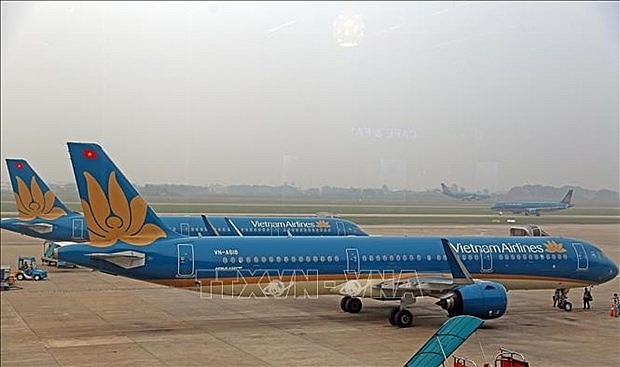
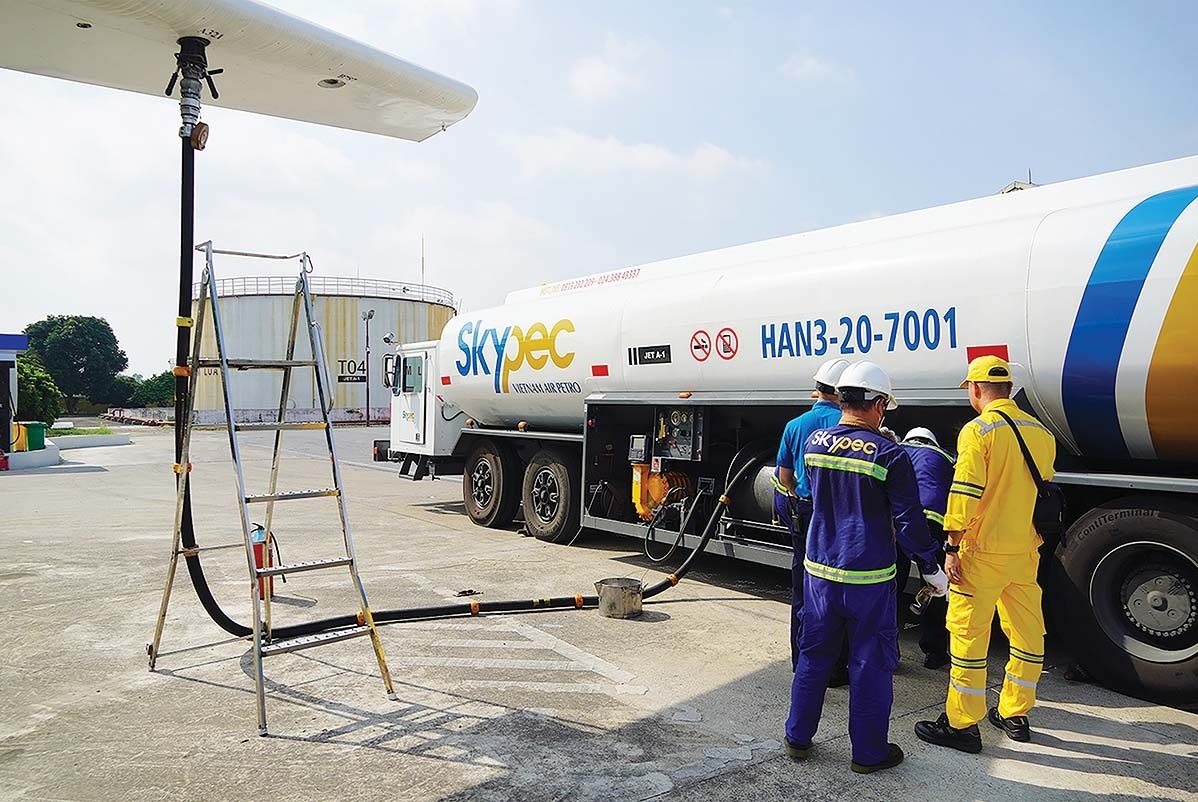
In Vietnam, disruptions to jet fuel (Jet A-1) supply linked to tensions in the Middle East are also raising concerns about potential shortages, forcing domestic airlines to scale back their networks.
Since April, Vietnamese carriers have reduced frequencies on multiple domestic and international routes to optimise operations amid tightening and increasingly expensive fuel supply. Numerous flights have already been cancelled, disrupting travel plans and significantly impacting tourism businesses.
On April 17, director general of the Civil Aviation Authority of Vietnam (CAAV), Uong Viet Dung, sent a letter to the administrator of the Civil Aviation Administration of China, requesting support to maintain stable aviation fuel supplies for Vietnam.
He emphasised that the crisis in the Middle East has caused severe disruptions to global and regional oil supply chains, adversely affecting airline operations due to fuel shortages, a situation also facing Vietnamese carriers.
Based on the long-standing partnership and close ties between the two aviation authorities, CAAV has requested that China direct key fuel suppliers, including Sinopec, PetroChina, and the China National Offshore Oil Corporation, to maintain stable and sufficient fuel supplies for Vietnamese importers in accordance with existing contracts.
Vietnam imports around 70 per cent of its aviation fuel, with more than 60 per cent sourced from Thailand and China. So ensuring stable supply from China is critical to maintaining the operations of domestic airlines.
The CAAV stated that current fuel reserves are sufficient to support flight operations through the end of April, including the peak holiday period of April 30–May 1.
 | Vietnam Airlines to suspend domestic routes as fuel costs rise Vietnam Airlines is planning to suspend several domestic routes from April 1 amid tightening Jet A-1 fuel supply and surging prices linked to Middle East tensions. |
 | Vietnam mulls increasing ceiling price for domestic flights Raising the ceiling on airfares is being considered in the context of rising fuel prices, according to the Civil Aviation Authority of Vietnam. |
 | Fuel imports rise in first quarter amid global market volatility Vietnam has ramped up fuel imports in the first quarter of the year amid global energy market volatility due to the tensions in the Middle East. |
 | Airlines seek cost-sharing mechanism amid volatile jet fuel prices The government is considering fuel surcharges and tax relief measures as volatile Jet A-1 prices threaten airline operations, with carriers warning of heavy losses and weakened post-pandemic recovery. |
What the stars mean:
★ Poor ★ ★ Promising ★★★ Good ★★★★ Very good ★★★★★ Exceptional
 Tag:
Tag:Related Contents








Latest News





More News
- Beaches drive Vietnam’s domestic tourism boom (August 20, 2026 | 12:07)
- Spalba makes foray into Vietnamese market (August 20, 2026 | 09:41)
- CAAV signs deal with Turkey to strengthen aviation cooperation (August 10, 2026 | 15:15)
- Major Asian airlines survey Long Thanh International Airport (August 10, 2026 | 08:51)
- Vietnam ranks in top four Asian destinations for European tourists (August 07, 2026 | 08:00)
- Vietnam's commercial aircraft fleet expands to 251 planes (August 03, 2026 | 23:13)
- LOT Polish Airlines is set to launch Warsaw–Hanoi route (July 31, 2026 | 11:22)
- Vietnam tops Saudi tourists' summer holiday searches (July 30, 2026 | 12:41)
- Ninh Binh province steps up mission to acquire UNESCO landscape nomination (July 17, 2026 | 14:02)
- Vietnamese tourists gain easier access to Dubai (July 13, 2026 | 14:59)


Latest News






 Mobile Version