

Vietnam Airlines to suspend domestic routes as fuel costs rise

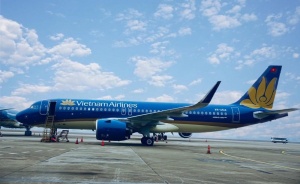
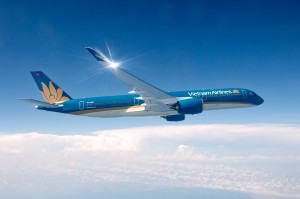
According to the Civil Aviation Authority of Vietnam (CAAV), constrained fuel availability is forcing the national carrier to prioritise its most important domestic routes, which support key travel demand, trade, and tourism.
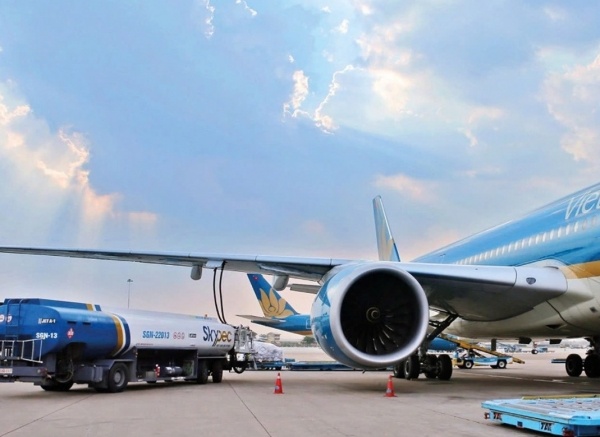 |
| Photo: Thoibaotaichinhvietnam.vn |
The airline is expected to temporarily halt a number of services from April 1, including Haiphong–Buon Ma Thuot, Haiphong–Cam Ranh, Haiphong–Phu Quoc, Haiphong–Can Tho, Ho Chi Minh City–Van Don, Ho Chi Minh City–Rach Gia, and Ho Chi Minh City–Dien Bien, totalling 23 flights per week.
Vietnamese carriers are also preparing to introduce fuel surcharges on international routes, potentially from early April.
Bamboo Airways said it will focus resources over the next two months on its busiest domestic routes connecting Hanoi, Ho Chi Minh City, and Danang, as well as popular tourist destinations such as Quy Nhon and Cam Ranh.
The airline will maintain international charter services to markets including China and the Philippines. While peak-period flights will be retained, frequencies may be reduced compared to the same period last year if fuel prices continue to rise.
Amid volatile fuel costs, Bamboo Airways may adjust ticket prices but will remain within the government-regulated fare caps. The CAAV reported that global energy prices continued to rise between March 20 and 22.
In Asia, Jet A-1 prices in Singapore ranged between $220 and $230 per barrel. A survey conducted on March 20 covering nearly 40 international and regional airlines found that more than 60 per cent had already implemented, were implementing, or planned to introduce fuel surcharges or fare adjustments from mid-March.
Some airlines have incorporated the surcharge directly into base fares, with increases typically ranging from 5 to 20 per cent depending on route and service class. Others have applied separate fuel surcharges, ranging from around $5.20 to over $400 per ticket, depending on distance and cabin class. For cargo transport, some carriers have introduced fuel surcharges of approximately $1.6 per kilogram.
Facing mounting cost pressures, domestic airlines have urged the government to consider reducing environmental protection taxes and aviation fuel levies, maintaining a zero per cent import tariff on fuel sourced outside ASEAN, and introducing measures such as tax deferrals, interest rate support, debt restructuring, and adjustments to airport service charges.

What the stars mean:
★ Poor ★ ★ Promising ★★★ Good ★★★★ Very good ★★★★★ Exceptional
 Tag:
Tag:
Related Contents




Latest News





More News
- Beaches drive Vietnam’s domestic tourism boom (August 20, 2026 | 12:07)
- Spalba makes foray into Vietnamese market (August 20, 2026 | 09:41)
- CAAV signs deal with Turkey to strengthen aviation cooperation (August 10, 2026 | 15:15)
- Major Asian airlines survey Long Thanh International Airport (August 10, 2026 | 08:51)
- Vietnam ranks in top four Asian destinations for European tourists (August 07, 2026 | 08:00)
- Vietnam's commercial aircraft fleet expands to 251 planes (August 03, 2026 | 23:13)
- LOT Polish Airlines is set to launch Warsaw–Hanoi route (July 31, 2026 | 11:22)
- Vietnam tops Saudi tourists' summer holiday searches (July 30, 2026 | 12:41)
- Ninh Binh province steps up mission to acquire UNESCO landscape nomination (July 17, 2026 | 14:02)
- Vietnamese tourists gain easier access to Dubai (July 13, 2026 | 14:59)


Latest News





 Mobile Version