
Eco-friendly packaging set to grow with Vietnam’s F&B boom

Asia-Pacific’s food and beverages (F&B) market is valued at $667 billion and projected to reach $900 billion by 2028, according to Source of Asia. Grand View Research estimates the global eco-friendly food packaging segment at $228 billion in 2024, rising to almost $354 billion by 2030. In Vietnam, the F&B industry is expected to hit $96.7 billion by the end of 2025, maintaining annual growth of 6.74 per cent through 2030.
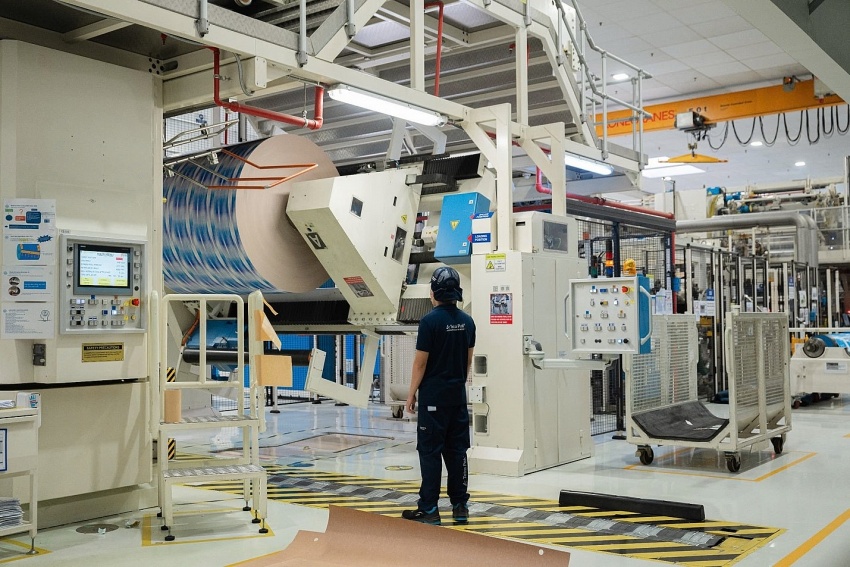 |
| Inside Tetra Pak’s expanded Binh Duong facility with enhanced capacity for 15 additional packaging formats |
Consumer demand is rising for packaging that delivers convenience, supports health, and meets environmental standards.
In Southeast Asia’s F&B sector, experts say customers are actively seeking innovation – from functional drinks in smart bottles to sustainable packaging with QR codes.
"Today’s consumers are more informed, more selective, and more value-driven than ever before," said Nguyen Thanh Giang, managing director of Tetra Pak Vietnam. "Speed to market is everything. Packaging is not just the final step in product development; it’s a strategic enabler of innovation."
Shifting consumer demand, along with new regulations, is reshaping how F&B businesses operate in Vietnam.
2024 marks the first year of implementing Extended Producer Responsibility (EPR), a key step in promoting the circular economy. The policy requires manufacturers to manage products after they become waste, covering collection, sorting, dismantling, decontamination, reuse, recycling, energy recovery, or final disposal.
Nguyen Thanh Yen, deputy head of the Legal Division of the Department of Environment under the Ministry of Agriculture and Environment, said the push for greater recycling, resource circulation, and waste reduction will require businesses to redesign products for easier recycling, use more recycled materials, and work towards a circular economy model.
"This may raise costs initially, but in the long run it can save raw materials, lower environmental treatment expenses, and promote innovation," he noted. "It also creates opportunities to develop eco-friendly products and drive cleaner supply chains and production technologies."
With the rise of green consumption, growing attention to EPR, and increasing demand for convenience, F&B businesses need to choose packaging that enhances the customer experience while supporting sustainable growth.
Currently, the sector uses a wide range of packaging – from paper, plastic, glass, and aluminium to eco-friendly options such as cloth bags, bagasse bags, and kraft paper boxes – to preserve, transport, and market their products.
Suppliers are therefore innovating to meet changing consumer needs while ensuring materials and designs are sustainable and aligned with a circular economy.
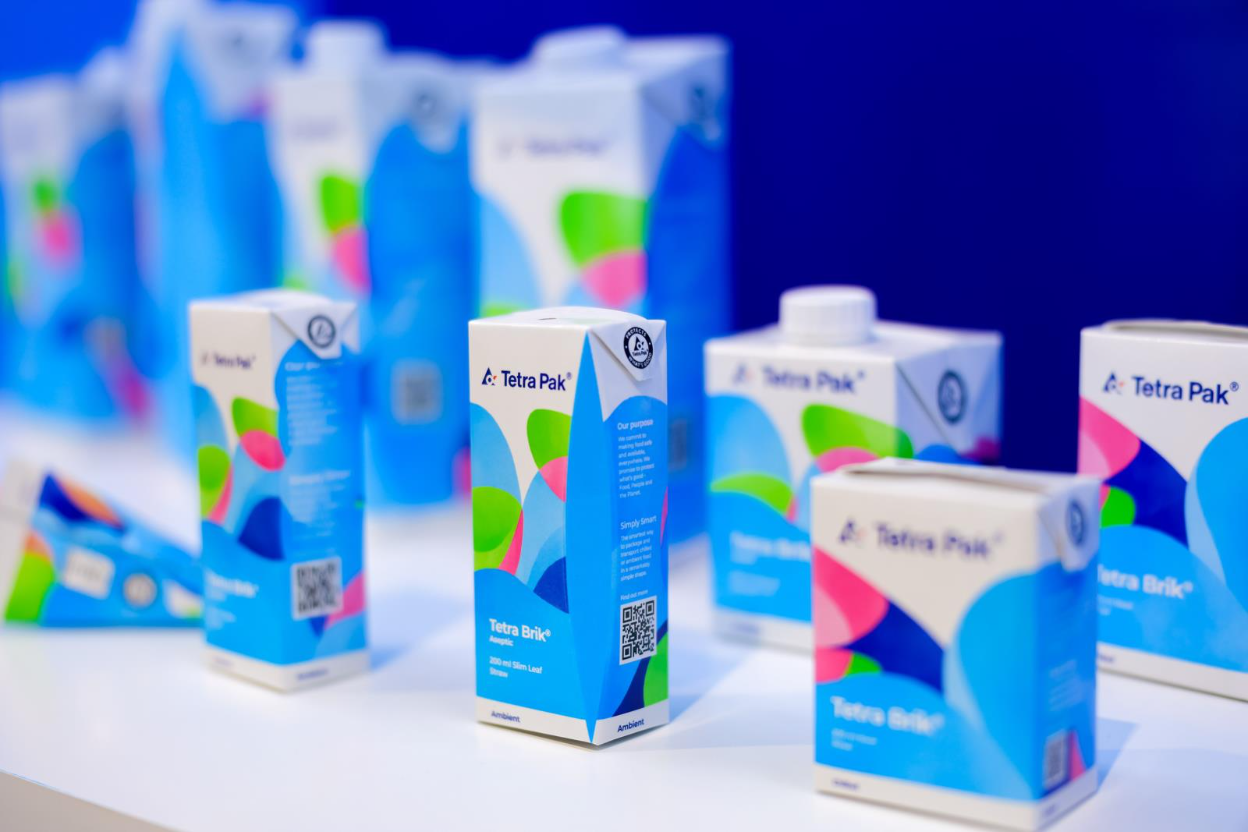
To meet growing demand, Tetra Pak Vietnam launched its second aseptic carton packaging production line at its Binh Duong facility on July 3. The €97 million expansion more than doubles the site’s capacity and adds the ability to produce 15 additional packaging formats for diverse markets and evolving consumer needs.
Giang believes the expanded Binh Duong facility allows Tetra Pak to offer more carton formats tailored to Southeast Asian consumers, with 15 new options creating thousands of possible packaging combinations to meet customer needs.
"This isn’t just a factory, it’s where ideas quickly turn into prototypes and then into products," she said.
 |
Adolfo Orive, president and CEO of Tetra Pak, said, "We have invested in new technologies to ensure every package meets the highest quality standards. From real-time monitoring to advanced automation, this factory is not just bigger – it’s smarter. Consumers today want more convenience, nutrition, food safety, sustainability, and products that fit their lifestyles."
Responding to this shift, other players in the F&B industry such as Nestlé, Vinamilk, and Masan Consumers have been making moves to transition to higher quality and more sustainable packaging.
Nestlé’s packaging strategy is guided by the Nestlé Institute of Packaging Science, the only research institute of its kind in the food industry. Established in 2019, it employs about 50 experts focused on developing the next generation of sustainable packaging materials.
Vinamilk aims to cut shrink wrap use for product pallets by half, saving nearly 29,500kg of plastic, and has eliminated plastic bags in all Giac mo sua Viet stores. Its paper packaging, produced with Tetra Brik Aseptic technology, is fully recyclable and FSC-certified, ensuring environmental, economic, and social benefits.
Industry expert Hoa Nguyen said, "Sustainable solutions are now the preferred choice in Vietnam’s F&B sector. The demand will continue to grow, helping to realise the country’s net zero target and advance sustainable development and the circular economy."
Looking ahead, Yen said, "Vietnam is behind Malaysia and Thailand in the race for green credit. However, there is still an opportunity, as international credit institutions prioritise businesses with clear environmental strategies and strong environmental, social, and governance records."
He stressed that capitalising on this advantage will be critical if Vietnam is to turn its green ambitions into long-term, sustainable growth.
 | F&B industry undergoing a positive transformation At the beginning of 2025, Nguyen Thanh Giang, managing director of Tetra Pak Vietnam, sat down with VIR's Huong Luu for an insightful discussion on the state of the food and beverage industry and future consumer trends. |
 | Tetra Pak unveils innovative solutions at Propak Vietnam 2025 As the food and beverage (F&B) industry continues to thrive, rising production costs and stringent sustainability standards are driving businesses to innovate and solidify their market position in an increasingly competitive landscape. |
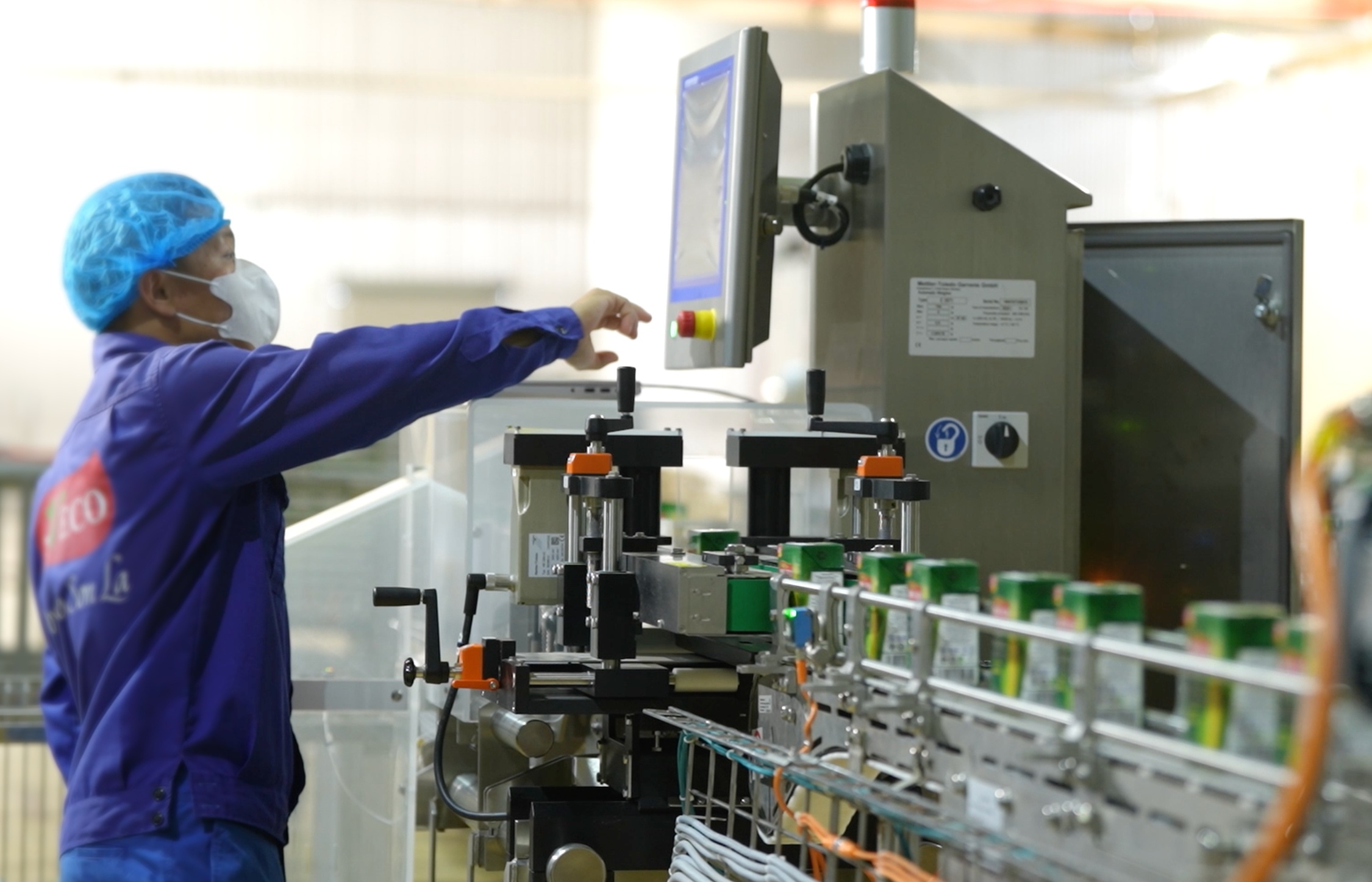 | Tetra Pak-Doveco launches Vietnam’s first Tetra Recart® packaging line Tetra Pak, a global leader in food processing and packaging solutions, announced on June 30 the inauguration of Vietnam’s first Tetra Recart® packaging line with Dong Giao Foodstuff Export JSC (Doveco). |
What the stars mean:
★ Poor ★ ★ Promising ★★★ Good ★★★★ Very good ★★★★★ Exceptional
 Tag:
Tag:Related Contents









Latest News


More News
- Manitoba seeks to deepen agricultural cooperation with Vietnam (June 17, 2026 | 16:09)
- Vietnam and US Treasury deepen financial cooperation (June 17, 2026 | 15:42)
- SLP Vietnam partner with J&T Express on automated sorting hub (June 17, 2026 | 15:29)
- Mondelez Kinh Do continues to win accolades with two sustainability awards (June 17, 2026 | 13:00)
- VATM signs aviation meteorology MoU with Japan's Weathernews (June 16, 2026 | 08:00)
- Vietnam, EU deepen cooperation on investment, tax transparency and green finance (June 15, 2026 | 17:45)
- Mechanical engineering drives Ho Chi Minh City’s growth in Q1 (June 15, 2026 | 15:00)
- Vietnam’s exports to US approach $70 billion in first five months (June 15, 2026 | 08:00)
- Proposing solutions to help Ho Chi Minh City achieve double-digit growth (June 14, 2026 | 08:00)
- Highlands Coffee opens 1,000th store in Hanoi (June 13, 2026 | 14:49)




 Mobile Version