

Constant Energy on Vietnam solar power and policy hurdles

Constant Energy Vietnam is a developer, owner, and operator of commercial and industrial rooftop solar solutions, and a member of Virya Energy – a global renewable energy platform operating in more than 15 countries across Europe and Asia.
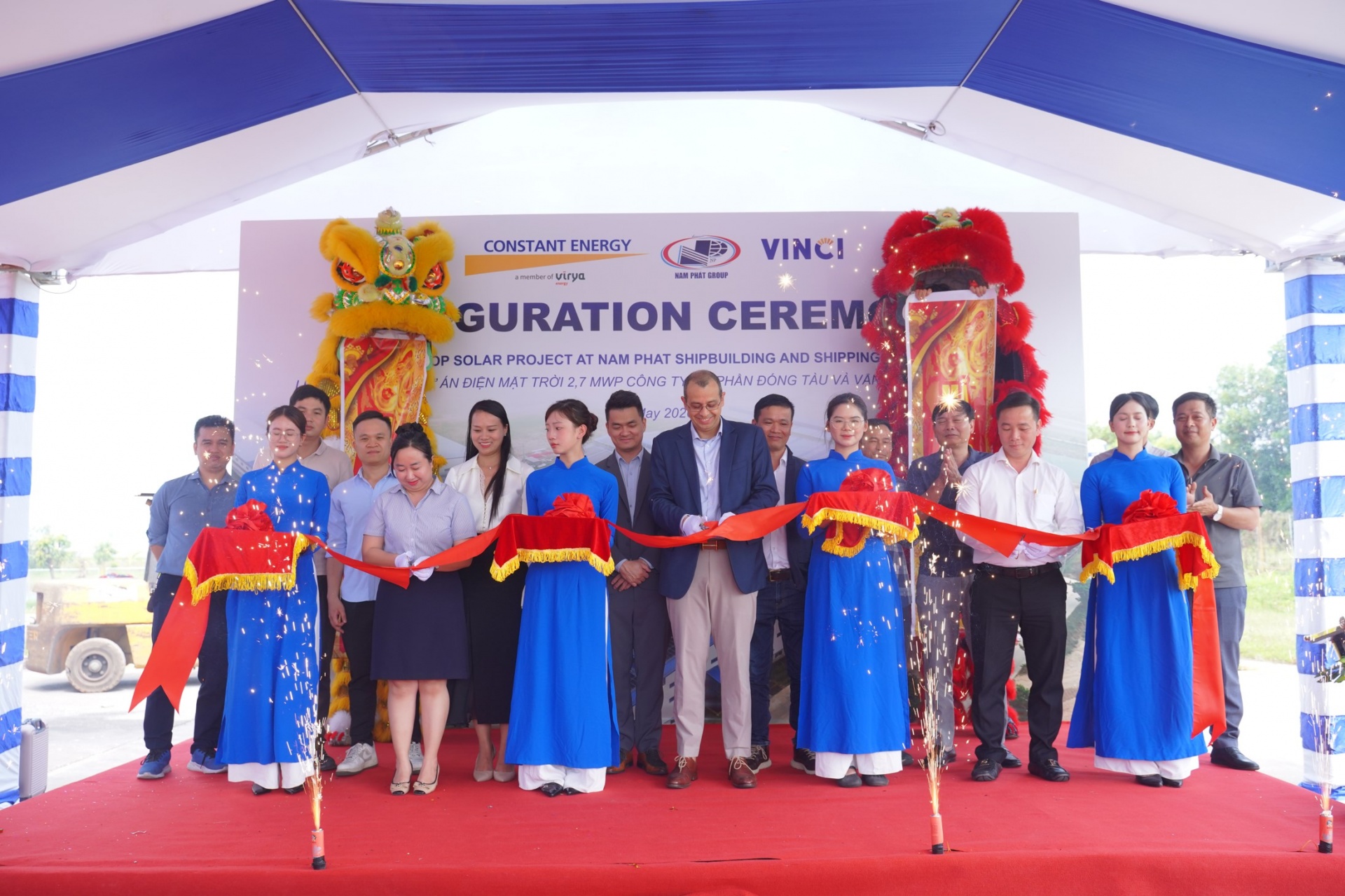 |
| Oscar Loza (centre) with the Constant Energy Vietnam team at an inauguration for a rooftop solar project in Quang Ninh |
What factors make Vietnam an attractive market for solar power development, particularly in the commercial and industrial segment?
Vietnam has strong natural advantages for solar power, with high levels of sunlight across the country. In previous years, support policies such as feed-in tariffs helped kick-start the market and raised awareness among businesses about renewable energy.
At the same time, demand for green electricity is growing rapidly, especially among foreign invested companies. Many multinational corporations now set strict environmental, social, and governance and sustainability requirements for their supply chains, pushing factories in Vietnam to shift towards cleaner energy sources. Many of Constant Energy’s clients in Vietnam such as those in textiles, plastics, and steel are under increasing pressure from carbon-related regulations like the Carbon Border Adjustment Mechanism (CBAM), which will apply to exports to Europe from 2026.
In reality, many businesses have already installed rooftop solar systems. However, these systems usually meet only about 12–20 per cent of their electricity needs. To move towards full renewable energy use, companies must combine alternative solutions, such as direct power purchase agreements (DPPA) and energy storage systems (BESS).
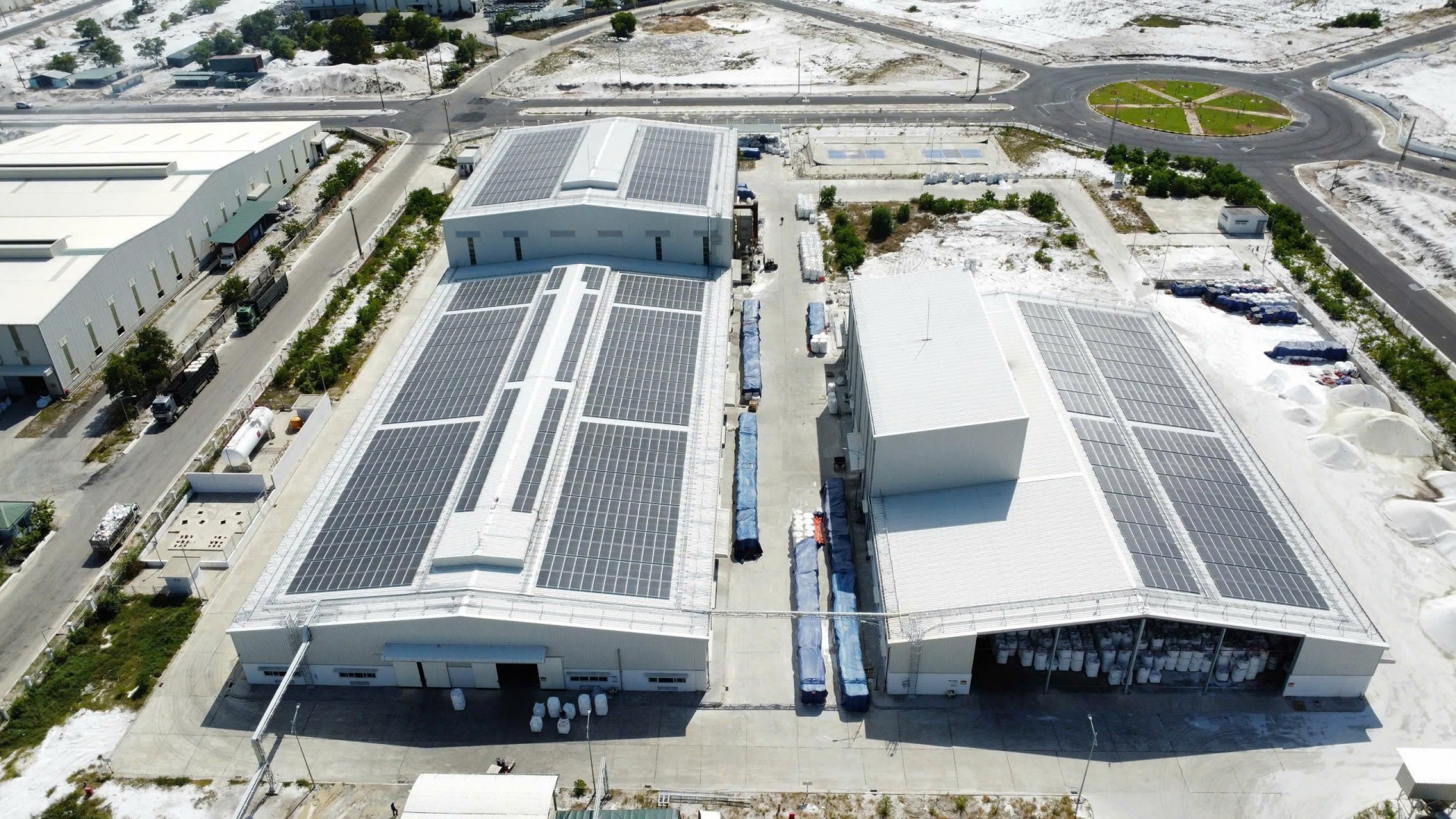 |
| A rooftop solar project developed by Constant Energy in Vietnam |
Despite growing demand for renewable energy, what key obstacles are currently limiting wider deployment of solar power and DPPA projects in Vietnam?
The most enduring challenge today is the incomplete legal framework. Although DPPAs are now allowed, many details remain unclear, such as licensing procedures and how projects should be implemented at the local level.
Another challenge relates to DPPA projects using private transmission lines, especially in industrial zones in northern Vietnam. While this model can reduce costs by using available rooftops, water surfaces, or nearby land, finding suitable land is difficult in practice. This limits the scale of development. On the other hand, DPPAs through the national grid allows power to be delivered from distant renewable sources, helping businesses access 100 per cent renewable electricity at more competitive prices.
Energy storage solutions like BESS are also important for stabilising the system and managing electricity costs. However, BESS is still expensive, and current industrial power prices are not attractive enough to encourage large-scale adoption.
What policy measures would you like to see from regulators to create a more favourable environment for renewable energy investment and help businesses accelerate decarbonisation?
To accelerate solar power development and attract more foreign investment, Constant Energy suggests improving the DPPA framework to make it clearer, more transparent, and more consistent across different regions, especially for projects using the national grid. Currently, approval processes and implementation rules vary from one locality to another.
For DPPA projects using private lines, there is still no clear pricing framework for similar types of electricity, making it harder for companies to move forward with investment and development.
Many of Constant Energy’s clients in Vietnam are key suppliers to global brands such as Adidas, Nike, and IKEA, all of whom are under increasing pressure to transition to renewable energy across their supply chains. This growing demand presents a huge opportunity for Vietnam to attract additional funding from abroad. However, clearer guidance and more detailed instructions on the legal implementation of solar power development and DPPA mechanisms would be critical to unlocking this potential. A more transparent regulatory environment would enable these suppliers to commit to long-term renewable energy solutions, therefore supporting Vietnam’s clean energy transition.
In Vietnam, Constant Energy focuses on delivering commercial and industrial rooftop solar solutions, helping businesses transition to cleaner energy and reduce carbon emissions. For large-scale project development in Vietnam, Constant Energy benefits from the strong support and expertise of our group, Virya Energy. With DPPA now in place, Constant Energy is ready to go beyond rooftop solar, leveraging the expertise and support of Virya Energy to enable access to large-scale renewable energy solutions.
 | Vinh Long strives to become major clean energy hub Vinh Long has identified industry and energy as one of three economic pillars to achieve development. |
 | Samsung Vietnam takes 28MWp rooftop solar system into operation Samsung Electronics HCMC CE Complex (SEHC), an electronics manufacturer based in Ho Chi Minh City, has brought a 28MWp rooftop solar power system into operation, marking a milestone in its sustainability strategy. |
 | Can Tho lures investments in renewable energy With a slew of large-scale energy ventures in the pipeline, Can Tho is realising its goal of becoming the Mekong Delta’s energy hub while laying the foundation for a green and sustainable growth strategy. |
What the stars mean:
★ Poor ★ ★ Promising ★★★ Good ★★★★ Very good ★★★★★ Exceptional
 Tag:
Tag:Related Contents

Latest News


More News
- DSV backs Vietnam's push for more sustainable logistics (August 04, 2026 | 17:10)
- Roche Pharma Vietnam appoints new general manager, reinforcing commitment to Vietnam healthcare (July 23, 2026 | 15:41)
- Key points when drafting a company charter to reduce disputes in Vietnam (July 20, 2026 | 08:00)
- AkzoNobel executive on sustainability as a manufacturing growth driver (July 10, 2026 | 14:53)
- LivWell expands holistic health ecosystem for businesses and communities in Vietnam (July 09, 2026 | 16:43)
- Thai beverage group sees Vietnam as long-term growth partner (July 02, 2026 | 08:30)
- AstraZeneca chief on Vietnam's healthcare financing shift (June 30, 2026 | 16:47)
- Vietnam emerges as one of VistaJet’s fastest-growing markets (June 18, 2026 | 16:21)
- Goldwind Asia chief on driving quality growth in wind sector (June 15, 2026 | 17:54)
- Karpowership on floating LNG as a bridge for Vietnam's energy needs (June 15, 2026 | 12:56)


Latest News




 Mobile Version