
DSV backs Vietnam's push for more sustainable logistics

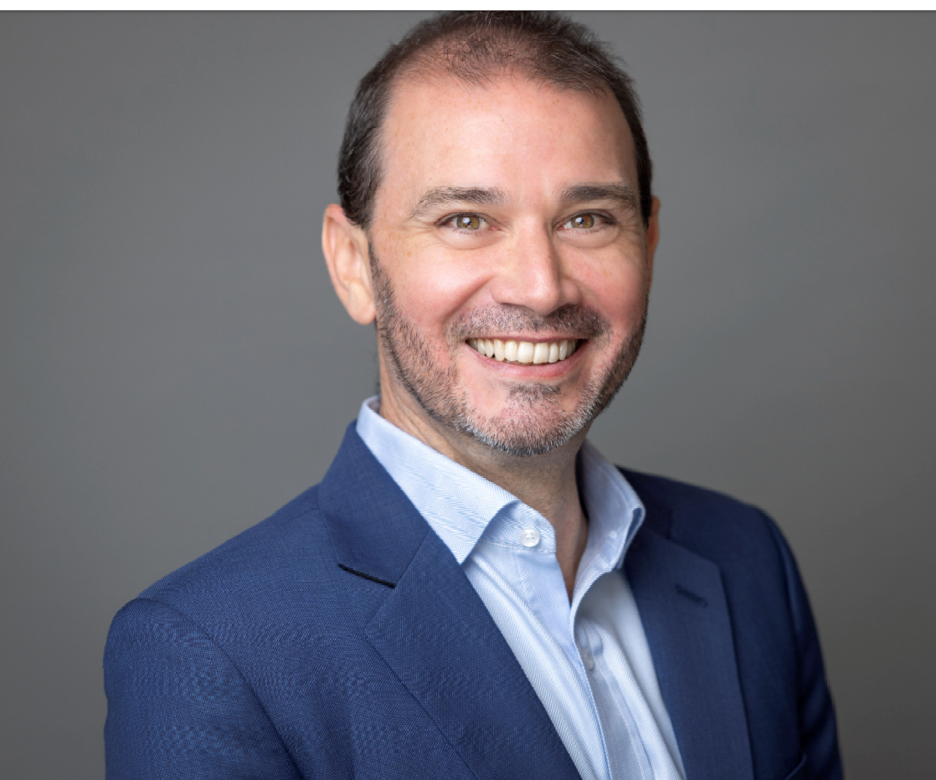 |
How is sustainability reshaping supply chains globally and in Vietnam?
Sustainability is fundamentally changing what customers expect from supply chains. Increasingly, multinational companies are more focused on two major priorities: decarbonised supply chains and circular economy solutions.
Today, decarbonisation is driving many customer conversations. Companies want access to lower-carbon transportation through battery electric vehicles, hydrotreated vegetable oil for road transport, sustainable marine fuel for ocean freight, and sustainable aviation fuel for air freight. They are also looking for logistics providers that can support energy-efficient and energy-producing warehouses, charging infrastructure, and transparent carbon reporting.
At the same time, circular economy requirements are rising rapidly. Customers are looking for partners that can support reverse logistics, circular packaging, repair services, waste recovery, and Extended Producer Responsibility (EPR) compliance. Increasingly, manufacturers are asking how products, packaging and materials can remain in circulation longer rather than becoming waste. As more customers get more sophisticated about closed-loop and circular product streams – so too do they expect similar sophistication from their logistics partners.
At DSV, we believe sustainability should start with impact. Too often, companies begin with reporting requirements or marketing solutions. Our philosophy is to first create real operational improvements that benefit customers and their customers, then scale, measure and report those outcomes. Sustainability is most effective when it is embedded into how supply chains operate every day.
How does DSV help customers balance sustainability investments with cost efficiency?
Not all sustainability initiatives are equal. Some require investment, such as battery electric vehicles, solar installations, charging infrastructure or advanced warehouse technologies. Others require operational excellence rather than capital expenditure, such as optimising transportation networks, reducing empty miles, improving warehouse utilisation, optimising operations tools like Building Management Systems (BMSs) and Warehouse Management System, or redesigning inventory flows.
Our approach follows a simple hierarchy. First, optimise the supply chain. The most sustainable tonne of carbon is often the tonne that was never created because waste and inefficiency were removed from the system.
Second, pursue direct decarbonisation through initiatives such as energy-efficient warehouses, rooftop solar, BEVs and lower-carbon fuels.
Third, where customers wish to go further, we can support indirect decarbonisation mechanisms such as book-and-claim solutions that help scale sustainable fuels across the market.
We evaluate sustainability investments the same way we evaluate any business investment. Some deliver direct financial returns. Others improve resilience, support customer requirements, reduce risk, enhance market access or strengthen compliance. The objective is not to maximise sustainability spending. The objective is to maximise business impact while supporting long-term decarbonisation goals.
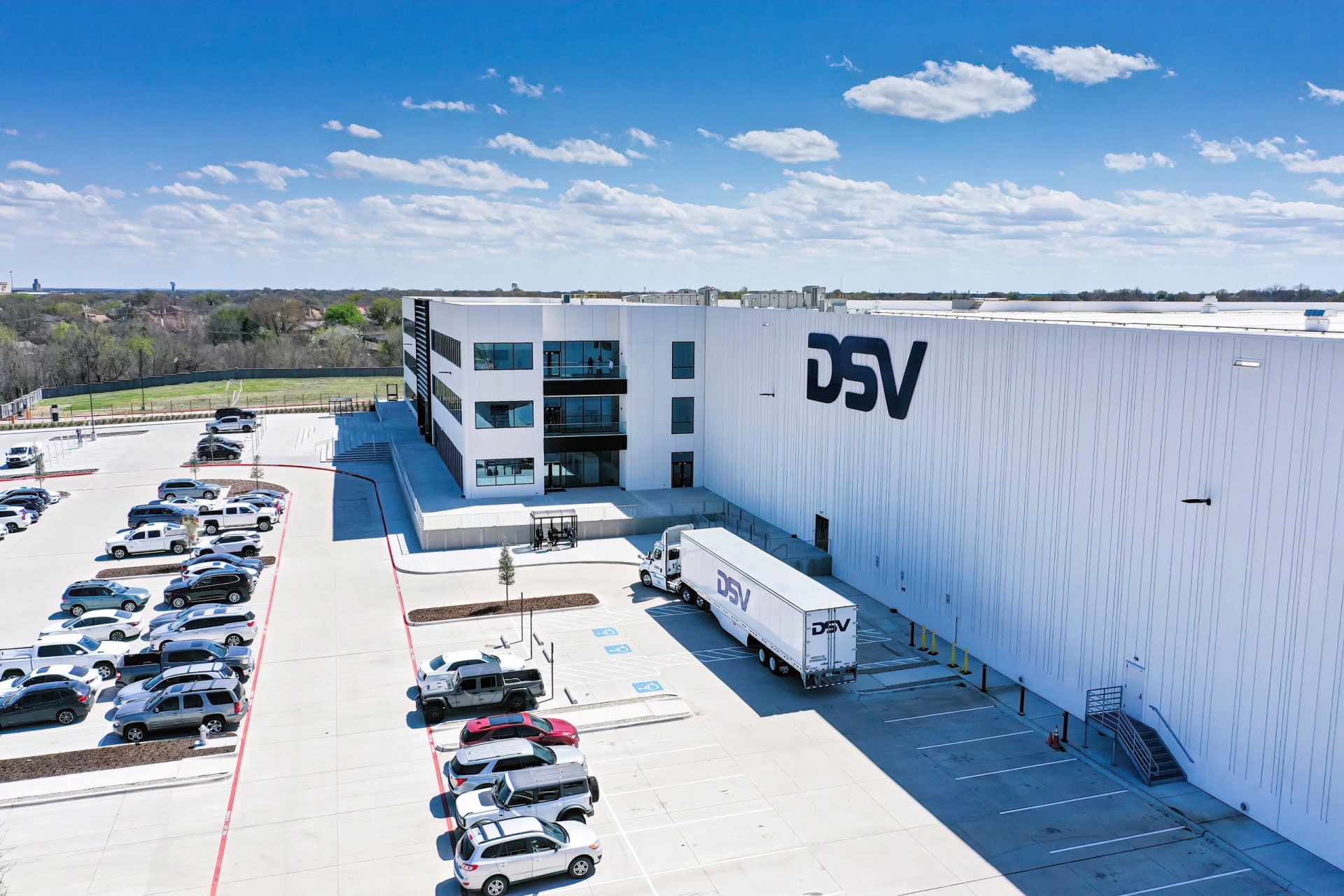 |
What is DSV doing to integrate sustainability into its logistics operations in Vietnam?
Sustainability is integrated into how DSV operates its facilities and logistics services in Vietnam. Our focus is practical: improving operational performance while reducing environmental impact. One important area is warehouse efficiency. We continue to invest in better lighting, optimised cooling systems, BMSs, and the electrification of material handling equipment. Before generating renewable energy, we believe it is important to first reduce and optimise energy consumption wherever possible.
We are also expanding rooftop solar installations at selected facilities as part of our broader effort to decarbonise warehouse operations. These projects are rarely done in isolation and often require close collaboration between customers, landlords, developers and utilities. Sustainability is ultimately a partnership effort.
In addition, we are helping customers prepare for the growing shift towards circular economy requirements. This includes reducing plastics usage, supporting circular packaging solutions, digitising processes to reduce paper consumption, and helping customers address extended producer responsibility (EPR) obligations that increasingly affect regional and cross-border supply chains.
Ultimately, our goal is simple: create real operational improvements first, then scale and measure the benefits. By making logistics operations more efficient, we can support both business performance and sustainability outcomes at the same time.
How is DSV partnering with industrial park operators and manufacturers to advance sustainability across the supply chain?
Partnership is at the heart of sustainability. Many people imagine sustainability as something a single company can implement on its own. In reality, some of the most impactful projects require coordination across multiple stakeholders.
For example, a warehouse solar project may involve the logistics provider, the customer, the landlord, the solar developer, the fire prevention and fighting police, and the local utility provider. The technology itself is often the easy part. Aligning all the stakeholders is usually the greater challenge.
The same applies to decarbonised transportation, charging infrastructure and circular economy solutions.
With manufacturers, we are increasingly supporting transportation and warehousing along with repair services, reverse logistics, circular packaging programmes, waste recovery streams and EPR compliance logistics. We are also seeing growing interest in designing supply chains for circularity from the outset–making products easier to repair, recover, refurbish or disassemble.
The next phase of sustainability will be driven by ecosystems working together, rather than individual companies acting independently.
| DSV's purpose is to keep customers' supply chains flowing, moving millions of shipments annually by air, sea, road, and rail around a world in constant change. Its vision is to create long-term, sustainable growth and value for customers, employees, shareholders, and society. Visit dsv.com Head office in Vietnam: 8th Floor, E.Town 6 Building, 364 Cong Hoa Street, Tan Binh Ward, Ho Chi Minh City, Vietnam Phone number: +8428 3948 7800 Email: info@vn.dsv.com |
 | DSV to remain competitive in a demanding market Vietnam’s logistics industry has emerged as one of the fastest-growing sectors globally in recent years, fuelled by a surge in foreign companies entering the market. Eric Herding, managing director of DSV Air and Sea Vietnam, talked to VIR’s Linh Le about the potential of Vietnam’s logistics market and how companies can make strategic investments in the country’s infrastructure. |
 | Green logistics vital for businesses to join global supply chain Vietnamese logistics businesses have been urged to go green to meet sustainability requirements and join the global supply chain. |
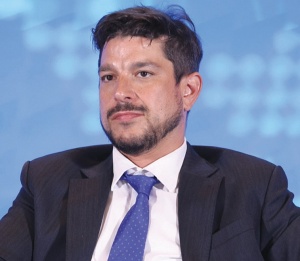 | The key to digital investment is a human mindset Digital transformation helps businesses remain competitive in a logistics market challenged by unpredictable economic and political shifts worldwide. Eric Herding, managing director of DSV Air & Sea Vietnam spoke with VIR’s Hong Nam about how logistics companies should make digital and green transformation a priority, guided by clear goals and human communication. |
What the stars mean:
★ Poor ★ ★ Promising ★★★ Good ★★★★ Very good ★★★★★ Exceptional
 Tag:
Tag:Related Contents
Latest News




More News
- DKSH's blueprint for resilient supply chains (September 14, 2026 | 14:00)
- Vietnam’s challenge to turn market reform into long-term capital (September 08, 2026 | 09:16)
- Smarter infrastructure design key to Vietnam’s AI ambitions (August 24, 2026 | 16:27)
- Strategic vision key to high-speed rail success in Vietnam (August 07, 2026 | 10:03)
- Roche Pharma Vietnam appoints new general manager, reinforcing commitment to Vietnam healthcare (July 23, 2026 | 15:41)
- Constant Energy on Vietnam solar power and policy hurdles (July 22, 2026 | 08:00)
- Key points when drafting a company charter to reduce disputes in Vietnam (July 20, 2026 | 08:00)
- AkzoNobel executive on sustainability as a manufacturing growth driver (July 10, 2026 | 14:53)
- LivWell expands holistic health ecosystem for businesses and communities in Vietnam (July 09, 2026 | 16:43)
- Thai beverage group sees Vietnam as long-term growth partner (July 02, 2026 | 08:30)



Latest News





 Mobile Version