
Visa calls for real-time controls in travel expense management

 |
| Photo: Visa |
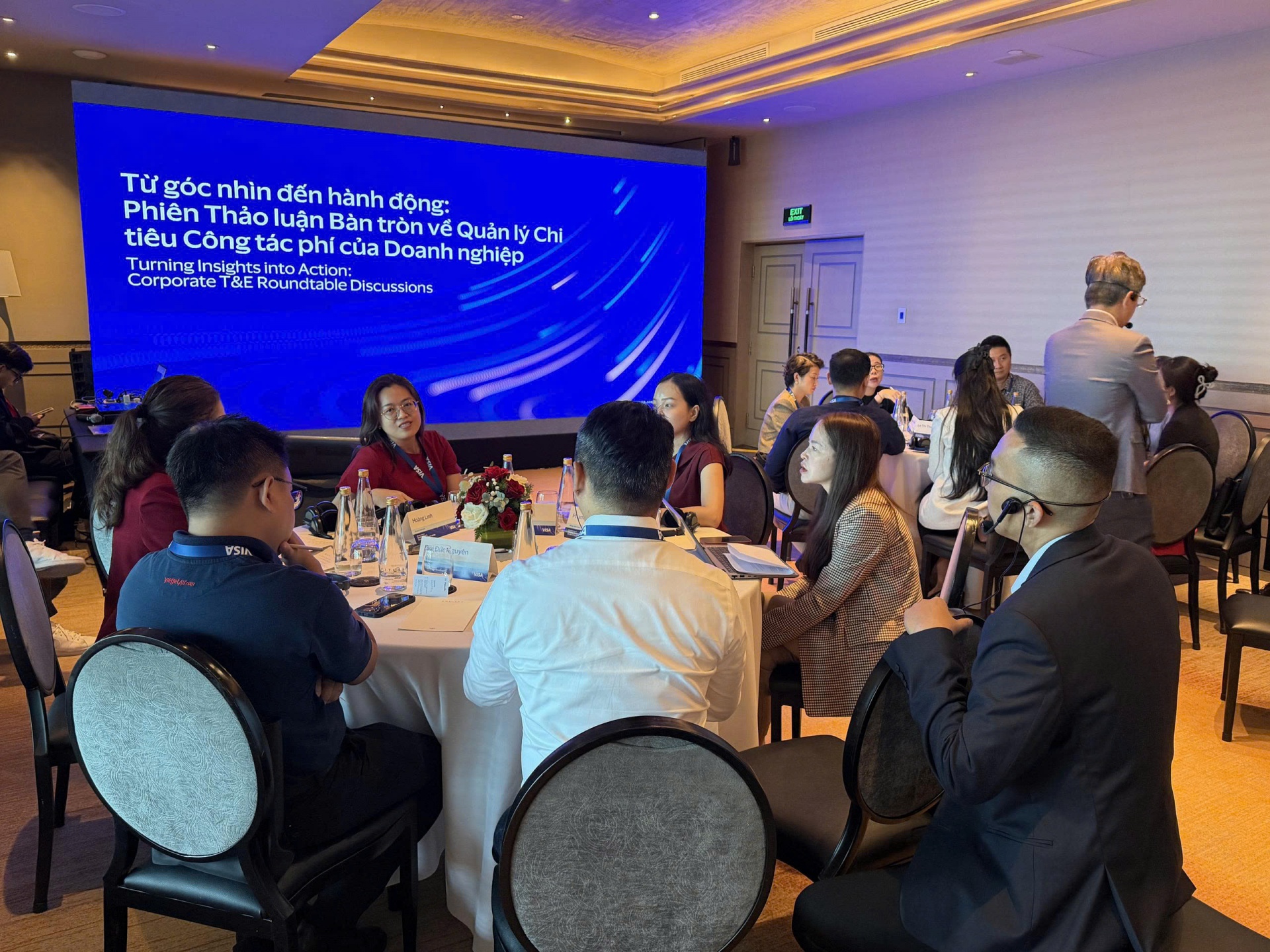
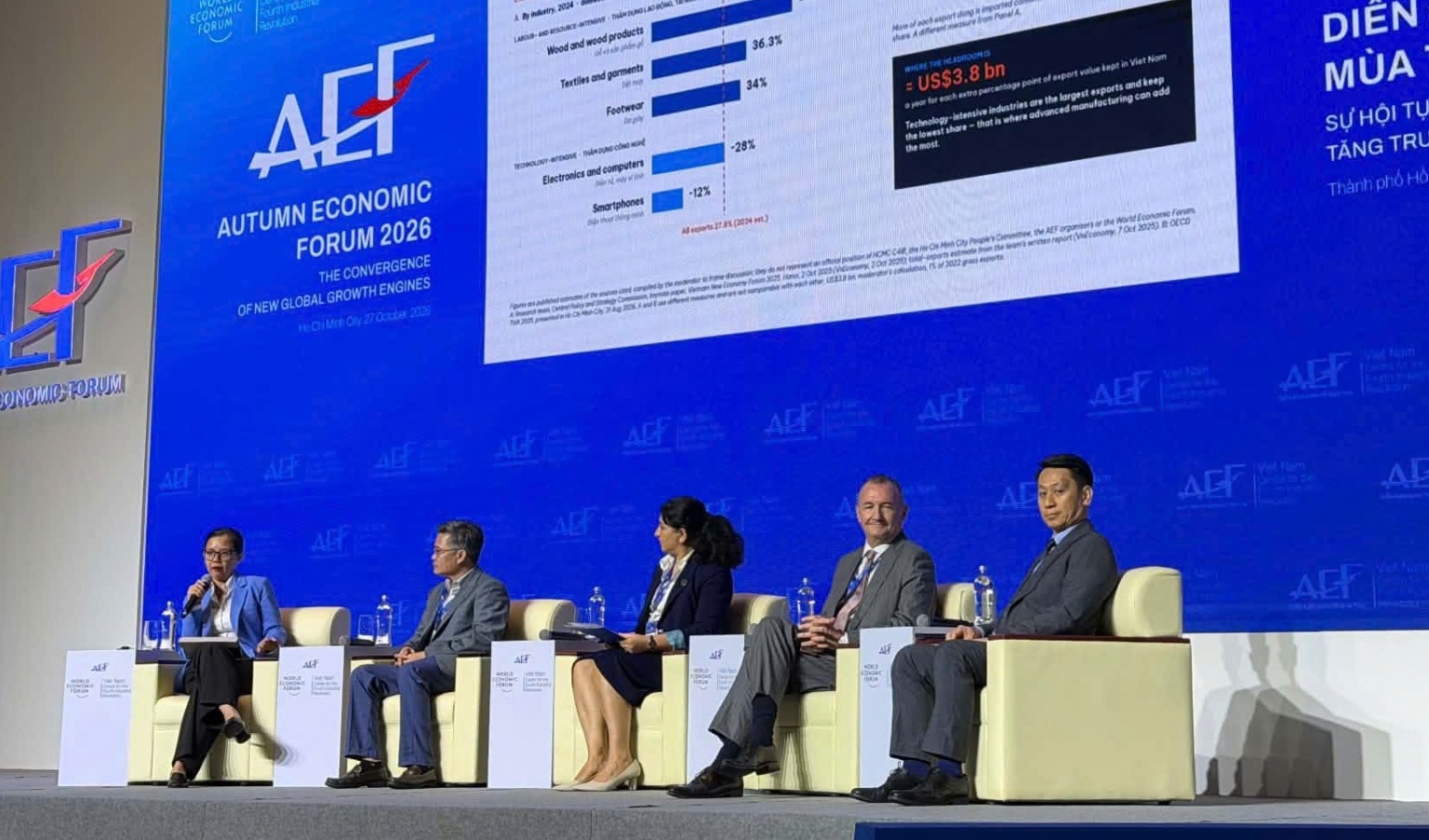
At the 2026 Visa Commercial Travel Forum in Ho Chi Minh City on October 30, industry leaders explored how connected payments, integrated data, and effective programme design can help businesses align spending with corporate policies while supporting productivity and growth.
The challenge is not simply that business travel is becoming more expensive, but that business spending is growing faster than many organisations’ ability to monitor and manage it. Closing this gap requires more than improving reimbursement processes or strengthening post-trip audits. Businesses have an opportunity to move expense control upstream, connecting payment controls, travel policies, and spending data so that spending can be managed earlier in the travel journey.
For finance leaders, the opportunity extends beyond improving expense processing. Greater connectivity between payments, policies, and data can provide earlier visibility into spending, strengthen financial discipline, and enable more proactive management of corporate expenditure.
The forum’s roundtable discussions examined how enterprises can assess the business value of travel, balance global travel and expense (T&E) standards with local requirements, and identify opportunities to automate processes while addressing foundational gaps.
According to the Global Business Travel Association (GBTA), global business-travel spending is forecast to reach $1.71 trillion in 2026, up 7.2 per cent, while trip volume is projected to grow by just 1.3 per cent. Spending is therefore increasing approximately 5.5 times faster than the number of journeys and is expected to exceed $2 trillion by 2030.
Vietnam’s business-travel spending is forecast to reach $6 billion in 2026, up 13.2 per cent, the highest projected growth rate in Southeast Asia and nearly twice the global rate. Five sectors, led by computer, electronic, and optical products, as well as rubber, plastics, and minerals, account for around half of national business-travel spending.
As budgets expand, fragmented payment methods and disconnected data can make it harder for enterprises to identify spending patterns, enforce policies, and make timely decisions. GBTA survey data presented at the Forum shows that 46 per cent of surveyed business travellers use personal rather than corporate cards for business trips, citing better rewards. Meanwhile, 40 per cent say reimbursement takes too long, and 27 per cent report long waits to receive corporate cards after approval. These challenges can leave finance teams with incomplete spending data while adding friction for employees.
Forum discussions highlighted four interconnected challenges: fragmented payments, limited spending visibility before expenses are submitted, manual reporting and reimbursement, and difficulties enforcing policy compliance and expense integrity. Together, these gaps increase administrative workloads, make it harder to address exceptions early, and limit finance teams’ ability to manage costs effectively.
“Business travel spending is growing much faster than the number of trips being taken, and that changes the equation for every finance leader. A post-trip audit tells a company what it has already spent, but it cannot change the outcome of that transaction. Control needs to move closer to the decision and the payment, so policies can be applied when spending is committed and finance teams have access to complete, actionable data rather than having to reconstruct it afterwards,” said Gareth Parrington, head of Visa Commercial Solutions, Regional Southeast Asia.
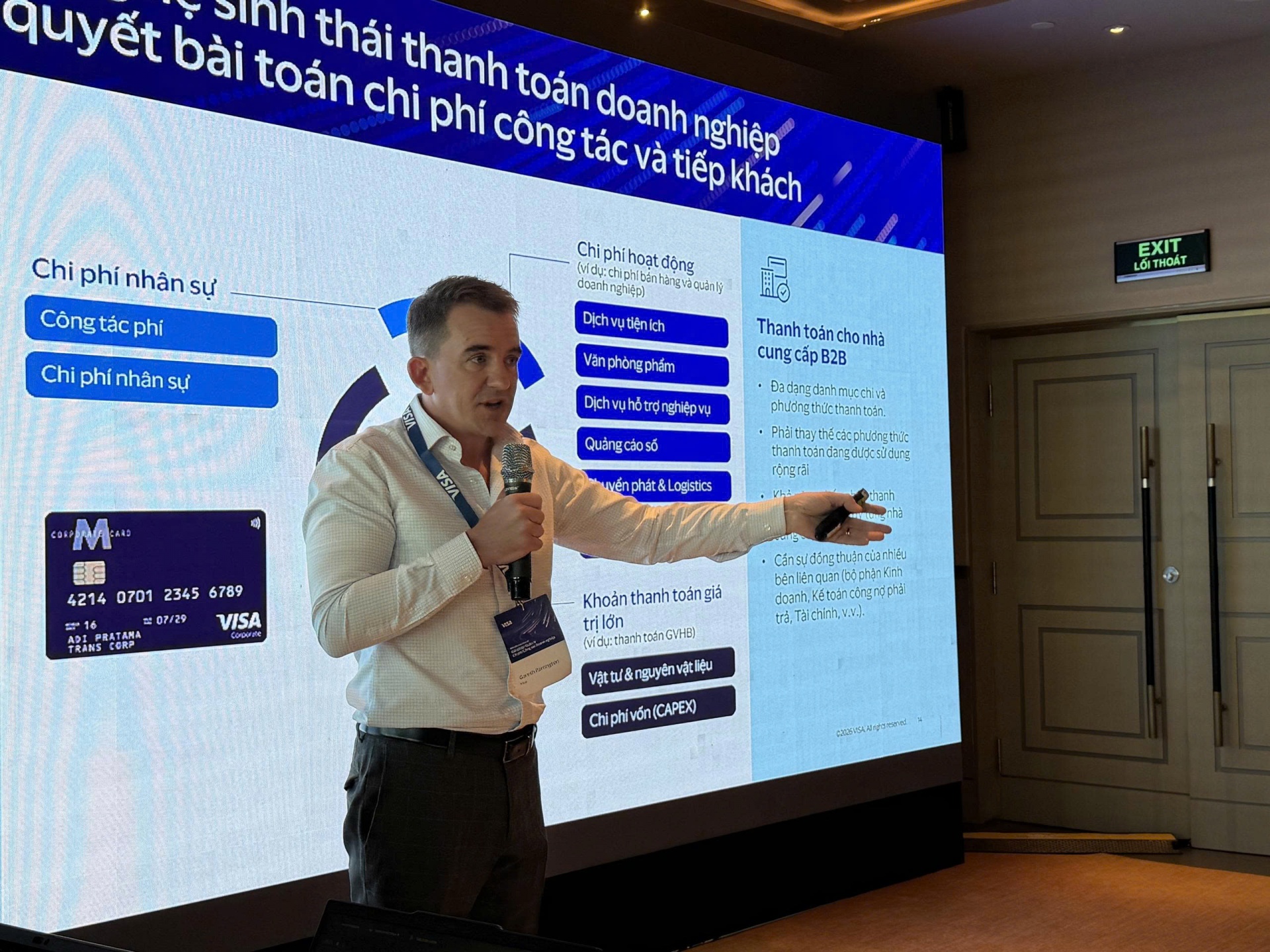 |
| Gareth Parrington, head of Visa Commercial Solutions, Regional Southeast Asia. Photo: Visa |
To help businesses make this shift, Visa brings together commercial payment capabilities, payment controls, spend visibility, and compliance solutions designed to connect payments, policies, and data across the business travel journey.
These include the Visa Corporate Card, available in physical and virtual formats; the Central Travel Account, which supports payments for air and rail tickets and travel management company booking fees; and Visa Virtual Cards, which facilitate on-demand payments for infrequent and other travellers.
Complementary tools include Visa Spend Clarity, Visa Payment Controls, and Visa IntelliLink Compliance Management. Visa’s data solutions can match booking information with transaction data and transmit the results to corporate reporting or accounting systems. Integration with existing expense management and procurement platforms can further reduce manual data entry and streamline workflows.
Together, these capabilities can help enterprises embed approved payment processes where spending occurs, connect payment and travel data, and identify exceptions earlier. Before travel, automated, real-time card deployment within travel systems can streamline bookings and support approved payment processes. During travel, centrally billed virtual card accounts can support in-trip expenses while helping companies manage travel costs. After travel, consolidated booking, transaction, and invoice data can support automated reconciliation and more timely reporting.
By connecting payments, policies, and data, enterprises can gain a more comprehensive view of business travel spending, identify exceptions earlier, and make better-informed decisions about budgets and supplier relationships. Travellers can also benefit from clearer payment processes and a more straightforward way to manage approved business expenses.
A key takeaway from the Visa Commercial Travel Forum 2026 was that stronger spending control and a better traveller experience need not be competing priorities. With effective programme design, businesses can strengthen governance while reducing friction for employees, enabling finance teams to focus less on manual reconciliation and more on strategic financial management.
As Vietnam’s business-travel market continues to grow, enterprises have an opportunity to move beyond recording expenditure towards T&E programmes that connect policy, payments, and data to support better decisions throughout the travel journey. Visa remains committed to working with enterprises, financial institutions, and travel and expense partners to help build more connected, efficient, and transparent commercial payment experiences.
 | Visa backs Digital Finance Day 2026 to promote safe digital payments Visa has shown its support for Digital Finance Day, an annual event organised by Tuoi Tre Newspaper under the direction of the State Bank of Vietnam, reinforcing its commitment to advancing safe and inclusive digital payments across the country. |
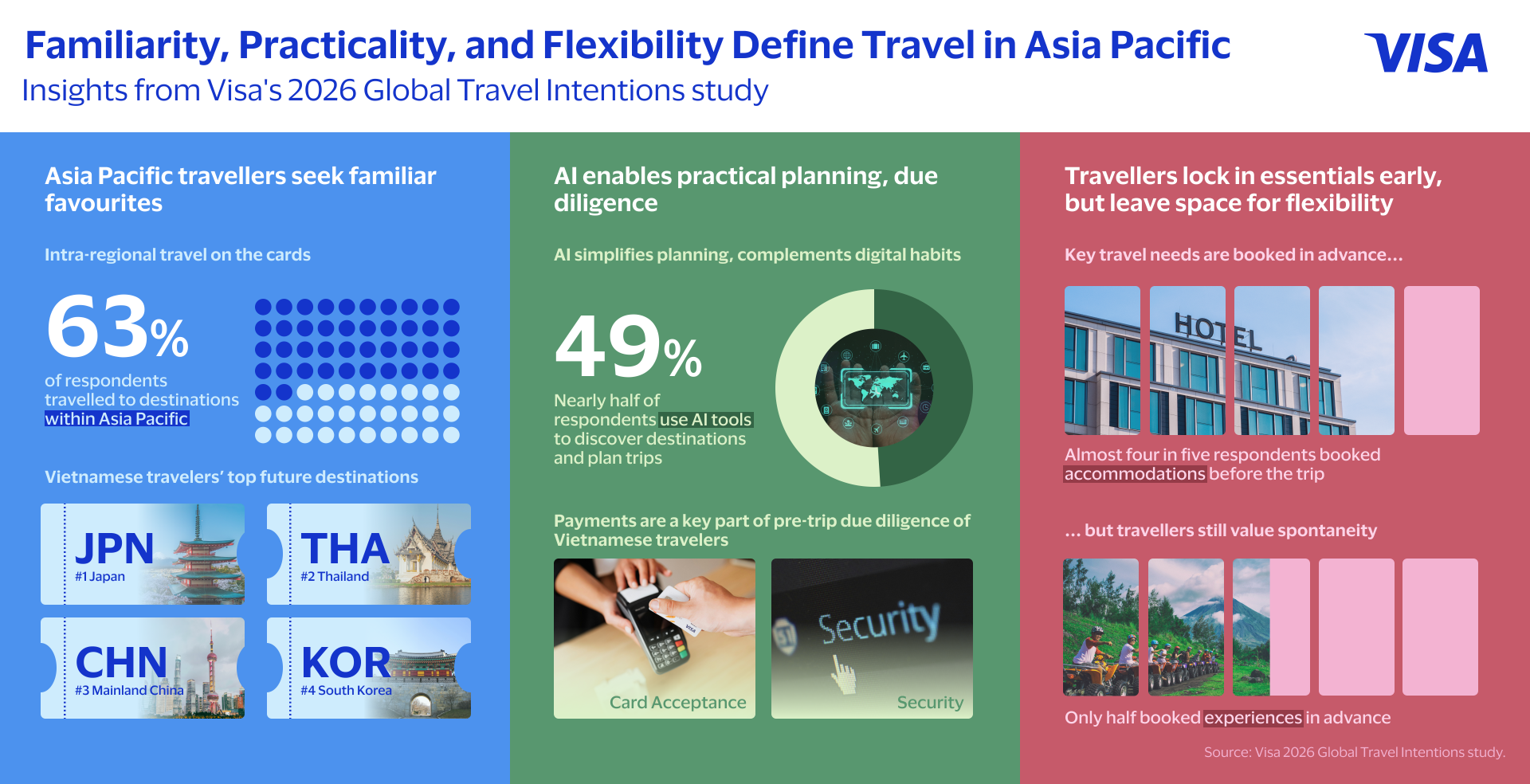 | Vietnam gains popularity as Asia-Pacific tourists prioritise familiarity, flexibility: Visa report Vietnam is emerging as an increasingly attractive destination for Asia-Pacific travellers, as more prioritise familiarity, practicality, and flexibility in an evolving global environment, according to Visa’s 2026 Global Travel Intentions study on June 25. |
 | Visa reinforces commitment to Vietnam’s growth ambitions Visa has reaffirmed its long-term commitment to Vietnam through continued investment in technology, digital infrastructure, and strategic partnerships that help drive the country's digital and economic ambitions. |
What the stars mean:
★ Poor ★ ★ Promising ★★★ Good ★★★★ Very good ★★★★★ Exceptional
 Tag:
Related Contents





Latest News
More News
- JCB partners with Hanoi Metro to introduce contactless payment (October 30, 2026 | 14:04)
- Visa reinforces commitment to Vietnam’s growth ambitions (September 25, 2026 | 13:54)
- VIB: customers need more value, not necessarily more cards (August 20, 2026 | 15:15)
- VIB launches One Card, ushering in a new era of credit cards (August 05, 2026 | 15:38)
- VIB's pre-tax profit reaches over $199 million (July 27, 2026 | 20:22)
- Vietnam’s consumer finance market shifts from expansion to sustainable quality (July 18, 2026 | 08:00)
- Bach Hoa Xanh and BNP Paribas Vietnam sign sustainability-linked trade facility agreement (July 17, 2026 | 16:13)
- NAPAS and TikTok Shop partner to expand digital payments (July 08, 2026 | 16:10)
- M-DAQ Global makes strategic move into Vietnam's payments market (July 07, 2026 | 16:32)
- Launch of Vietnam's Vietnam's first non-physical international debit card (June 26, 2026 | 16:14)








 Mobile Version