
Vietnamese exporters adapting to Middle East disruptions

 |
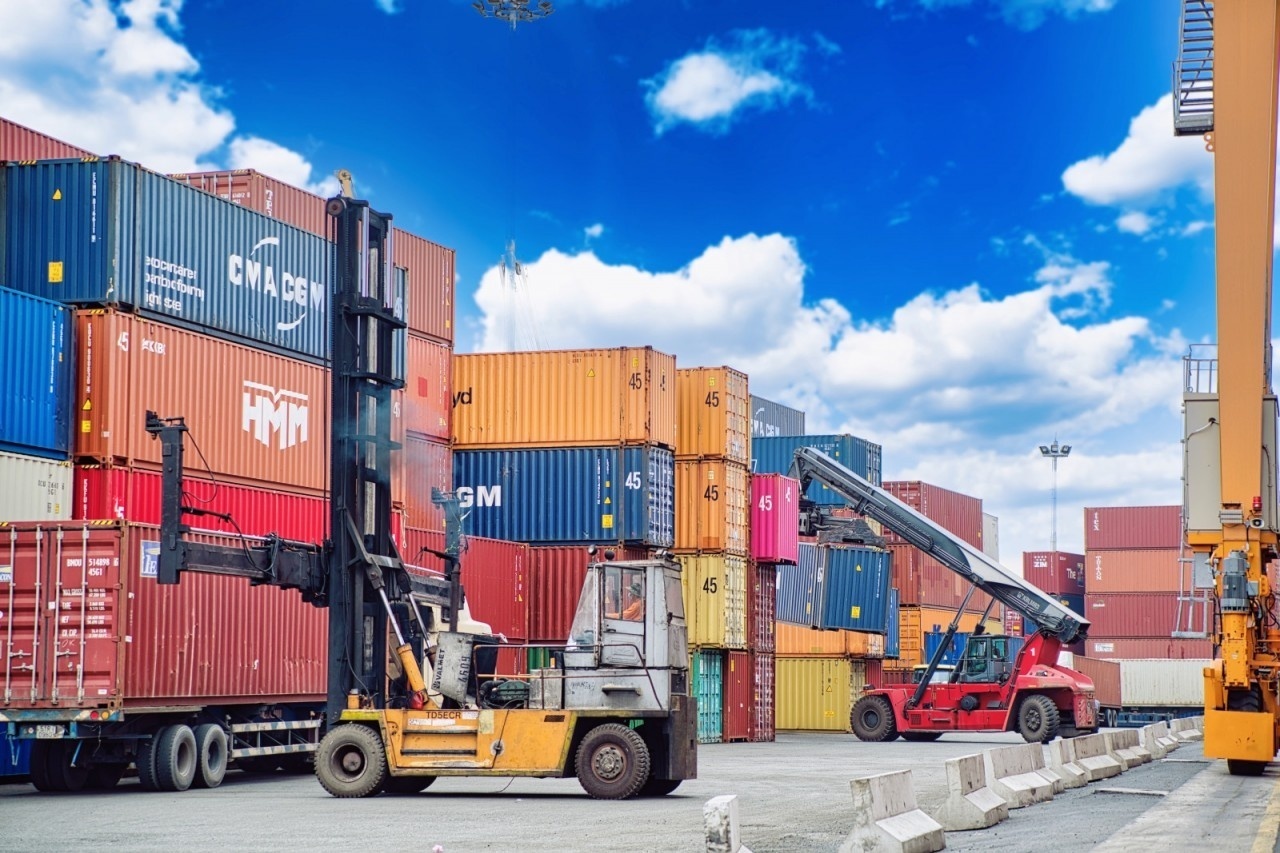
| Photo: Baodautu.vn |
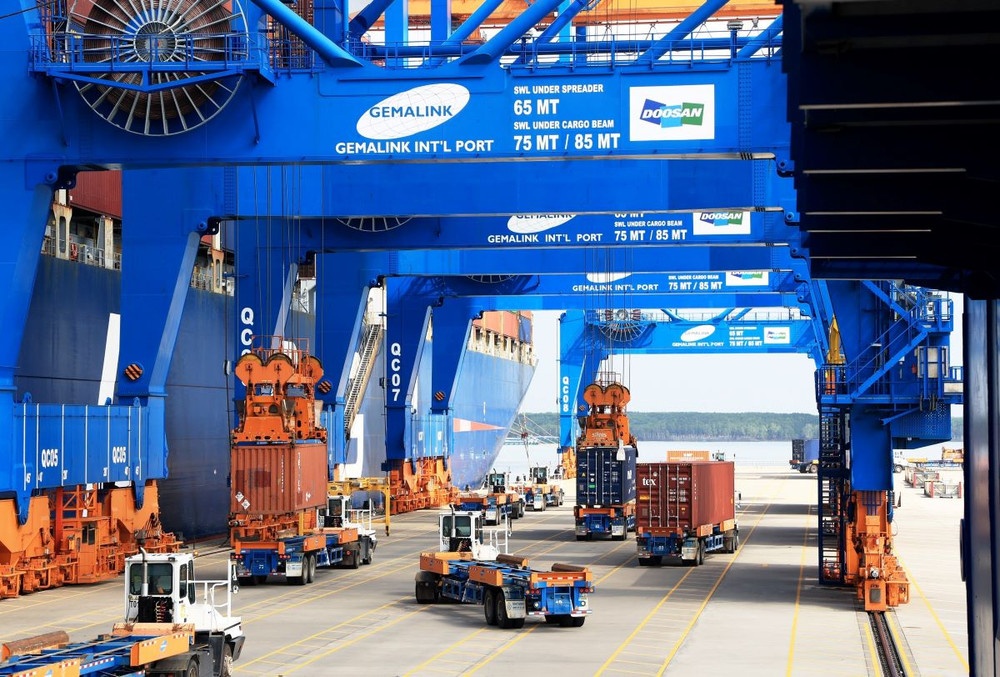
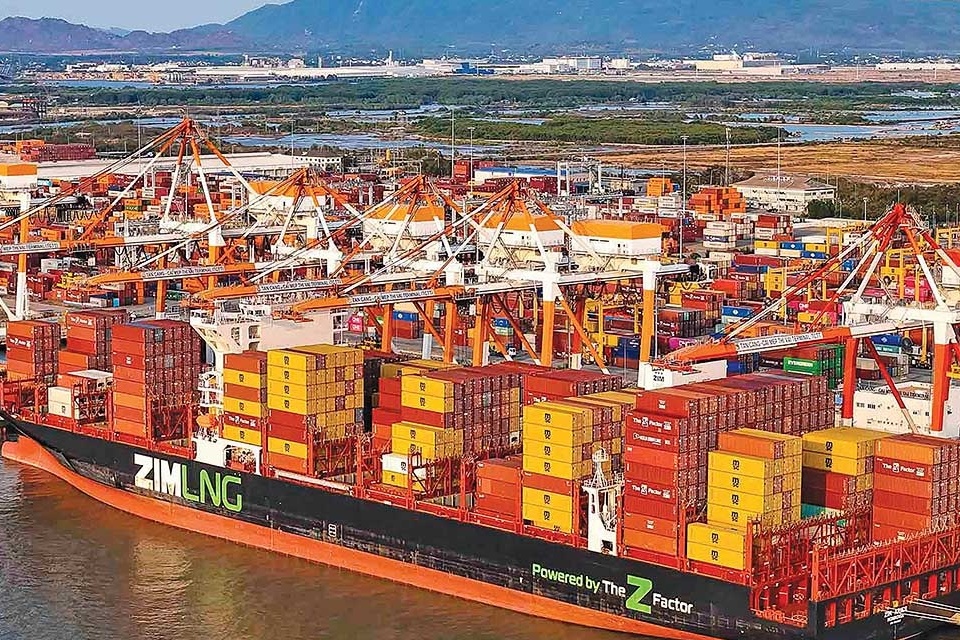
Speaking at a seminar on market opportunities amid the Middle East conflict on March 13, Nguyen Tuan Viet, director of export promotion company Vietgo, said geopolitical tensions in the region are creating significant disruptions to global trade as freight rates rise and transportation times lengthen.
However, Viet noted that amid mounting risks, several Vietnamese enterprises are spotting opportunities to broaden their market reach, particularly in sectors such as agricultural products, textiles, and wood products.
“Fresh agricultural produce, especially fruits with short shelf lives, is witnessing a sharp rise in demand from international markets,” he said. “The sudden surge in orders reflects the need for alternative supply sources, particularly from Europe.”
According to Viet, the main reason is the disruption of supply from the Middle East and neighbouring countries. In the past, nations such as Israel and Iran, known for their strengths in high-tech agriculture, were major suppliers of clean agricultural products to Europe, benefiting from geographic proximity and lower transport costs.
However, as the conflict disrupts production and logistics in the region, many markets are being forced to seek alternative suppliers.
Huynh Thi Ngoc Hanh, director of Miss Cara Co., Ltd., which specialises in exporting to the European market, said that in addition to agricultural products, the company has also been fulfilling orders for garments and wood pellets in Europe. Despite the complicated situation in the Middle East, Cara’s shipments have continued to move steadily in recent days.
“If businesses can seize the opportunity, this could be the right time for Vietnamese enterprises to reposition themselves and secure more orders,” Hanh said.
“Over the past week, our containers of fresh fruit have continued to be shipped regularly. When market demand is strong, logistics providers will find ways to meet it. In Europe, although there are some impacts, the situation remains manageable, though freight and port handling costs are higher than before,” she added.
Hanh also noted that shipping costs to China remain relatively stable and have not fluctuated as sharply as many other international routes. Amid rising global logistics costs due to geopolitical tensions and fuel price volatility, freight rates to this market have largely remained unchanged.
According to the Ministry of Industry and Trade, China will continue to be a promising export market this year, with many Vietnamese companies increasingly shifting their focus to the market.
In addition, exports to China are generally less demanding in terms of standards compared with some other markets. However, businesses must pay close attention to requirements related to plantation area codes and packaging facility codes. Meeting these conditions will help facilitate smoother exports and reduce risks in trade transactions.
Viet also said the export community appreciates the role of the government, particularly the overseas trade office network under the Ministry of Industry and Trade, in providing market information and supporting businesses in expanding their reach.
At the same time, continued investment in port infrastructure across several regions is creating better conditions for export activities.
“This is the time to change perspectives,” Viet said. “In an increasingly volatile global economy, businesses that remain flexible, proactive in accessing information, and well-prepared in terms of supply will have greater opportunities to expand markets and strengthen their position in international trade.”





What the stars mean:
★ Poor ★ ★ Promising ★★★ Good ★★★★ Very good ★★★★★ Exceptional
 Tag:
Tag:Related Contents




Latest News





More News
- Sojitz in Vietnam: 40 years from individual projects to a business cluster 'KATAMARI' (October 08, 2026 | 09:00)
- Coteccons targets 'Quality Growth' with 25 per cent dividend plan (October 07, 2026 | 13:00)
- Vietnam Education Forum opens UK Education Mission's Hanoi visit (October 07, 2026 | 12:27)
- Tax authorities deactivate TINs of nearly 180,000 businesses (October 07, 2026 | 12:08)
- World Bank raises Vietnam's 2026 GDP growth forecast to 7.4 per cent (October 07, 2026 | 11:41)
- Vietstock 2026 to spotlight livestock innovation and green transition (October 07, 2026 | 09:00)
- Vietnam’s GDP grows over 9 per cent in first nine months (October 05, 2026 | 18:45)
- Vietnam earns $56.3 billion from agro-forestry-fishery exports (October 05, 2026 | 18:32)
- DSV balances resilience and decarbonisation in supply chains (October 05, 2026 | 18:20)
- Electronics exports reach $175.4 billion in the first nine months (October 05, 2026 | 18:12)



Latest News




 Mobile Version