
Cost increases trigger supply chain overhauls for businesses

 |
Another 42 per cent cap their tolerance for tariff-related cost increase at 40 per cent–a threshold far lower than expected, according to the survey published on June 4.
This is Deloitte's fifth study on the evolving complexity of the tax and business environment of the region. With the evolvement of the business landscape, this year's study takes a sharper, more executive-focused lens, capturing perspectives from tax leaders and C-suite decision makers. The result is a concise view of what shapes business decisions today, and how tax and tariff considerations influence strategic decisions.
Deloitte's 2025 Asia Pacific Tax & Tariff Complexity Survey, conducted between August 1 to September 21, 2025, has received inputs from 363 senior executives from a diversified industrial background across the region.
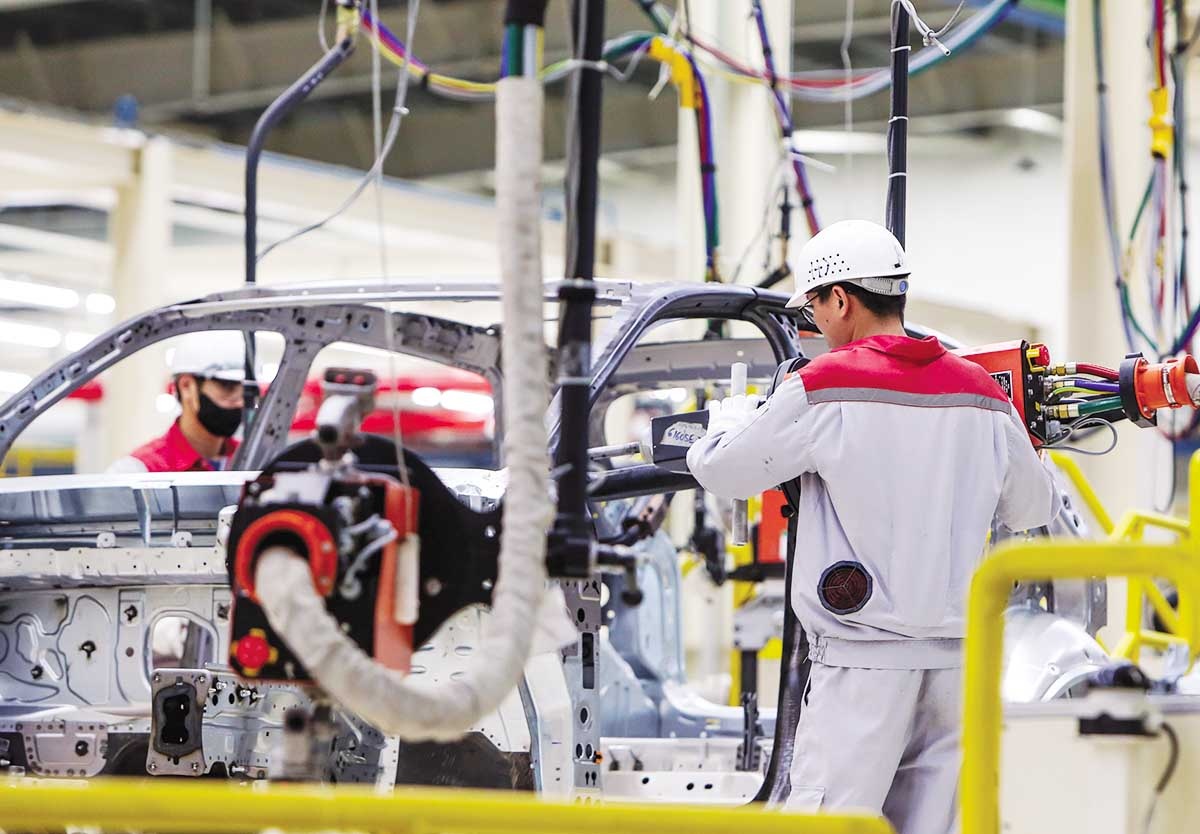
Instead of relying heavily on price adjustments to absorb tariff shocks, executives now view them more as short‑term stopgaps rather than viable long‑term strategies. This shift in mindset reflects a broader recalibration: leaders are increasingly prepared to rethink their operating models when cost pressures intensify, signalling a more proactive and strategic approach to supply‑chain resilience.
Nearly 70 per cent of respondents indicated that their primary focus in supply chain decisions has shifted from minimising costs to focusing on reliability, stability, or strategic alignment. This integrated approach has encountered several key internal obstacles beyond macroeconomic volatility.
More than half of those surveyed cited operational challenges as stemming from internal gaps–insufficient processes, limited data capabilities, critical skill shortages, and workforce downsizing–making up 51 per cent of the total. As a result, transforming the tax operating model has moved rapidly up the C-suite agenda. Operational readiness is no longer a baseline expectation, but a true competitive differentiator.
“Vietnam is one of the markets directly impacted by shifts in regional supply chains, so the survey findings closely reflect what we have observed while working with businesses here,” said Bui Tuan Minh, Deloitte Vietnam Tax & Legal leader.
“Many business leaders are placing greater emphasis on reliability and operational readiness rather than focusing solely on tax costs. Amid significant changes to the domestic tax and legal framework, we believe that elevating the tax function from compliance to strategic decision support will help businesses respond more effectively to future uncertainties.”
To help organisations navigate this complexity, Deloitte introduces the Strategic Response Compass. The compass orients decisions around three critical pillars: Cost Signals (pricing and cash flow sensitivity as catalysts for change), Alignment (supply chain and stakeholder ecosystems as connective strength), and Enablement (digital and operational readiness as engines of transformation).
Eunice Kuo, Deloitte Asia Pacific Tax & Legal leader, said that at the regional level, “tax and tariff volatility has shifted from a background issue to a central factor for any business. Treat cost signals as early warnings, align ecosystems beyond cost, and embed digital enablement at the core. Those that act on these imperatives will not only withstand shocks but will transform volatility into foresight, momentum, and lasting competitive advantage.”
 | Tax sector eyes 20 per cent GDP revenue mobilisation in 2026-2030 The Finance Ministry has tasked the tax sector with boosting budget revenue mobilisation, expanding taxation in the digital economy and accelerating smart tax administration reforms for 2026-2030. |
 | Tax circular amendments aim to ease import-export procedures The Ministry of Finance is accelerating reforms to modernise import-export tax administration, expand digitalisation, and create a more transparent regulatory framework. |
 | Vietnam moves towards data-driven tax administration Vietnam’s tax system is being urged to accelerate the adoption of big data, AI and digital technologies across the entire tax management process. The long-term goal is to build a modern, intelligent and internationally aligned tax governance system. |
What the stars mean:
★ Poor ★ ★ Promising ★★★ Good ★★★★ Very good ★★★★★ Exceptional
 Tag:
Tag:Related Contents



Latest News




More News
- Sojitz in Vietnam: 40 years from individual projects to a business cluster 'KATAMARI' (October 08, 2026 | 09:00)
- Coteccons targets 'Quality Growth' with 25 per cent dividend plan (October 07, 2026 | 13:00)
- Vietnam Education Forum opens UK Education Mission's Hanoi visit (October 07, 2026 | 12:27)
- Tax authorities deactivate TINs of nearly 180,000 businesses (October 07, 2026 | 12:08)
- World Bank raises Vietnam's 2026 GDP growth forecast to 7.4 per cent (October 07, 2026 | 11:41)
- Vietstock 2026 to spotlight livestock innovation and green transition (October 07, 2026 | 09:00)
- Vietnam’s GDP grows over 9 per cent in first nine months (October 05, 2026 | 18:45)
- Vietnam earns $56.3 billion from agro-forestry-fishery exports (October 05, 2026 | 18:32)
- DSV balances resilience and decarbonisation in supply chains (October 05, 2026 | 18:20)
- Electronics exports reach $175.4 billion in the first nine months (October 05, 2026 | 18:12)



Latest News





 Mobile Version