

Middle East tensions raise energy, logistics and FX risks for Vietnam corporates

 |
According to a report by VIS Rating on March 9, the US and Israel’s attacks on Iran starting from February 28 and Iran’s subsequent retaliation have lifted global oil and gas prices, heightened the risk of disruption in the Strait of Hormuz and increased investor risk aversion.
Amid assumed prolonged tension, credit impacts for Vietnam are transmitted mainly through higher energy and logistics costs, rising inflation and FX pressures, and potentially tighter financing conditions, rather than direct trade route disruption. These forces are credit negative for downstream oil and gas companies, fuel- and energy-intensive businesses, export-oriented firms, and highly leveraged sectors, with outcomes hinging on the duration of global energy supply disruption.
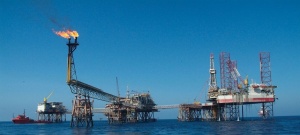
Vietnam’s reliance on imported fuel exposes manufacturers to potential supply disruption and higher oil and gas prices. Annual imports of around $20 billion in crude oil, gasoline, and related products, combined with heavy reliance on Middle East suppliers for crude oil (80 per cent) and liquefied gas (15 per cent), make supply vulnerable and cost structures sensitive to price shocks.
Prolonged armed conflict in the region would pose significant supply shortage risks for domestic refineries, as Nghi Son depends largely on imported crude while Dung Quat sources 30–35 per cent of feedstock from abroad, forcing both plants to seek alternative supplies to maintain operations.
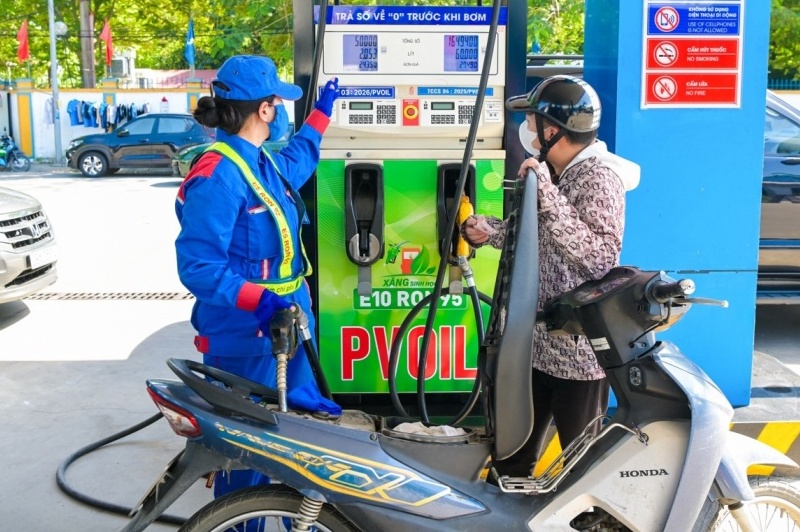
Elevated fuel costs are likely to feed through transportation, industrial activity, and power generation, adding to cost-push inflation and pressuring margins in fuel- and energy-intensive sectors with limited pricing power.
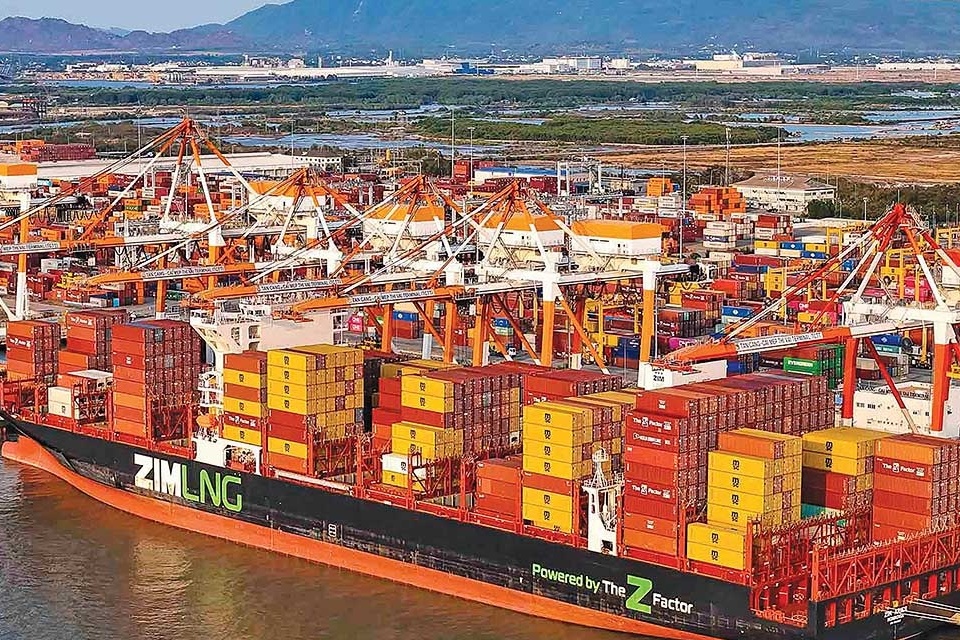
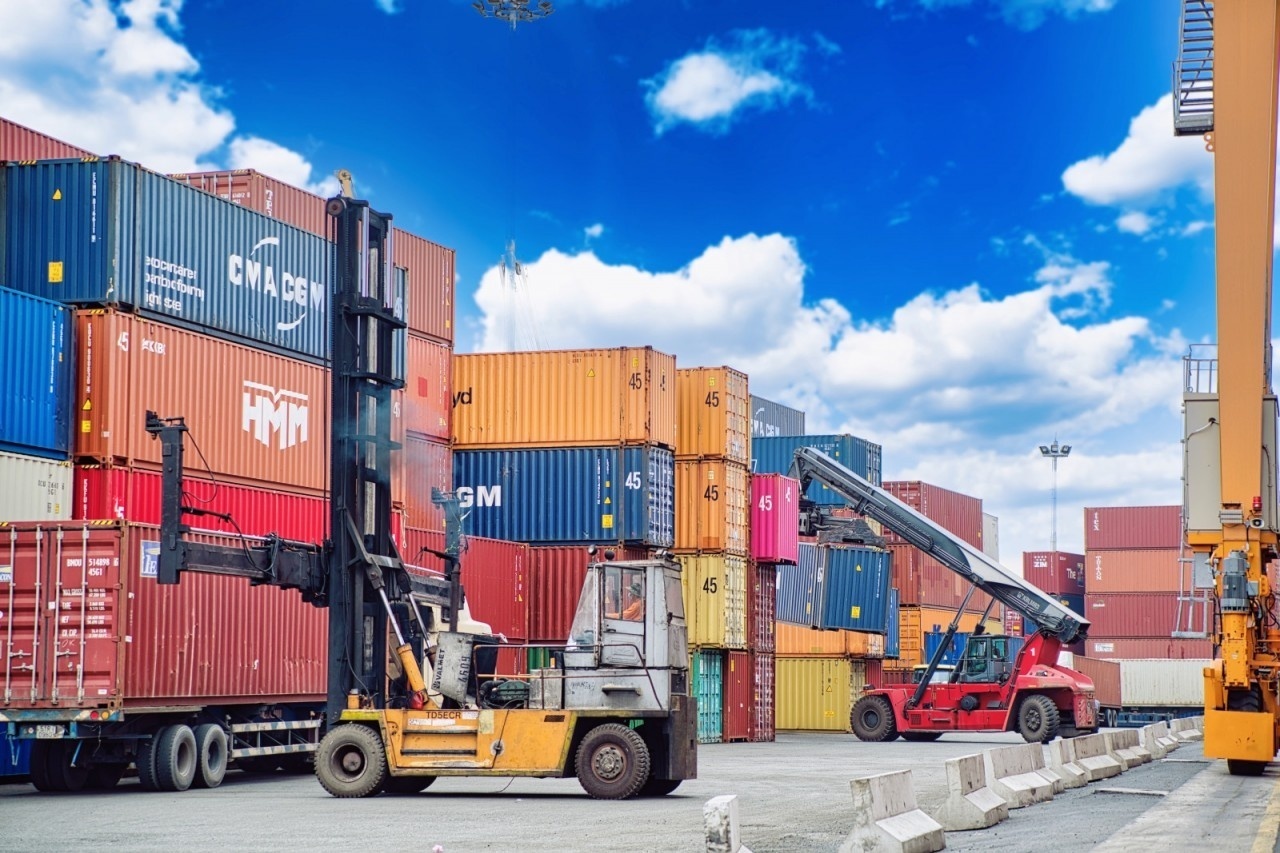
Vietnam faces limited direct trade route disruption, as key export corridors to the US and EU bypass the conflict zone and regional supply routes remain intact. However, higher bunker fuel prices, insurance costs, and vessel delays have pushed up global shipping costs.
Credit exposure is concentrated among export-oriented manufacturers with low unit values, including textiles and garments, seafood, and furniture, where logistics costs account for a meaningful share of shipment value. Marine freight represents an estimated10 per cent of export value in textiles and up to 20–30 per cent for furniture shipments. Higher freight costs are likely to be passed through to end market prices, weighing on demand, order visibility, and near-term revenue prospects for Vietnamese exporters.
Higher global energy prices and shipping costs raise US inflation risks and may delay the Federal Reserve’s easing cycle, supporting a stronger USD. This places persistent depreciation pressure on the VND, increasing FX risk for Vietnamese corporates with USD denominated liabilities.
Exposure is highest among power and water utilities and airlines, which combine USD debt with USD-linked operating costs such as fuel, aircraft leases, and maintenance. Sustained FX volatility would weaken debt service capacity and credit profiles where hedging is limited.
Elevated FX and inflation risks could prompt tighter domestic monetary conditions, including higher interest rates and stricter liquidity management. This would raise funding costs and refinancing risk, particularly for highly leveraged real estate and infrastructure issuers with weak interest coverage ratios and elevated near term maturities.
VIS Rating noted that a prolonged disruption to global energy supply would weaken Vietnam’s macroeconomic outlook and complicate delivery of its 2026 growth target, as higher energy costs, softer external demand, and tighter financial conditions reinforce one another. Vietnam’s position as a stable geopolitical manufacturing hub could partially offset these pressures by supporting incremental foreign direct investment inflows and easing FX stress over the medium term.
Overall, the shock reinforces a negative credit bias for downstream oil and gas companies, fuel- and energy-intensive businesses, export-oriented firms, and leveraged sectors. The duration and severity of energy market disruption are the key downside sensitivities for credit conditions.
 | Corporate credit demand expected to keep rising this year Credit for the individual customer segment last year slowed, while GDP last year recorded a strong recovery and household income growth remained low. |
 | Iran war to modestly impact Vietnam The US-Iran war is expected to have a modest impact on Vietnam, but a sharp rise in global oil prices could lift inflation and weigh on growth if tensions persist, according to VinaCapital. |
 | Resilient Vietnam economy faces Middle East headwinds Despite escalating tensions in the Middle East, Vietnam's economy remains resilient with strong growth prospects, according to Nguyen Dieu Huyen, deputy head of the National Accounts System Department at the National Statistics Office. |
What the stars mean:
★ Poor ★ ★ Promising ★★★ Good ★★★★ Very good ★★★★★ Exceptional
 Tag:
Tag:Related Contents




Latest News






More News
- From loans to women’s economic empowerment (October 06, 2026 | 17:58)
- VIB named Outstanding Retail Bank 2026, targets transaction banking (October 06, 2026 | 10:52)
- FTSE upgrade paves way for stronger stock market development (October 05, 2026 | 18:44)
- coLoan to empower women through inclusive green finance (October 05, 2026 | 18:42)
- Techcombank CEO: AI no longer a tool but a new operating foundation (October 05, 2026 | 18:11)
- Banks sustain profit growth as funding costs squeeze margins (October 02, 2026 | 22:22)
- Nam A Bank delivers strong breakthrough in 2026 (October 02, 2026 | 19:00)
- Policy credit builds sustainable livelihoods from the grassroots (September 29, 2026 | 07:48)
- VIB deploys Front Arena treasury and foreign exchange trading system on AWS (September 28, 2026 | 16:46)
- Nam A Bank receives $60 million loan from FMO (September 28, 2026 | 12:37)


Latest News






 Mobile Version