
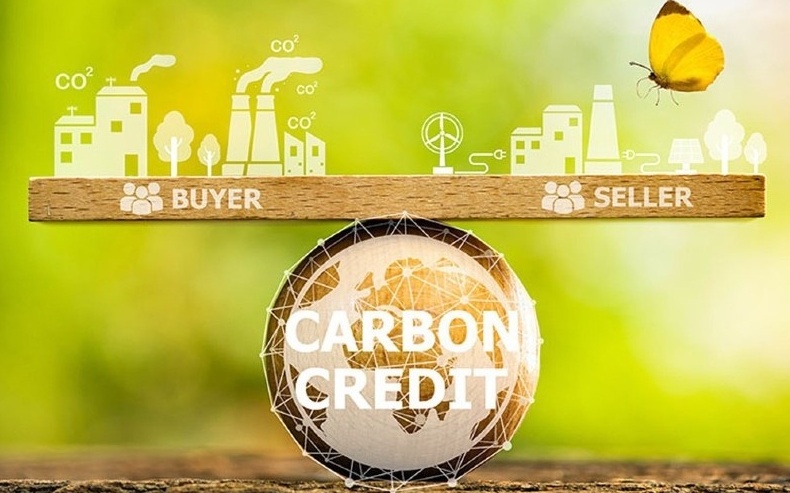
Vietnam sets launch date for domestic carbon exchange

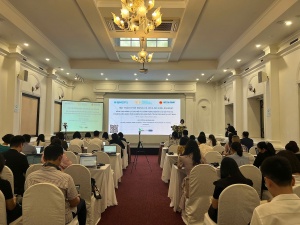
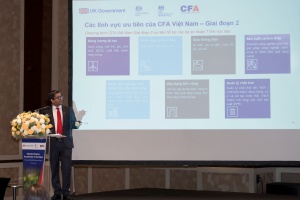
The announcement was made by Nguyen Tuan Quang, deputy director general of the Department of Climate Change under the Ministry of Agriculture and Environment, at a workshop on encouraging international carbon credit cooperation to support national and corporate emissions reduction commitments on June 12.
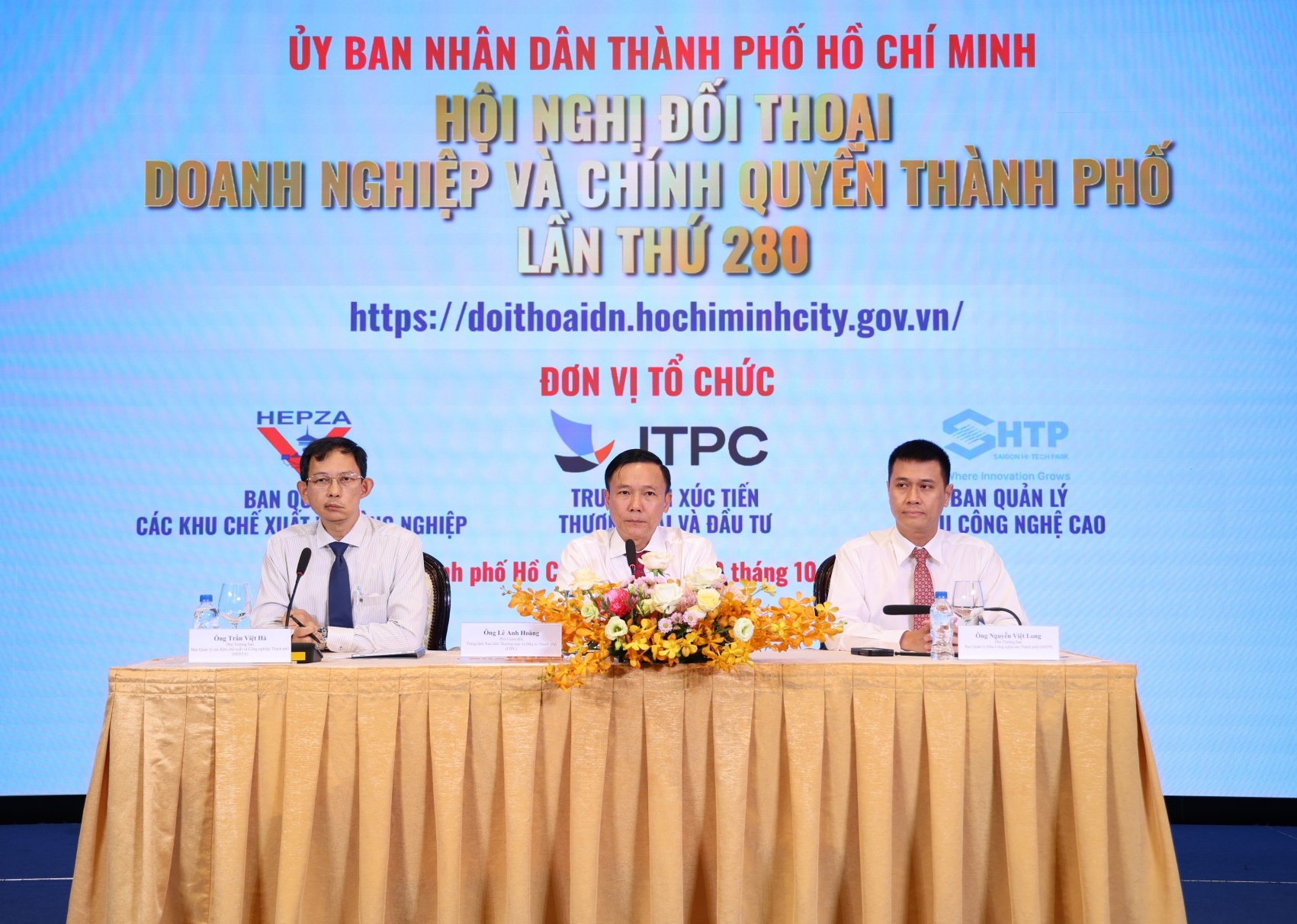
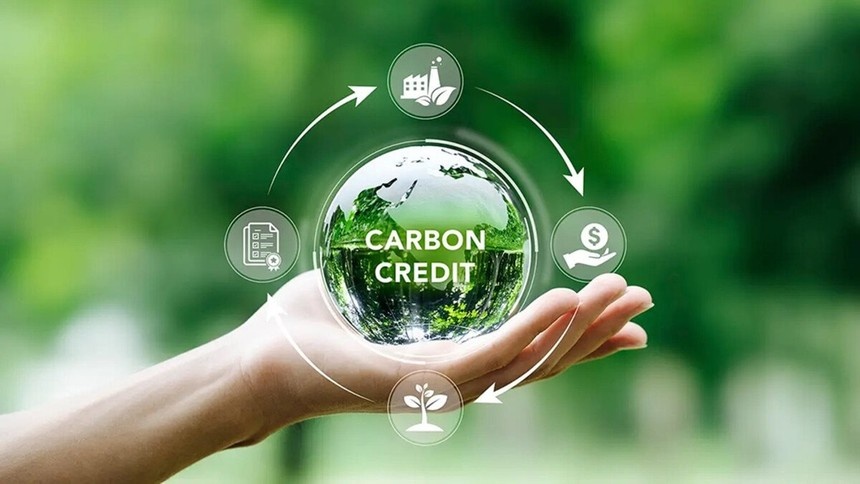 |
| Photo: Tinnhanhchungkhoan.vn |
According to Quang, the development of a carbon market is a key instrument for helping Vietnam achieve its net-zero emissions target by 2050.
“A carbon market is not only an economic tool to pull in investment into green and clean technologies, but also an important mechanism to encourage businesses to reduce emissions,” he said.
Quang noted that the global carbon credit market is expanding rapidly and is expected to reach a value of $24 billion by 2030, creating significant opportunities for countries and businesses that are prepared to participate.
He added that Vietnam’s decision to launch its domestic carbon exchange later this month, following coordination with the Ministry of Finance and other agencies, represented an important milestone in implementing the country’s international climate commitments.
“Raising awareness and strengthening capacity among the business community is essential to turning carbon market opportunities into tangible economic benefits,” Quang said, adding that government agencies would continue supporting enterprises in overcoming technical and regulatory barriers.
Nguyen Thanh Cong, deputy head of the Carbon Market Division under the Department of Climate Change, said the legal framework for operating the market has largely been completed, particularly following the issuance of Decree No.112/2024/ND-CP.
The decree establishes regulations governing the international exchange of emissions reduction outcomes and carbon credits, providing businesses with greater clarity on the legal framework, as well as their rights and obligations when participating in international carbon markets.
“The new regulations place particular emphasis on transparent data management and the application of corresponding adjustment mechanisms to prevent the double counting of emissions reductions,” Cong said.


What the stars mean:
★ Poor ★ ★ Promising ★★★ Good ★★★★ Very good ★★★★★ Exceptional
 Tag:
Tag:Related Contents



Latest News



More News
- JBIC considers new financing options for Vietnam’s energy projects (October 03, 2026 | 08:00)
- Vestas to supply 16 turbines for two new Vietnam wind farms (October 01, 2026 | 07:00)
- Inter-sectoral cooperation on Montreal protocol (September 30, 2026 | 17:20)
- EV battery recycling rate proposed at 8 per cent from 2029 (September 29, 2026 | 16:00)
- Bankability remains hurdle for Vietnam's JETP projects (September 29, 2026 | 12:08)
- Binh Minh Plastics extends clean water project to border communities (September 29, 2026 | 10:57)
- Coca-Cola Vietnam expands packaging collection programme (September 25, 2026 | 08:15)
- Pacifico Energy secures sea survey licence for offshore wind project in Lam Dong (September 24, 2026 | 18:02)
- Vietnam secures $221 million in UN development programmes for 2027-2031 (September 23, 2026 | 17:39)
- Carlsberg Vietnam shows how resource efficiency can shape green industrial growth (September 18, 2026 | 09:03)


Latest News





 Mobile Version