


Vietnam raises taxable revenue threshold for household businesses to VND500 million

 |
| Photo source: VNA/VNS |
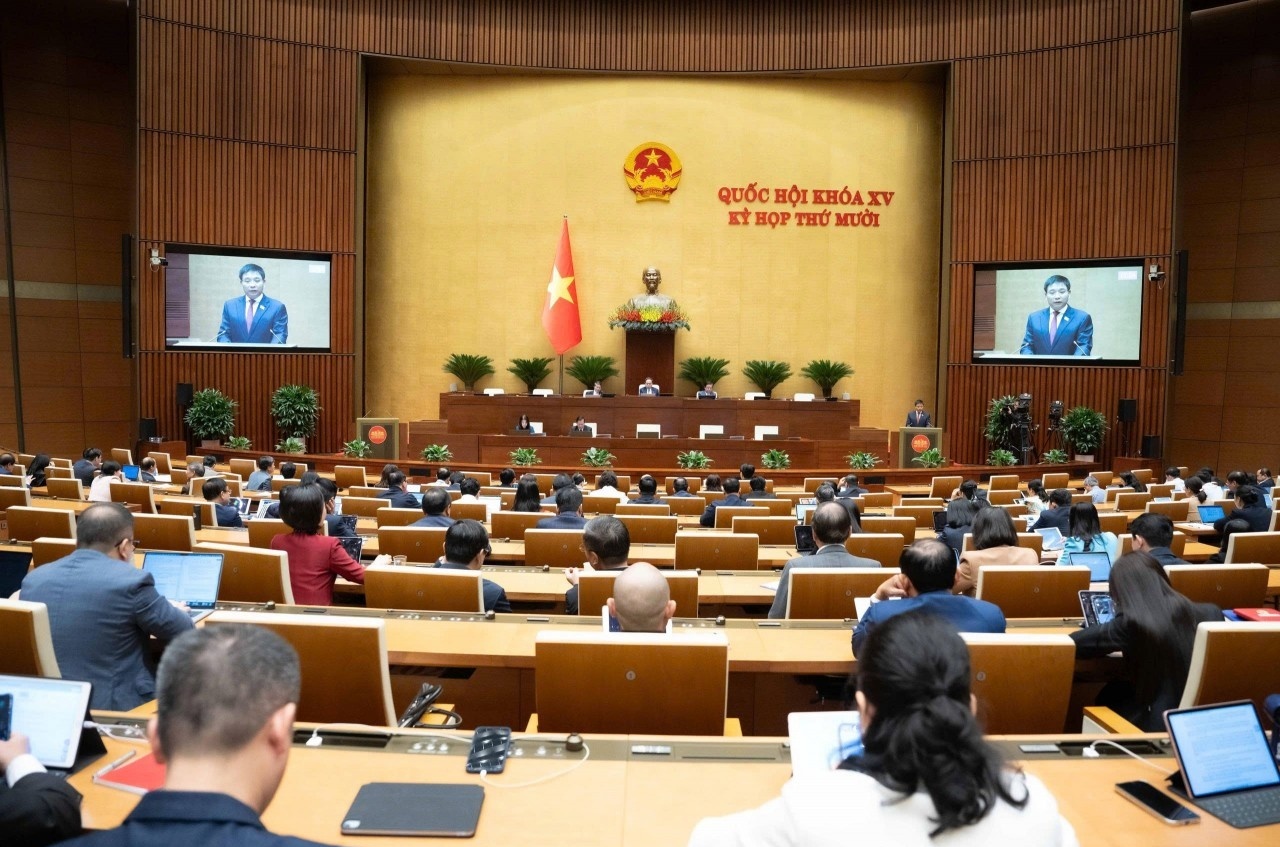
This threshold also determines eligibility for exemption from VAT (value-added tax) and personal income tax when households shift from the presumptive tax regime to self-declaration and payment starting January 1, 2026.
Currently, the taxable revenue threshold applied to individuals and household businesses is VND100 million ($4,000) per year. Therefore, the new law increases this threshold fivefold beginning next year. Previously, the government had proposed a threshold of VND200 million ($8,000), but many delegates considered it too low and disadvantageous for business households.
The explanatory report of the law says that an estimated 2.3 million household businesses, equivalent to around 90 per cent of the total, will not have to pay tax under the new $20,000 threshold. According to tax authorities, the annual reduction in tax revenue is estimated at around VND11.8 trillion ($470 million).
The law also introduces a new method of calculating tax based on profit (the difference between revenue and expenses) for household businesses. specifically, those with annual revenues under VND3 billion ($120,000) and the ability to document their input costs will be subject to a 15 per cent tax rate on profit. This corresponds to the preferential corporate income tax rate applied to micro-enterprises with similar revenue levels.
Household businesses with annual revenue from $120,000 to VND50 billion ($2 million) will face a 17 per cent tax rate, while those earnings above $2 million will be taxed at 20 per cent.
For cases where expenses cannot be determined, individuals and households will continue paying tax based on a percentage as currently applied, ranging from 0.5 to 2 per cent depending on the line of business. However, they will be allowed to deduct the non-taxable revenue threshold before calculating the tax, meaning the tax will not apply from the very first revenue.
The National Assembly has tasked the government with submitting adjustments to the non-taxable revenue threshold to the Standing Committee as needed, in accordance with socioeconomic conditions at the time.
Vietnam currently has more than 5.2 million household businesses. Last year, state budget revenue from this group was approximately VND26 trillion ($1 billion), with over VND17 trillion ($680 million) collected in the first half of this year.
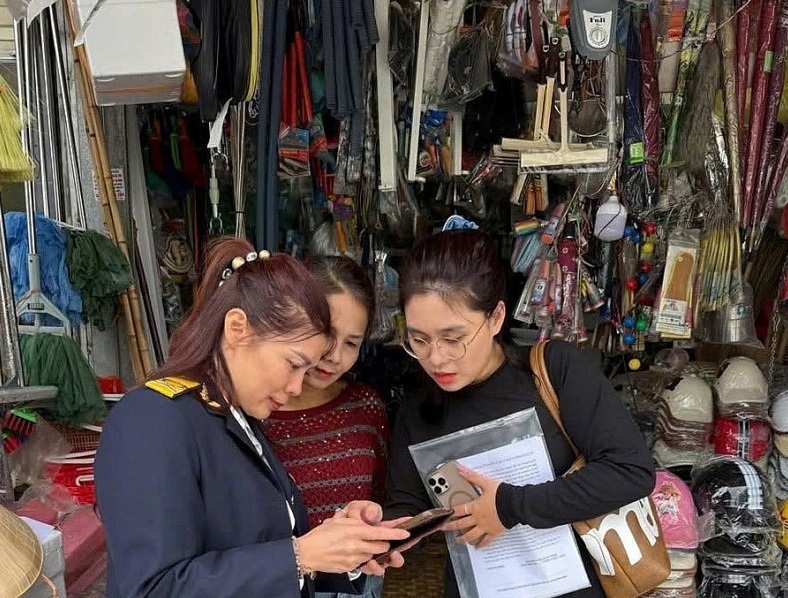
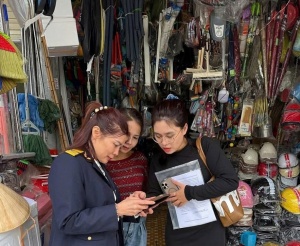 | Household businesses prepare for e-filing as lump-sum tax ends The Tax Department is stepping up efforts to help household businesses adopt electronic tax filing ahead of the abolition of the lump-sum tax regime. |
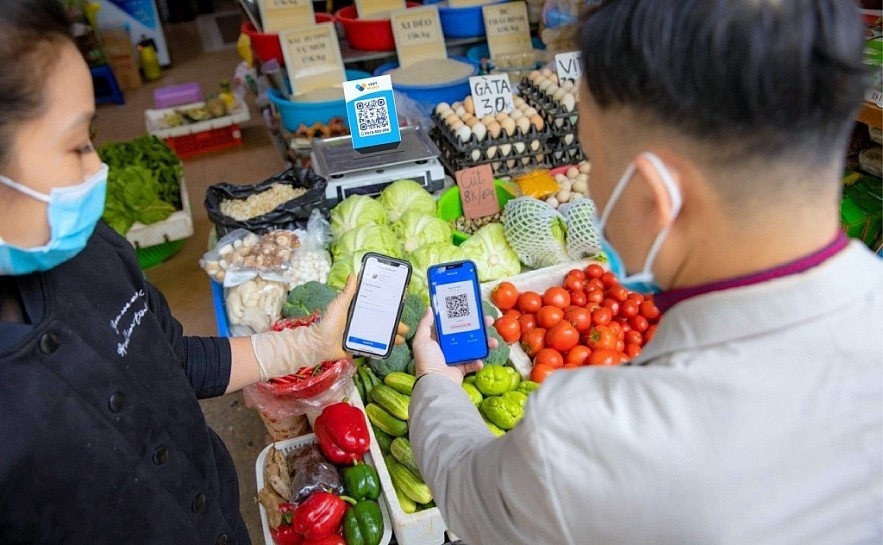
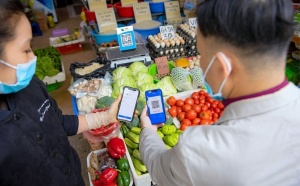 | Flexible tax regime proposed to better reflect actual incomes of household businesses A new draft Law on Personal Income Tax proposes a dual tax system and higher revenue thresholds, aiming to match tax obligations with actual incomes and support the country's diverse household business sector. |
 | National Assembly reviews amendments to personal income tax law The National Assembly is reviewing amendments to the Law on Personal Income Tax that aim to lower key rates and create a more balanced, progressive tax structure. |
What the stars mean:
★ Poor ★ ★ Promising ★★★ Good ★★★★ Very good ★★★★★ Exceptional
 Tag:
Tag:Related Contents






Latest News





More News
- Sojitz in Vietnam: 40 years from individual projects to a business cluster 'KATAMARI' (October 08, 2026 | 09:00)
- Coteccons targets 'Quality Growth' with 25 per cent dividend plan (October 07, 2026 | 13:00)
- Vietnam Education Forum opens UK Education Mission's Hanoi visit (October 07, 2026 | 12:27)
- Tax authorities deactivate TINs of nearly 180,000 businesses (October 07, 2026 | 12:08)
- World Bank raises Vietnam's 2026 GDP growth forecast to 7.4 per cent (October 07, 2026 | 11:41)
- Vietstock 2026 to spotlight livestock innovation and green transition (October 07, 2026 | 09:00)
- Vietnam’s GDP grows over 9 per cent in first nine months (October 05, 2026 | 18:45)
- Vietnam earns $56.3 billion from agro-forestry-fishery exports (October 05, 2026 | 18:32)
- DSV balances resilience and decarbonisation in supply chains (October 05, 2026 | 18:20)
- Electronics exports reach $175.4 billion in the first nine months (October 05, 2026 | 18:12)


Latest News




 Mobile Version