
Vietnam hospitality shifts towards integrated mixed-use developments

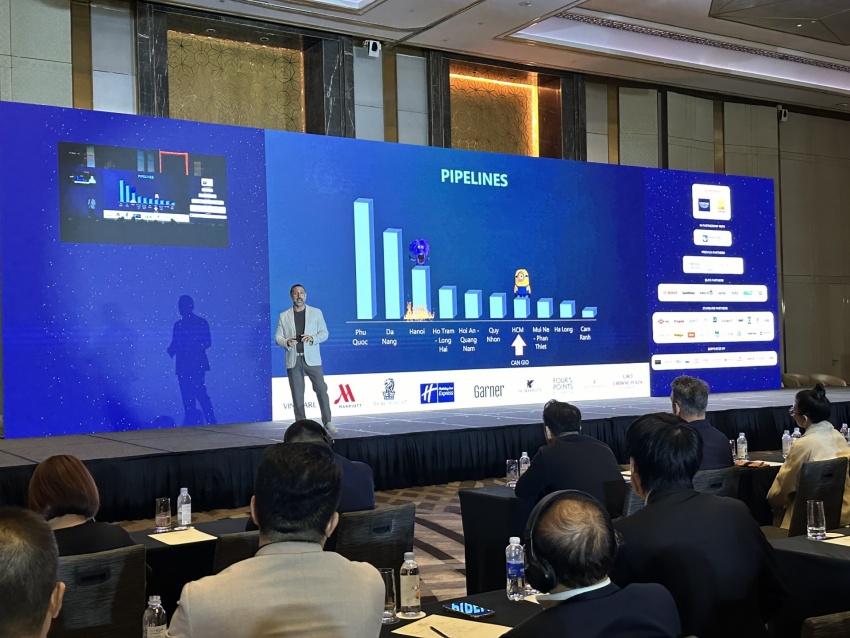 |
| Mauro Gasparotti, founder of WeHub and host of the MTE Events Series. Photo: Hara Nguyen |
Phu Quoc is emerging as a focal point of this shift, with infrastructure expansion ahead of APEC 2027 expected to improve international connectivity and create opportunities for the island's tourism sector.
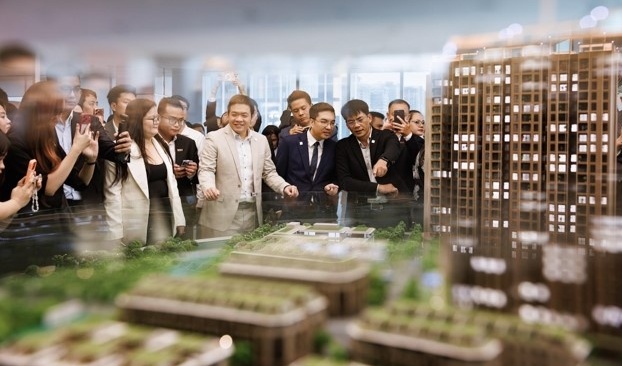
Speaking at the Meet The Experts conference in Hanoi on October 1, Mauro Gasparotti, founder of WeHub and host of the MTE Events Series, said the market is shifting towards larger, mixed-use developments that combine hotels, branded residences, and second homes with supporting amenities.
“The ones we are seeing coming up are integrated mixed-use townships. They contain hotels, branded residences and second homes, becoming destinations in their own right and offering everything within one development,” he said.
The trend comes as smaller, independent developers face a more challenging market, according to Gasparotti, while larger projects seek to establish new tourism and lifestyle destinations.
Branded residences are another area of growth. Gasparotti said Vietnam had overtaken Thailand in the pipeline of condotel and branded-residence projects, reflecting the country’s growing role in a segment that is expanding rapidly across Asia-Pacific.
He also identified a shift towards more affordable luxury, wellness-oriented living and multi-generational accommodation. These trends reflect changing expectations among buyers and travellers, with families increasingly seeking spaces and facilities that cater to different age groups and lifestyles.
These changes in the broader hospitality market are creating opportunities for all-inclusive resorts, which combine accommodation, dining, leisure activities and entertainment within a single destination.
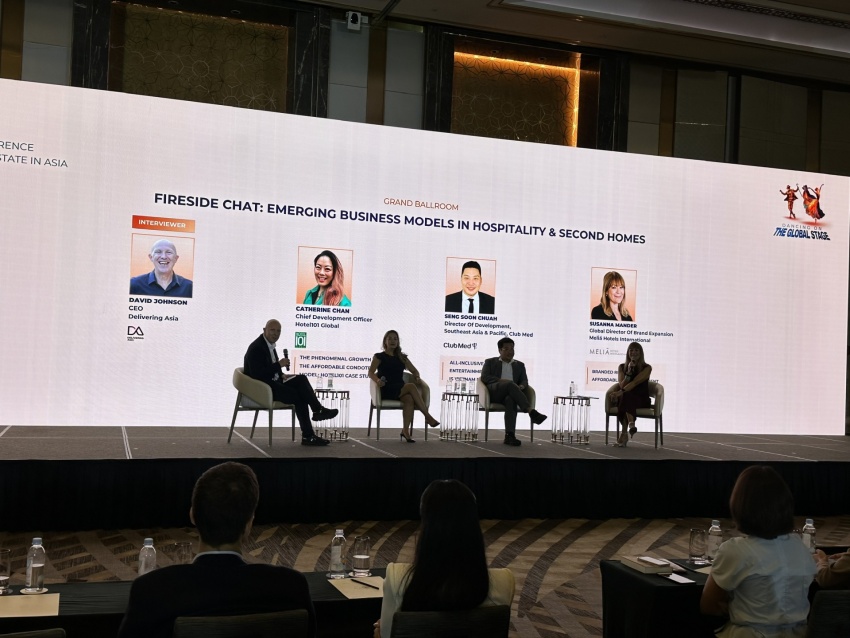
For Seng Soon Chuah, director of development for South-East Asia and Pacific at Club Med, the concept goes beyond full-board accommodation. It is about giving guests the freedom to choose how they spend their time, from organised activities to simply relaxing at the resort.
“All-inclusive means you can come to a resort and enjoy the option of doing nothing or doing everything you want,” Chuah said, citing activities such as yoga, sports, dining and entertainment.
The model also aligns with Vietnam’s strong family travel culture, particularly the growing appeal of multi-generational holidays. Different age groups can share a destination while pursuing activities suited to their interests, with children joining supervised programmes and older family members enjoying a more relaxed pace.
This flexibility is becoming an important consideration in resort development, as travellers increasingly look for experiences that go beyond accommodation alone.
International hotel groups are also exploring opportunities to expand the model in Vietnam. Susanna Mander, global director of brand expansion at Melia Hotels International, said the group had introduced all-inclusive offerings at destinations including Ho Tram and Nha Trang, while continuing to assess opportunities in the market.
She also pointed to the potential of branded residences and affordable luxury as operators seek to serve a wider range of customers.
For Club Med, location and partnerships remain important factors in expansion decisions. Chuah identified Danang and Hue as destinations of interest, while noting that the company was looking for suitable partners and locations.
 |
| Photo: Hara Nguyen |
Among Vietnam’s resort destinations, Phu Quoc is attracting particular attention as infrastructure development accelerates ahead of APEC 2027.
The island’s development reflects a broader strategy of building infrastructure and tourism facilities in emerging destinations, rather than concentrating investment solely in established urban centres.
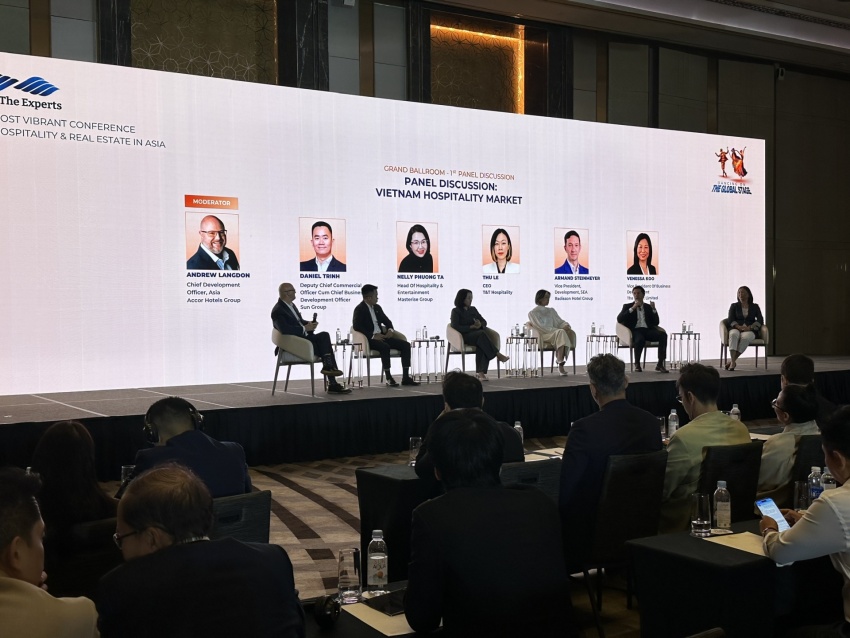
Daniel Trinh, deputy chief commercial officer and chief business development officer at Sun Group, said the company had pursued this approach since entering Danang in 2007 and Phu Quoc in 2014.
“Once infrastructure is in place, it benefits everyone,” Trinh said, explaining that transport and supporting facilities were intended to help unlock the potential of the wider destination.
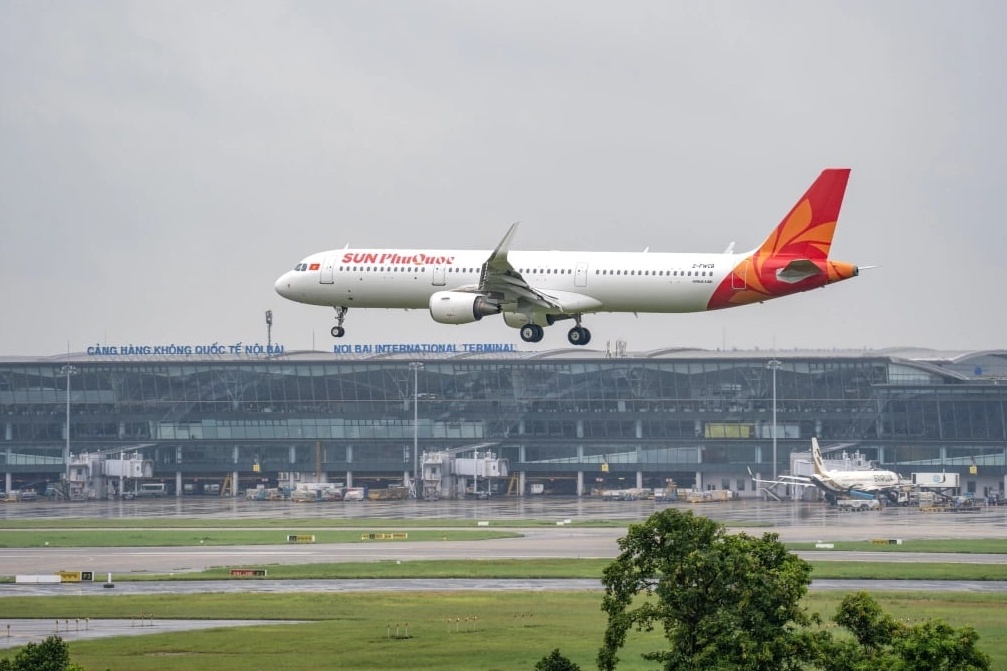
Sun Group took over operations of Phu Quoc International Airport’s existing terminal on January 1. The company plans to open Terminal 2 in April 2027, in cooperation with Changi Airport, to serve demand associated with APEC and the island’s broader tourism growth. The company has also invested in other infrastructure and transport facilities on the island.
Improved air connectivity is particularly important for resort operators, whose performance depends on the destination’s ability to attract visitors from domestic and international markets.
Armand Steinmeyer, vice president of development for Southeast Asia at Radisson Hotel Group, said the expected expansion in air capacity was positive for Phu Quoc’s hospitality market. For international operators, better connectivity creates opportunities to bring in guests through established distribution networks and loyalty programmes.
Radisson Blu Phu Quoc and other branded properties could benefit from the destination’s growing international profile, he said, particularly as the group looks to expand its presence in Southeast Asia.
However, greater capacity and a growing number of hotel projects will also intensify competition.
“We expect increased competition and potentially greater challenges for occupancy and average daily rates,” Steinmeyer said. “There will also be a period of absorption, which may be more turbulent before the market settles.”
He added that stronger branding and access to international distribution networks could help independent hotels compete as the market becomes more crowded.
Venessa Koo, vice president of business development at The Ascott Limited, similarly highlighted the importance of air transport in supporting investment decisions. She said Sun Group’s development of Phu Quoc Airways and its understanding of target markets had strengthened operators’ confidence in the destination.
Without sufficient air connectivity, she suggested, committing to a large portfolio of hotel rooms would be considerably more difficult.
 |
| Photo: Hara Nguyen |
As investment accelerates, the challenge for Phu Quoc will be to ensure that new resorts respond to the island’s tourism potential and local character, rather than relying solely on additional room capacity.
Thu Le, CEO of T&T Hospitality, said demand and the needs of visitors should guide development decisions. The company is considering projects on two land plots in Phu Quoc, including one spanning more than 100 hectares, with an emphasis on incorporating Vietnamese culture and architecture.
Its concept includes elements of a traditional fishing village, with spaces designed to accommodate local fishing communities and their activities.
“Before approaching an operator, we need to be clear about the overall concept of the resort, the target customers and how the project can benefit Vietnam’s tourism sector as a whole,” she said.
This approach points to a broader consideration for integrated resort development: combining international hospitality standards with a distinctive local identity.
For Phu Quoc, APEC 2027 could provide a near-term catalyst for infrastructure investment and international exposure. The longer-term opportunity, however, will depend on the island’s ability to convert improved connectivity and rising visitor interest into sustainable demand.
As Vietnam’s hospitality market moves towards integrated destinations and experience-led accommodation, the success of Phu Quoc will hinge on how effectively developers, operators and local stakeholders coordinate investment, differentiate their offerings and build a destination that remains attractive beyond major events.
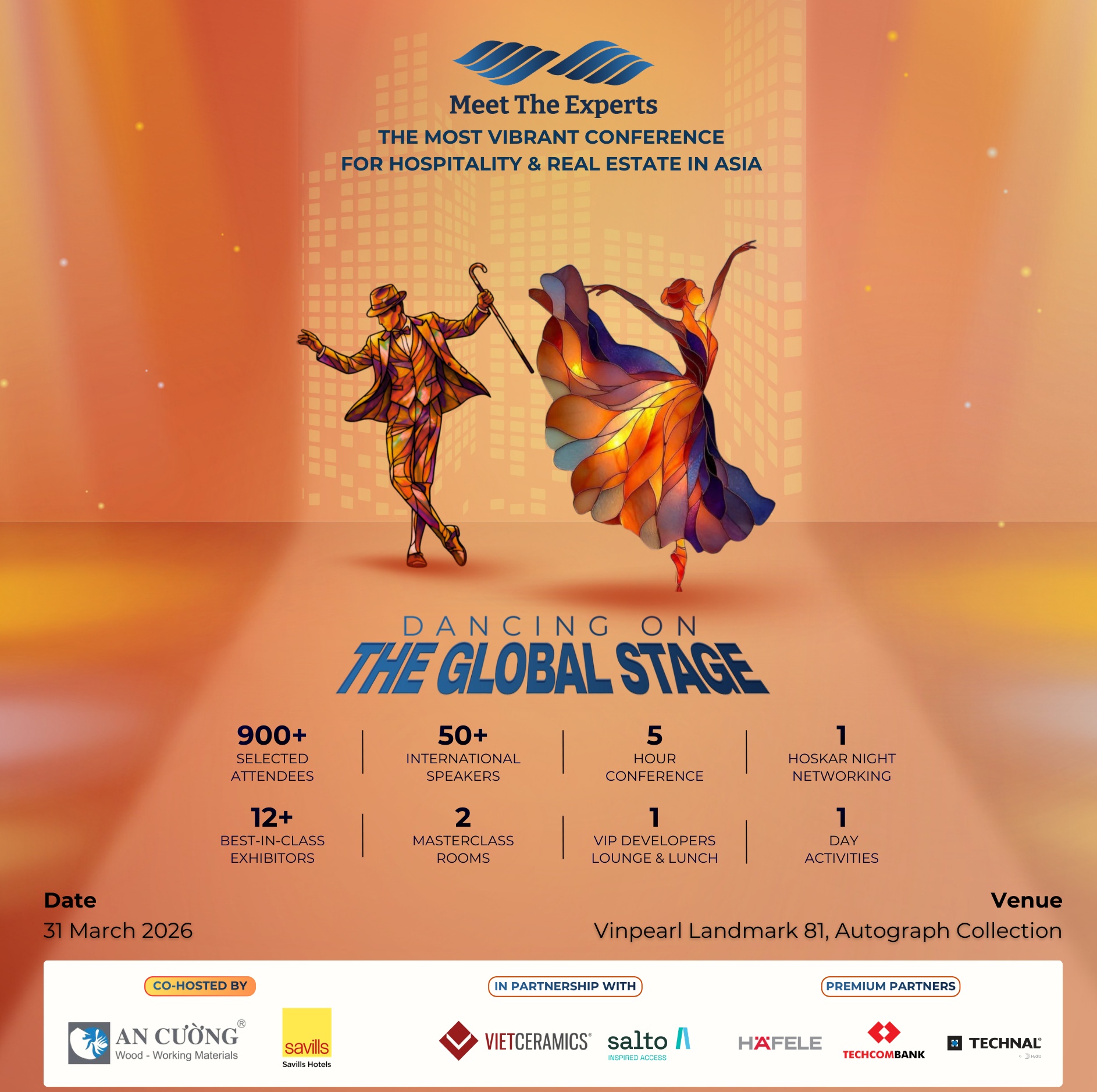
 | MTE conference to explore emerging hospitality and real estate trends Global challenges and uncertainty are clouding markets worldwide, yet Vietnam’s hospitality sector has been one of the strongest performers globally, supported by strong interest from both international visitors and investors. |
What the stars mean:
★ Poor ★ ★ Promising ★★★ Good ★★★★ Very good ★★★★★ Exceptional
 Tag:
Tag:Related Contents




More News
- Stavian IP accelerates its modern expansion (October 02, 2026 | 14:00)
- ESG for future-ready industrial success (October 02, 2026 | 09:00)
- Green Future Awards honour five leading industrial park developers (October 01, 2026 | 22:20)
- Green transition leaders honoured at Green Future Awards 2026 (October 01, 2026 | 22:10)
- Six developers honoured as Emerging Green Industrial Property Developers (October 01, 2026 | 22:00)
- Why logistics will define the next phase of growth (October 01, 2026 | 09:00)
- Urban Development Law takes effect on October 1 (September 30, 2026 | 17:49)
- Phu My Hung to demolish Lawrence S. Ting Building for new development (September 30, 2026 | 17:43)
- Industrial parks need comprehensive ecosystems to retain investors (September 30, 2026 | 14:09)
- Ready-built facilities gain favour as industrial competition evolves (September 30, 2026 | 10:49)








 Mobile Version