
US-Vietnam partnership targets tilapia development and soy-based aquafeed trade

The news was announced during a meeting on January 13 in Hanoi between Phung Duc Tien, Deputy Minister of Agriculture and Environment, and a delegation from the US Embassy in Vietnam to discuss the implementation of the new US-Vietnam Aquaculture Value Chain Partnership.
Ralph Bean, agricultural counsellor at the US Embassy in Vietnam, noted that the project will be led by Lutheran World Relief (LWR), with support from Vietnamese partners and the American Soybean Association's World Initiative for Soy in Human Health (ASA/WISHH). The total projected budget of the initiative exceeds $15.2 million.
“Under the framework of the US Food for Progress Programme, the project is designed to improve the tilapia value chain in Vietnam, as well as to strengthen trade in soybean-based aquafeed and tilapia products,” Bean said. “Over the five-year implementation period, we aim to achieve a cumulative tilapia output of 1.21 million tonnes, with total sales value estimated at $1.25 billion.”
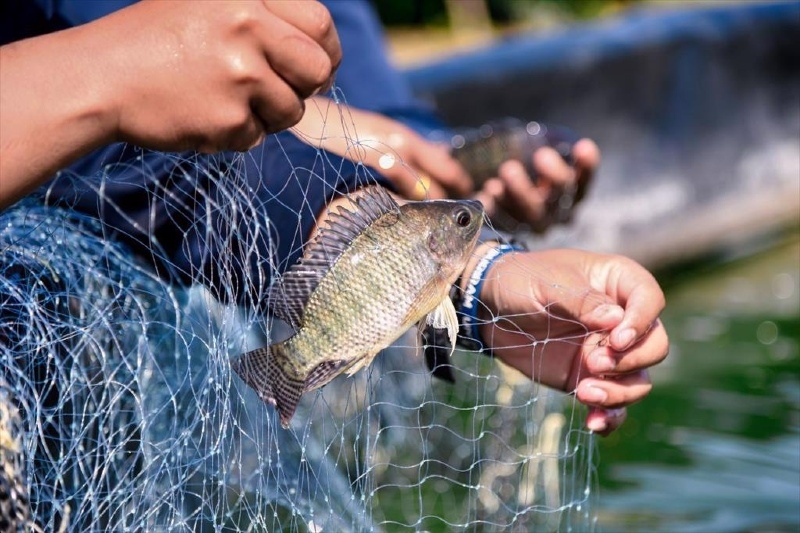 |
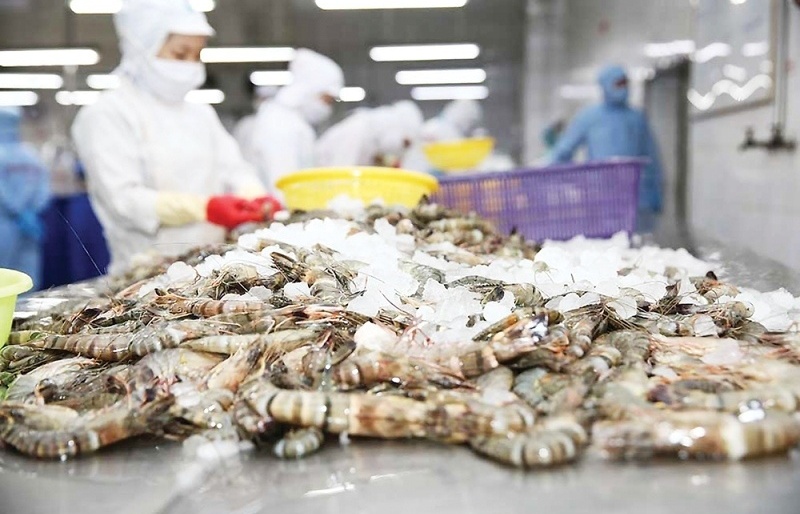
| Vietnamese tilapia is now exported to many markets |
He also noted the project's role in facilitating increased imports of high-quality soybean products for aquaculture feed and expanding tilapia trade not only to the US market but also across regional and domestic markets.
The project is expected to directly benefit more than 24,200 stakeholders over the next five years, including smallholder farmers, commercial farms, processing plants, units under the Ministry of Agriculture and Environment, and related industry associations. Proposed implementation areas include the Red River Delta and the Mekong Delta.
From March to September 2026, baseline studies, resource assessments, and grant promotion activities will be undertaken, alongside efforts to improve broodstock tilapia quality and support hatcheries.
Starting in October 2026, the project will expand to provide technical assistance, training, capacity building, and financial support.
On the Vietnamese side, Deputy Minister Phung Duc Tien described the initiative as a “right and timely” step that will provide important resources for implementing Vietnam's tilapia development plan through 2030. He also suggested exploring the development of striped tilapia and red tilapia varieties in the central and southern regions to maximise geographic advantages.
“Tilapia has the advantage of fast growth and good flesh quality,” the deputy minister said, adding that Vietnam possesses a pool of skilled experts, and many enterprises are increasingly shifting their focus towards this species.
While tilapia has yet to become a major export item in Vietnam's seafood sector, it experienced strong growth in 2025.
According to the latest data from the Vietnam Association of Seafood Exporters and Producers, in the first 11 months of 2025, Vietnam's total tilapia export turnover approximated $70 million, up 198 per cent on-year, with over $7 million recorded in November alone.
Vietnamese tilapia is now exported to multiple markets, with the US being a key destination and accounting for a significant share of total export value.
Vietnamese firms are also expanding tilapia exports to other markets, including Brazil, a major producer and exporter of tilapia.
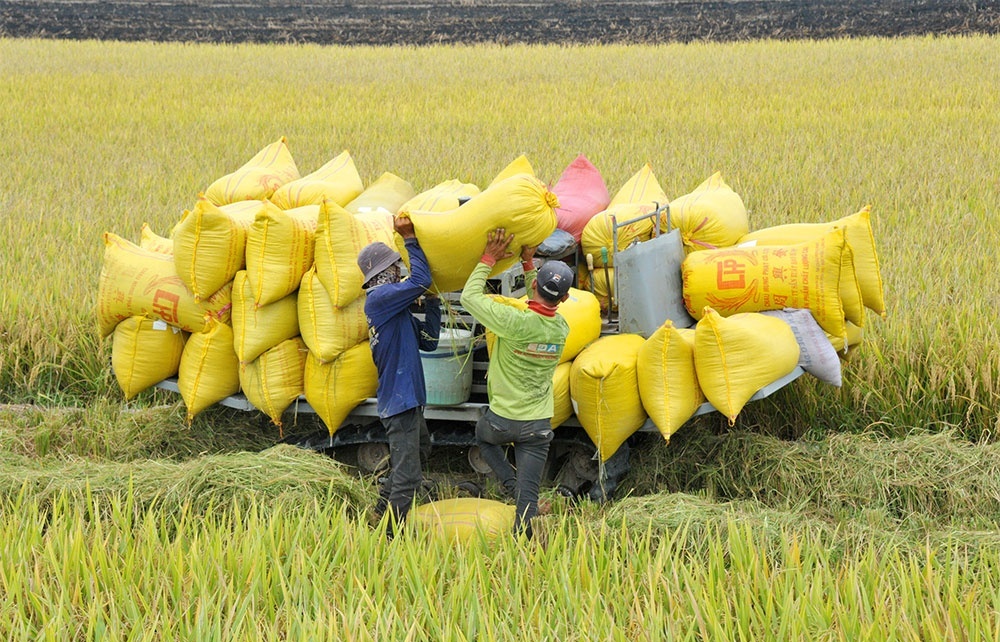
 | Favorable tariff outlook offers boost for Vietnamese exporters As Vietnam and the United States advance towards a reciprocal trade agreement, expectations are growing for tariff cuts that could strengthen key export sectors and improve prospects for Vietnamese stocks. |
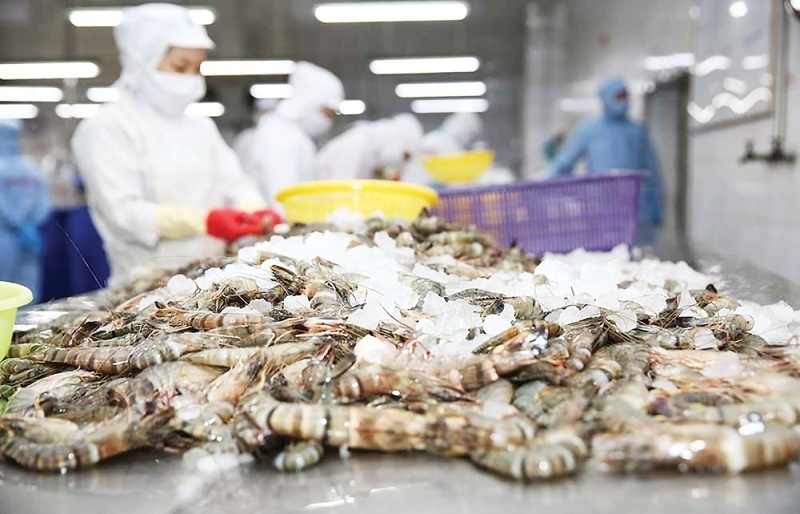
 | Vietnam's seafood imports surge 30 per cent in first 10 months Vietnam's spending on imported seafood rose sharply in early 2025, driven by demand from major Asian and European suppliers. |
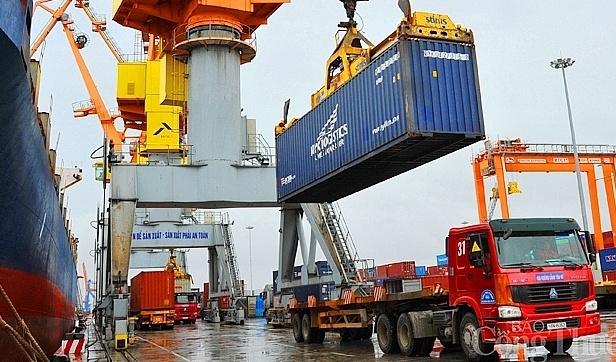
 | Seafood exports to Japan surge towards new annual record Vietnam's seafood exports to Japan have gained strong momentum, reaching nearly $1.6 billion since the start of the year and positioning the sector to set a new annual record. |
What the stars mean:
★ Poor ★ ★ Promising ★★★ Good ★★★★ Very good ★★★★★ Exceptional
 Tag:
Tag:
Related Contents




Latest News




More News
- Vietnam-Australia forum boosts AI and digital technology cooperation (October 13, 2026 | 11:30)
- Digital transformation shifts focus to added value (October 09, 2026 | 18:00)
- Melatec Dental Clinic - accompanying international clients on their smile care journey (October 09, 2026 | 17:25)
- 12 localities achieve double-digit growth in first nine months (October 09, 2026 | 17:00)
- CYE 2026 announces top 5 finalists (October 09, 2026 | 16:55)
- Robotics inspires Vietnam’s next generation of engineers (October 08, 2026 | 15:18)
- Vietnam among fastest AI adopters, Pearson-AWS study finds (October 07, 2026 | 12:26)
- Ho Chi Minh City Oncology Hospital signs MoU with Novartis Vietnam (October 07, 2026 | 10:36)
- Expanding education partnerships to drive mutual growth (October 06, 2026 | 16:04)
- VTG 2026 to showcase textile and footwear innovation in Ho Chi Minh City (October 06, 2026 | 16:00)







 Mobile Version