
Hanoi rabies project wins World Rabies Day award

 |
| Photo: SBCC Vietnam |
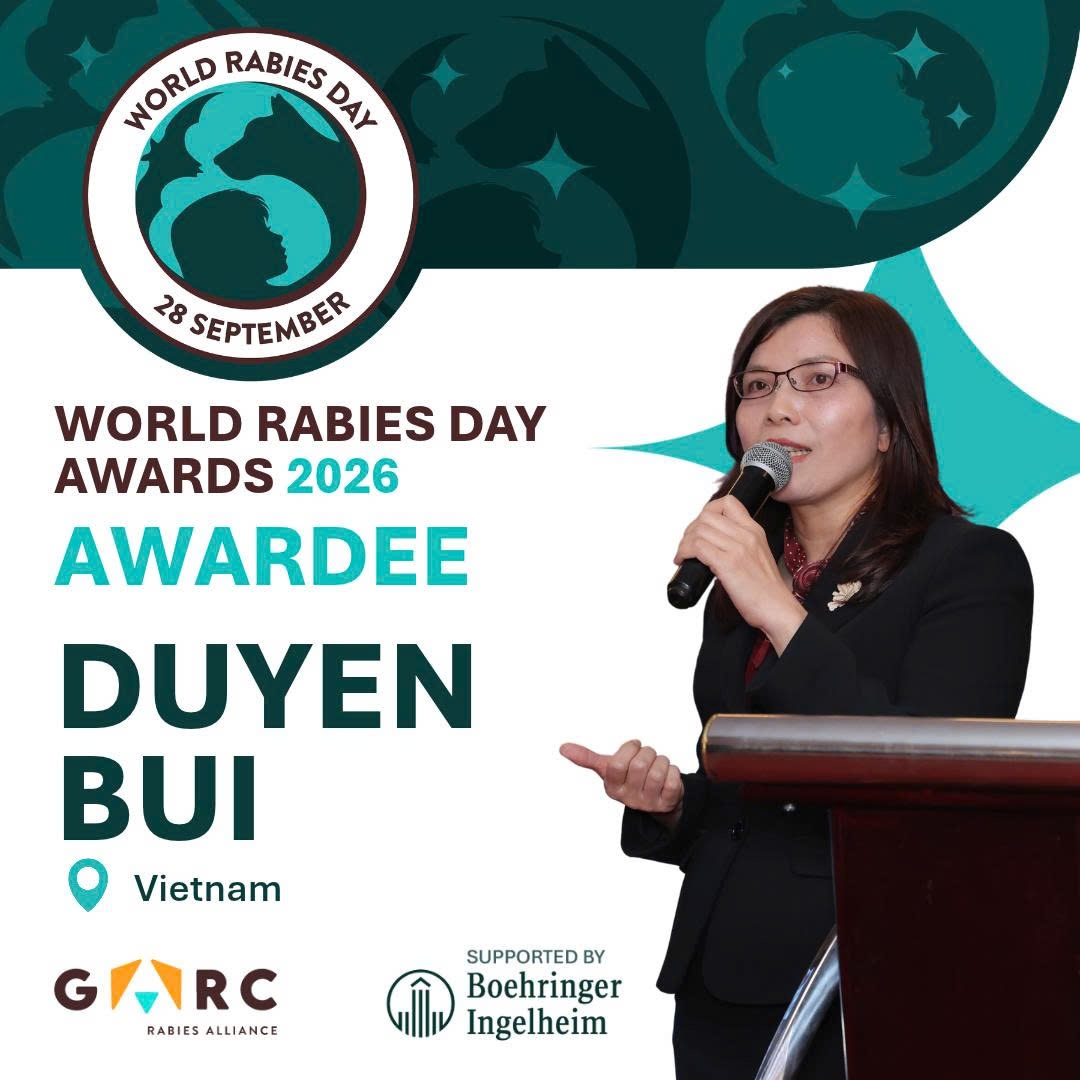
The Global Alliance for Rabies Control (GARC) presented its World Rabies Day Awards 2026 to Bui Thi Duyen, director of SBCC Vietnam, one of the organisations directly implementing the pilot, according to an announcement on November 5. The project, which promotes rabies prevention, sustainable economic development, and a phased transition away from dog and cat meat trading in selected Hanoi wards, was recognised for its results in 14 wards where people who slaughter and sell dog and cat meat are being supported to move into safer livelihoods.
The project was approved by Hanoi People's Committee in July 2025. Hanoi Department of Agriculture and Environment is the project owner, with implementation by Hanoi Sub-Department of Livestock, Fisheries and Veterinary Medicine, Soi Dog Foundation, and SBCC Vietnam.
After more than a year, 28 businesses have ceased operations, and 25 have registered to change their business model. Giang Vo ward has become the first ward in the project with no remaining dog or cat meat businesses.
The award comes as rabies remains a major public health challenge in Vietnam: by mid-September 2026, the country had recorded 54 rabies deaths. "Having our efforts recognised as a contribution to the global journey towards eliminating rabies means a great deal to the entire project team," said Duyen. She described the award as the result of shared commitment and joint effort by SBCC Vietnam, the Hanoi Sub-Department of Livestock, Fisheries and Veterinary Medicine, Soi Dog Foundation, and other partners throughout the project.
Rabies is an extremely dangerous infectious disease transmitted from dogs and cats to humans. Yet behind the transport, slaughter, and sale of dog and cat meat are people who still depend on this work for a living. To support a coordinated response to rabies, the project has taken a One Health approach, balancing three priorities: human health, animal welfare, and livelihood support for the community.
On the importance of this approach, Faizan Jalil, senior manager at Soi Dog Foundation, said, "The transport, trade, and slaughter of dogs and cats are the weakest link in today's disease prevention chain."
For this reason, the award citation highlighted two key factors that set the project apart: multi-sectoral coordination between government, communities, civil society organisations, and international partners, and a focus on driving long-term, sustainable behaviour change. These two pillars are also the path the project has consistently followed.
No single organisation could complete this journey alone. The project's success comes from effectively combining the strengths of multiple sectors, with each partner fulfilling its mandate and contributing its expertise.
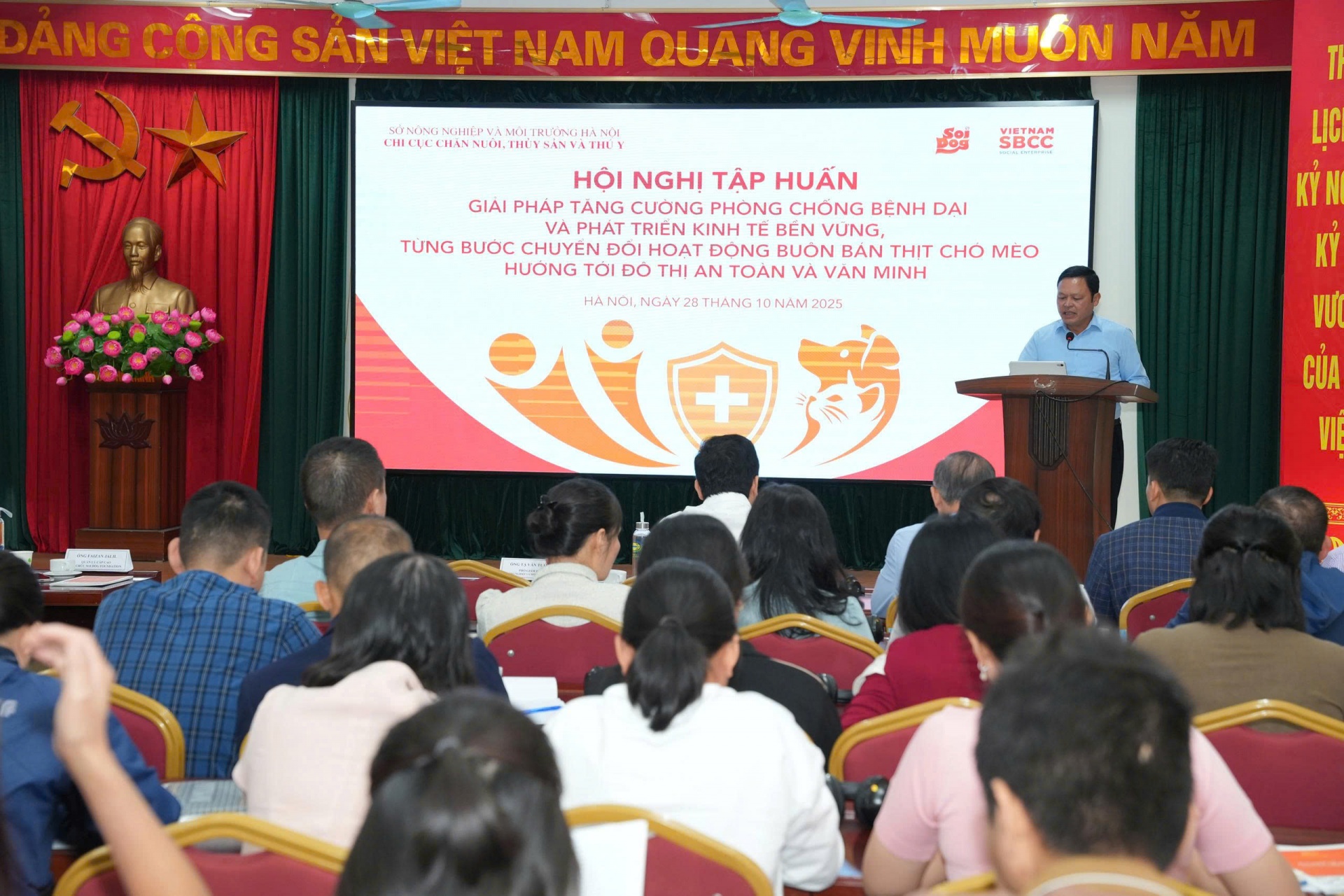 |
| Ta Van Tuong, deputy director of Hanoi Department of Agriculture and Environment. Photo: SBCC Vietnam |
Hanoi People's Committee issued Official Letter No.1026/UBND-NNMT last March to implement Plan No.283/KH-UBND from October last year, which aims to strengthen the management of animal slaughter, transport, and trade and of animal products, ensuring food safety and disease prevention across the capital. Hanoi Department of Agriculture and Environment leads coordination. Implementing this policy has delivered a double benefit: it has standardised comprehensive disease-safety management and created a solid legal framework.
On the technical side, Hanoi Sub-Department of Livestock, Fisheries and Veterinary Medicine plays a central role in guiding, inspecting, monitoring, and building the capacity of grassroots veterinary staff. Director Nguyen Dinh Dang explained, "Strengthening the capacity of grassroots officials is the key task for implementing rabies prevention measures effectively and sustainably, at the root."
This coordination extends to the ward level, where local people's committees and local veterinary staff go door to door to dog and cat meat businesses, reviewing their operations, persistently encouraging change, and guiding owners to comply with regulations.
Meanwhile, Soi Dog Foundation contributes international experience in sustainable livelihood transition, as well as a humane euthanasia protocol that has been introduced into training for the public veterinary system for the first time. SBCC Vietnam, a social enterprise, leads the behaviour change communication strategy and works side by side with dog and cat meat traders as they learn new skills and build new ways of earning a living.
The initiative has also inspired private veterinarians to volunteer their time and expertise. Nguyen Van Hoan of VIET PET Clinic, said, "I signed up to help outside working hours to sterilise dogs and cats from low-income households, and to take in, vaccinate, and treat our four-legged friends."
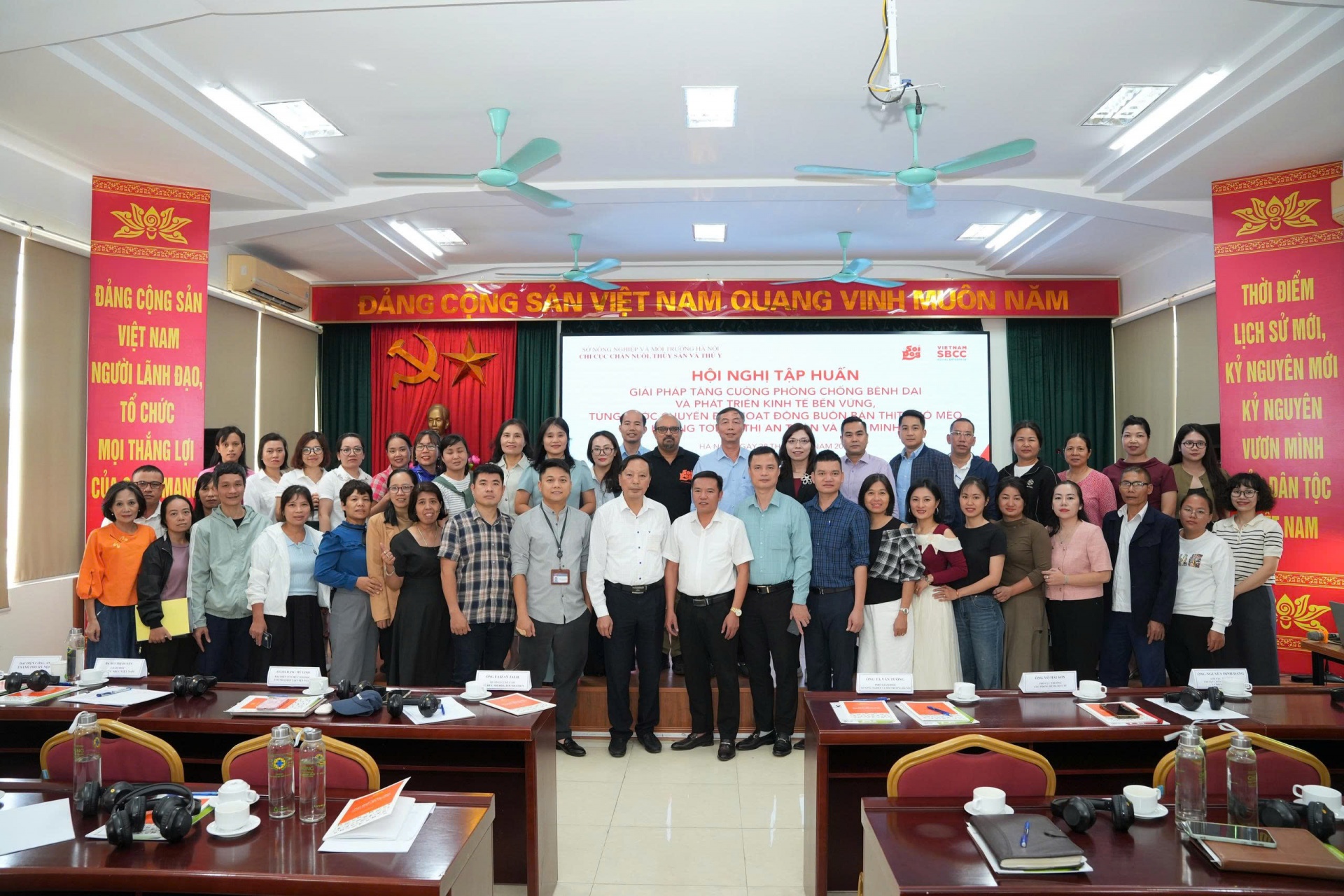 |
| Photo: SBCC Vietnam |
Most people working in the dog and cat meat trade are already aware of the disease and health risks. The biggest barrier to change is securing an income for their families. A legal framework sets the direction for control, but what motivates people to move into a new line of work is the prospect of real, more sustainable ways to make a living.
With this in mind, over the past year, the project has held five livelihood transition workshops and three hands-on vocational training courses, covering online sales, drink-making, and South Korean-style cooking. Explaining this approach, Duyen said, "Working directly with people at the grassroots, we see that lasting change always begins by rolling up our sleeves together with them. When people are equipped with new skills, practise them with their own hands, and see a stable income from safer work, they become confident and take the initiative to open a new path for their families."
In Tay Mo ward, Nguyen Van Hung, a former dog and cat meat business owner who has switched to running a billiards club and drinks business, said, "Thanks to the project, I learned everything from online sales to drink-making and cooking. Knowing how to use technology helps my shop attract new customers without depending too much on its physical location."
Thanks to these practical livelihood solutions, voluntary transition has gained strong momentum. Before the training held in May 2026, only seven businesses had voluntarily closed; the number has since risen to 28. Commenting on this positive shift, Ngo Dinh Loat, deputy director of Hanoi Sub-Department of Livestock, Fisheries and Veterinary Medicine, said, "Field reviews in the pilot wards show that more and more businesses are voluntarily stopping operations and registering for the sustainable livelihood transition programme."
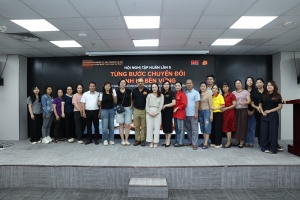
 | Livelihood Transition Training Conference contributes to rabies prevention and food safety development The Fourth Livelihood Transition Training Conference, themed “Gradually Transitioning Toward Sustainable Livelihoods: From Dog and Cat Meat Trading and Slaughtering to Sustainable, Safe and Civilised Occupations” took place in Hanoi on July 24. |
 | Training conference helps workers transition out of dog and cat meat trade A training conference was held in Hanoi on September 16 to facilitate the transition of workers from the trading and slaughter of dogs and cats. |
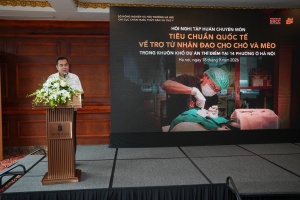 | Hanoi scales up training on humane euthanasia standards for dogs and cats Hanoi has expanded training on international standards for the humane euthanasia of dogs and cats to 120 ward officials, veterinary staff, and clinics. |
What the stars mean:
★ Poor ★ ★ Promising ★★★ Good ★★★★ Very good ★★★★★ Exceptional
 Tag:
Related Contents





Latest News
More News
- MAGGI launches air fryer coating mix for simpler home cooking (October 13, 2026 | 11:28)
- Nestlé PURINA to meet cat nutrition demand (September 23, 2026 | 08:57)
- Hanoi scales up training on humane euthanasia standards for dogs and cats (September 19, 2026 | 11:00)
- Training conference helps workers transition out of dog and cat meat trade (September 16, 2026 | 18:36)
- Ho Chi Minh City's 50th celebrated through community stories (September 16, 2026 | 11:52)
- Mia Luxury Collection reimagines Vietnamese heritage (August 17, 2026 | 10:36)
- IKI launches multisensory experience and symphony series (August 15, 2026 | 20:00)
- Sedona SkyRun concludes latest race above Ho Chi Minh City (August 11, 2026 | 08:00)
- What propelled East West Barbershop into world's Top 10 grooming brands? (August 06, 2026 | 09:22)
- Livelihood Transition Training Conference contributes to rabies prevention and food safety development (July 24, 2026 | 17:14)







 Mobile Version