
ESG-driven sustainability to define Vietnam’s green real estate

According to the Emerging Real Estate Trends in Vietnam 2025 report released on September 18 by Indochina Capital, sustainability has emerged as one of the top 10 defining trends shaping the market.
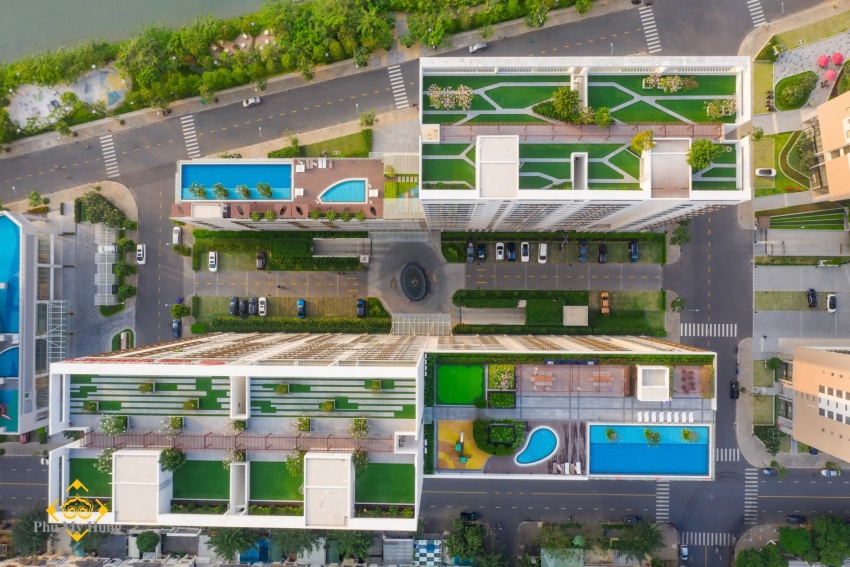
In the context of globalisation and mounting climate change pressures, sustainability and ESG (environmental, social, and governance) standards have become integral to investment decisions, particularly in real estate. Green certifications, energy efficiency, and the retrofitting of older buildings to comply with ESG standards are increasingly prioritised.
In Vietnam, this trend is moving in tandem with ESG-oriented investment flows, especially in green projects, industrial zones, and residential developments catering to experts. Flexible partnership models such as phased co-development or partial project transfers are gaining traction to optimise capital and mitigate risks.
 |
At the national level, more than 85 per cent of Vietnam's 500 fastest-growing companies have either implemented or are planning ESG commitments, the report highlights. This shift not only signals a transformation among local businesses but also creates compelling opportunities for both domestic and foreign investors.
Vietnam has pledged to achieve net-zero emissions by 2050, underscoring the government's determination to accelerate renewable energy and sustainable development. The issuance of Decree No.80/2024/ND-CP on direct power purchase agreements has established a critical legal framework to promote renewable energy and support sustainability goals. This move enables enterprises to secure access to clean energy while attracting capital inflows from international funds seeking sustainable projects.
In parallel, administrative boundary adjustments and infrastructure upgrades are opening fresh development space, particularly in areas such as Haiphong and suburban zones of Hanoi and Ho Chi Minh City. These changes are not only creating opportunities for real estate projects, but also bolstering the growth of industrial parks, key magnets for foreign and domestic investors alike.
Nevertheless, the market still faces hurdles including valuation disparities, complex legal procedures, and post-merger risks. To unlock full potential, mergers and acquisitions (M&A) should be approached as long-term strategic collaborations, with an emphasis on synergies, sustainability, and future orientation.
While short-term profitability remains challenging, Vietnam's fundamentals rapid urbanization, a young population, rising housing and infrastructure demand, coupled with steady and sustainable foreign direct investment, continue to make the M&A landscape one of the most attractive in Asia. In this context, sustainability is no longer an option but a prerequisite for long-term growth.
Vietnam's real estate transformation towards sustainability is not merely a trend but an investment opportunity with strong appeal to both local and global investors. With robust policy backing from the government and strong commitments from enterprises, Vietnam's sustainable real estate market is poised for vigorous growth in the coming years. Investors who proactively embrace this trend will be best positioned to capture valuable opportunities amid a fast-changing global economy.
What the stars mean:
★ Poor ★ ★ Promising ★★★ Good ★★★★ Very good ★★★★★ Exceptional
 Tag:
Tag:
Related Contents
Latest News

More News
- Lotte Properties and Phat Dat develop Thu Thiem Eco Smart City (May 27, 2026 | 22:18)
- Greening construction material market: the time is now (May 22, 2026 | 09:37)
- Last opportunity to own real estate in heart of Thao Dien (May 06, 2026 | 09:35)
- IOM and partners launch new SMEs guidance for construction and materials industry in Vietnam (April 24, 2026 | 17:25)
- Workshop guides construction firms on carbon rules (April 24, 2026 | 12:28)
- Malaysian tycoon SkyWorld brings sustainable homes to Vietnam (April 23, 2026 | 08:00)
- Green real estate labels mask deeper capital market divides (April 20, 2026 | 08:00)
- Ministry of Construction drafts criteria to assess urban climate resilience (April 14, 2026 | 17:05)
- Hyundai HT to expand smart home and building in Vietnam (April 01, 2026 | 13:20)
- New urbanisation cycle set to define Vietnam's next decade of growth (March 17, 2026 | 21:00)








 Mobile Version