

Chinese investors seek investment opportunities in Bac Ninh

Several large enterprises are also encouraging long-term investment plans in the locality. In late May, a delegation of Chinese enterprises met the province’s leadership to discuss policies related to energy storage, AI computing infrastructure, power supply capacity and industrial park resources.
 |
The delegation focused discussions on the development direction for high-performance computing and green energy storage, investment policies, incentives for high-tech projects, and next-generation digital infrastructure.
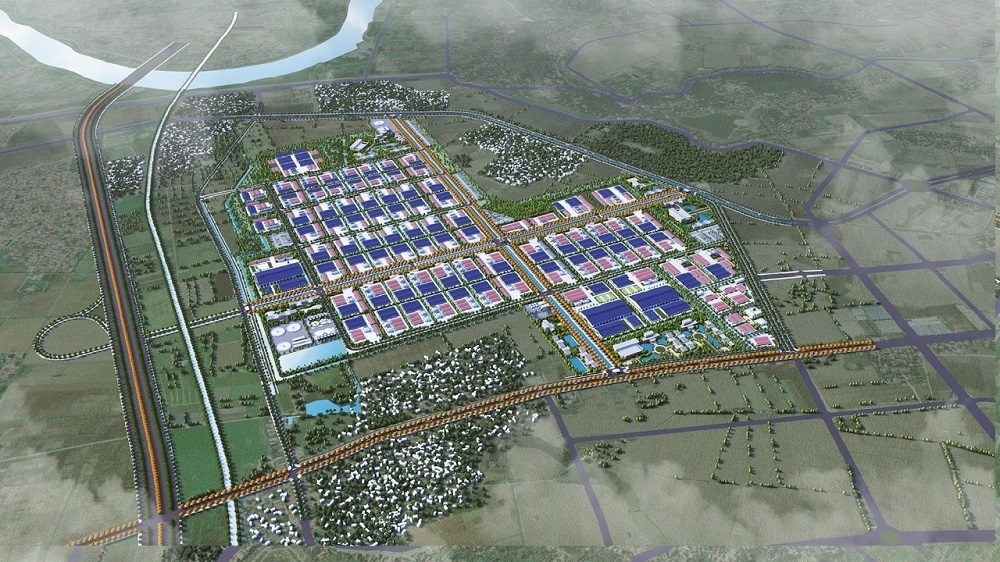
To meet increasing investment demand from investors, the province plans to develop a 5,000-hectare free trade zone linked to the planned Gia Binh International Airport under its revised provincial development plan.
Alongside this, the province is also encouraging the synchronised investment in transportation infrastructure, railways, electricity, and telecommunications to meet the requirements of high-tech industry development and the digital economy in the new era.
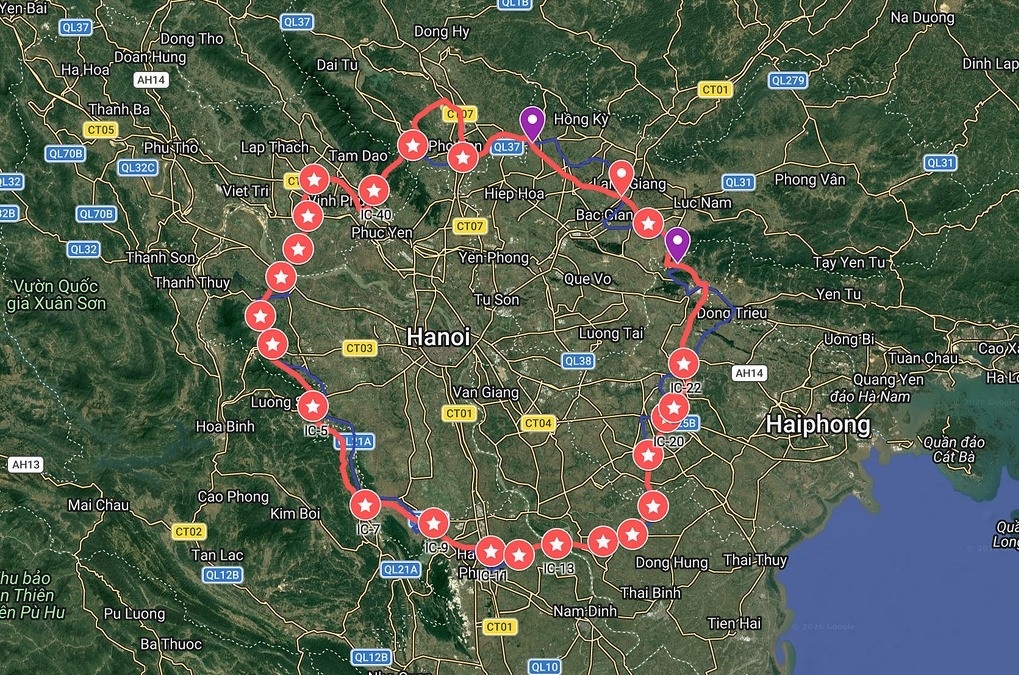
The province also plans major investments in transport infrastructure, including Gia Binh International Airport, Ring Roads 4 and 5, airport links to Hanoi, the Lao Cai-Hanoi-Haiphong railway, the Hanoi-Quang Ninh high-speed railway, and urban rail networks.
Bac Ninh identifies the semiconductor industry as a key sector, while gradually expanding into green industries, clean energy, and renewable energy, such as wind power and rooftop solar power.
In the first five months of 2026, Bac Ninh attracted over $7.18 billion in investment capital, including 98 newly licensed domestic investment projects with registered capital exceeding $5.5 billion, 38 adjusted domestic projects worth over $247.2 million; 142 newly licensed foreign-invested projects with registered capital exceeding $466 million; and 114 adjusted foreign-invested projects with a total additional capital increase of over $992 million.
In terms of foreign direct investment attraction, Bac Ninh ranks fifth nationwide, following Thai Nguyen, Ho Chi Minh City, Nghe An, and Tay Ninh.
After merging with Bac Giang, Bac Ninh province was assessed as a "super-industrial province," with the fifth-largest economy in the country.
Bac Ninh province currently has 43 industrial parks approved for planning, with a total area of over 13,000ha; of which 36 industrial parks have been approved for investment policy, with an area of about 10,500 ha.
 | MSR shares woo investors ahead of HSX listing Masan Group Corporation on May 13 announced the successful sale of nearly 22 million shares in its subsidiary Masan High-Tech Materials. |
 | Phu Tho calls on Spanish investment in high-tech, green growth projects Phu Tho province has called on Spanish businesses to invest in high-tech and green growth projects, offering tax incentives, fast-track procedures, and expanding industrial infrastructure. |
 | Thai developer WHA seeks approval for Danang Industrial Park Thai industrial estate developer WHA Industrial Development International has submitted an application to build a new industrial park in Danang. |
 | Phu Tho promotes investment opportunities in Sweden, seeking partnerships in high-tech industries and green growth A delegation from Phu Tho province has met with Swedish technology companies and industrial groups to promote investment in innovation, digital transformation, and sustainable development. |
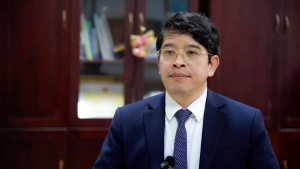 | Highly skilled workforce and fiscal incentives key to driving high-tech growth As Vietnam seeks to move up global value chains, workforce quality is becoming a key competitive advantage. Assoc. Prof. Nguyen Dinh Tho examines how fiscal policy can help build a skilled workforce to support the country's high-tech ambitions. |
What the stars mean:
★ Poor ★ ★ Promising ★★★ Good ★★★★ Very good ★★★★★ Exceptional
 Tag:
Tag:Related Contents



Latest News

More News
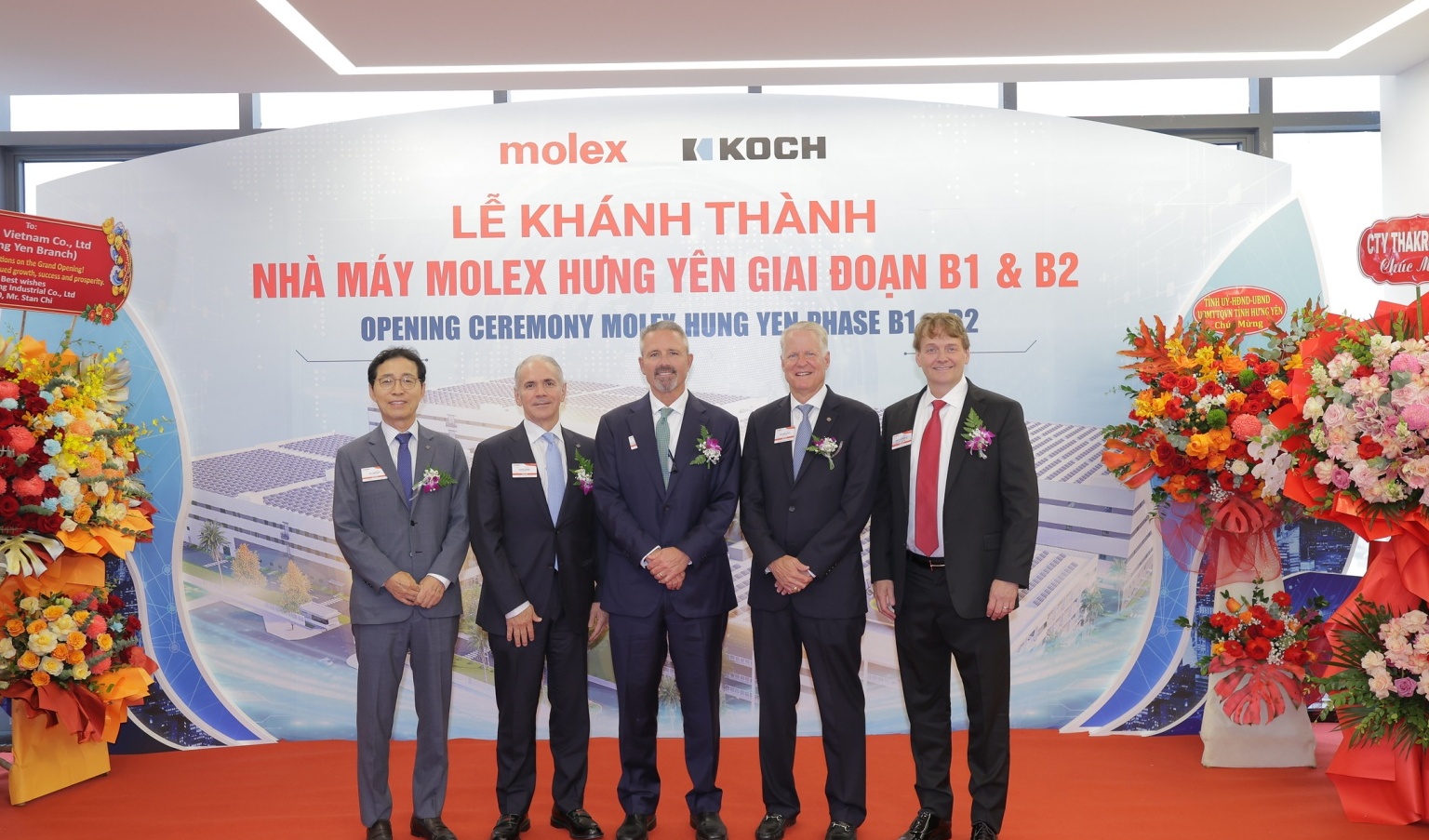
- Molex opens its expanded manufacturing facility in Hung Yen (September 17, 2026 | 15:57)
- SACE announces $200 million financing for VinFast Vietnam (September 17, 2026 | 15:52)
- World Bank Group supports Vietnam's trade connectivity and coastal livelihoods (September 16, 2026 | 18:24)
- Beacon Fund invests in Vipep to strengthen Vietnam's agricultural value chain (September 15, 2026 | 16:11)
- Electronics FIEs asked to expand Vietnamese supplier networks (September 15, 2026 | 15:50)
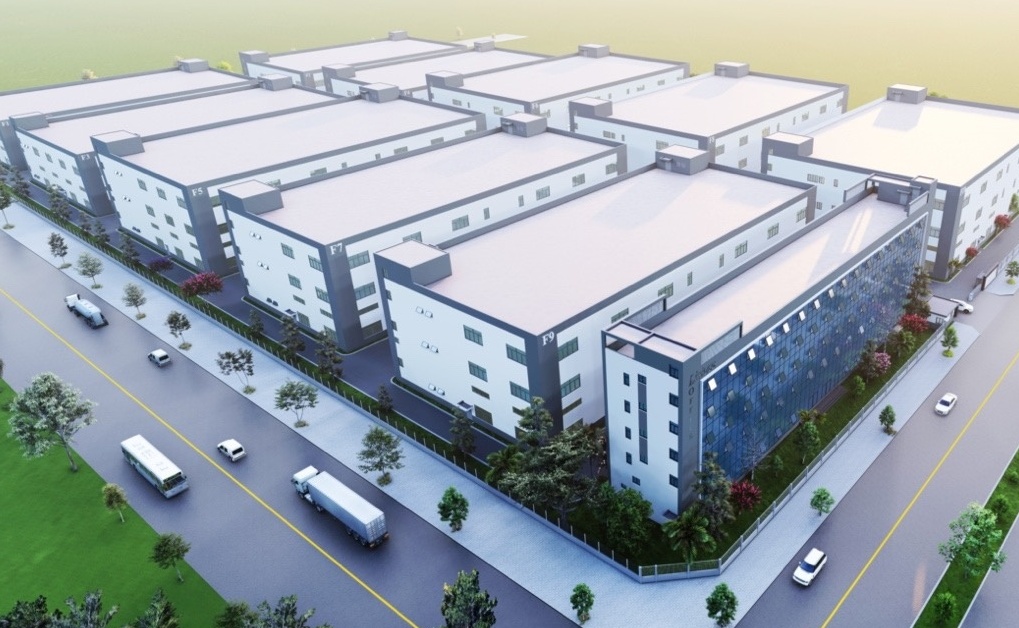
- Hung Yen accelerates infrastructure development (September 14, 2026 | 15:36)
- New decree aims to modernise contractor selection procedures (September 14, 2026 | 14:46)
- AEON continues Vietnam expansion with two new malls (September 13, 2026 | 10:21)
- Vietnam turns to specialised chips for its semiconductor industry (September 11, 2026 | 17:43)
- AEON accelerates expansion with 10th shopping centre in Vietnam (September 11, 2026 | 13:53)






 Mobile Version