

Vietnam must build talent and innovation to attract quality investment

 |
What is the most significant innovation in the Politburo's new approach to foreign investment under Resolution No.10-NQ/TW?
The resolution aligns foreign investment with Vietnam's long-term national strategy. Rather than treating investment from overseas as an end in itself, it positions investment as a tool to achieve the country's broader development goals.
This shift is particularly important in an increasingly volatile geoeconomic environment. Vietnam's earlier growth model relied heavily on cost competitiveness, which made the economy more vulnerable when global trade conditions changed. By moving towards higher-value industries and strategic sectors, Vietnam becomes less dependent on low labour costs and better positioned for long-term growth.
This does not eliminate risk. Strategic industries are more exposed to geopolitical pressures, particularly around technology transfer and national security. Vietnam should therefore continue diversifying its economic partnerships while maintaining its balanced approach towards both the United States and China.
The transition would be necessary even without today's geopolitical uncertainty. Cost advantages inevitably diminish as wages rise, and every successful economy eventually has to move up the value chain.
It also creates new opportunities for young Vietnamese. Expanding high-value jobs in technology, research and advanced manufacturing will encourage more students to pursue science, tech, engineering, and maths (STEM) subjects, strengthening Vietnam's future talent pool.
There is new emphasis on research and development centres and attracting leading technology companies. What should Vietnam do to become a more attractive destination for high-tech investment?
A skilled workforce remains one of the most important considerations for technology investors. Vietnam has made STEM education a national priority, but challenges remain, particularly in teacher training, resources in rural areas and relatively low enrolment in university-level STEM programmes compared with other Asian economies.
Strengthening STEM teaching capacity and improving access to resources would help build the talent pipeline that knowledge-intensive investment requires.
Intellectual property protection is equally important. Companies investing in research need confidence that patents and trade secrets will be protected. Vietnam has strengthened its legal framework through trade agreements and recent reforms, but effective enforcement is what ultimately builds investor confidence. Continued progress in this area will make the country more attractive to high-value investors.
The resolution also stresses stronger links between foreign investors and domestic businesses. How can Vietnam help local firms integrate more deeply into global supply chains?
The key is improving domestic firms' absorptive capacity, the ability to understand, adopt and apply knowledge and technology brought by foreign investors.
Many local companies simply do not know where they fall short of international suppliers' requirements. Existing supplier support programmes could therefore focus more on helping firms meet tier-one supplier standards and providing follow-up support to ensure improvements are sustained.
Workforce development should also be closely linked to vocational education. Curricula designed jointly by industry and education providers can ensure graduates possess skills that employers actually need. At the same time, training should provide transferable qualifications rather than firm-specific skills, so workers remain mobile within the labour market.
Investment incentives should also be carefully designed. Incentives tied to clear objectives, such as local employment or technology transfer, are generally more effective than broad tax concessions. However, policymakers should ensure such incentives encourage genuine productivity gains rather than simply increasing headcount.
Suitable personnel are essential for attracting overseas funding. What role can universities such as RMIT play?
Universities are central to developing the talent these industries require. At RMIT University, close partnerships with industry allow students to work on real business challenges, often involving the same multinational companies Vietnam hopes to attract. This helps graduates enter the workforce with both strong theoretical knowledge and practical problem-solving skills.
Universities can also play a larger role in innovation. International research shows that collaboration between universities and businesses improves companies' innovation capabilities and their ability to absorb new knowledge. Joint research projects have been shown to produce higher-quality patents, particularly in technology-intensive industries.
Expanding funding for research partnerships between universities and industry in strategic sectors would therefore strengthen Vietnam's innovation ecosystem while supporting its goals.
Many countries are competing for high-quality foreign backing. What advantages does Vietnam already have, and where does it still need to improve?
Vietnam enters this competition with several important strengths, including its proximity to China, political stability, a pragmatic economic strategy and participation in multiple free trade agreements.
However, these advantages are not unique. Other Asian economies offer similar conditions, meaning Vietnam must continue strengthening areas where competitors are ahead.
One priority is expanding the STEM talent pipeline by improving education quality and encouraging greater participation in science and engineering at university.
Another challenge is helping small and medium-sized enterprises upgrade to meet the standards expected by strategic investors. Many small- and medium-sized enterprises are reluctant to invest because they are uncertain whether the returns will justify the financial risk.
Developing alternative financing mechanisms that reduce this risk, alongside stronger supplier development programmes, would make it easier for domestic firms to upgrade their capabilities and participate more fully in global value chains.
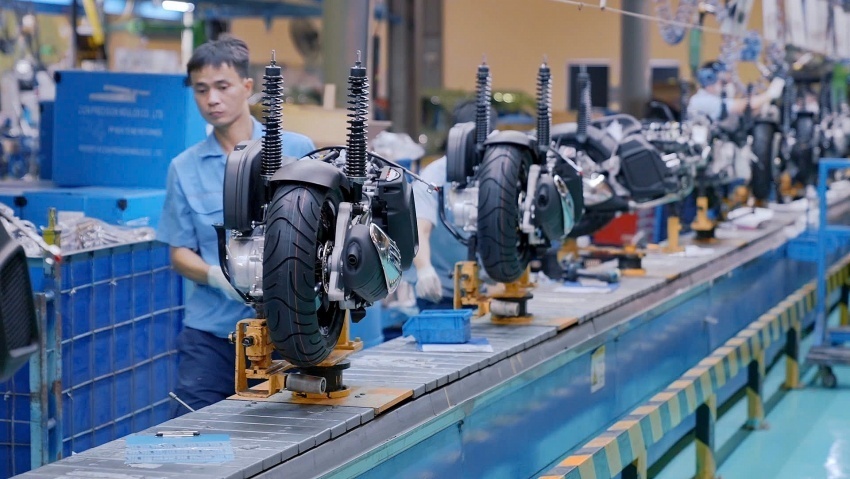
 | Manufacturing boosted by FDI, export recovery and public investment Vietnam's industrial sector remained a key growth engine in the first half of 2026, supported by robust manufacturing, recovering export orders, stronger foreign investment and more public investment. |
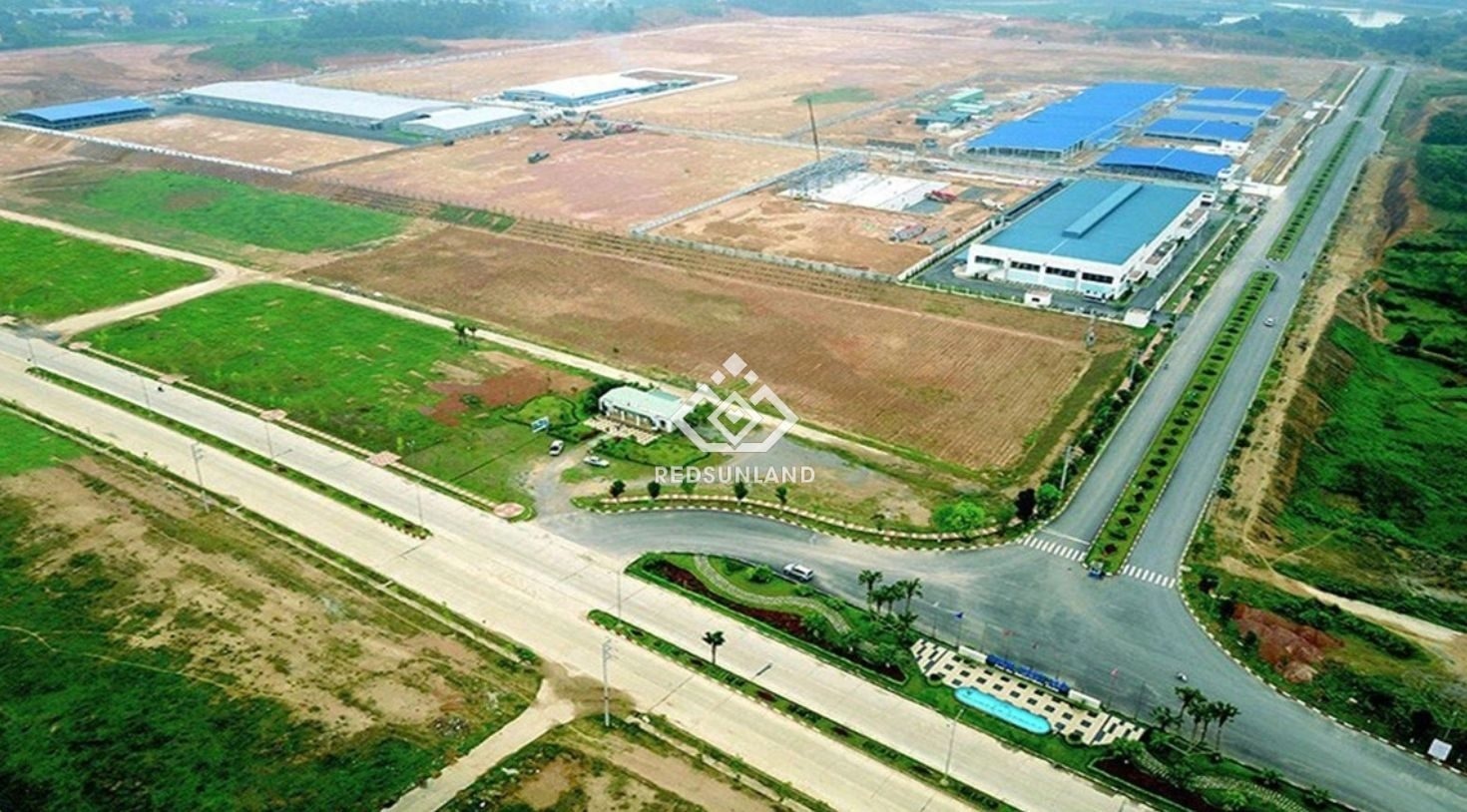
 | Industrial real estate stocks gain fresh momentum from FDI and policy support Vietnam's industrial real estate stocks are expected to benefit from a recovery in foreign direct investment (FDI) inflows, supportive government policies and rising investment in high-tech industries, strengthening the sector's medium-term growth outlook. |
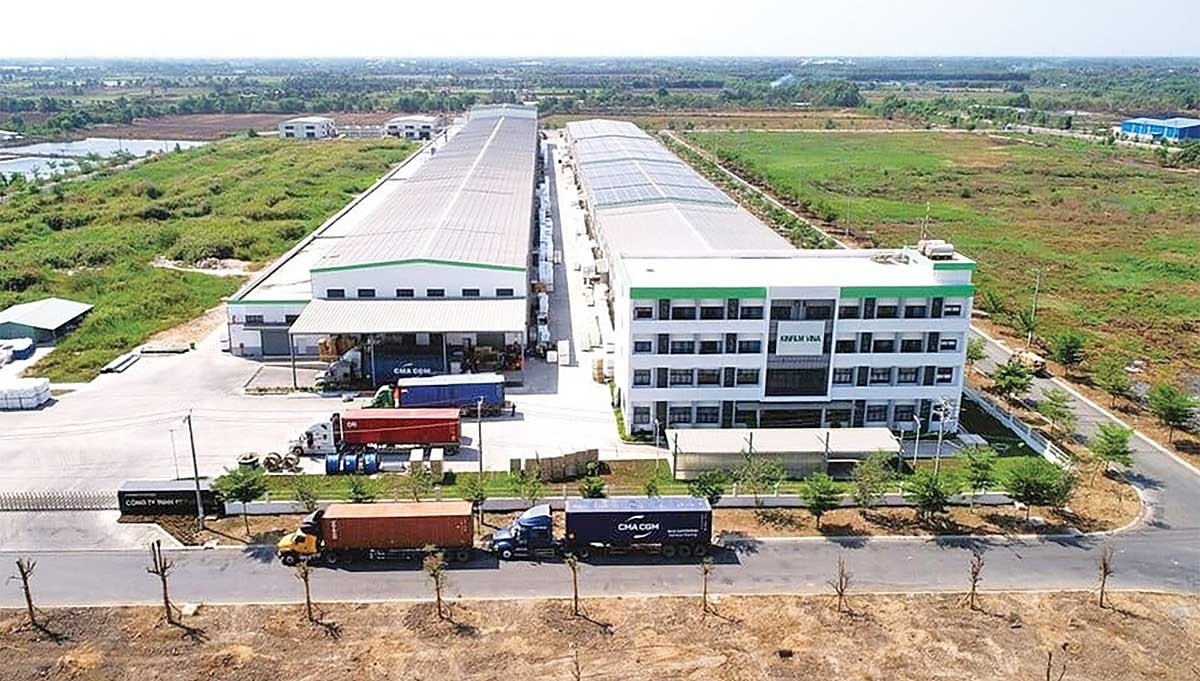
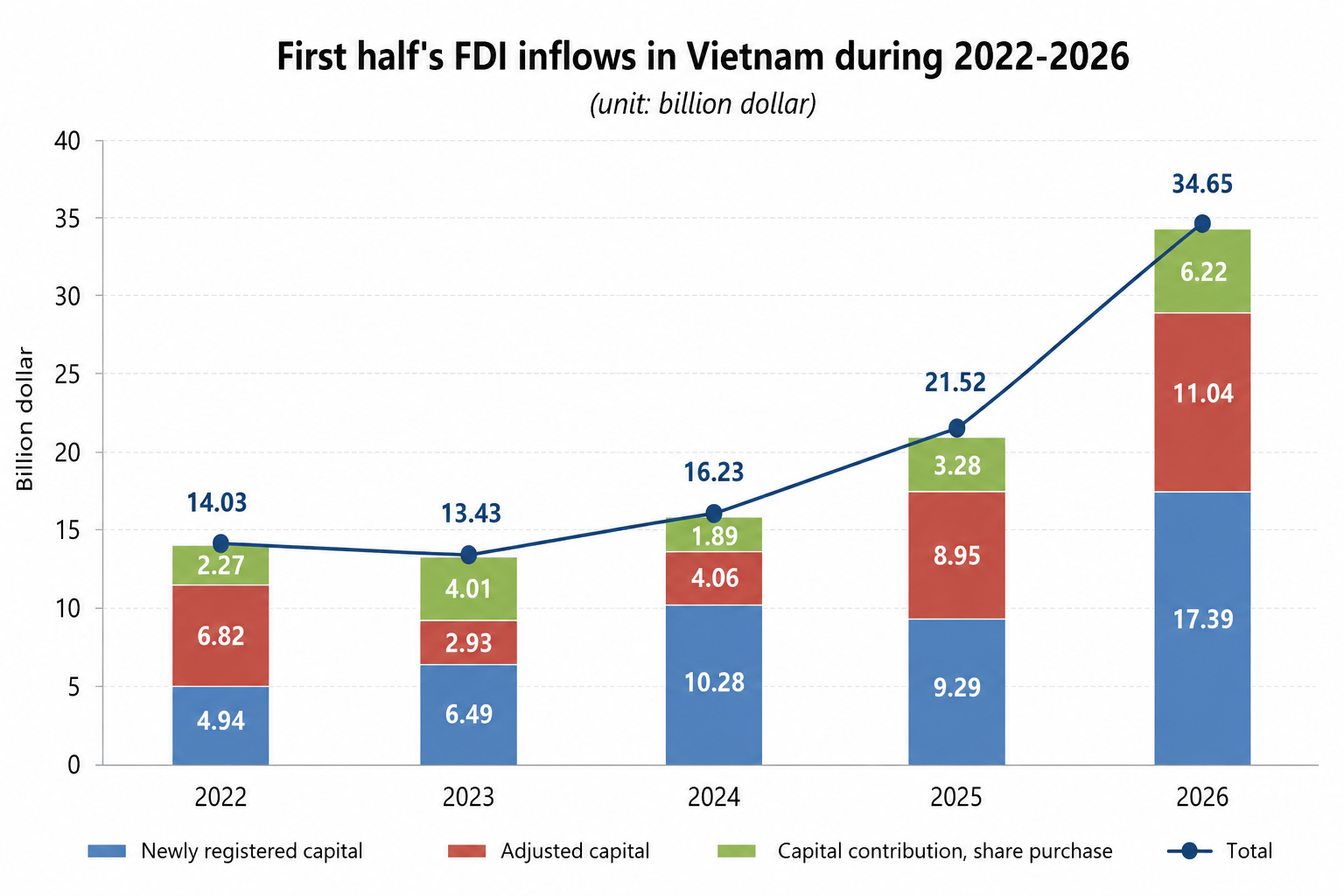 | Vietnam's realised FDI reaches five-year high in first half Foreign direct investment disbursed in Vietnam was estimated at $13.03 billion in the first six months of 2026, up 11.2 per cent on-year. This marks the highest level of realised FDI for the first half of a year over the past five years. |
What the stars mean:
★ Poor ★ ★ Promising ★★★ Good ★★★★ Very good ★★★★★ Exceptional
 Tag:
Tag:Related Contents





Latest News





More News
- Vietnam can lead the way in AI regulatory system (September 04, 2026 | 09:00)
- Vietnam's next cycle: capital shifts from low-cost manufacturing to higher-value investment and M&A (August 26, 2026 | 14:51)
- Significant steps made in related-party transactions (August 21, 2026 | 15:51)
- New challenges for workforce data and HR policy management with PIT changes (August 17, 2026 | 10:32)
- Leading in AI: from pilot initiatives to enterprise value (August 10, 2026 | 07:00)
- Programme launched to develop new Vietnamese business leaders (July 28, 2026 | 13:50)
- AI-ready workforce key to Vietnam's next decade, analysts say (July 01, 2026 | 15:55)
- VIFC shouldn't try to be Dubai, says VinaCapital chief economist (June 24, 2026 | 14:17)
- Highly skilled workforce and fiscal incentives key to driving high-tech growth (June 17, 2026 | 16:17)
- KPMG and Anthropic to redefine client services with artificial intelligence tie-up (May 25, 2026 | 08:00)









 Mobile Version