
Vietnam faces sharper competition in global manufacturing reshuffle

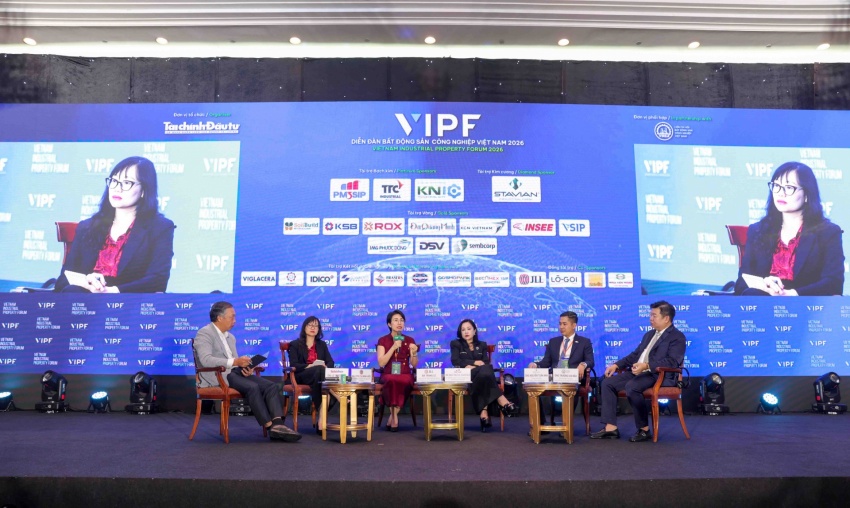 |
| VIPF 2026 took place on September 29 in Ho Chi Minh City. Photo: Le Toan |
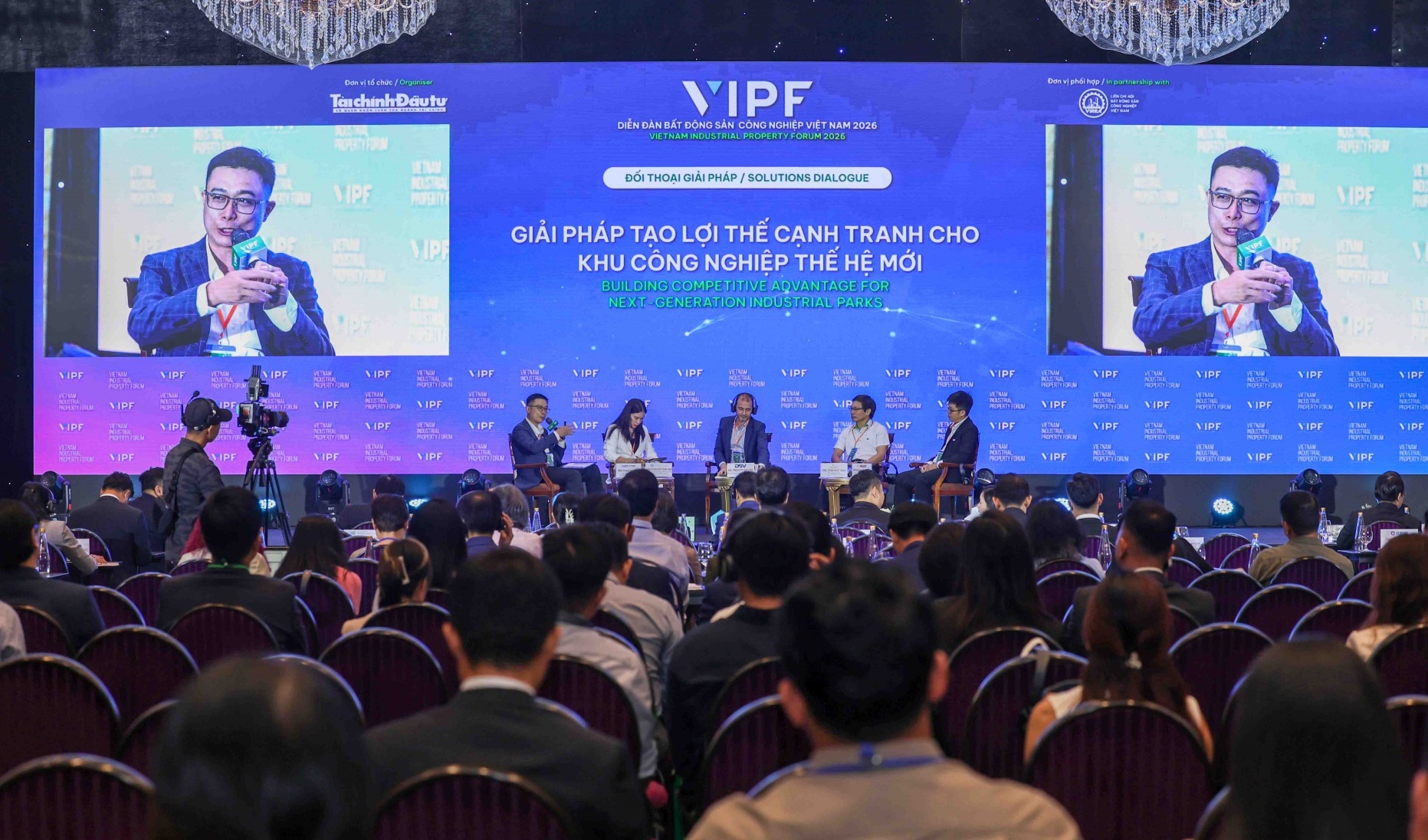
The Vietnam Industrial Property Forum (VIPF) was co-organised by VIR and the Vietnam Industrial Real Estate Association in Ho Chi Minh City on September 29. At a panel discussion on Vietnam's role in the global production reshuffle, Trang Le, country head and head of Research and Consulting at JLL Vietnam, said the latest data showed a significant shift in the regional distribution of manufacturing foreign direct investment (FDI).
Vietnam accounted for less than 5 per cent of manufacturing FDI in the region in 2019, before its share rose sharply to 18 per cent in 2020-2021. The latest data, however, put the figure back below 5 per cent, while Indonesia and Thailand have moved ahead, she said.
“Vietnam remains in the top three destinations, but competition from neighbouring countries is becoming increasingly clear,” Trang said.
"Northern Vietnam has increasingly emerged as a destination for technology-intensive foreign investment and higher-value supply chains, while the south has developed stronger advantages in logistics, supply-chain connectivity, and serving the domestic market and import-export activities," she added.
This regional specialisation could help investors identify locations according to their production needs, she said. Electronics component manufacturing, for example, may find stronger advantages in the north, while logistics and regional supply-chain operations can benefit from the south’s ecosystem.
For Vietnam, the key question is increasingly about the scale and pace of development, rather than simply whether the country can attract investment.
“The question is no longer what opportunities Vietnam has, but how fast and at what scale Vietnam will develop in the coming period,” she said. “The key factors are efficiency and labour productivity.”
As Vietnam moves from a cost-based investment proposition towards higher-quality FDI, its ability to absorb new investment, provide integrated infrastructure, and develop skilled workers will become increasingly important, she added.
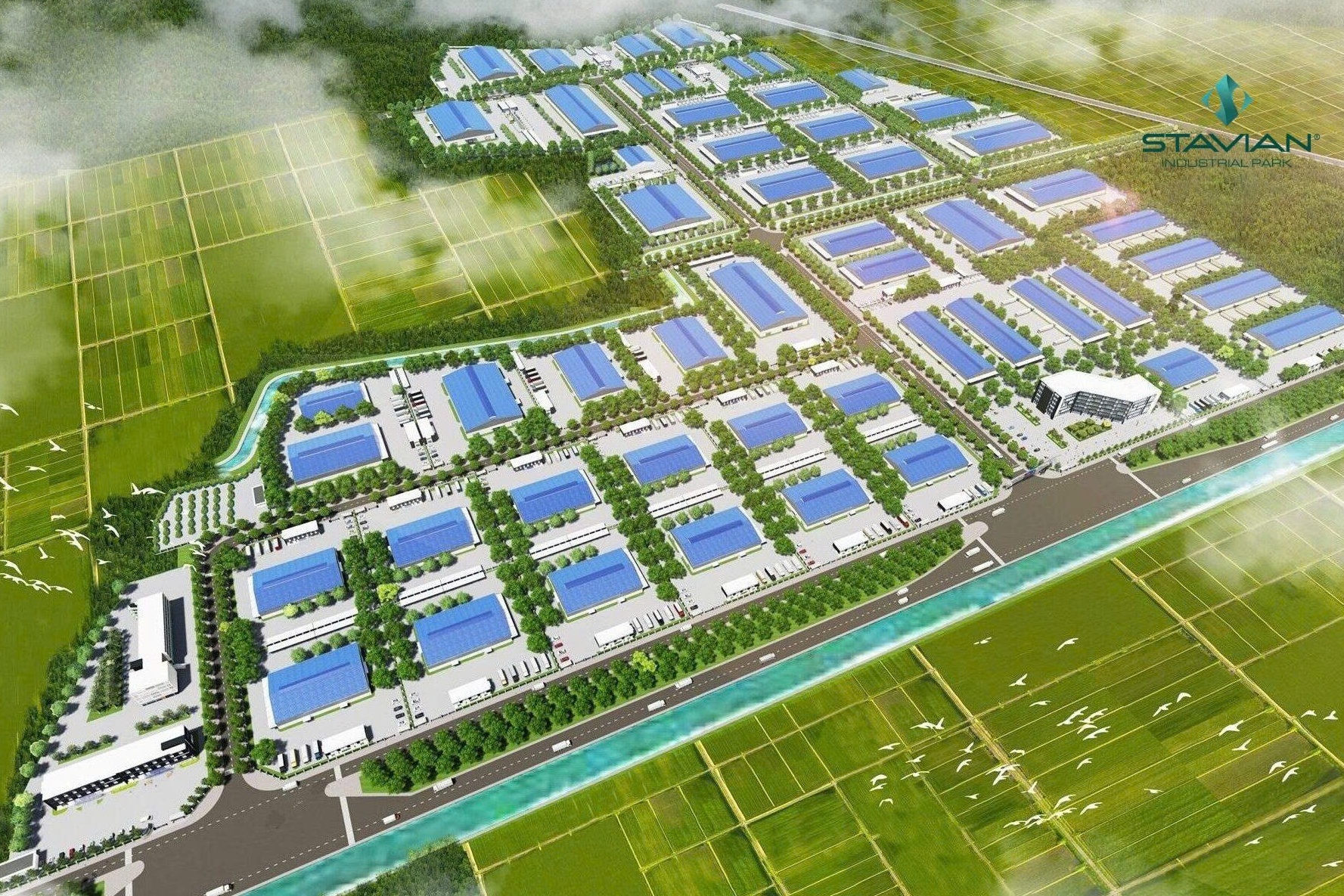
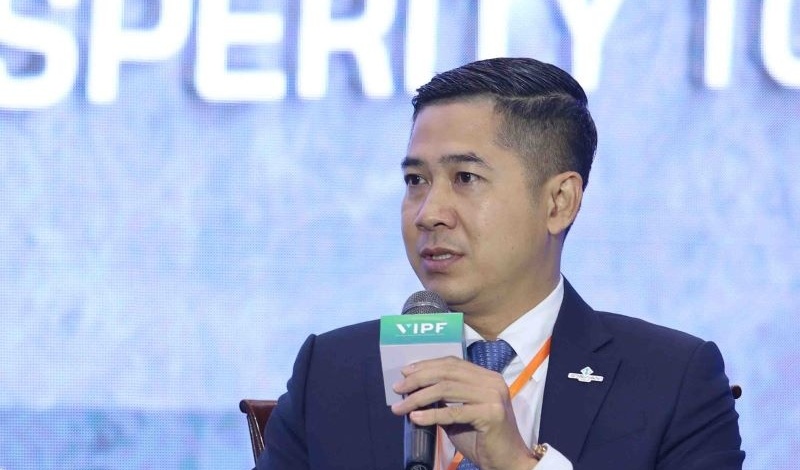
From the perspective of manufacturers exporting to demanding markets such as Europe, Japan, and the US, the quality of the investment environment is increasingly measured by how quickly and predictably projects can be brought into operation, said Nguyen Tuan Anh, general director of Stavian Industrial Park JSC.
He said investors could accept procedures taking longer than initially expected, provided authorities clearly communicate the expected timeline.
“Investors do not necessarily demand that every procedure be completed immediately. What they need is transparency and notice of the timeline,” Anh said. “If the process takes longer, they need to know how long it will take so they can plan production, deliveries, and financial commitments.”
He also highlighted the need for closer cooperation between industrial-park developers, businesses, and educational institutions to develop a workforce suited to high-tech manufacturing.
Vietnamese workers have demonstrated an ability to learn technical skills and absorb new technologies quickly, he said, but companies cannot simply wait for the workforce to acquire the necessary skills on its own.
“Businesses and industrial-park infrastructure developers need to work proactively with universities and colleges to train workers for specific occupations and technical standards,” Anh said.
The shift towards greener production is another factor shaping decisions, particularly among European manufacturers. Anh said companies seeking to serve European markets increasingly had to meet requirements related to green development and renewable energy.
At his company, this has included investment in rooftop solar power, battery energy storage systems, clean-power purchasing, and an independent clean-water supply system. He said combining rooftop solar with battery storage had helped reduce production electricity costs.
"The broader implication is that industrial parks increasingly need to provide investors with an integrated ecosystem rather than simply industrial land and basic infrastructure," he said.
Nguyen Thi Thao Nhi, chairwoman and CEO of Thanh Binh Phu My JSC, said the latest wave of 'China +1' investment differed considerably from the movement seen five years ago.
Earlier investors were often focused on quickly establishing production capacity and using Vietnam as an export base. Large Chinese manufacturers now increasingly seek industrial parks that meet sustainability requirements around environmental, social, and governance standards and provide a complete supporting ecosystem.
“The ‘China +1’ strategy today is very different from five years ago. Large Chinese groups are increasingly looking for sustainable industrial parks, strong infrastructure, supporting industries, and an ecosystem that can support their long-term operations,” Nhi said.
She said the transition from traditional industrial parks to new-generation, sustainable parks was also creating a cost challenge. New-generation parks require substantial upfront investment in integrated infrastructure, raising development costs and, consequently, land rents.
Administrative procedures remain another constraint. Nhi said, investors can face lengthy processes involving investment approval, environmental permits, fire prevention and fighting requirements, and basic design procedures, even after choosing industrial parks where roads, power, water, and wastewater treatment infrastructure are already available.
She said delays could undermine investors’ ability to meet production and delivery schedules. At Phu My 3 Industrial Park, where the developer has pursued an ecological and sustainable development model, Nhi said two factory expansion projects had been held up for months amid difficulties arising from overlapping environmental regulations and requirements concerning wastewater connections and centralised treatment.
“Without substantive administrative reform, we risk missing opportunities to attract major investors,” she said.
Truong Gia Bao, vice chairman of the Vietnam Industrial Real Estate Association’s chapter, said investors were becoming more selective about the ecosystems surrounding industrial parks.
He said the latest wave of Chinese manufacturers was being driven partly by excess production capacity, weaker margins, and pressure to diversify production.
“These are manufacturers looking for long-term operations in Vietnam. They are paying close attention to industrial-park ecosystems, input materials, supporting companies, and the ability to supply both the Vietnamese market and the wider ASEAN region,” Bao said.
This means industrial infrastructure developers will play an increasingly important role in determining Vietnam’s ability to capture a larger share of the global production shift.
From the government’s perspective, Vuong Thi Minh Hieu, deputy director of the Foreign Investment Agency under the Ministry of Finance, said reforms were being pursued in several areas, including greater decentralisation to provincial authorities, strategic infrastructure development, regional connectivity, and new economic models.
She said the government was also working on mechanisms to provide more flexible incentives for large-scale strategic ventures.
For eco-industrial parks, the government’s policy direction includes expanding the share of industrial parks operating under ecological models. Resolution No.10-NQ/TW, issued in June 2026, sets a target for eco-industrial parks, including converted and newly established parks, to account for about 10 per cent of the country’s total by 2030.
Vietnam has also established a regulatory framework for eco-industrial parks, including mechanisms for industrial symbiosis, green credit, and preferential financing. The framework has been further developed through regulations guiding eco-industrial park development.
Hieu said stronger links between foreign-invested companies and domestic enterprises would remain an important part of the policy agenda.
The discussion pointed to a broader shift in Vietnam’s competition for manufacturing investment: industrial land and low costs are increasingly only the starting point. Infrastructure quality, workforce capabilities, regulatory predictability, green energy, supporting industries, and regional connectivity are becoming integral parts of the investment proposition
What the stars mean:
★ Poor ★ ★ Promising ★★★ Good ★★★★ Very good ★★★★★ Exceptional
 Tag:
Tag:Related Contents


Latest News
More News
- Enterprises honoured for sustainability in industrial parks (October 06, 2026 | 11:49)
- Honouring businesses in Vietnam’s industrial property development (October 05, 2026 | 18:31)
- Soilbuild wins three awards at Green Future Awards 2026 (October 05, 2026 | 18:23)
- Vietnam emerging as an industrial location of choice (October 05, 2026 | 16:21)
- Investors interest amid ongoing reshuffling of global manufacturing (October 02, 2026 | 22:10)
- LŌ-GOI Group sets up industrial estate venture with three Asia-based institutional investors (October 02, 2026 | 16:00)
- Stavian IP accelerates its modern expansion (October 02, 2026 | 14:00)
- ESG for future-ready industrial success (October 02, 2026 | 09:00)
- Green Future Awards honour five leading industrial park developers (October 01, 2026 | 22:20)
- Green transition leaders honoured at Green Future Awards 2026 (October 01, 2026 | 22:10)








 Mobile Version