
Vietnam and EFTA conclude free trade agreement negotiations

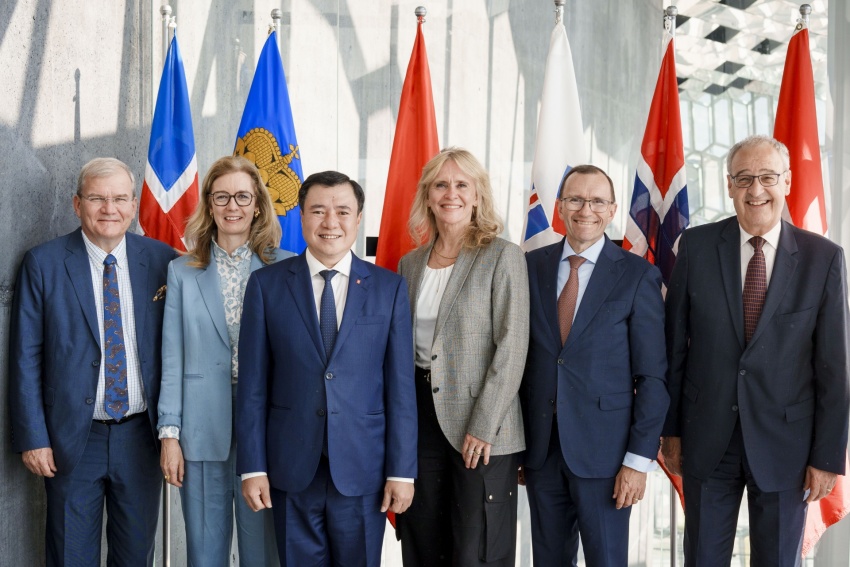 |
| Photo: MoIT's website |
The European Free Trade Association (EFTA) and the Vietnamese governmentannounced the conclusion of their free trade agreement (FTA) negotiations on July 2, following the EFTA Ministerial meeting in Reykjavík on June 22. The agreement is expected to improve market access and lower tariffs across a wide range of products. EFTA comprises Iceland, Liechtenstein, Norway, and Switzerland – economies known for strengths in advanced manufacturing, finance, innovation, clean energy, and high-value technologies.
The FTA covers a broad range of areas, including trade in goods and services, rules of origin, sanitary and phytosanitary measures, technical barriers to trade, investment, intellectual property rights, trade remedies, government procurement, trade and sustainable development, small and medium-sized enterprises, as well as cooperation and capacity building.
Speaking at the June 22 EFTA Ministerial meeting, in his capacity as EFTA spokesperson, Minister Espen Barth Eide said, "At a time of global uncertainty, strengthening ties with trusted trade partners is more important than ever. I am pleased that we have reached an ambitious and forward-looking free trade agreement that will significantly improve market access for goods and services, while also strengthening cooperation in areas such as trade and sustainable development and intellectual property rights,"
"By ensuring more predictable conditions, I am confident that the EFTA–Vietnam agreement will open up new commercial opportunities for businesses across the EFTA States and Vietnam," he added.
Vietnam's Deputy Minister of Industry and Trade Nguyen Sinh Nhat Tan said the agreement would bring together economies with complementary strengths.
"The agreement carries particular significance as it connects economies with highly complementary strengths. On the one side are the EFTA States, global leaders in innovation, technology, finance, clean energy and sustainable development; and on the other is Vietnam, one of Asia's most dynamic economies and an emerging regional hub for manufacturing, trade and investment," the deputy minister said.
"This agreement will provide a stable, transparent and predictable business environment, further facilitating the flow of trade, investment, technology and knowledge between the two sides," he added.
The conclusion of negotiations comes as commercial exchanges between Vietnam and the EFTA states have expanded steadily over the past decade. Bilateral trade reached $5.2 billion in 2025, with Vietnam posting a trade surplus of $2.7 billion, compared to $0.54 billion a decade ago, excluding Swiss gold trade.
Electrical machinery, fish, pharmaceutical products, and mechanical machinery were EFTA's main exports to Vietnam last year, while Vietnam's exports to the bloc were led by electrical machinery, footwear and apparel, and mechanical machinery. According to EFTA, these major product groups have all recorded average annual growth of more than 10 per cent over the past decade.
Vietnam and the bloc completed 21 formal negotiating sessions, with the latest round taking place in Iceland from June 17-22. Negotiations were relaunched in Geneva last September before being concluded this year.
What the stars mean:
★ Poor ★ ★ Promising ★★★ Good ★★★★ Very good ★★★★★ Exceptional
 Tag:
Tag:Related Contents

Latest News

More News
- Quang Tri province to tighten delayed power projects (October 13, 2026 | 10:34)
- $600 million Ho Chi Minh City - Long Thanh expressway expansion under pressure (October 09, 2026 | 16:00)
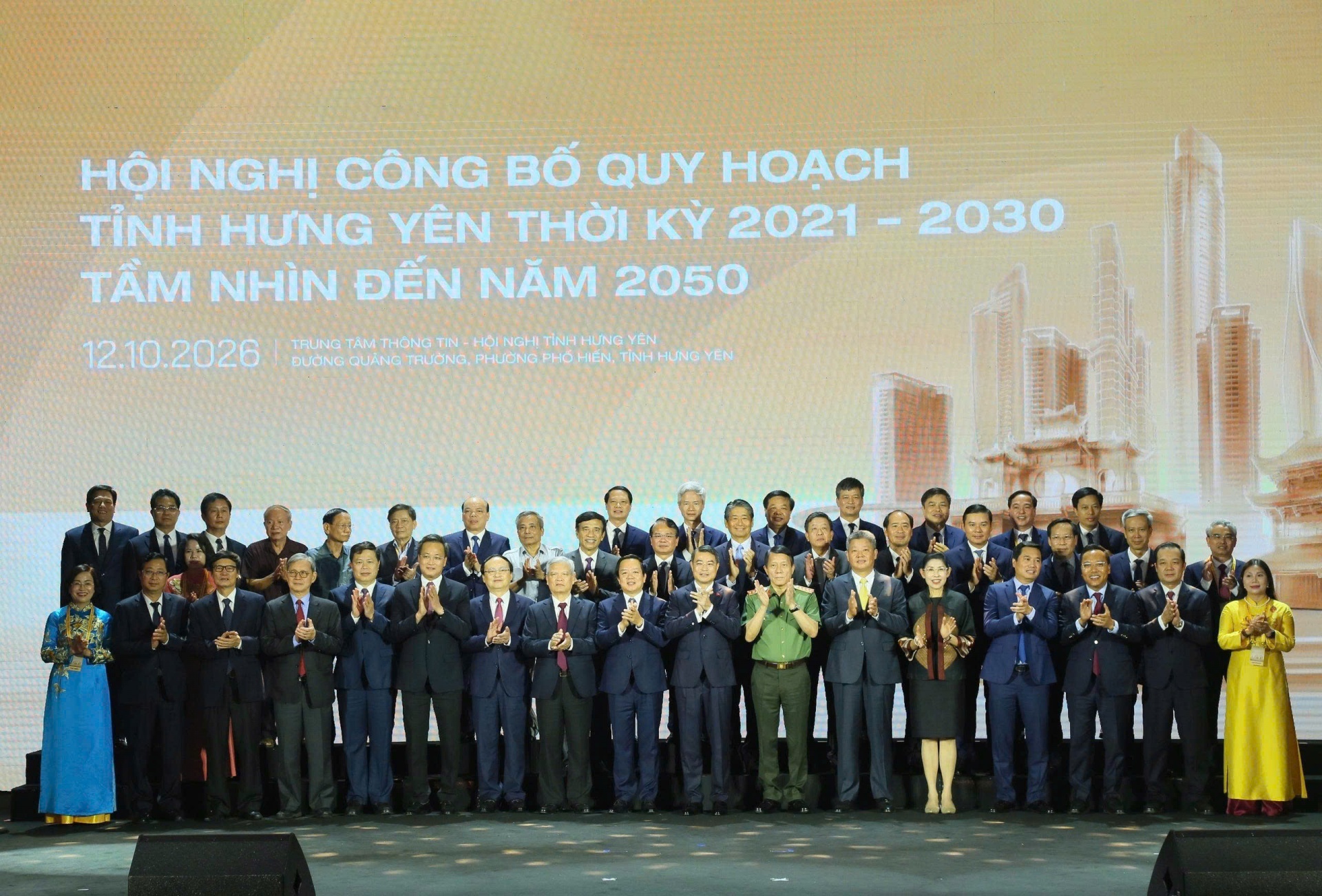
- Hung Yen’s regional GDP beats expectations (October 09, 2026 | 15:25)
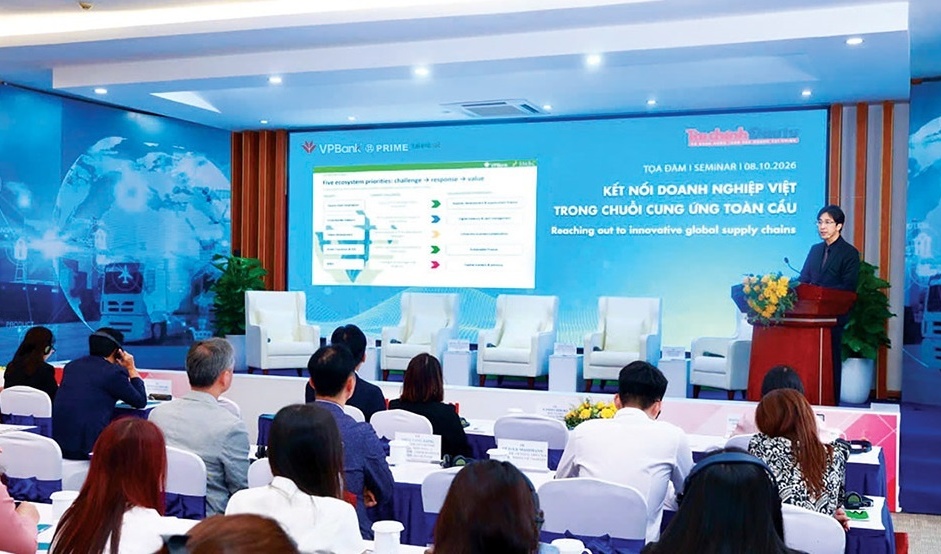
- VIR seminar focuses on taking domestic suppliers into global supply chains (October 08, 2026 | 14:50)
- Building Vietnam’s next chapter of FDI growth (October 08, 2026 | 12:15)
- Vietnam to foster links between foreign and domestic sector (October 08, 2026 | 11:00)
- Vietnam shifting focus to building high-quality FDI ecosystem (October 08, 2026 | 10:45)
- VIR seminar to explore innovative global supply chains in Hanoi (October 07, 2026 | 12:04)
- Vietnam’s registered FDI surpasses $50 billion in nine months (October 07, 2026 | 10:30)
- Samsung Electro-Mechanics to add $1.85 billion semiconductor investment in Thai Nguyen (October 06, 2026 | 18:23)








 Mobile Version