
Policy lending accelerates in first half with $19 billion in loans

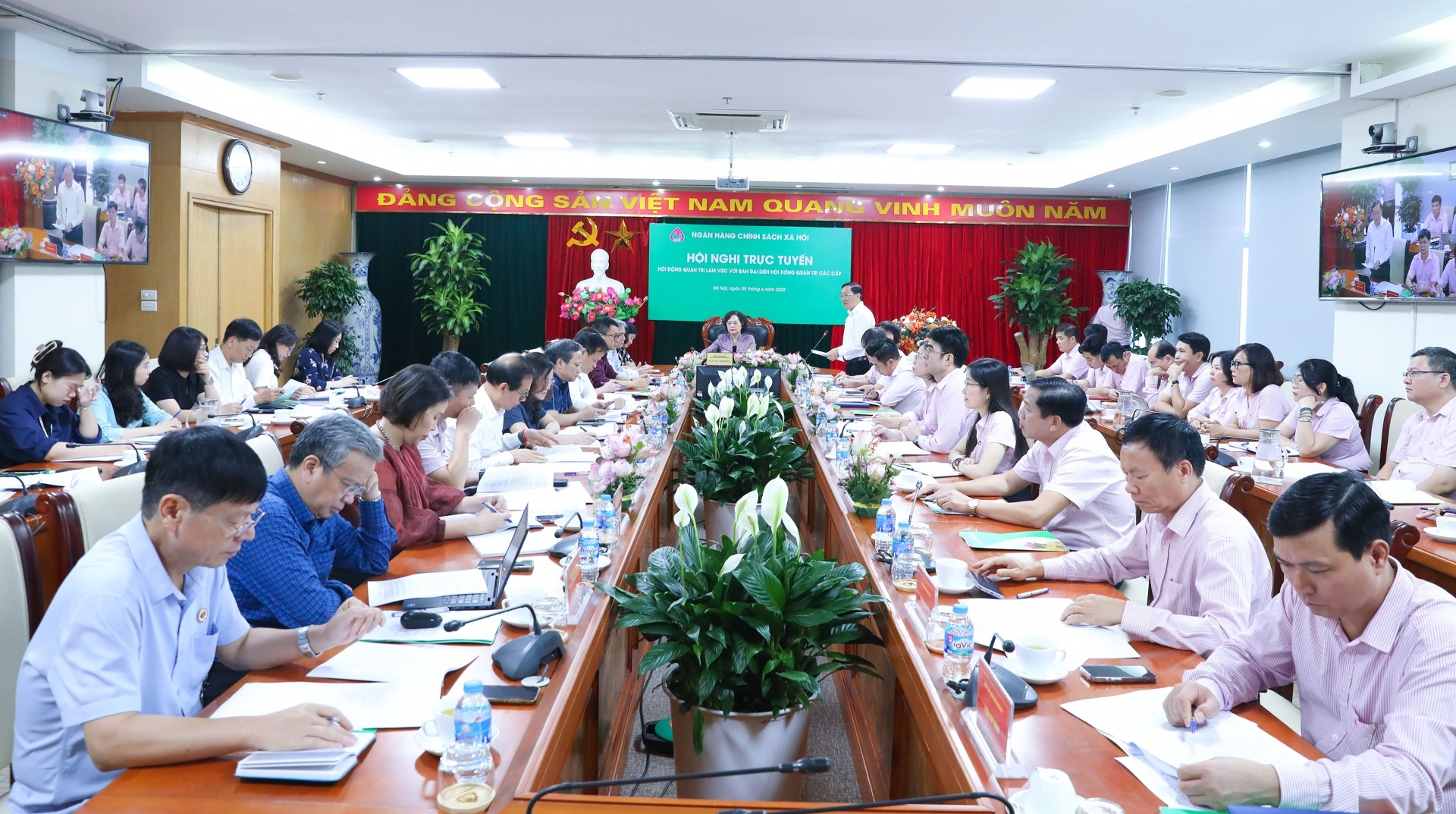
In the first six months of 2026, the Vietnam Bank for Social Policies (VBSP) managed steady growth, ensuring that concessional credit reached the intended beneficiaries.
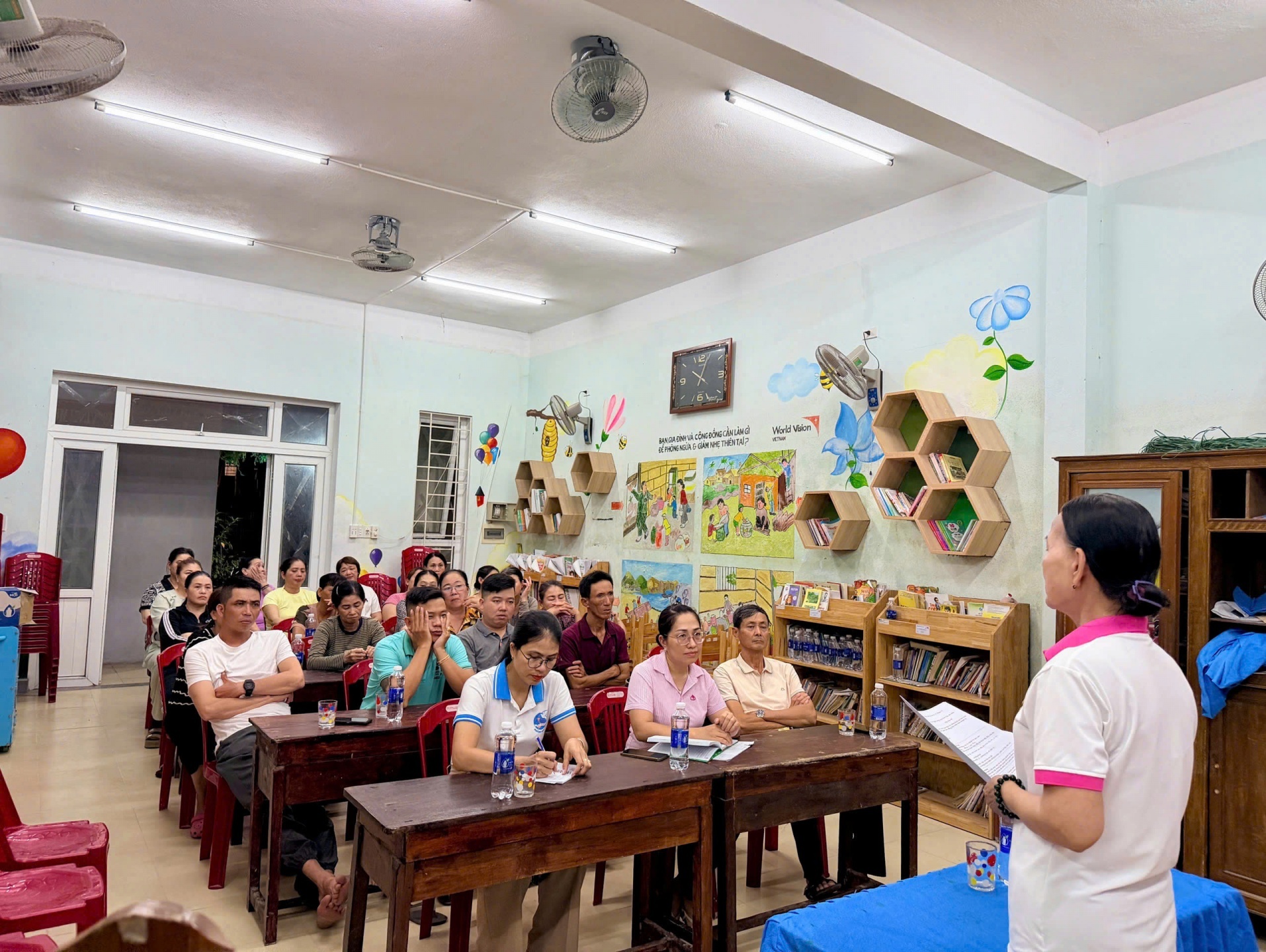
With total funding exceeding $19 billion and more than 1.25 million poor households, near-poor households and other policy beneficiaries receiving loans, policy credit continued to affirm its role as one of the key pillars in achieving sustainable poverty reduction, job creation and social security.
In line with directives from the government, the State Bank of Vietnam and the country's 2026 socioeconomic development goals, the VBSP system has simultaneously implemented policy credit programmes, ensuring safe and effective operations while promptly meeting the borrowing needs of the public.
 |
By the end of June, VBSP's total funding had reached $18.9 billion, up approximately $1.9 billion, or 11 per cent, compared with the end of 2025.
Of this total, entrusted capital from local government budgets amounted to $3.2 billion, an increase of more than $600 million from the end of last year and up by as much as $3.09 billion compared with the period before the Party Central Committee's Secretariat issued Directive No.40-CT/TW on strengthening the Party's leadership over social policy credit.
Local government funding now accounts for 17.1 per cent of the bank's total funding, exceeding the target set out in the VBSP Development Strategy to 2030.
These results reflect the increasingly strong commitment of local authorities in partnering with VBSP to implement social welfare programmes.
Many localities continued to significantly increase their entrusted funding this year, including Ho Chi Minh City, Hanoi, Haiphong, Hung Yen, Dong Nai, Bac Ninh and Quang Ninh, creating additional resources to expand access to concessional credit at the grassroots level.
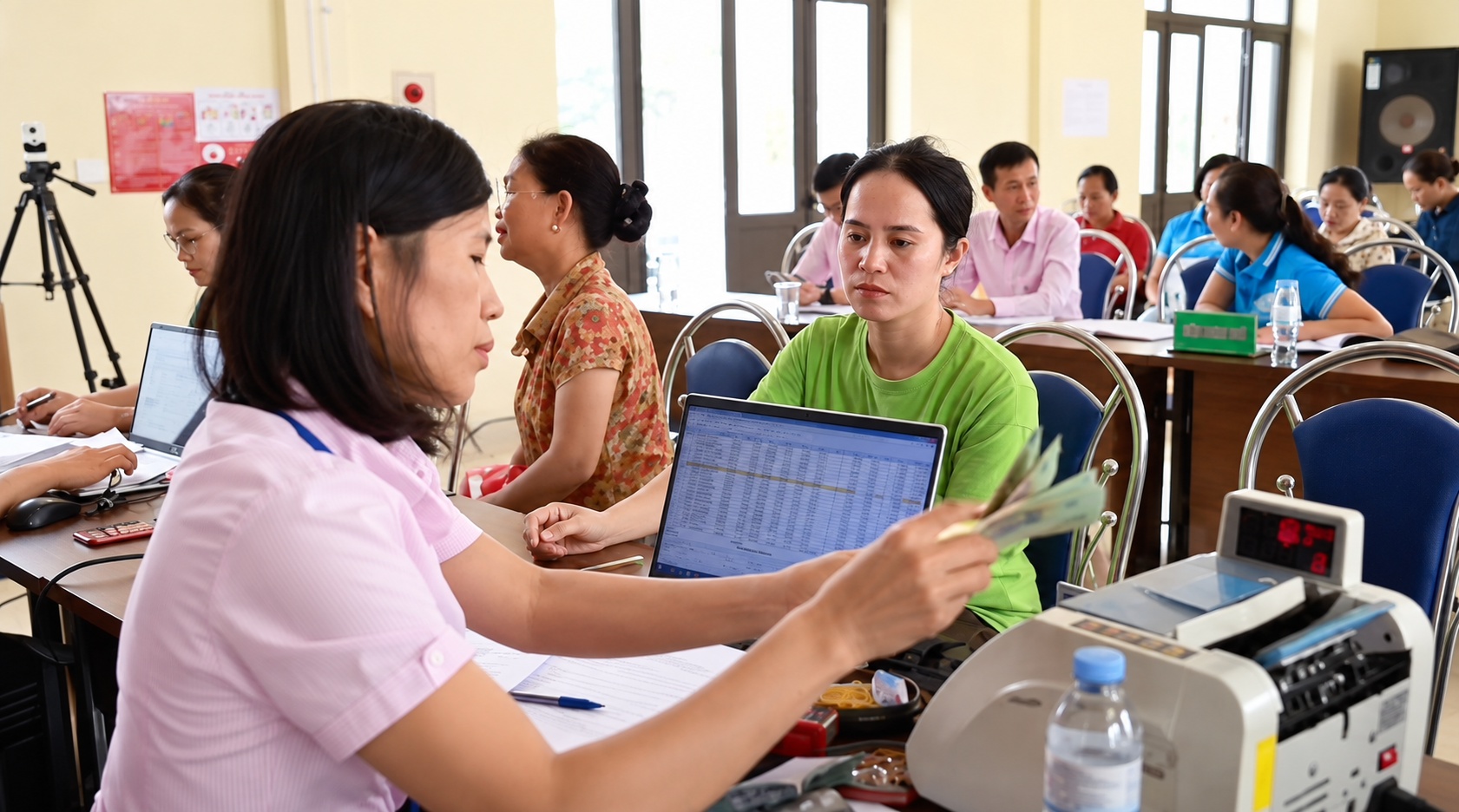
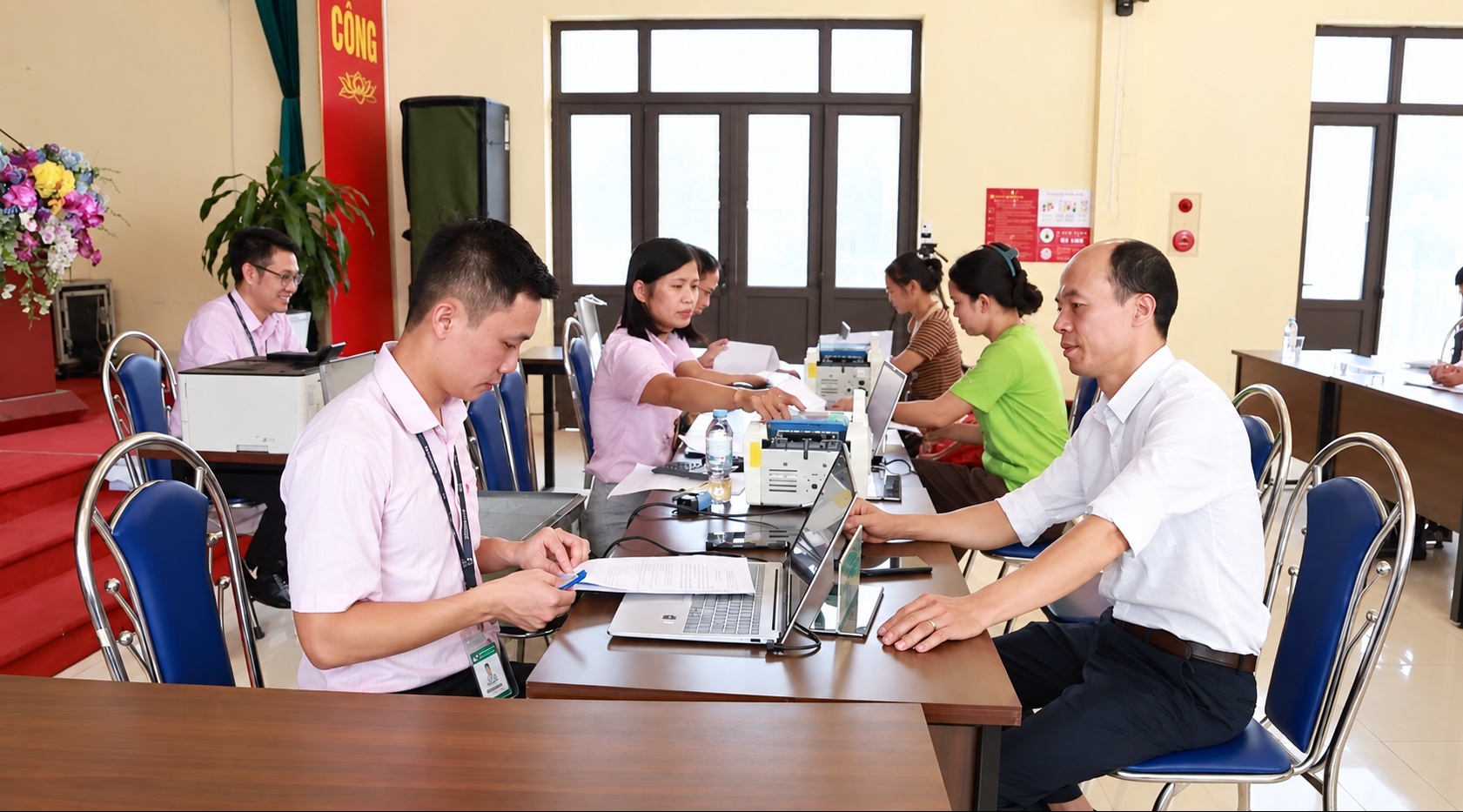
The additional funding was quickly translated into resources serving local communities. During the first six months of the year, total policy lending reached $3.67 billion, enabling more than 1.257 million poor households and other policy beneficiaries to access concessional loans for production, business expansion, job creation and income improvement.
By the end of June, outstanding policy credit totalled $18.14 billion, an increase of nearly $1.6 billion, or 9.7 per cent, compared with the end of 2025, with more than 6.7 million active borrowers.
Beyond expansion in scale, credit quality remained at a high level. Total overdue and rescheduled debt across the system stood at just $90 million, equivalent to 0.5 per cent of total outstanding loans, of which overdue debt accounted for only 0.2 per cent.
The most significant feature of policy credit lies in both the scale of funding and the social value it generates.
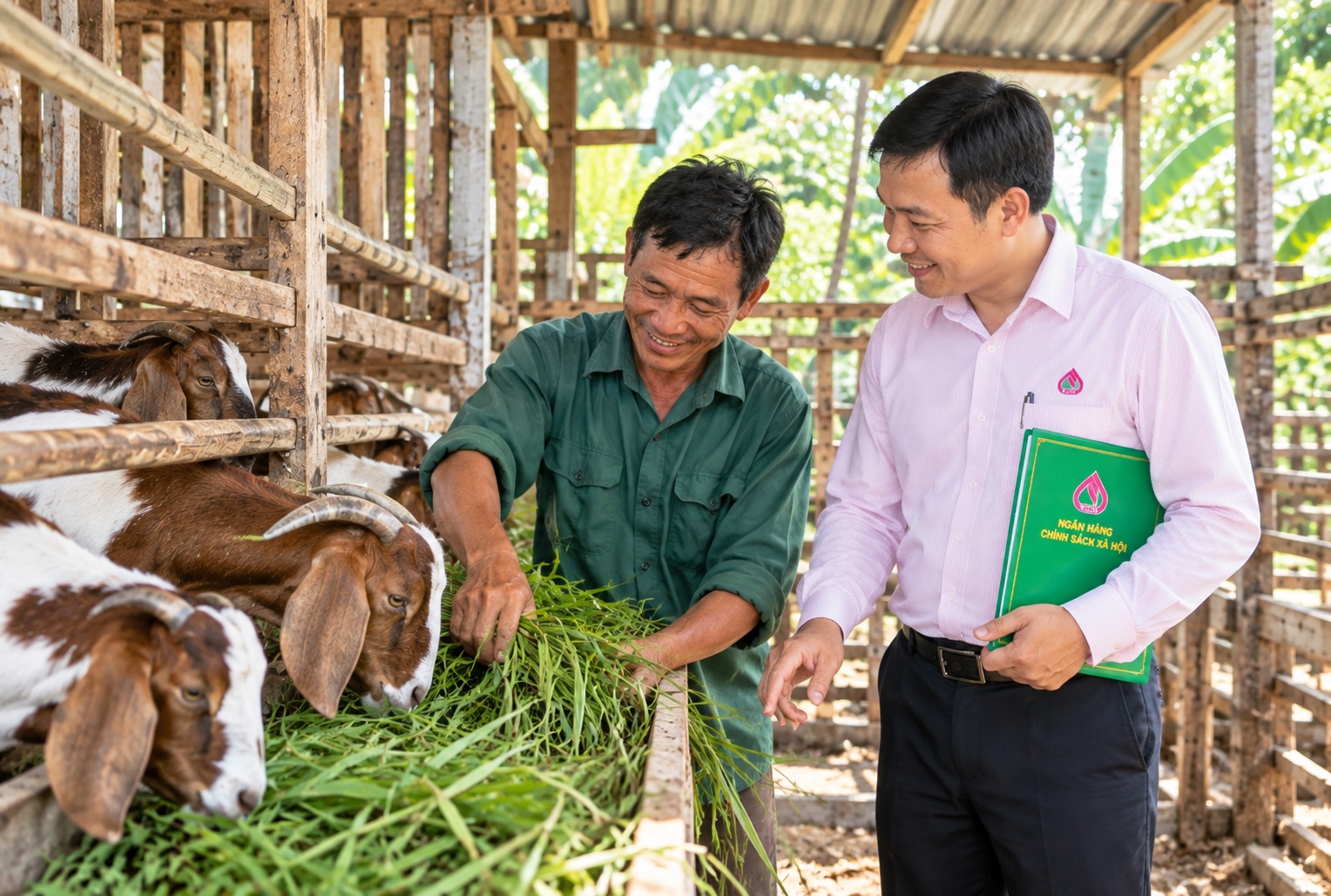
During the first half of the year, concessional loans helped create jobs for nearly 483,000 workers, including almost 3,800 people taking up fixed-term employment overseas, nearly 2,400 individuals who had completed prison sentences, and 257 people recovering from drug addiction who received loans to create livelihoods and reintegrate into society.
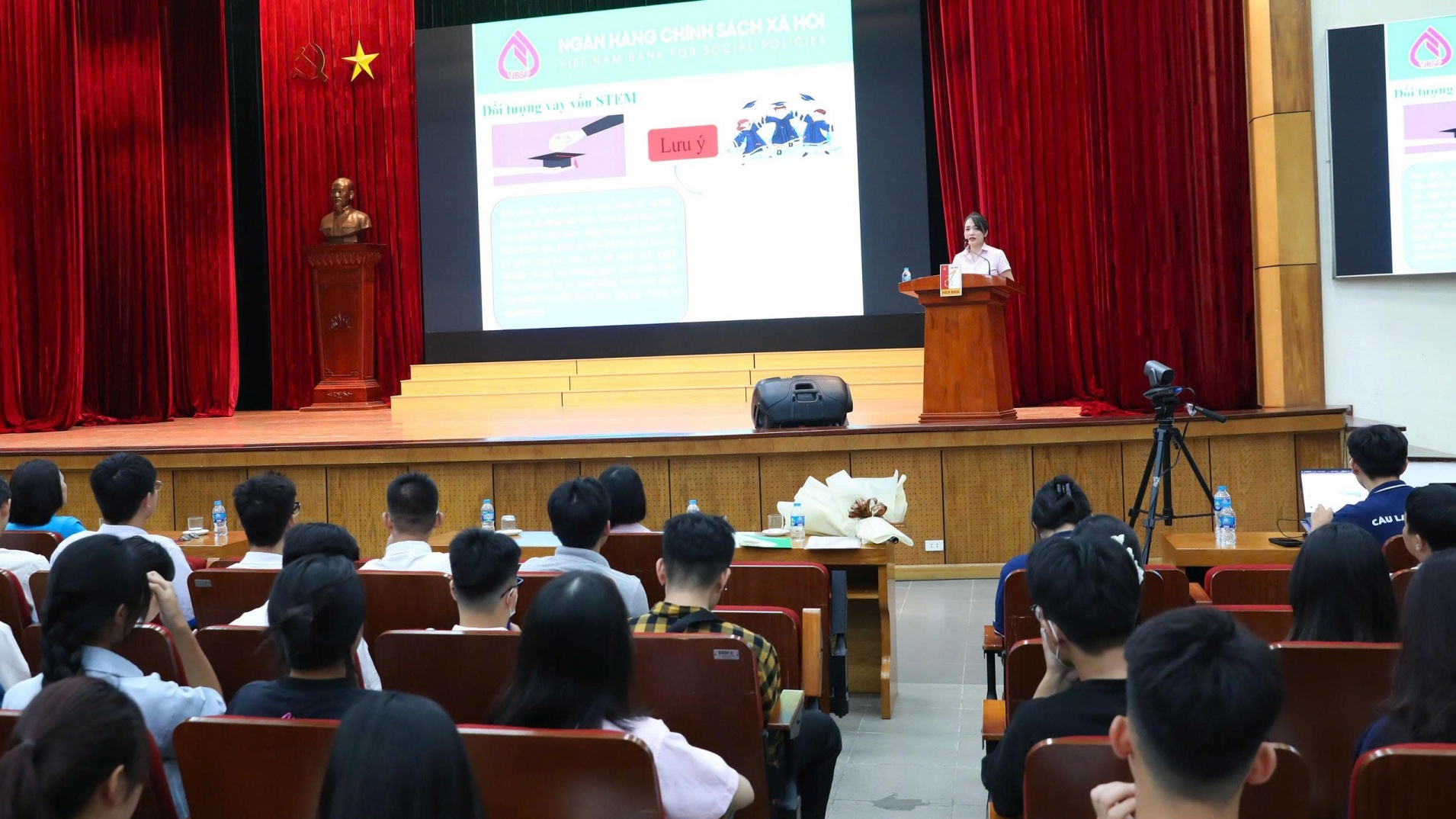
At the same time, more than 12,000 students from disadvantaged backgrounds received educational loans, including nearly 1,200 students pursuing STEM disciplines.
Policy credit also contributed to the construction of nearly 975,000 rural clean water and sanitation facilities, while supporting the purchase, lease-purchase and construction of nearly 8,500 social housing units for poor households and low-income earners.
These achievements continue to demonstrate that policy credit is far more than a source of concessional financing.
It has become an effective policy instrument of the Party and the state in advancing sustainable poverty reduction, employment generation, human resource development, social security and inclusive socioeconomic growth.
Entering the second half of the year, the VBSP system will continue concentrating its resources on fulfilling its 2026 credit growth targets while ensuring that the borrowing needs of poor households and other policy beneficiaries are fully met.
Accordingly, VBSP will continue working with ministries, sectors and local authorities to effectively implement the Party's and the government's policies on social policy credit; accelerate the implementation of the VBSP Development Strategy to 2030; and mobilise additional entrusted capital from local budgets to further expand the scale of concessional lending.
Alongside expanding its operations, the bank will continue strengthening inspections and supervision of loan utilisation, enhancing risk management, accelerating digital transformation, digitising operational processes and applying technology in management and administration to improve service quality for the public.
Built on more than two decades of development and supported by the positive results achieved in the first half of 2026, VBSP is well positioned to further strengthen its role as the government's ‘extended arm’ in implementing social welfare programmes, helping create sustainable livelihoods, improve people's quality of life and promote socioeconomic development.
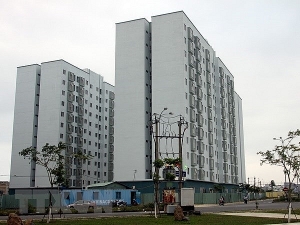 | Over 4,000 houses built with social policy credit Social policy credit helped to build more than 4,000 houses, along with over 1.2 million safe water supply and sanitation facilities in rural areas in 2019, according to the Vietnam Bank for Social Policies (VBSP). |
 | Improving the effectiveness of social policy credit Following a decade of implementation, social policy credit is expected to enter a new phase of development to achieve higher efficiency for the sake of society and the community. |
 | Moc Chau's poverty rates reduced through social lending programmes Social lending programmes have played a crucial role in successfully implementing economic development schemes, building new rural areas, and ensuring sustainable poverty reduction in Moc Chau over the past 22 years. |
What the stars mean:
★ Poor ★ ★ Promising ★★★ Good ★★★★ Very good ★★★★★ Exceptional
 Tag:
Tag:
Related Contents





Latest News




More News
- Eximbank to strengthen corporate governance structure (October 16, 2026 | 11:32)
- Citi honours 13 banks with 2025 STP Awards (October 15, 2026 | 16:01)
- Green transition requires realistic roadmap (October 14, 2026 | 17:31)
- VIR workshop explores credit policy and carbon market development (October 14, 2026 | 11:22)
- Stronger carbon market needed to unlock climate finance (October 14, 2026 | 11:00)
- Carbon market opens new avenues for green finance (October 14, 2026 | 10:00)
- VPBank and Western Union enhance digital remittance experience (October 13, 2026 | 15:44)
- Eximbank’s next chapter: Richa Goswami on purpose, relevance and trust (October 13, 2026 | 10:52)
- Vietnam and Luxembourg sign MoU to strengthen financial cooperation (October 13, 2026 | 10:20)
- Vietnam seeks stronger cooperation with Fitch Ratings to improve sovereign credit rating (October 13, 2026 | 10:07)










 Mobile Version