
Financing education and building future human capital

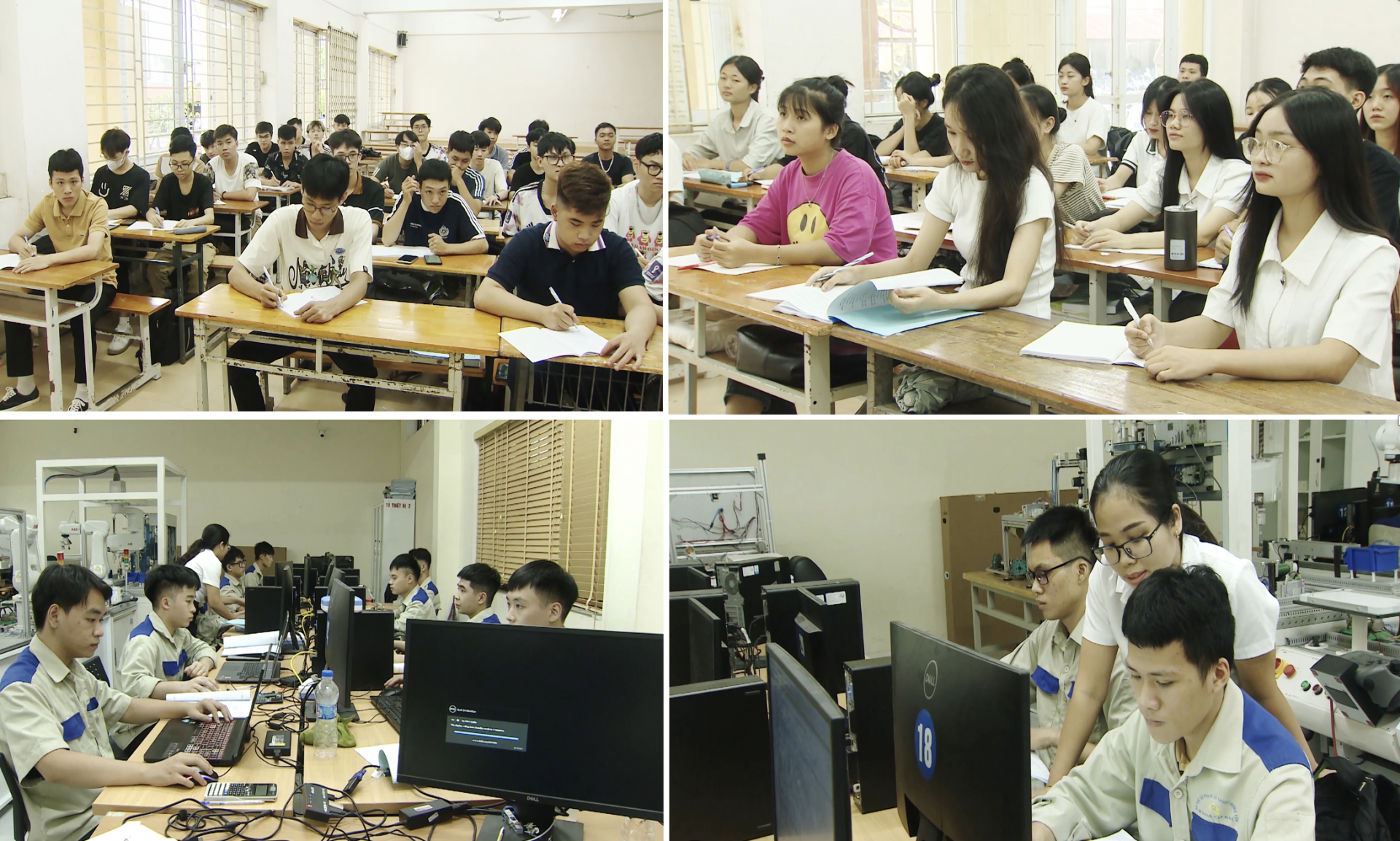
Before the university admissions season reaches its peak, when millions of students await admission results and benchmark scores, many Vietnamese families are already calculating how to finance the new academic year. For low-income and near-poor households, as well as families facing unexpected financial hardship, tuition fees and living expenses often become the greatest obstacle to higher education.
At moments like these, Vietnam's student loan programme takes on renewed significance. More than a source of concessional financing, it has become a critical safety net that enables countless young people to continue their education and pursue their career aspirations.
Addressing the 13th National Congress of the Ho Chi Minh Communist Youth Union for the 2026-2031 term, General Secretary and State President To Lam underscored this commitment, saying: "No legitimate aspirations of young people should be left behind because of a lack of information, opportunity, support, or confidence."
His message reaffirmed the Party and state's long-standing development philosophy of placing people at the centre of national development, while recognising education and training as key drivers of human capital development and equal opportunity.
Launched in 2007 under Decision No.157/2007/QD-TTg and subsequently refined through a series of policy amendments, the student loan programme has become one of Vietnam's most impactful social welfare initiatives.
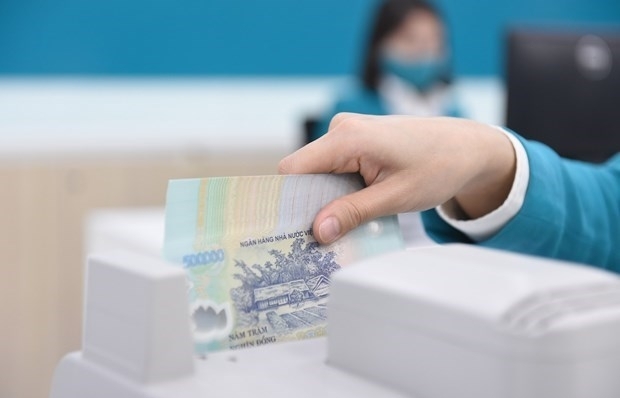
According to the Ministry of Finance, as of May 31, the programme had provided loans to more than four million students, with cumulative disbursements reaching $3.7 billion. Outstanding loans stood at $979 million, benefiting 355,805 households. Notably, overdue loans accounted for just 0.27 per cent of the total outstanding balance, reflecting both the programme's effectiveness and borrowers' strong repayment discipline.
These figures demonstrate that every concessional loan extends beyond immediate financial assistance. By helping students remain in school, the programme has contributed to widening access to education, reducing school dropout rates, promoting equal educational opportunities, supporting sustainable poverty reduction, and strengthening Vietnam's future workforce.
 |
As Vietnam's socioeconomic conditions continue to evolve, the programme has also been progressively expanded to cover more beneficiaries while making access to financing easier. Students are currently eligible to borrow up to $160 per month at a preferential annual interest rate of 6.6 per cent.
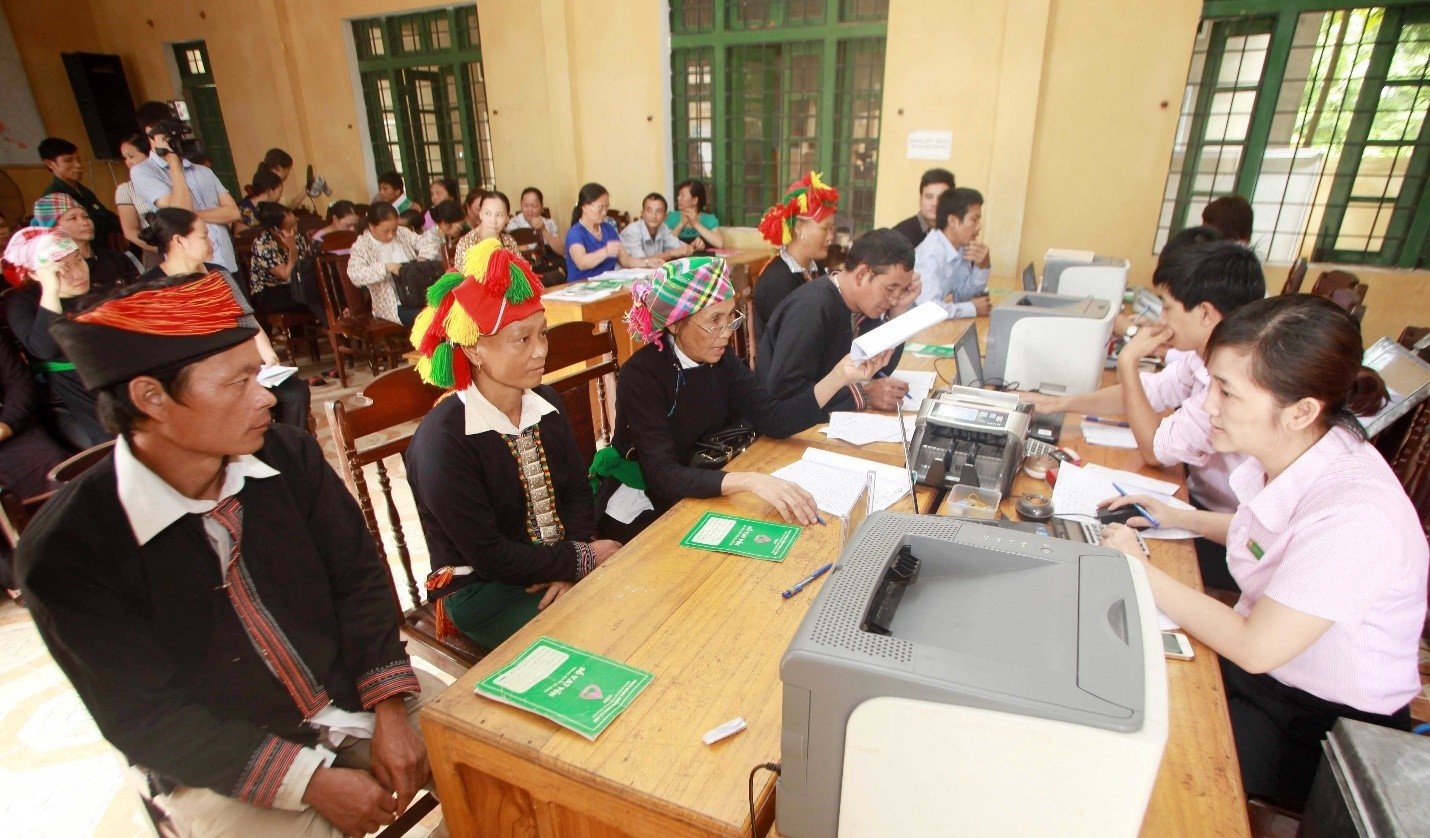
Borrowers are not required to repay either principal or interest while studying, with repayment commencing only 12 months after graduation. Administrative procedures have also been streamlined through the nationwide network of the Vietnam Bank for Social Policies and entrusted mass organisations, making loans more accessible, particularly in rural and disadvantaged areas.
However, as universities gain greater financial autonomy and tuition fees and living costs continue to rise, the current borrowing limit is increasingly falling short of students' actual financial needs. Recognising this challenge, the Ministry of Finance has proposed doubling the maximum monthly loan ceiling to $320 under a draft decision submitted to the Prime Minister. The proposal also seeks to expand eligibility to ensure the programme better reflects today's education costs.
Viewed narrowly, the proposal represents an increase in financial assistance for students. Viewed strategically, however, it signals a broader development philosophy: investment in education should not be regarded as public expenditure, but as investment in human capital - the most valuable asset of any economy.
As Vietnam pursues its ambition of becoming a high-income economy by 2045, the country will require a highly skilled, innovative and competitive workforce. In that context, the student loan programme serves as a social welfare policy, but also as a long-term investment in national development.
The concessional loans extended today are opening university doors for a new generation of students, while laying the foundation for a stronger talent pool and higher quality economic growth in the decades ahead.
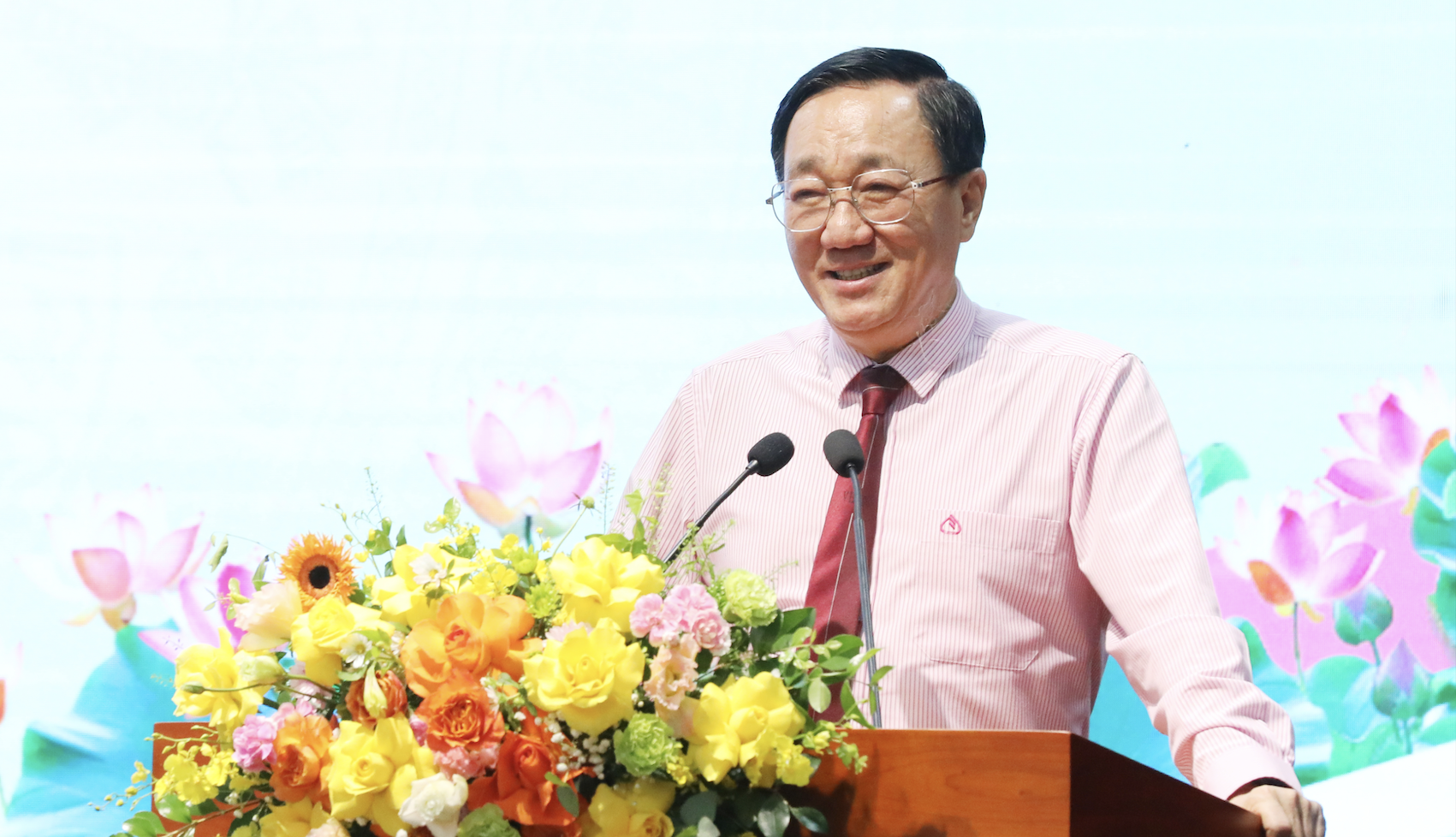 | VBSP highlights strong credit performance amid administrative restructuring VBSP disbursed over $4.2 billion in loans, supporting millions of poor households and policy beneficiaries across Vietnam in the first nine months of 2025. |
 | VBSP lends to 1.1 million poor households in first five months of 2026 In the first five months of 2026, over 1.1 million poor households and policy beneficiaries have gained access to Vietnam Bank for Social Policies’ capital. |
 | VBSP brings commune banking services into digital space While preserving its nationwide commune transaction network, the Vietnam Bank for Social Policies is accelerating digital transformation, enabling customers to access policy credit services, information and transactions more conveniently. |
What the stars mean:
★ Poor ★ ★ Promising ★★★ Good ★★★★ Very good ★★★★★ Exceptional
 Tag:
Tag:
Related Contents


Latest News




More News
- TPBank secures $50 million from DEG for green and SME lending (October 21, 2026 | 14:43)
- Citi set for record year across ASEAN Investment Banking (October 19, 2026 | 17:49)
- Vietnam and Switzerland to deepen financial cooperation (October 19, 2026 | 13:24)
- Carbon finance hinges on viable ventures (October 19, 2026 | 09:59)
- AI to transform the future of finance (October 19, 2026 | 09:04)
- Government proposes relaxing IPO conditions (October 19, 2026 | 08:00)
- Citi warns of intensifying competition for capital amid higher rates (October 16, 2026 | 16:54)
- Banks poised for Q3 profit growth amid margin pressure (October 16, 2026 | 16:51)
- Eximbank to strengthen corporate governance structure (October 16, 2026 | 11:32)
- Citi honours 13 banks with 2025 STP Awards (October 15, 2026 | 16:01)








 Mobile Version