

Driving early detection and integrated liver disease management

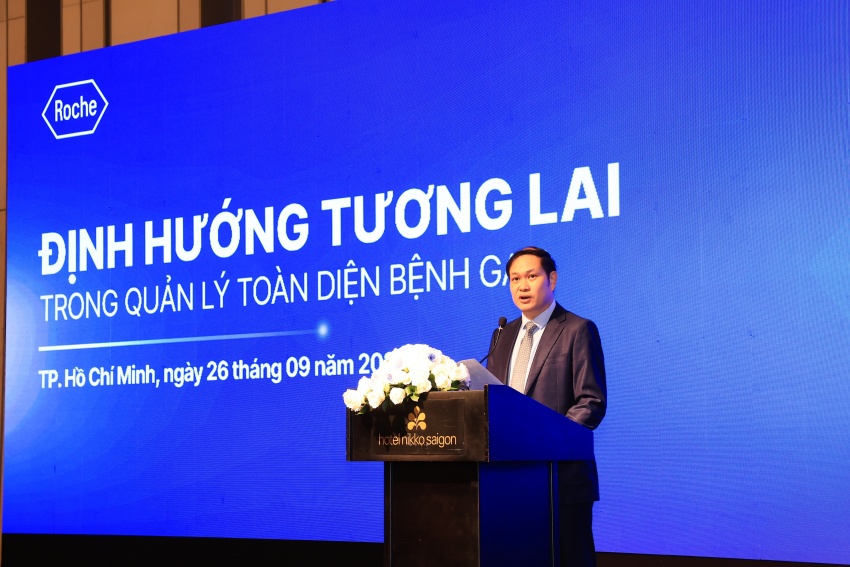
This was the main focused topic at OneLiver 2026, a scientific symposium series held in Hanoi on September 24 and Ho Chi Minh City on September 26. It was co-organised by the Vietnam Association for the Study of Liver Diseases (VASLD) and Roche Diagnostics Vietnam in early September.
The programme brought together leading experts across endocrinology and metabolism, gastroenterology and hepatology, oncology, and clinical biochemistry to discuss connecting diagnosis, early detection, and the continuum of care in liver disease management.
 |
| Overview of the session in Ho Chi Minh City on September 26. Photo: Roche |
The 2025 APAC Liver Disease Alliance Annual Report states that hepatitis B and hepatitis C continue to be key causes leading to chronic hepatitis, cirrhosis, and liver cancer. In 2024, hepatocellular carcinoma was one of the top three leading causes of cancer-related death in Vietnam, with over 14,000 new cases recorded.
On the other hand, metabolic dysfunction-associated steatotic liver disease is also increasing rapidly. A 2024 epidemiological report published on the National Institutes of Health indicates that up to 38 per cent of adults worldwide are affected by the disease. In Vietnam, a study conducted at Cho Ray Hospital in Ho Chi Minh City in 2023 reported that more than 29.3 per cent of adults suffered from the disease.
One of the major challenges is that liver disease often shows no clear symptoms in its early stages. Specifically with metabolic dysfunction-associated steatotic liver disease, patients may only be identified when the disease has progressed to cirrhosis or complications occur. Routine liver enzyme levels may not fully reflect the severity of damage, while liver biopsy, though considered the gold standard in histopathologic evaluation, is invasive and unsuitable for widespread screening.
Thus, early detection of chronic liver diseases helps identify risks and connects patients with appropriate care and treatment, thereby reducing the medical and economic burden on patients and ultimately improving their quality of life.
Optimising results
At OneLiver, experts focused on discussing non-invasive blood testing methods, biomarkers, algorithms, and real-world clinical cases. Accordingly, rather than relying solely on individual tests, combining them with advanced algorithms is expected to mark a new breakthrough, supporting the assessment of liver damage and facilitating early disease risk identification.
To assess liver fibrosis in patients showing signs of metabolic dysfunction-associated steatotic liver disease, combining laboratory testing with an algorithm based on fibrosis markers, age, type 2 diabetes status, and platelet count provides a solid data foundation for clinicians to stratify the risk of fibrosis.
Prof. Jacob George, head of Gastroenterology and Hepatology at Westmead Hospital said, “This trend of combining diagnostic technologies helps bridge the gap in risk-stratification tools, minimise unnecessary liver biopsies, and halt the progression to end-stage cirrhosis.”
For hepatocellular carcinoma, combining clinical algorithms with advanced blood tests alongside gender and age helps diagnose the disease at an early stage. This approach is recommended for high-risk groups, such as those with chronic viral hepatitis and liver fibrosis.
According to Assoc. Prof. Dr. Pham Thi Thu Thuy, head of the Hepatology Department at the Medic Medical Centre in Ho Chi Minh City, late detection of hepatocellular carcinoma poses challenges for subsequent treatment steps. Thus, she recommends testing combined with clinical algorithms to enable early detection, while also noting that this approach can be combined with other methods like ultrasound to optimise diagnosis, thereby increasing treatment effectiveness and patient survival rates.
Strengthening cooperation
At the event, interdisciplinary collaboration among clinical specialities was strongly emphasised. This aims to ensure the comprehensive implementation of solutions, support risk stratification, promote early detection, and lay the foundation for the next stage of care.
This strategic direction aligns with the national programme on healthcare, population, and development for the 2026–2035 period. The programme sets out to guarantee early and remote disease prevention at the primary care level, enhance targeted care for high-risk populations, and improve the overall health of the public.
The symposium series recognised the attendance of representatives from four medical associations, including VASLD, the Ho Chi Minh City Association for the Study of Liver Diseases, the Vietnam Association of Diabetes and Endocrinology, and the Vietnam Interventional Gastrointestinal Endoscopy Society. This collaborative milestone aims to foster professional exchange and strengthen interdisciplinary connection in the early detection, management, and treatment of liver diseases.
Assoc. Prof. Bui Huu Hoang, vice president of the Ho Chi Minh City Medical Association said, “The diagnostic advancements presented at this event will provide a solid foundation for specialists to guide practice, optimise treatment quality, and enhance the management of patients with chronic liver diseases.”
 |
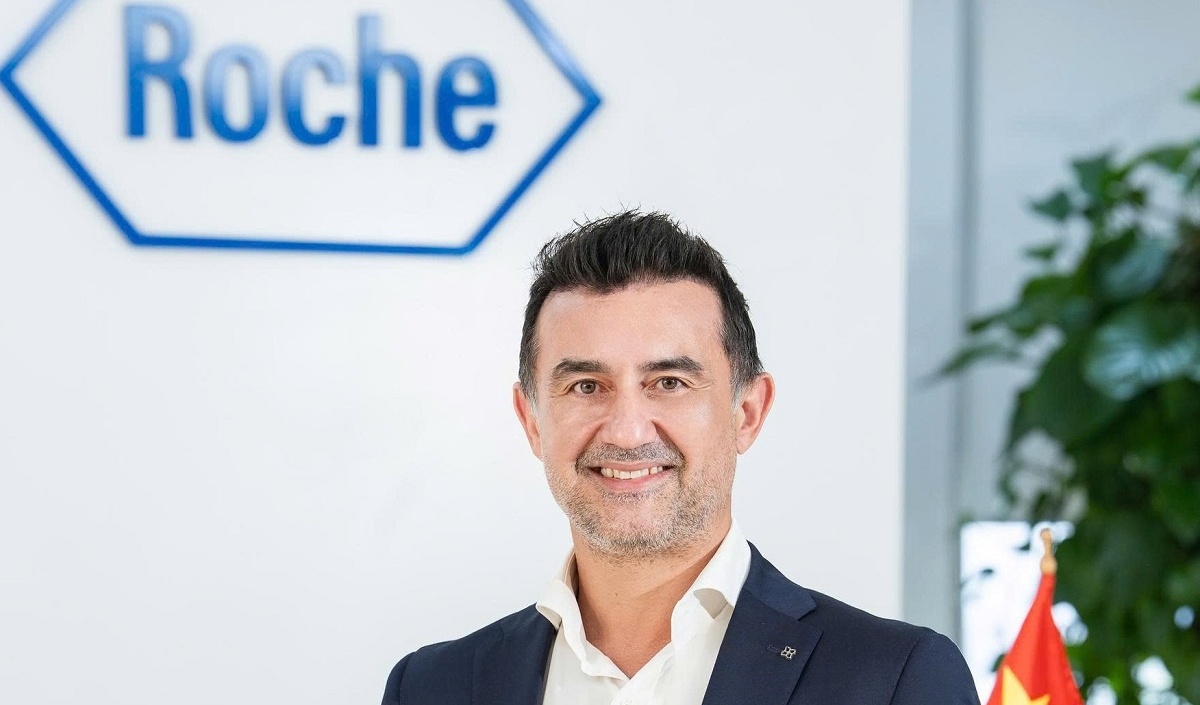
| Ricky He, general manager of Roche Diagnostics Vietnam. Photo: Roche |
Ricky He, general manager of Roche Diagnostics Vietnam, said the company is committed to a long-term partnership with Vietnam's healthcare sector to overcome this health challenge.
"By leveraging advanced technology and global expertise, we actively collaborate with the medical community to foster scientific dialogue and translate scientific advancements into actionable insights tailored to Vietnam’s clinical reality. Our ultimate goal is to enable early detection and timely treatment for patients, thereby increasing cure rates, so that people can live healthier, longer lives," He said.
What the stars mean:
★ Poor ★ ★ Promising ★★★ Good ★★★★ Very good ★★★★★ Exceptional
 Tag:
Tag:Themes: Healthcare Platform
- Ho Chi Minh City Oncology Hospital signs MoU with Novartis Vietnam
- Driving early detection and integrated liver disease management
- GSK supports medical community in raising awareness of severe asthma in Vietnam
- Vaccinology training programme launched to boost preventive care capacity
- Opella and Hoan My Academy partner to advance medical education
Related Contents





Latest News



More News
- Vietnam’s capital-markets upgrade creates a new deadline for deal readiness (September 14, 2026 | 09:00)
- Resolution 10 equals growth driven by strategic innovation (September 08, 2026 | 14:44)
- Partnerships streamline pathways for investors in Vietnam (September 08, 2026 | 08:58)
- Vietnam can lead the way in AI regulatory system (September 04, 2026 | 09:00)
- Vietnam's next cycle: capital shifts from low-cost manufacturing to higher-value investment and M&A (August 26, 2026 | 14:51)
- Significant steps made in related-party transactions (August 21, 2026 | 15:51)
- New challenges for workforce data and HR policy management with PIT changes (August 17, 2026 | 10:32)
- Leading in AI: from pilot initiatives to enterprise value (August 10, 2026 | 07:00)
- Programme launched to develop new Vietnamese business leaders (July 28, 2026 | 13:50)
- Vietnam must build talent and innovation to attract quality investment (July 09, 2026 | 08:00)



Latest News







 Mobile Version