
How policy loans help STEM students build their future

When his second son was admitted to Hanoi University of Science and Technology (HUST), Nguyen Xuan Minh of Gia Binh commune, Bac Ninh province, was delighted but soon began ‘doing the maths.’
Tuition, rent, food and transportation are expenses that stretch over several years, while the family’s income is limited. For Minh’s family, a loan from the Vietnam Bank for Social Policies helped ease that financial burden.
“Having access to the loan takes some of the pressure off the family and gives the children greater peace of mind to focus on their studies,” he said.
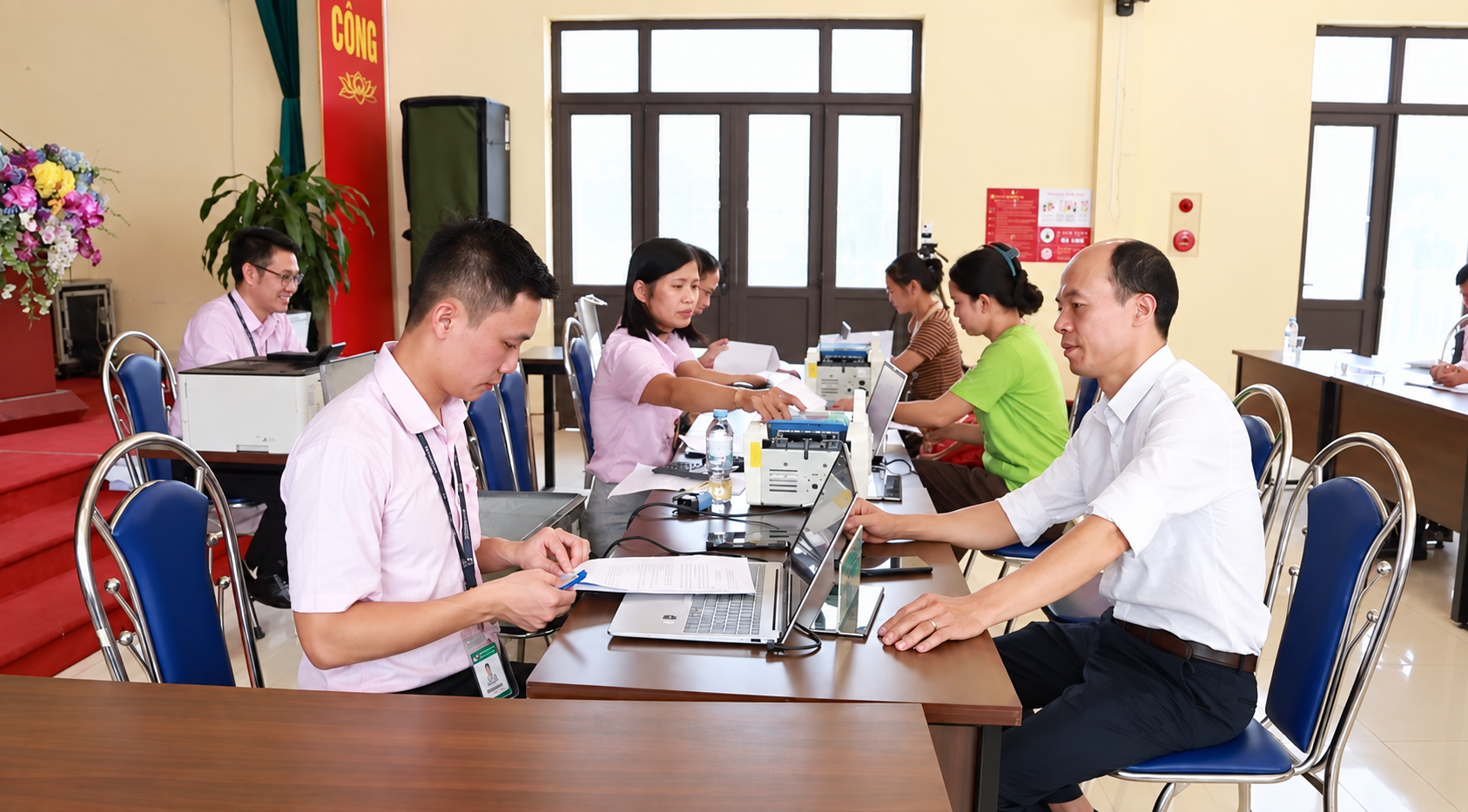 |
| Image courtesy: VBSP |
This is the need targeted by Decision No.29/2025/QD-TTg on credit for pupils, students, master’s students and doctoral candidates studying science, technology, engineering and mathematics (STEM).
Under the policy, eligible students can borrow the full amount of tuition fees, along with up to $200 per month for living expenses and other study-related costs, at an annual interest rate of 4.8 per cent.
The scale of demand can also be seen in this year’s admissions season, when more than 633,000 students enrolled for the 2026-2027 academic year, with about one-third choosing STEM fields. At HUST alone, more than 1,000 students apply for loans each year.
“This is a very good policy to support STEM students, including those at HUST, many of whom come from rural areas and face difficult circumstances,” said Pham Thanh Huyen, head of the Student Affairs Board at HUST.
For families like these, the difficulty is not necessarily that they cannot cover a tuition payment, but that they have to maintain a steady flow of funds throughout the years their children are at university.
A source of financing can help them avoid having to shoulder all education-related costs out of their current income. For students, meanwhile, the loan creates another option: to continue pursuing the field they have chosen rather than allowing financial circumstances to determine their educational path.
What stands out about the policy is not only the provision of capital, but also the timing of repayment.
“After completing their course, students have 12 months before they have to begin repaying the principal. This period gives them time to look for jobs and establish a stable income before taking on their repayment obligations,” said Dang Van Trong, director of Gia Binh Transaction Office under VBSP’s Bac Ninh Branch.
For a loan aimed at people who do not yet have a stable income, this grace period is important.
It gives students time to make the transition from the lecture hall to the labour market rather than facing repayment pressure immediately. During their studies, each student also finds their own way to take a more active role in sharing the financial burden with their family.
Nguyen Xuan Hoa, the son of Nguyen Thi Thuan from Nhan Thang commune, Bac Ninh province, is currently working as a probationary employee, earning about $240 a month. Hoa said he sends about 80 per cent of his income home and keeps part of it as savings.
“I think this approach will allow me to repay the tuition-related costs and the loan,” he said.
Hoa’s story points to another reality: policy-based credit does not mean students simply wait for financial support. The loan gives families additional resources, while students themselves can continue to take initiative in studying and working, gradually sharing financial responsibility with their families.
After more than a year of implementation, nearly 6,500 borrowers have accessed the programme, with outstanding loans totalling nearly $18 million.
The significance of the programme lies in more than the amount disbursed. A loan may begin with tuition and living expenses, but its broader goal is to enable students to acquire knowledge, secure employment, earn an income and ultimately fulfill their repayment obligations.
This is also where policy meets practical needs: families need financing while their children are studying; students need time to build their skills and generate income; and loans need a repayment schedule that matches borrowers’ ability to repay.
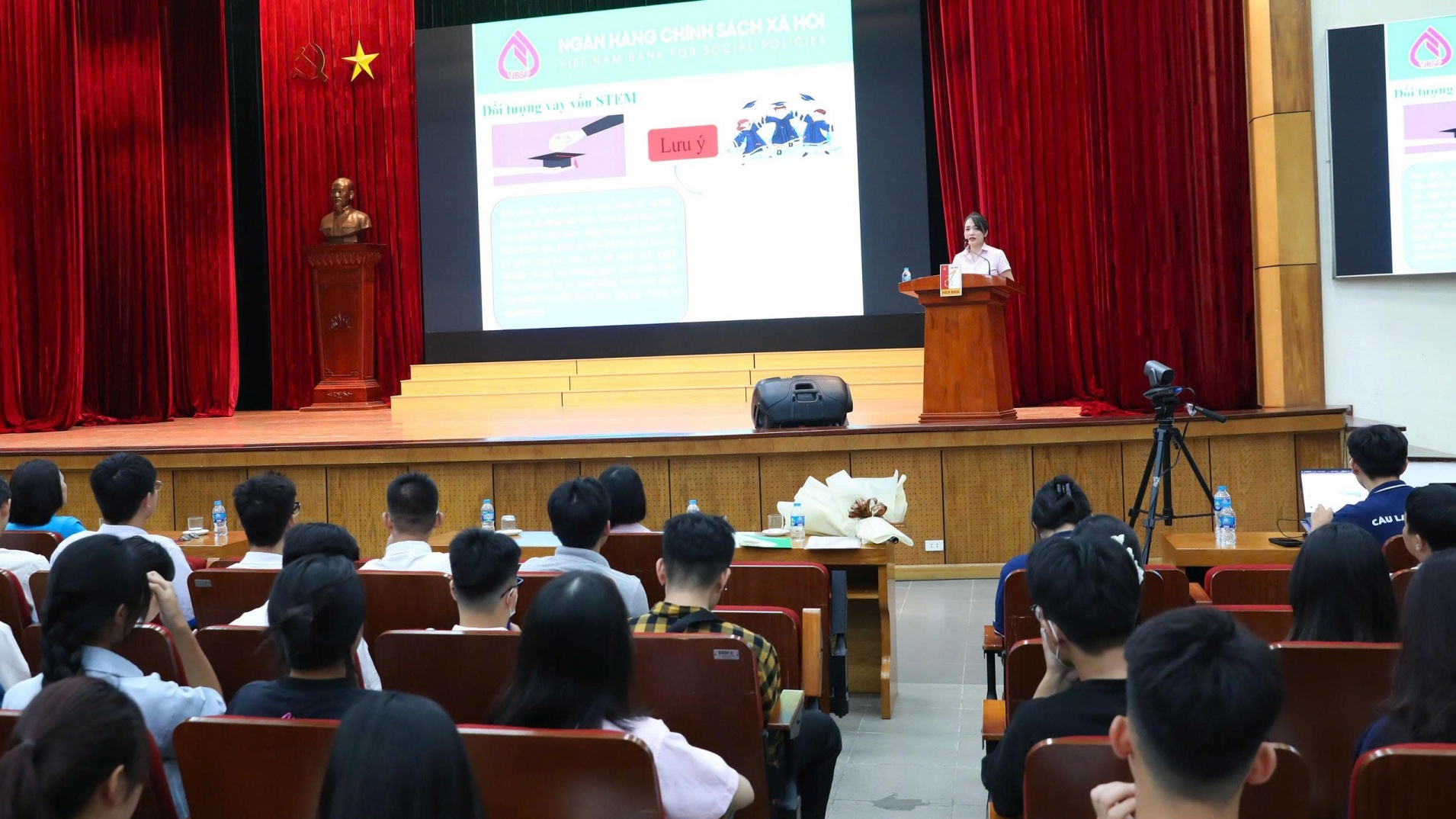
 | VBSP brings commune banking services into digital space While preserving its nationwide commune transaction network, the Vietnam Bank for Social Policies is accelerating digital transformation, enabling customers to access policy credit services, information and transactions more conveniently. |
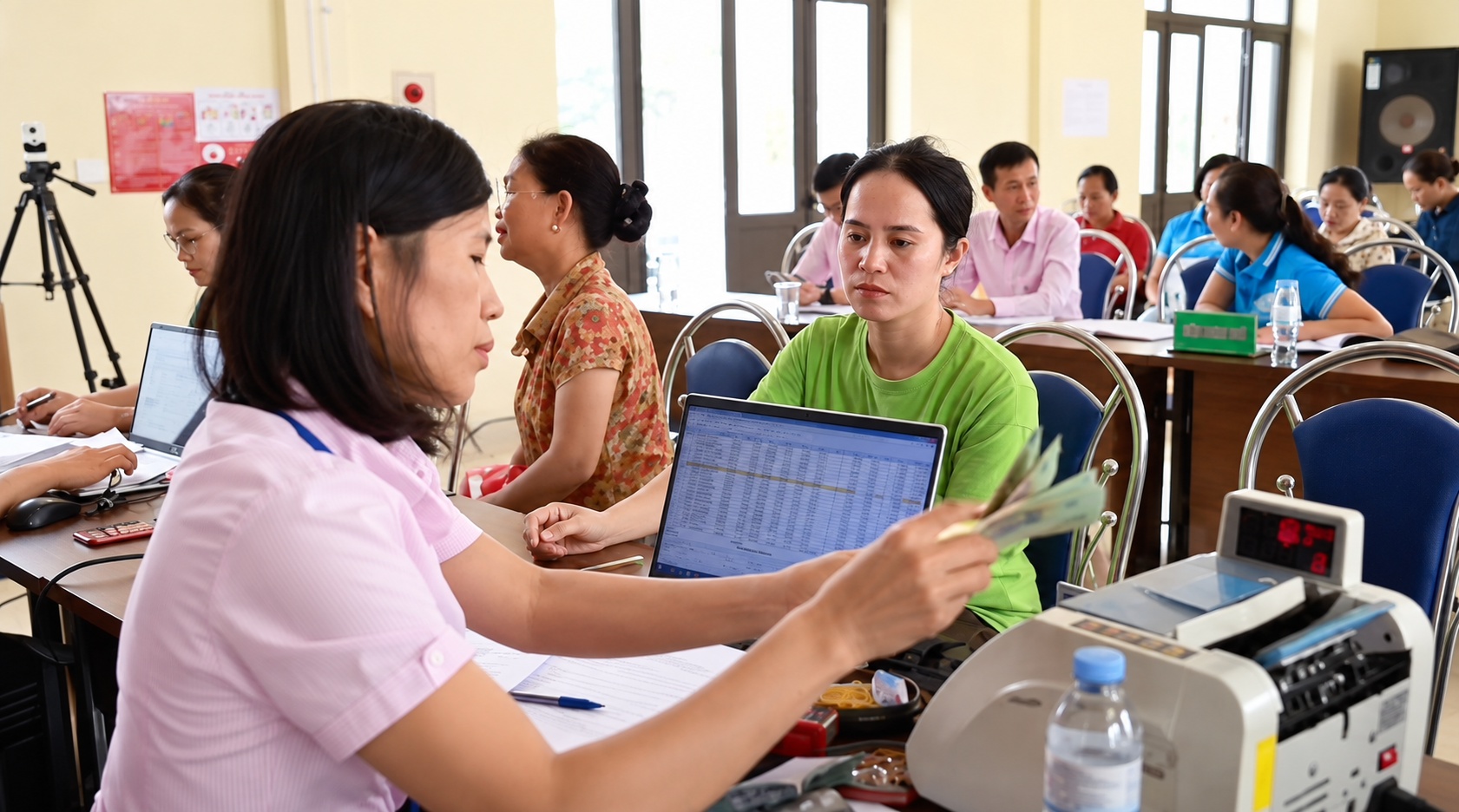
 | Expanding credit and livelihoods As the labour market continues to recover, policy credit is helping poor and vulnerable workers improve their livelihoods while supporting small businesses to expand and create jobs. |
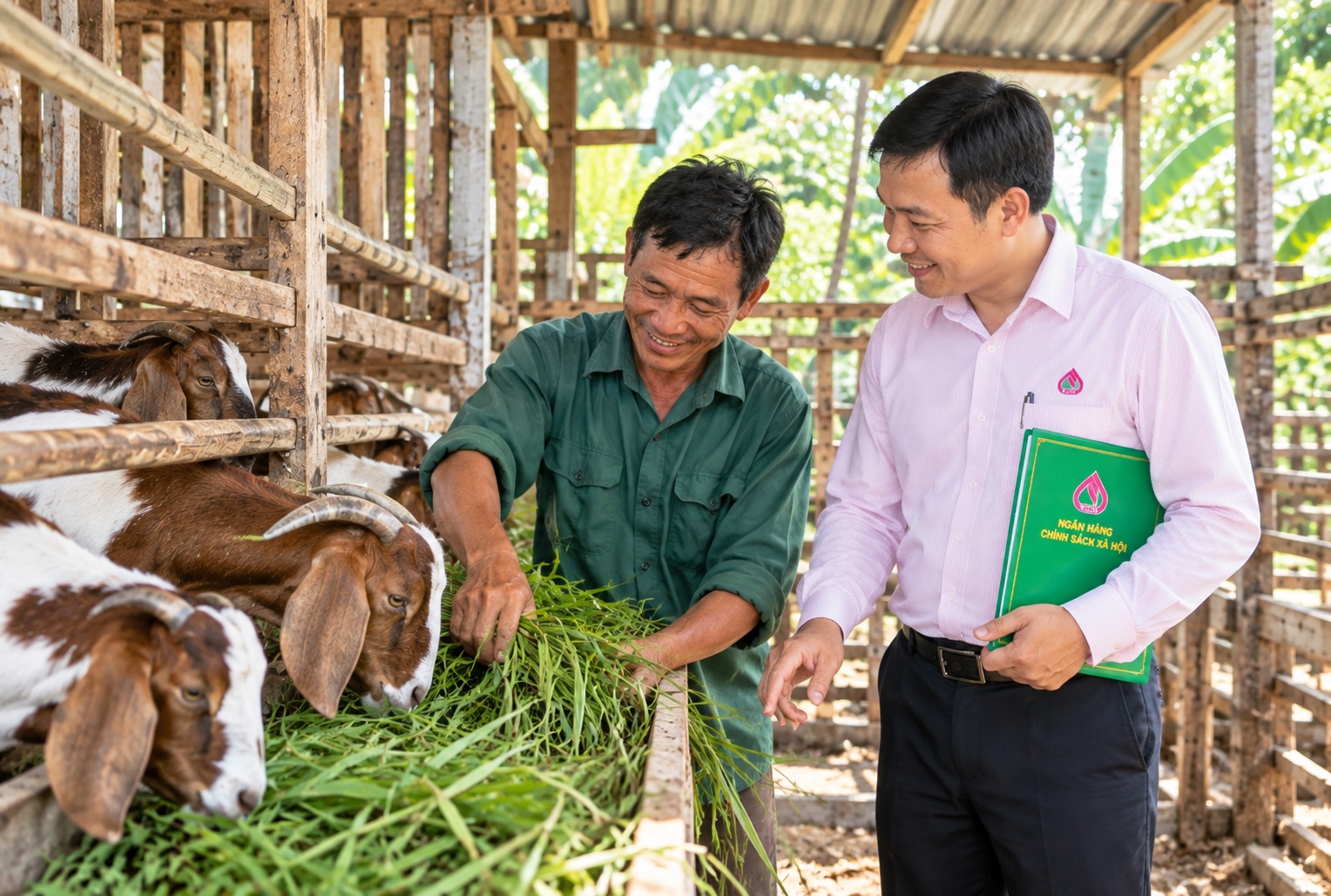
 | The ‘infrastructure’ connecting VBSP with borrowers Vietnam’s policy credit system relies on a grassroots network that connects VBSP with borrowers, channels capital to communities, monitors its use and strengthens financial discipline. |
 | Dak Lak takes policy credit to the grassroots as lending surges The Central Highlands province of Dak Lak is expanding policy lending while bringing credit closer to underserved households, with the focus increasingly shifting from disbursement growth to loan quality and sustainable access. |
What the stars mean:
★ Poor ★ ★ Promising ★★★ Good ★★★★ Very good ★★★★★ Exceptional
 Tag:
Tag:
Related Contents







Latest News



More News
- From loans to women’s economic empowerment (October 06, 2026 | 17:58)
- VIB named Outstanding Retail Bank 2026, targets transaction banking (October 06, 2026 | 10:52)
- FTSE upgrade paves way for stronger stock market development (October 05, 2026 | 18:44)
- coLoan to empower women through inclusive green finance (October 05, 2026 | 18:42)
- Techcombank CEO: AI no longer a tool but a new operating foundation (October 05, 2026 | 18:11)
- Banks sustain profit growth as funding costs squeeze margins (October 02, 2026 | 22:22)
- Nam A Bank delivers strong breakthrough in 2026 (October 02, 2026 | 19:00)
- Policy credit builds sustainable livelihoods from the grassroots (September 29, 2026 | 07:48)
- VIB deploys Front Arena treasury and foreign exchange trading system on AWS (September 28, 2026 | 16:46)
- Nam A Bank receives $60 million loan from FMO (September 28, 2026 | 12:37)


Latest News





 Mobile Version