

Tax circular amendments aim to ease import-export procedures

In the little over five years since its implementation, Circular No.06/2021/TT-BTC has played a significant role in modernising tax administration for export and import businesses. The circular, issued by the ministry, provides guidance on several articles of the Law on Tax Administration.
In response to growing requirements, the Ministry of Finance (MoF) is now seeking public feedback on proposed amendments to further facilitate business activities. The circular has become a key legal instrument shaping a modern, transparent, and internationally aligned approach to tax administration for import and export goods.
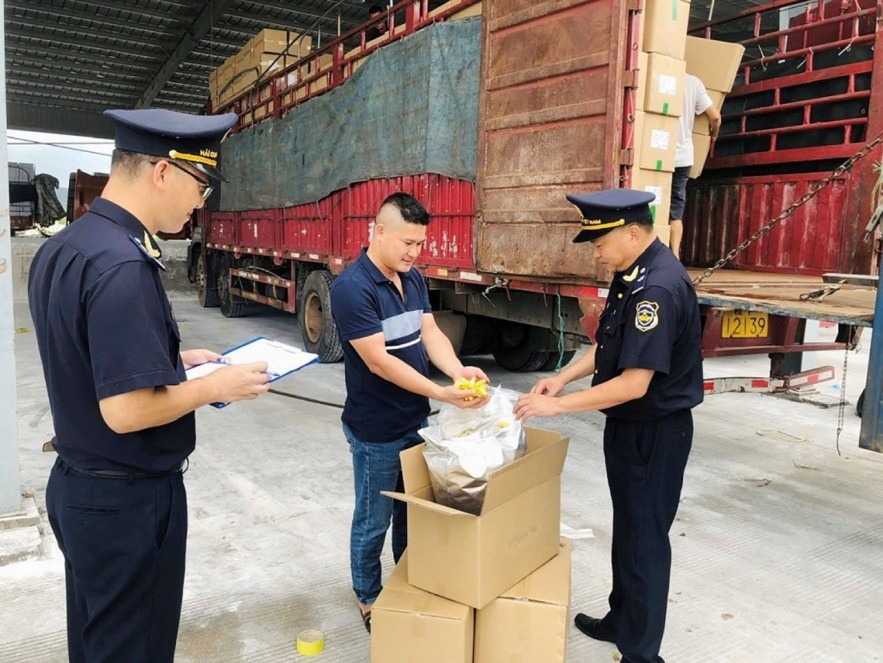 |
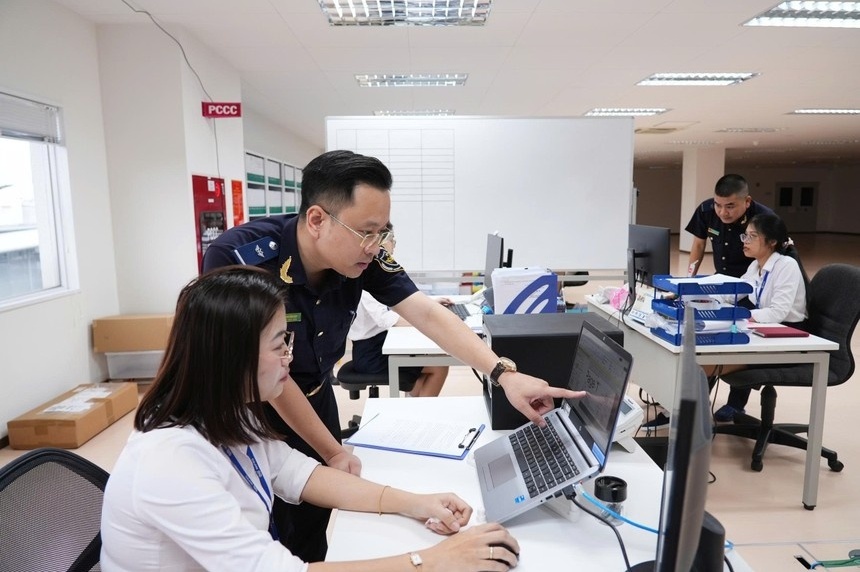
| Customs officers processing goods clearance procedures for businesses |
One of the circular’s most notable achievements has been the reform of administrative procedures and improvements in taxpayer services. The customs sector has simultaneously rolled out a wide range of communication and policy dissemination measures on a large scale and through diverse channels.
Beyond training conferences and business dialogue forums, digital platforms such as social media, instructional videos, and electronic information portals have also been effectively utilised, helping tax policies reach businesses more quickly and become easier to access.
According to customs authorities, although the circular has delivered many positive results, practical implementation has also revealed mounting pressure for amendments to meet new demands.
The rapid development of the digital economy is creating major gaps in current policy frameworks. New business models such as cross-border e-commerce, digital platforms, and transnational services are expanding rapidly, while the existing legal framework has struggled to keep pace.
The absence of appropriate management tools has created difficulties for regulators in determining tax obligations, controlling revenue flows, and preventing tax losses, particularly in relation to foreign enterprises without a commercial presence in Vietnam.
Limitations in digital transformation have also emerged as an impediment. Although considerable progress has been made, comprehensive automation of tax administration processes has yet to be implemented consistently, especially for procedures involving coordination across multiple sectors.
Tax fraud is also becoming increasingly sophisticated. Violations have now evolved into organised, cross-border schemes involving transfer pricing and the exploitation of policy differences between countries. This situation requires stronger solutions in both legal frameworks and technology.
In addition, changes in the legal system and organisational structure have created an urgent need to revise the circular. The issuance of multiple new tax laws, together with the restructuring of management agencies towards a leaner apparatus, requires adjustments to ensure consistency and coherence across the legal system.
In response to these demands, the MoF has developed a comprehensive roadmap for amending Circular 06. The amendment process will be carried out based on a full review and assessment of practical implementation, while also gathering broad feedback from ministries, sectors, local authorities, associations, and the business community.
The draft amended circular will be published on the e-portal to collect comments from organisations and individuals. At the same time, thematic conferences, workshops, and business dialogue sessions will continue to be organised to incorporate practical feedback and ensure that the new policy framework is highly feasible.
Regarding the proposed timeline, the MoF expects to complete the review and drafting process later this year, conduct broad consultations, finalise the dossier, and submit it for promulgation in accordance with the Law on Promulgation of Legislative Documents.
The proposed amendments will focus on key areas including refining the tax administration model towards a leaner and more efficient structure; accelerating the digitalisation of records and full electronic processing; supplementing regulations on tax inspections, re-inspections, and post-refund audits; improving mechanisms for handling overpaid taxes; and strengthening inter-agency coordination and data sharing.
In particular, the new policy framework will aim to establish a tax administration mechanism suited to the digital economy, while enhancing the application of modern technologies such as big data and AI in risk analysis, thereby improving management efficiency and preventing revenue losses.
During the 2021-2025 period, the customs sector organised more than 180 training conferences with the participation of approximately 25,000 businesses.
This helped raise corporate awareness while also significantly improving compliance with tax regulations, laying a stronger foundation for more effective administration.
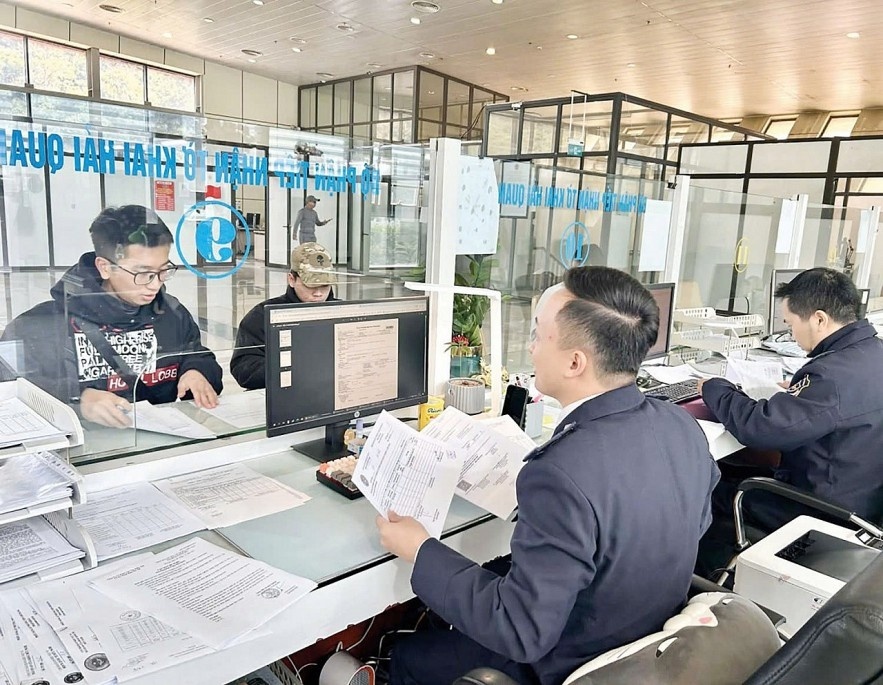
At the same time, major advances were made in IT application. The synchronised deployment of the VNACCS/VCIS automated customs clearance system and National Single Window mechanism, along with online public services and 24/7 electronic tax payment services, has fundamentally transformed how businesses fulfill their tax obligations.
More than 96 per cent of enterprises now participate in electronic tax payments, while tax payment processing times have been reduced from several days to just a few minutes.
In parallel, the customs sector has constantly streamlined and strengthened its organisational structure while improving the quality of its workforce.
The restructuring of the organisational model and the clearer division of functions and responsibilities have helped bolster the efficiency of tax administration in the new context.
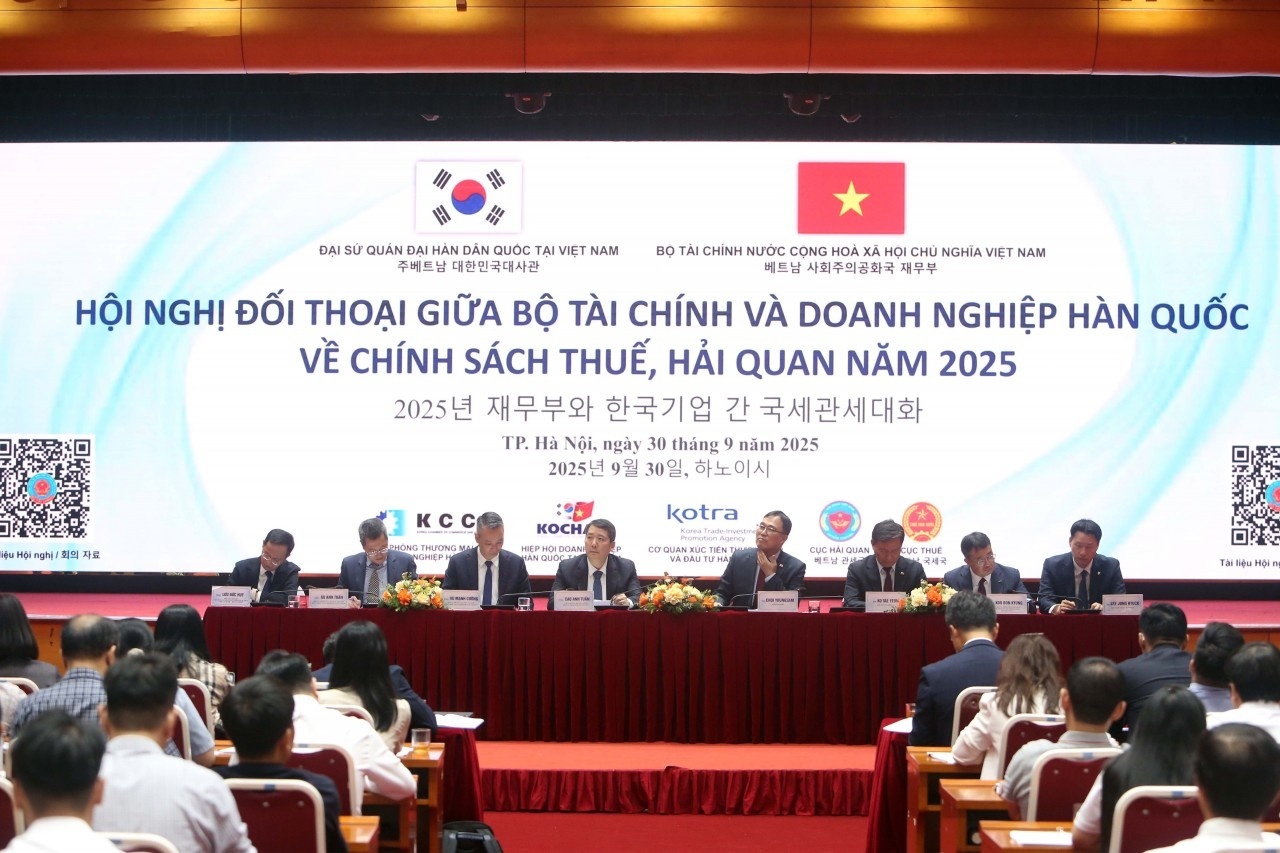
 | ASEAN, RoK agree to speed up customs procedures The Association of Southeast Asian Nations (ASEAN) and the Republic of Korea (RoK) have agreed to settle difficulties in customs procedures for more effective implementation of their free trade agreement (FTA), according to the RoK’s Ministry of Economy and Finance. |
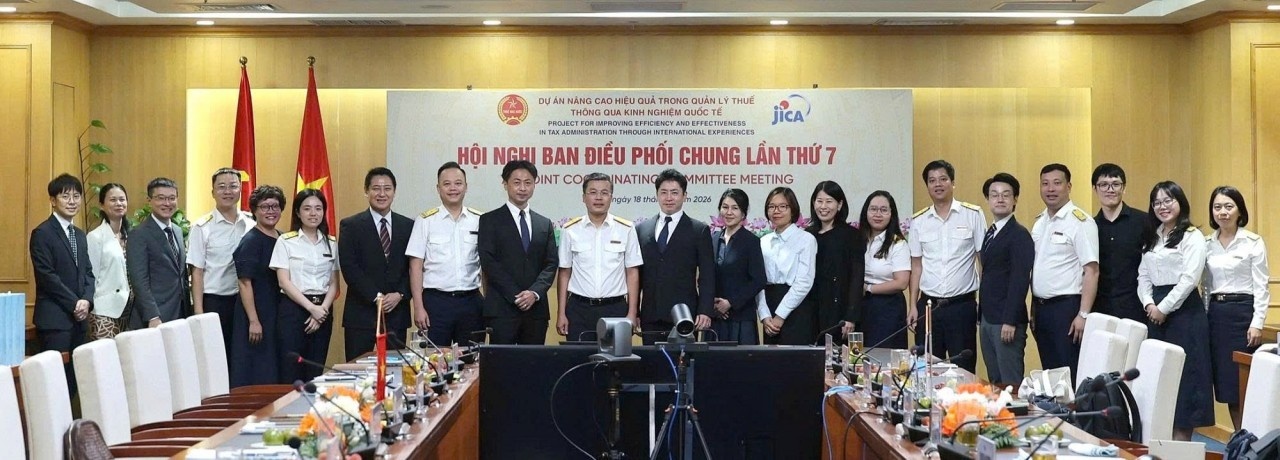
 | Vietnam and Canada share customs procedures A forum themed “CPTTP in Action – Dialogue with Ho Chi Minh City Customs Department” was held on March 27 to discuss country-of-origin issues, tariff classifications and refunds, imports of products samples, and custom clearance with a business delegation from Canada. |
 | Tax exemptions for low-value goods may simplify customs procedures The Ministry of Finance is proposing tax exemptions for low-value goods imported via e-commerce platforms, aiming to simplify tax and customs procedures but raising concerns over potential pressure on domestic production. |
What the stars mean:
★ Poor ★ ★ Promising ★★★ Good ★★★★ Very good ★★★★★ Exceptional
 Tag:
Tag:
Related Contents








Latest News




More News
- From loans to women’s economic empowerment (October 06, 2026 | 17:58)
- VIB named Outstanding Retail Bank 2026, targets transaction banking (October 06, 2026 | 10:52)
- FTSE upgrade paves way for stronger stock market development (October 05, 2026 | 18:44)
- coLoan to empower women through inclusive green finance (October 05, 2026 | 18:42)
- Techcombank CEO: AI no longer a tool but a new operating foundation (October 05, 2026 | 18:11)
- Banks sustain profit growth as funding costs squeeze margins (October 02, 2026 | 22:22)
- Nam A Bank delivers strong breakthrough in 2026 (October 02, 2026 | 19:00)
- Policy credit builds sustainable livelihoods from the grassroots (September 29, 2026 | 07:48)
- VIB deploys Front Arena treasury and foreign exchange trading system on AWS (September 28, 2026 | 16:46)
- Nam A Bank receives $60 million loan from FMO (September 28, 2026 | 12:37)


Latest News





 Mobile Version