
Swiss-funded GEVA programme boosts Vietnam's green agricultural exports

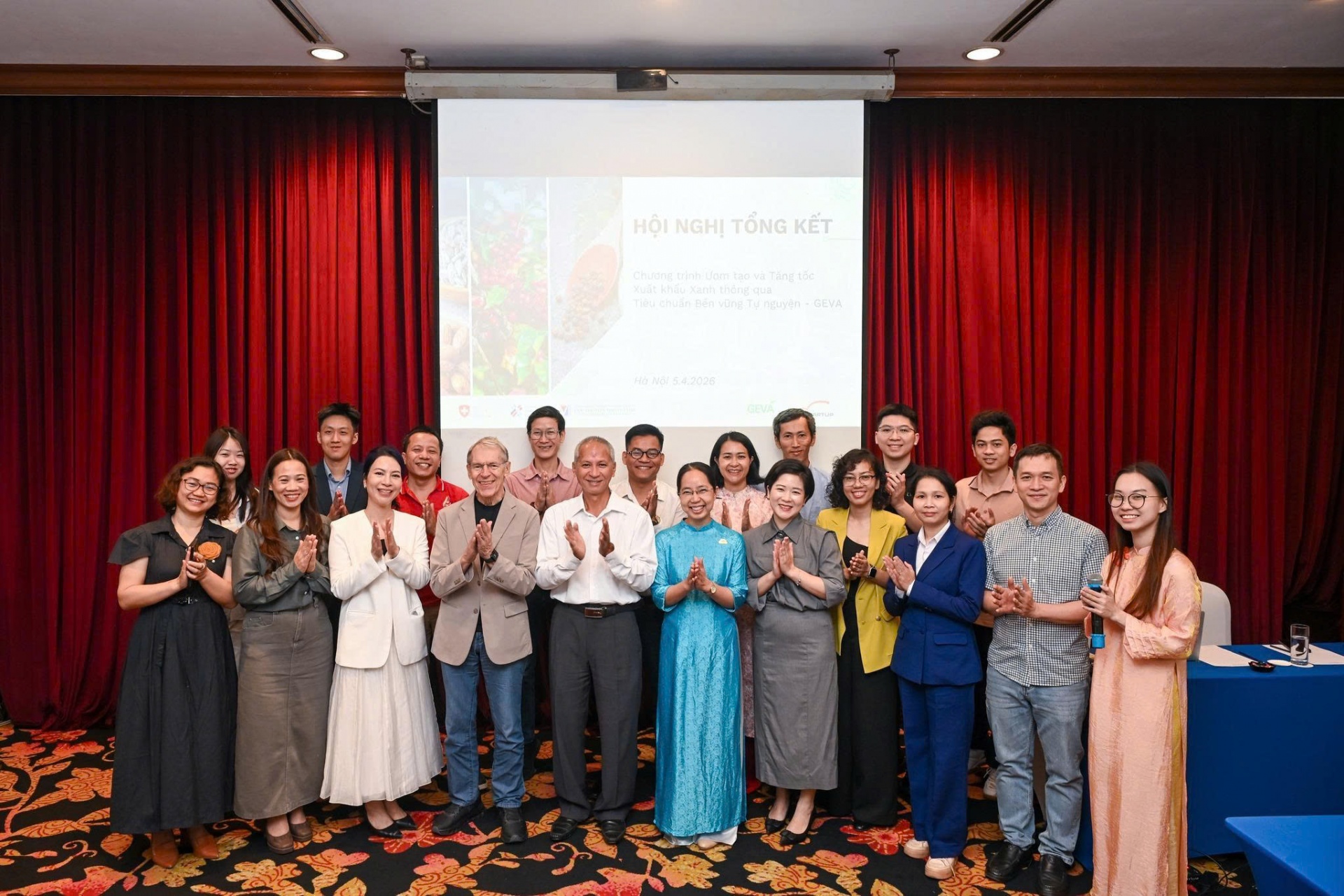 |
The Green Export Incubation and Acceleration Programme through Voluntary Sustainability Standards (GEVA) held its closing conference on April 5. Funded by the Swiss government and co-managed by the International Trade Centre (ITC) and the Vietnam Trade Promotion Agency, the initiative was implemented by KisStartup JSC.
The event was attended by representatives from the Trade Promotion Agency, the ITC in Vietnam, experts, project partners, more than 10 businesses (representing 25 participating companies), and media agencies.
Nguyen Dang Tuan Minh, CEO of KisStartup, said, "After one year, participating businesses have demonstrated clear progress in both mindset and action. KisStartup aims to further develop green export support services to accompany Vietnamese enterprises over the long term."
Luu Trong Hieu, project coordinator of GEVA, said the initiative has delivered several notable results. "It launched three self-assessment toolkits on the greenexport.vn platform, covering green business models, VSS compliance, and green export readiness," he said. "Five training courses were organised in Hanoi, Ho Chi Minh City, Ben Tre, Dak Lak, and Gia Lai, attracting 485 participants."
The programme also selected 25 businesses for the incubation and acceleration scheme, providing more than 270 hours of in-depth one-on-one consulting across seven thematic areas, along with field assessments conducted at 15 enterprises.
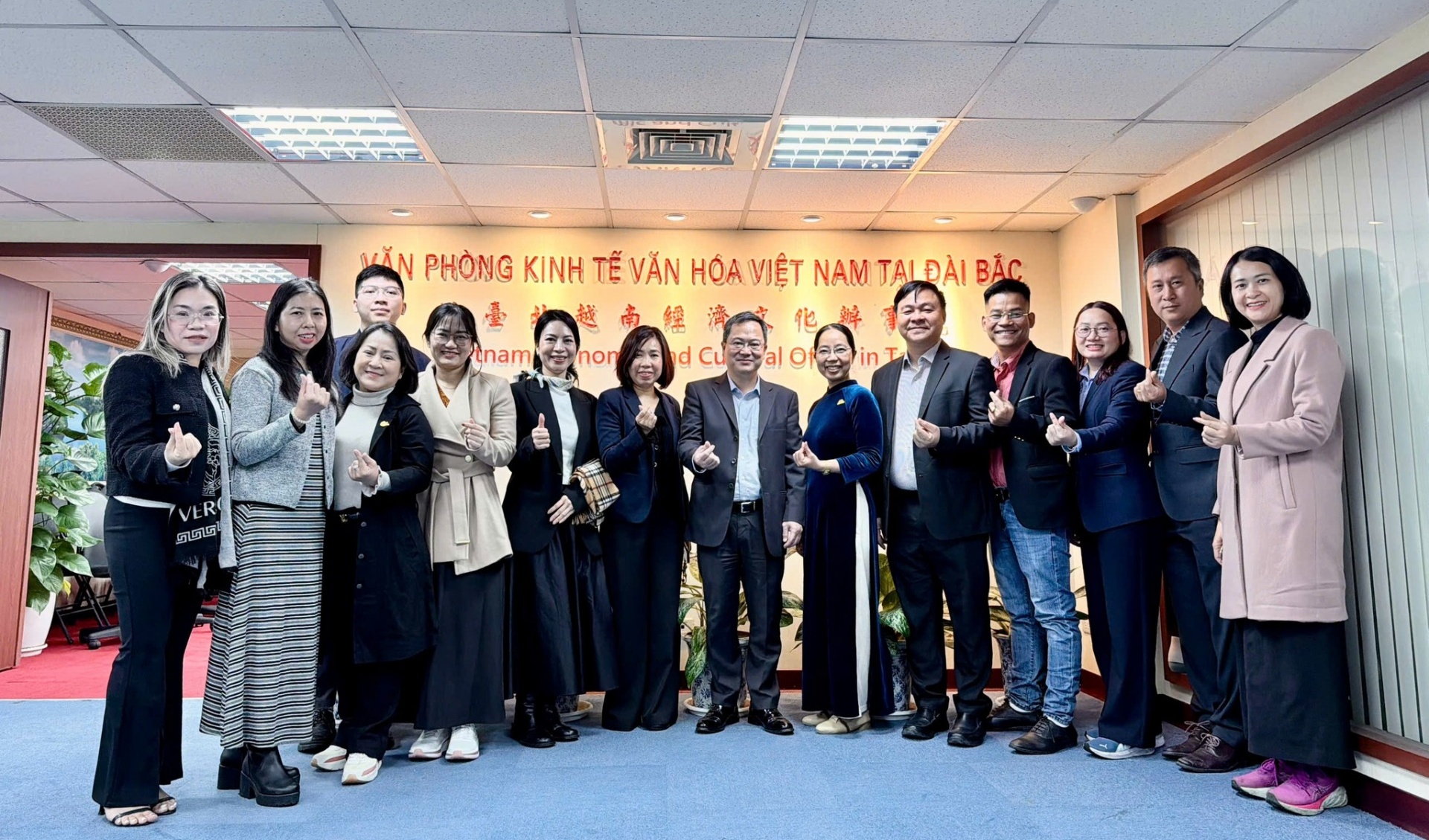
In terms of green export market connections, GEVA supported 17 businesses to participate in the Vietnam Sourcing Expo 2025, five businesses at the Taiwan Lunar New Year Fair 2026, and trade promotion activities at VIPO 2026, along with four online matchmaking conferences with partners from Taiwan, Canada, the EU, and Japan. These outcomes have enabled businesses to meet standards while building sustainable competitive advantages.
Bui Khanh Tung from the Centre of Organic Agriculture Development and Support said standards should be seen as a foundation for sustainable business growth, not a burden. Within GEVA, businesses were equipped with three practical tools to self-assess their level of greenness, resilience, and export readiness.
"Although Vietnamese agricultural products are present in many global markets, most high-value segments remain controlled by foreign distributors," he said. "Vietnamese businesses need to take a more proactive approach in enhancing capabilities and rigorously adopting sustainability standards to meet market requirements and gradually position themselves in higher-value segments."
Vu Thu Van, CEO of Richard Moore Associates (RMA) – the branding consultancy partner for the programme – said she fully understands the challenges businesses face in brand building.
"While many companies have refreshed their image, building a brand is a long-term journey," she said. "Many still struggle to differentiate between domestic and export markets and have yet to develop systematic strategies. RMA aims to bridge this gap by helping businesses redefine their brand stories and core values."
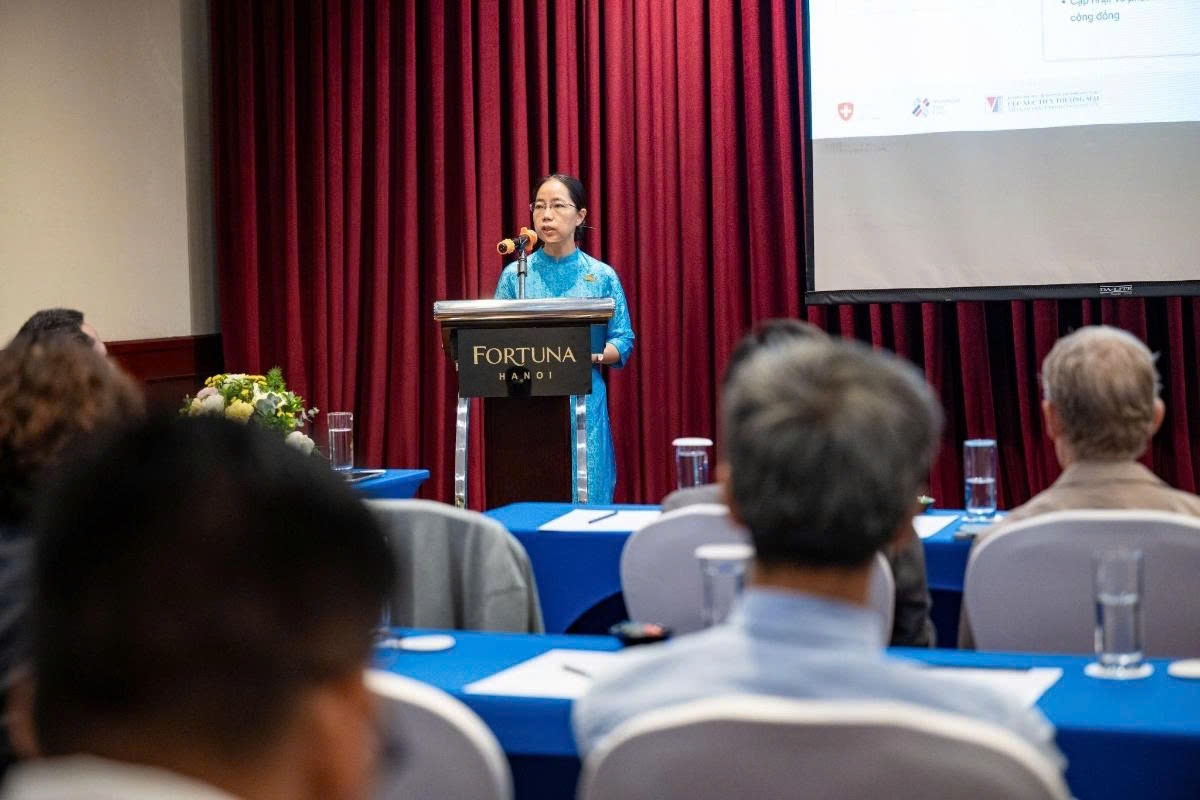 |
| Nguyen Dang Tuan Minh, CEO of KisStartup |
KisStartup's Minh noted that RMA experts identified two major limitations among businesses: weak digital export capabilities, particularly in websites and sales channels, and a lack of compelling impact stories.
"A Canadian importer once remarked that the market is saturated and in need of new stories," Minh said. "This is precisely the gap that GEVA has helped businesses address."
After a year with GEVA, participating businesses have seen tangible progress in both green export practices and sustainable development. Many have strengthened their export capabilities, refined brand positioning, and gained a deeper understanding of international market expectations, particularly around sustainability and green consumption trends.
For Detech Coffee, GEVA has played a key role in enhancing export readiness and market insight. "We now better understand customer requirements and green consumption trends, especially after participating in the Taiwan Lunar New Year Fair 2026," said Le Thi Hang, deputy director of Detech Coffee.
At Ede Cafe, the transformation has been more strategic. “We have shifted our mindset towards green exports, clarified our core values, and built a more consistent brand story,” Y Nie Pot, director of Ede Cafe, said. The company has since successfully exported coffee to the United States.
Meanwhile, Red River Spices reported concrete business outcomes. After joining the Taiwan Lunar New Year Fair 2026 through GEVA, the company successfully shipped its first export container to Taiwan, marking an important milestone in its green export journey.
For SAOLA, the initiative helped strengthen communication and market expansion efforts. "Field visits supported us in expanding our growing areas and building greater confidence in our export strategy," said Pham Nguyen Thanh, director of SAOLA.
At Pearl Group JSC, GEVA supported a more focused communication strategy and clearer sustainability narrative. According to deputy CEO Tran Phuoc Hau, the company is now better positioned to reach target customers and is preparing to expand into new product lines, including coffee and instant pho, with continued support from the project.
Beyond these examples, other participating businesses – including DACE, Essence Forest, RainCoffee, and The Cil Coffee – have also made significant strides, refining their brand stories, pursuing green certifications, and adopting more circular and sustainable business models.
GEVA marks not just the conclusion of a one-year initiative, but the beginning of a new phase for Vietnamese businesses on their green export journey. With stronger capabilities and clearer direction, participating businesses are now better positioned to bring sustainable products, authentic stories, and Vietnamese values to global markets.
KisStartup reaffirmed its long-term commitment to supporting a green export business community in Vietnam. "Starting with more than 20 purpose-driven businesses, we have begun shaping Vietnam's green export journey – and we will continue to build it together," Minh said.
 | Voluntary Sustainability Standards pave way for Vietnam’s agricultural exports A single rejected shipment can take years for an exporter to rebuild trust with international partners, and may even tarnish the reputation of an entire sector. By contrast, exporters that consistently meet required standards can benefit from “green lane” clearance, enjoying faster inspections and lower logistics costs. |
 | From standards to strategy: building Vietnam’s green export capability Sustainability standards alone are not enough–Vietnamese enterprises must integrate them into market-driven business models to unlock real export opportunities. |
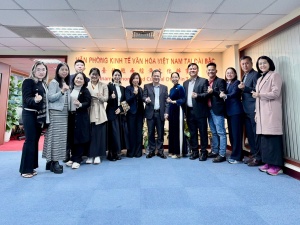 | GEVA boosts Vietnam’s green export push Against the backdrop of increasingly stringent international market requirements regarding quality, traceability, and sustainability standards, strengthening the capacity of Vietnamese enterprises and supporting their access to green export markets has become a critical priority. |
What the stars mean:
★ Poor ★ ★ Promising ★★★ Good ★★★★ Very good ★★★★★ Exceptional
 Tag:
Tag:Related Contents

Latest News





More News
- Sojitz in Vietnam: 40 years from individual projects to a business cluster 'KATAMARI' (October 08, 2026 | 09:00)
- Coteccons targets 'Quality Growth' with 25 per cent dividend plan (October 07, 2026 | 13:00)
- Vietnam Education Forum opens UK Education Mission's Hanoi visit (October 07, 2026 | 12:27)
- Tax authorities deactivate TINs of nearly 180,000 businesses (October 07, 2026 | 12:08)
- World Bank raises Vietnam's 2026 GDP growth forecast to 7.4 per cent (October 07, 2026 | 11:41)
- Vietstock 2026 to spotlight livestock innovation and green transition (October 07, 2026 | 09:00)
- Vietnam’s GDP grows over 9 per cent in first nine months (October 05, 2026 | 18:45)
- Vietnam earns $56.3 billion from agro-forestry-fishery exports (October 05, 2026 | 18:32)
- DSV balances resilience and decarbonisation in supply chains (October 05, 2026 | 18:20)
- Electronics exports reach $175.4 billion in the first nine months (October 05, 2026 | 18:12)



Latest News




 Mobile Version