

MoF proposes extending tax relief to curb inflation risks

 |
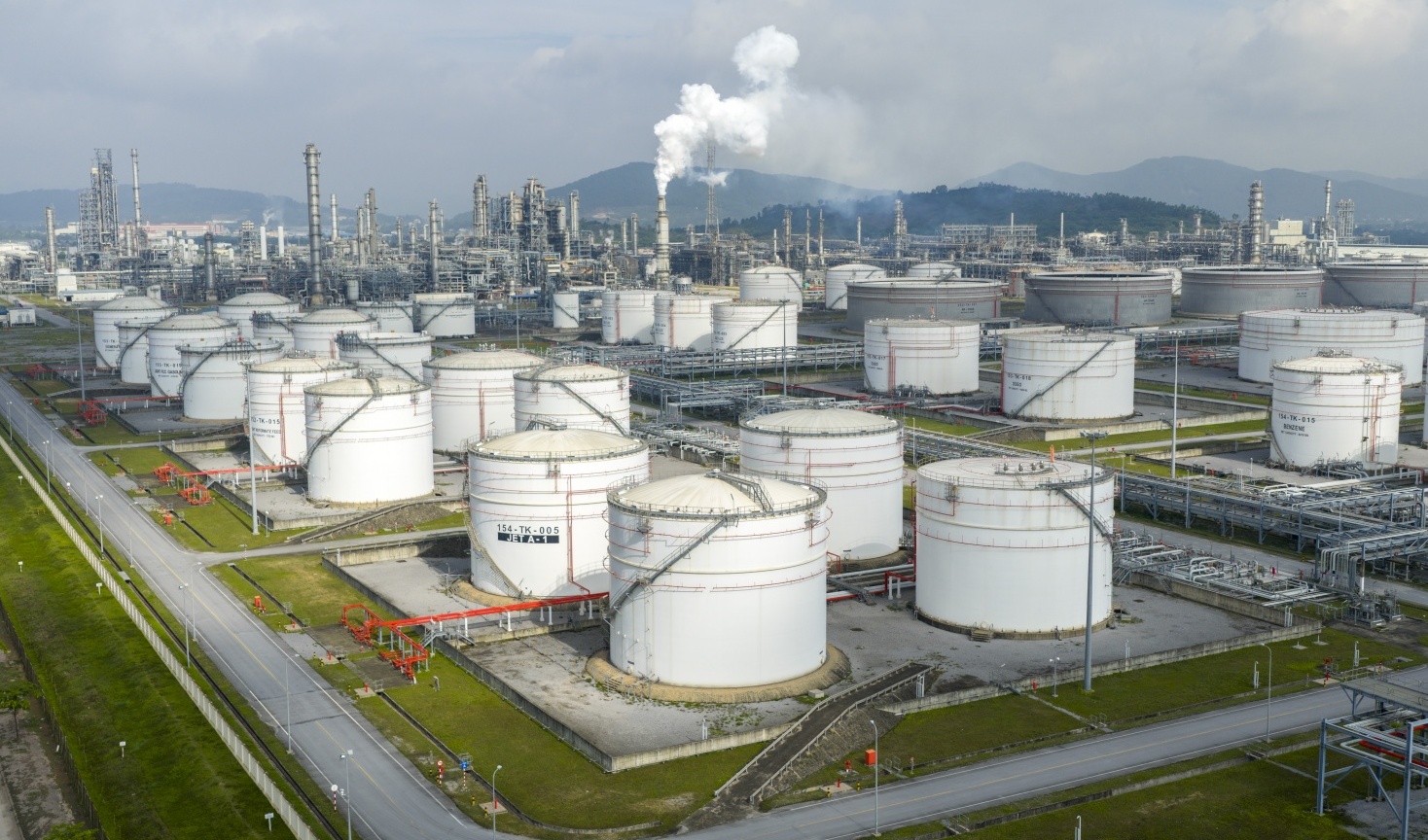
The ministry is seeking public comments on a draft resolution concerning the extension of preferential tax measures for petrol, oil and aviation fuel.
Under the proposal, the application of zero-rate most-favoured nation import duty, environmental protection tax and VAT on petroleum products would be extended until September 30, three months longer than the current policy. However, the special consumption tax (SCT) on petrol would be reinstated from July 1, with rates set at 10 per cent for mineral petrol, 8 per cent for E5 biofuel and 7 per cent for E10 biofuel.
The proposal comes as global oil prices have eased following a peace agreement between the United States and Iran and the restoration of shipping through the Strait of Hormuz. Nevertheless, the MoF noted that risks in the global energy market remain significant. The possibility of renewed conflict cannot be entirely ruled out, while global petroleum supplies continue to be influenced by geopolitical developments.
The MoF also pointed out that most petroleum currently available on the domestic market was purchased earlier at higher prices and remains in inventory. Imports reflecting lower international prices often reach the market with a delay due to price negotiations between importers and suppliers, as well as lengthy transportation times.
Previously, in response to escalating tensions in the Middle East, the government reduced all major taxes on petroleum products to zero until June 30.
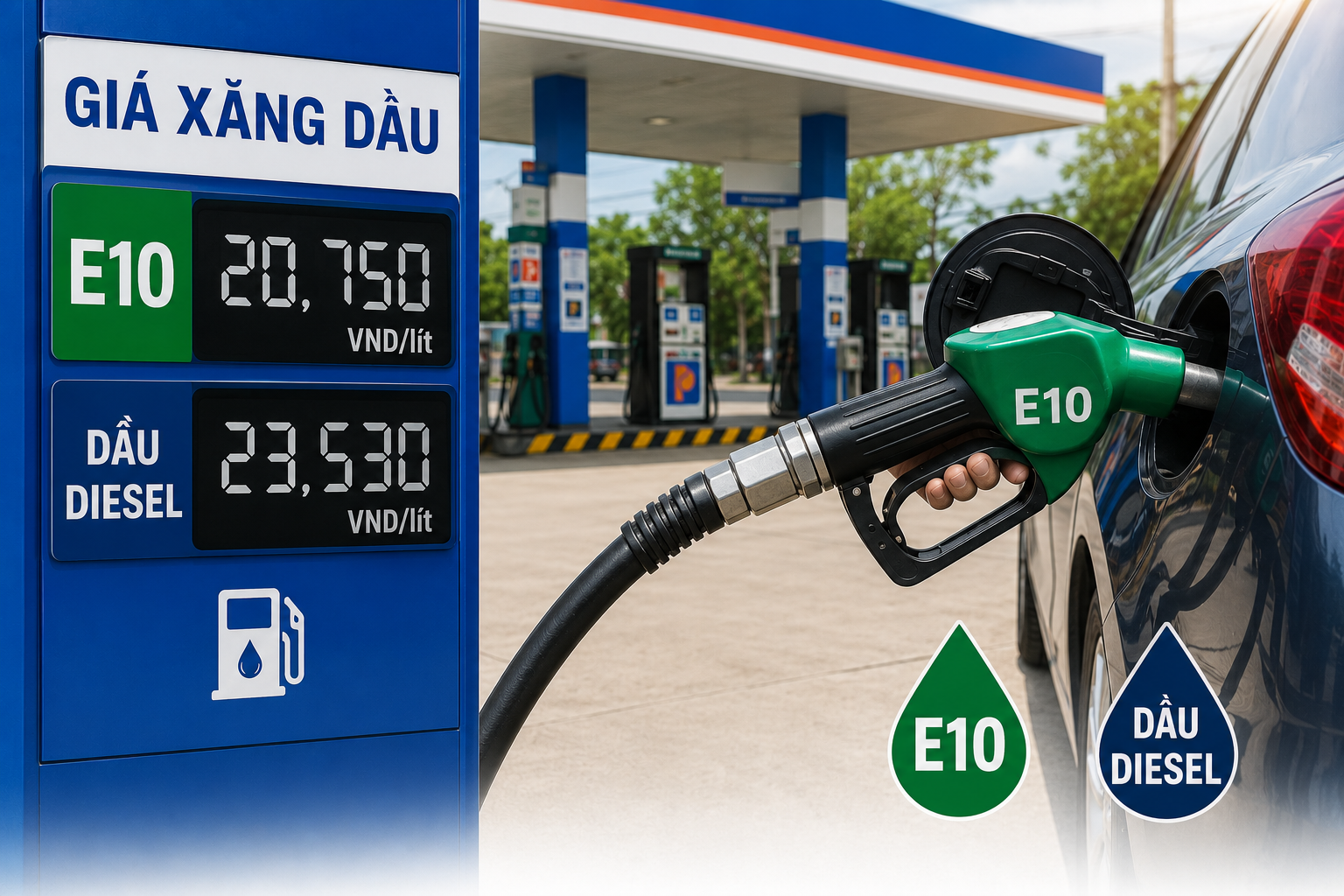
Domestic retail fuel prices have declined steadily in recent pricing periods. E10 petrol is currently priced at VND20,750 (8.1 cents) per litre, while diesel costs VND23,530 (9.2 cents) per litre, the lowest levels recorded in nearly three months. However, prices remain 5.9-33.8 per cent higher than before the outbreak of the Middle East conflict.
According to the MoF, domestic fuel prices could surge by 43-67 per cent, depending on the product, if all petroleum-related taxes, except the SCT on petrol, were immediately restored to pre-conflict levels. Such a scenario could add approximately 0.78 percentage points to the average consumer price index (CPI) this year, putting pressure on inflation control targets.
Under the proposed extension of tax exemptions through September, excluding the reinstatement of the SCT on petrol, retail prices of E5 and E10 petrol would rise by around 7-8 per cent, while diesel prices would remain largely unchanged.
Overall, the average fuel price level would increase by about 5 per cent, with an estimated impact of only 0.11 percentage points on the CPI, significantly lower than under a full tax reinstatement scenario. State budget revenue is expected to decline by around $604 million during the final three months of the third quarter as a result of the tax relief measures.
The MoF said the proposal struck a balance between inflation control, energy supply security and the gradual restoration of budget revenues. Maintaining the MFN import duty at zero would also allow fuel importers to diversify supply sources beyond ASEAN markets, reducing dependence on traditional suppliers.
Under the draft, the new measures would take effect from July 1 through September 30. If necessary, the Ministry of Industry and Trade may propose adjustments to the implementation period in line with market developments and macroeconomic management requirements.
 | EU to Vietnam flights face mounting pressure as jet fuel supply tightens Airlines across Europe and Vietnam are scaling back flights amid a tightening jet fuel supply, driven by ongoing disruptions in the Middle East. |
 | Vietnam’s business aviation growth fuels rising demand for MRO support Vietnam’s business aviation market may still be modest in size, but it is emerging as the fastest-growing segment in Southeast Asia, creating new momentum for maintenance, repair and overhaul providers across the region. |
 | Infrastructure boom fuels expansion of non-life insurance market Resilient exports, rising public investment and sustained FDI inflows are expected to create new growth momentum for Vietnam’s non-life insurance market in 2026, particularly across infrastructure, construction and logistics segments. |
What the stars mean:
★ Poor ★ ★ Promising ★★★ Good ★★★★ Very good ★★★★★ Exceptional
 Tag:
Tag:Related Contents






Latest News




More News
- Sojitz in Vietnam: 40 years from individual projects to a business cluster 'KATAMARI' (October 08, 2026 | 09:00)
- Coteccons targets 'Quality Growth' with 25 per cent dividend plan (October 07, 2026 | 13:00)
- Vietnam Education Forum opens UK Education Mission's Hanoi visit (October 07, 2026 | 12:27)
- Tax authorities deactivate TINs of nearly 180,000 businesses (October 07, 2026 | 12:08)
- World Bank raises Vietnam's 2026 GDP growth forecast to 7.4 per cent (October 07, 2026 | 11:41)
- Vietstock 2026 to spotlight livestock innovation and green transition (October 07, 2026 | 09:00)
- Vietnam’s GDP grows over 9 per cent in first nine months (October 05, 2026 | 18:45)
- Vietnam earns $56.3 billion from agro-forestry-fishery exports (October 05, 2026 | 18:32)
- DSV balances resilience and decarbonisation in supply chains (October 05, 2026 | 18:20)
- Electronics exports reach $175.4 billion in the first nine months (October 05, 2026 | 18:12)



Latest News





 Mobile Version