
Vietnam’s reforms earn international recognition as government reviews July performance

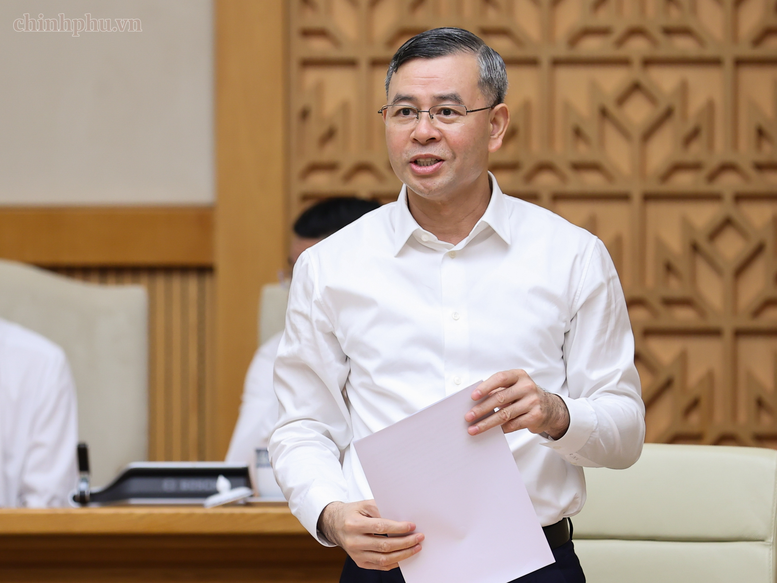 |
| Minister of Finance Ngo Van Tuan. Photo: VGP/ Nhat Bac |
International organisations raise Vietnam’s growth outlook
According to the Ministry of Finance (MoF), the global environment remains volatile, with slowing growth in major economies, renewed tensions in the Middle East pushing up oil prices, and the United States imposing additional tariffs of 10-12.5 per cent on imports from 60 economies.
Domestically, following the third plenum of the Party Central Committee, the government has accelerated new policies. International organisations have continued to commend Vietnam’s reform efforts and have revised their forecasts for the country’s GDP growth upwards.
Macroeconomic conditions remain broadly stable, with inflation under control. The consumer price index fell 0.1 per cent in July from the previous month, while average inflation for the first seven months was estimated at 4.39 per cent on-year, remaining within the government’s annual target.
Supplies of electricity and petroleum products were secured, while domestic fuel prices remained relatively low compared with regional markets thanks to tax and fee measures.
Monetary policy, exchange rates, and interest rates continued to be managed proactively amid external pressures, helping improve short-term banking system liquidity. Capital market development also continued, with registered capital mobilisation reaching an estimated $16 billion, up 25.9 per cent on-year.
State budget revenue in the first seven months was estimated at $71 billion, equivalent to 72.5 per cent of the annual target and up 16 per cent from a year earlier. The government also completed the allocation of more than $103 billion in medium-term public investment capital.
Public investment disbursement reached $16 billion during January-July, equivalent to 41.9 per cent of the annual plan, up $3 billion from the same period last year.
Registered foreign direct investment totalled $38.06 billion in the first seven months, up 50.9 per cent on-year, while realised FDI reached $15.2 billion, an increase of 11.8 per cent. Total import-export turnover was estimated at $659.6 billion, up 28.1 per cent.
Agriculture maintained stable production, while the industrial production index rose 11.4 per cent in the first seven months, the highest growth since 2019. Retail sales and consumer service revenue increased 13.1 per cent during the period, in line with the government’s annual target, while international arrivals reached a record 13.92 million, up 13.7 per cent.
187,200 enterprises entered the market during the first seven months, up 7.5 per cent, exceeding the 155,300 businesses that exited the market.
Government steps up reforms
Minister Tuan said the government had continued rolling out Conclusion No.18-KL/TW, focusing on improving institutions, enhancing the investment climate, upgrading infrastructure, and attracting investment from all economic sectors.
During the first seven months, the government and the prime minister issued 387 legal documents, including 47 in July alone, while accelerating draft legislation and resolving long-delayed projects.
The government also launched a 100-day action plan to remove bottlenecks in digital transformation and completed a review resulting in a catalogue of more than 3,000 standards supporting strategic technology development.
Despite the positive results, the MoF said industrial production growth remained around 0.6 percentage points below the level required to achieve the annual target of 12-14 per cent.
Private consumption improved in July but remained relatively weak. Excluding price effects, consumption increased 7.5 per cent, only slightly above the 7.4 per cent recorded in the same period last year.
Projects continued to face localised labour shortages, rising labour and material costs, and weather-related disruptions to public investment disbursement. Five ministries and localities recorded disbursement rates below 10 per cent or had yet to disburse public investment funds.
Inflation management remains challenging as price pressures typically increase towards the end of the year and global oil prices remain volatile. Lending interest rates have continued to rise, while the banking sector faces ongoing liquidity pressure. Delays in issuing implementing regulations also persist.
Key priorities for rest of year
The MoF proposed eight priorities to support growth during the rest of the year. On fiscal policy, the government will continue tax and fee support measures for businesses and households, adjust fuel taxes where necessary, accelerate public investment disbursement, and tighten recurrent spending.
The State Bank of Vietnam will maintain stability in the monetary and foreign exchange markets, manage credit growth flexibly, stabilise lending rates, improve access to finance, accelerate bad debt resolution, and strengthen banking supervision.
The Ministry of Industry and Trade will continue managing domestic fuel prices, ensure energy security, assess trade imbalances, and maximise the benefits of Vietnam's free trade agreements while working with relevant agencies to address issues arising during trade negotiations with the United States.
Local authorities will also continue reducing administrative procedures, logistics costs, and compliance burdens for businesses, while accelerating key transport infrastructure projects, including Long Thanh International Airport, boosting private investment, improving the business environment, advancing institutional reform, and implementing the government's 100-day digital transformation programme.
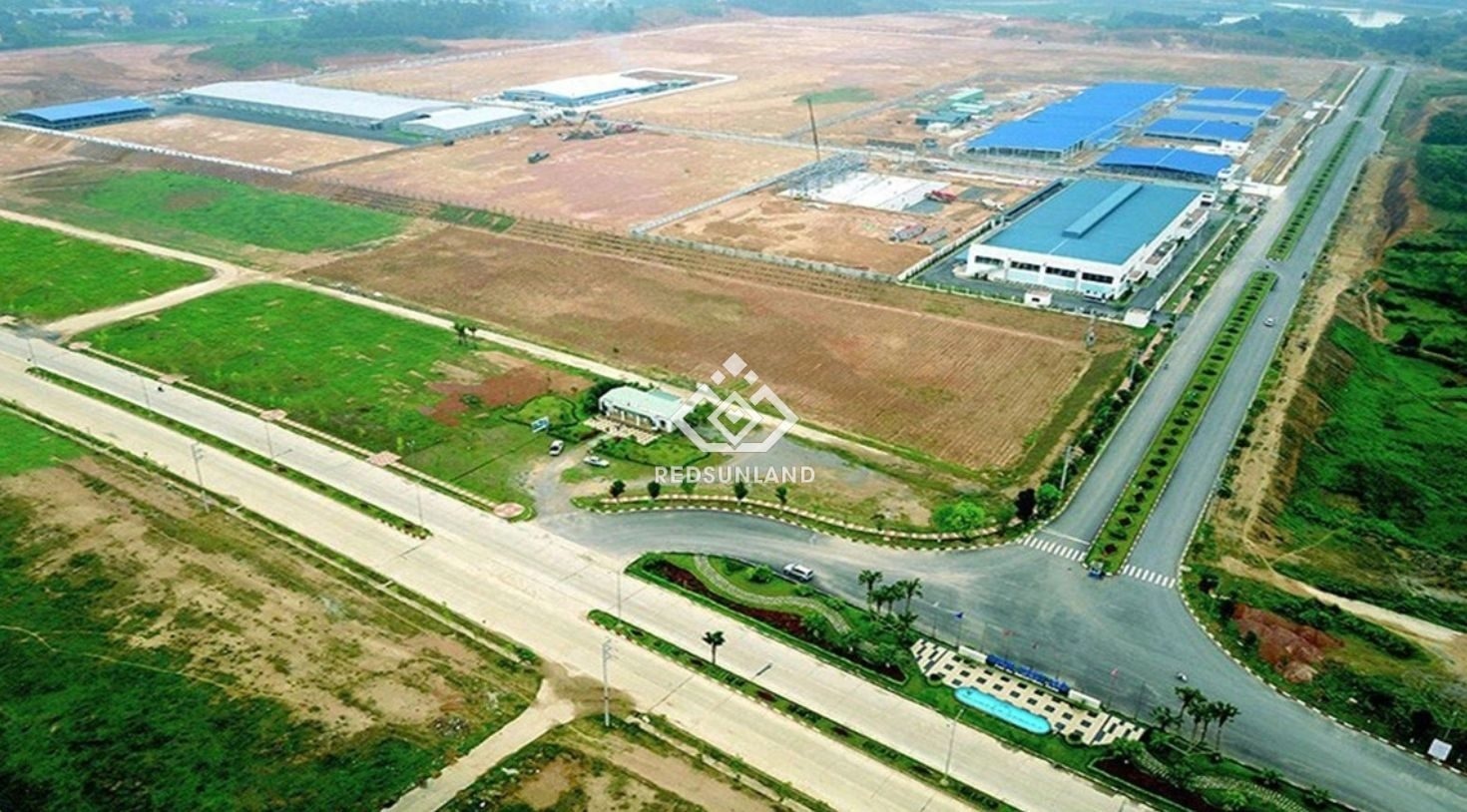
 | Vietnam urged to upgrade FDI quality as global production chains restructure Global production networks are undergoing profound restructuring under the combined impact of tariff policies, AI, and growing concerns over supply chain security. As competition among major economies shifts from low-cost manufacturing to technological capability, Vietnam needs to improve the quality of foreign direct investment, strengthen its industrial ecosystem, and develop domestic enterprises to move up global value chains. |
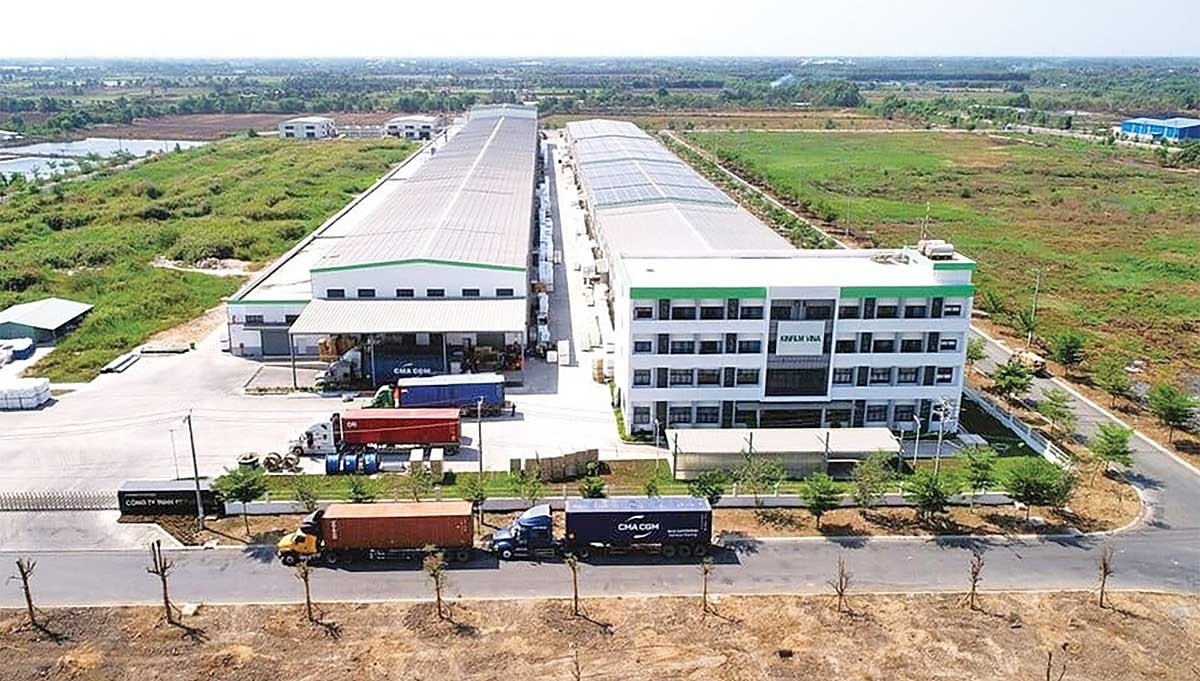
 | Economy needs 11.9 per cent growth in H2 to achieve 10 per cent GDP target for 2026 Vietnam's economy will need to grow by around 11.9 per cent in the second half of 2026 to achieve the government's 10 per cent GDP growth target for the full year. However, this is not simply a matter of accelerating growth. It also requires keeping inflation under control, maintaining macroeconomic stability, and improving the quality of growth. |
What the stars mean:
★ Poor ★ ★ Promising ★★★ Good ★★★★ Very good ★★★★★ Exceptional
 Tag:
Tag:Related Contents






Latest News




More News
- Carlsberg underscores long-term Vietnam commitment at Denmark talks (October 22, 2026 | 16:06)
- Brookland Group makes first investment in Vietnam's Miza Corporation (October 21, 2026 | 12:18)
- Petronas, Petrovietnam to expand energy cooperation (October 21, 2026 | 12:13)
- AI in customer experience: Finding the right level of automation (October 21, 2026 | 09:03)
- Fresh graduates fall short on soft skills, employers say (October 19, 2026 | 13:14)
- Ford innovations continue towards sustainable growth (October 19, 2026 | 09:40)
- Preparing professionals for a new business environment (October 19, 2026 | 09:13)
- KN Holdings honoured for ESG efforts in Vietnam (October 18, 2026 | 11:00)
- APEA 2026 Vietnam honours 65 outstanding leaders and enterprises (October 17, 2026 | 10:00)
- MEXC highlights AI-driven trading and broader market access at TOKEN2049 (October 17, 2026 | 09:00)








 Mobile Version