
MoF minister outlines priorities for international integration to support growth

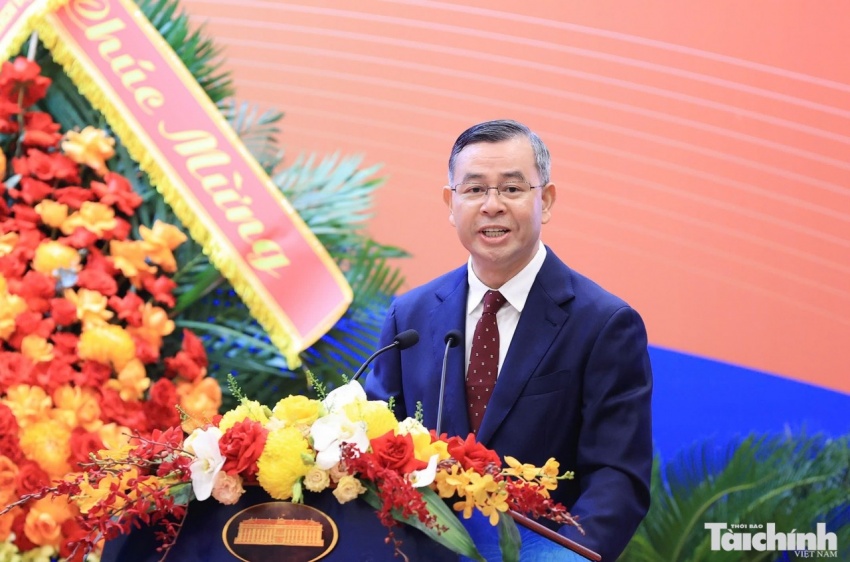 |
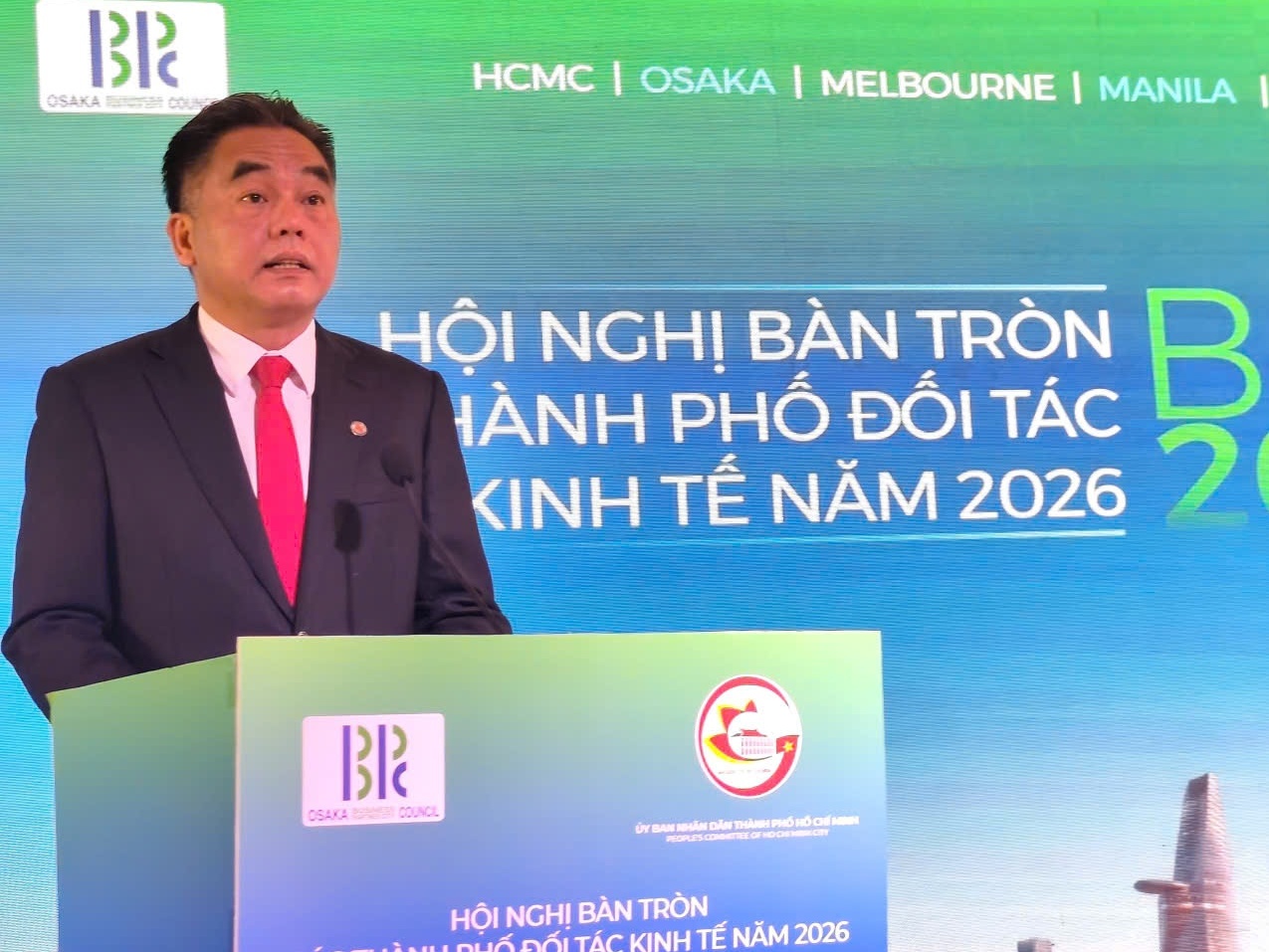
| Minister of Finance Ngo Van Tuan. Photo: Duc Thanh |
Finance sector's efforts to expand Vietnam's development space
Reflecting on more than four decades of economic reform and international integration, Minister Tuan said every stage of Vietnam's development had been closely linked to deeper integration into the global economy, with the finance sector playing a pioneering role.
He noted that the MoF helped establish Vietnam's first legal framework for attracting foreign investment through the 1987 Law on Foreign Investment, restored financial relations with international financial institutions in 1993, supported Vietnam's accession to ASEAN in 1995, and implemented the country's first tariff commitments under international integration.
"The finance sector has fulfilled its role by helping expand Vietnam's development space and progressively integrating the country's economy more deeply into regional and global markets," he said.
Vietnam has since become an active participant in numerous regional and multilateral financial cooperation mechanisms, joined the World Trade Organization, concluded 19 free trade agreements, signed 81 double taxation avoidance agreements, 60 investment promotion and protection agreements, 30 customs cooperation and mutual administrative assistance agreements, as well as many specialised financial cooperation arrangements.
According to the minister, these treaties and agreements have established a transparent, stable, and predictable legal framework for international trade, investment, and finance, strengthening Vietnam's position in the global economic integration process.
The country's policy of openness and international integration has also transformed foreign investment and international trade into key drivers of economic growth, enabling Vietnam to maintain average annual GDP growth of around 6.5-7 per cent for more than three decades.
At the same time, Vietnam has continued to strengthen its national financial foundation and preserve macroeconomic stability. Public debt is projected to stand at around 35-36 per cent of GDP by the end of 2026, well below the statutory ceiling, providing substantial fiscal policy space.
Meanwhile, the financial market has expanded in both scale and depth. The stock market is now equivalent to approximately 82.3 per cent of GDP, while the corporate bond market has reached around 22.1 per cent of GDP, gradually becoming an increasingly important source of medium- and long-term capital for the economy.
Vietnam's financial standing has also continued to improve internationally. FTSE Russell recently upgraded Vietnam's stock market to secondary emerging market status, while international credit rating agencies have improved the country's sovereign credit ratings, bringing Vietnam closer to achieving Investment Grade status.
Developing capital markets
Minister Tuan said the global landscape was changing rapidly, with strategic competition among major economies, the restructuring of global supply chains, and accelerating green transition, digital transformation, and AI reshaping international investment, trade, and financial flows.
"These developments require a new approach to international integration. It should focus on expanding markets or attracting capital, but also support the enhancement of domestic capabilities, improve the quality of economic growth, and strengthen the resilience of the economy," he said.
He said this approach reflects the guiding principles of Resolution No.59-NQ/TW on international integration in the new context and Resolution No.06-NQ/TW on implementing the foreign policy orientations of the 14th National Party Congress.
The MoF outlined four strategic priorities that will guide the ministry's international cooperation and integration agenda in the coming years to support rapid and sustainable economic growth.
The priority, the MoF minister said, is to improve the mobilisation and effective use of international resources to support rapid and sustainable development.
To achieve Vietnam's economic growth goal, the 2025-2030 National Financial Plan identifies an unprecedented financing requirement. Total state budget expenditure during the period is estimated at VND21.2 quadrillion ($830 billion), including around $320 billion allocated to the medium-term public investment plan.
Such an investment programme will require the country to maximise every available source of capital by combining state resources, private-sector investment, and international financing to create new development opportunities while maintaining macroeconomic stability and safeguarding national financial security.
"In this context, foreign capital plays a particularly important role. It not only supplements financial resources, but also facilitates technology transfer, knowledge sharing, modern management practices, and international standards, thereby improving the quality of growth and strengthening the competitiveness of the economy," the minister said.
Alongside selectively attracting foreign direct investment, the MoF will continue expanding cooperation with governments, multilateral financial institutions, and development partners to diversify external financing sources. Particular emphasis will be placed on mobilising official development assistance (ODA), concessional loans, and long-term international financing for strategic infrastructure, connectivity projects, the green and digital transitions, science and technology, and innovation.
He also stressed the importance of implementing Decision No.441/QD-TTg on ODA and concessional foreign loans during 2026-2030. The framework is intended to ensure resources are directed towards priority sectors, maximise spillover effects on economic growth, enhance national competitiveness, safeguard public debt sustainability, and strengthen Vietnam's fiscal position.
The MoF's second strategic priority is to continue developing Vietnam's capital market into one that is modern, transparent, safe, efficient, and closely integrated with international financial markets, thereby strengthening the country's financial standing and improving its capacity to mobilise long-term capital.
"As competition for global capital intensifies, developing a modern, transparent capital market that operates in accordance with international standards is essential for attracting medium- and long-term investment, supporting sustainable economic growth, and improving the economy's resilience to external shocks," Minister Tuan said.
To achieve this, Vietnam will continue refining its legal framework, improving corporate governance standards, strengthening transparency and market discipline, and encouraging balanced development across capital markets.
The MoF also aims to diversify the investor base, particularly by attracting more professional institutional investors and foreign financial institutions, while enhancing supervision, risk management, and alignment with international standards and best practices.
Building on FTSE Russell's recent upgrade of Vietnam to secondary emerging market status, the government will continue improving the country's economic fundamentals and sovereign credit profile. These efforts are expected to strengthen international investor confidence, reduce the cost of raising capital overseas, and expand access to high-quality financial resources needed to support rapid and sustainable development.
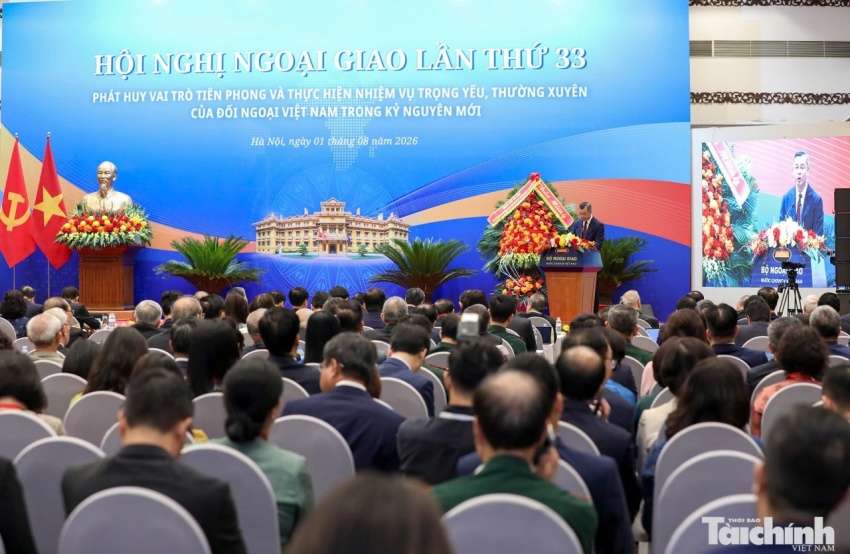 |
| Photo: Duc Thanh |
The third priority is to reshape Vietnam's approach to attracting foreign investment by placing technology transfer, stronger domestic capabilities, and deeper participation in global value chains at the centre of its foreign direct investment (FDI) strategy.
Minister Tuan said Politburo Resolution No.10-NQ/TW, issued in June 2026, represented a significant shift in investment policy. Rather than focusing primarily on increasing capital inflows, Vietnam will select strategic investors with advanced technologies, modern management capabilities, and the capacity to lead global production and supply chains.
"The focus is no longer simply on expanding investment volumes. Greater emphasis must be placed on transferring technology and knowledge, strengthening research and development, developing a highly skilled workforce, and improving the ability of domestic enterprises to absorb and master advanced technologies," the minister said.
The effectiveness of foreign investment, he added, should be measured by its contribution to Vietnam's economy, including higher domestic value-added, stronger participation by Vietnamese companies in multinational supply chains, and a gradual transition from assembly and processing activities towards higher value-added, technology-intensive production.
To support this strategy, Vietnam will refine and implement investment support mechanisms, including the Investment Support Fund established under Decree No.182/2024/ND-CP. The fund is designed to engage and retain strategic investors with strong research, innovation, and core technology capabilities while encouraging technology transfer, expanding domestic supplier ecosystems, and enabling Vietnamese enterprises to integrate more deeply into global value chains.
The fourth priority is to accelerate digital transformation in parallel with deeper international integration and closer alignment with global standards. In line with Resolution No.57-NQ/TW, the MoF considers international cooperation in science, technology, and innovation to be a key driver of digital transformation.
As digital technologies evolve and international standards for digital finance continue to emerge, Minister Tuan said stronger cooperation with governments, international organisations, financial centres, and leading technology companies will be essential for acquiring knowledge, facilitating technology transfer, developing high-quality human resources, and learning from advanced governance models.
At the same time, Vietnam will participate in developing, adopting, and implementing international standards covering digital finance, fintech, data governance, and cybersecurity.
These efforts, the minister said, will improve the connectivity and compatibility of Vietnam's financial system with global markets, enhance national competitiveness, attract investment, foster innovation, and strengthen national financial security.
Reforming international cooperation and integration
Looking ahead, the minister said the MoF would adopt a new mindset and broader vision for its external relations and international integration agenda, ensuring it is aligned with Vietnam's goals of achieving rapid, sustainable growth and enhancing its international standing.
He stressed that international integration should no longer be viewed solely as a channel for expanding cooperation and mobilising external resources. Instead, it must become a catalyst for institutional reform, stronger national competitiveness, the adoption of advanced international standards, and greater economic resilience in the face of global uncertainties.
"International integration is not just about expanding cooperation and mobilising resources. It must also drive institutional reform, strengthen competitiveness, facilitate the adoption of advanced international standards, and enhance the economy's resilience to external shocks," he said.
Under this vision, the MoF will continue to modernise its approach to external relations and international integration, making international financial cooperation more proactive, substantive, and effective.
The ministry will work to foster a more favourable environment for economic development, strengthen Vietnam's national financial standing, and contribute to the country's development objectives through 2030, while supporting the ambition of becoming a high-income nation by 2045.
"I am confident that, through close and effective coordination among agencies across the political system, we will continue to harness the combined strengths of diplomacy and finance to mobilise the fullest possible range of resources and create new drivers for Vietnam's rapid and sustainable development," Minister Tuan said.
What the stars mean:
★ Poor ★ ★ Promising ★★★ Good ★★★★ Very good ★★★★★ Exceptional
 Tag:
Tag:Related Contents




Latest News


More News
- KUKA Vietnam inaugurates new Hanoi headquarters (October 22, 2026 | 09:00)
- Vietnam and World Bank discuss priorities for APEC 2027 (October 21, 2026 | 15:04)
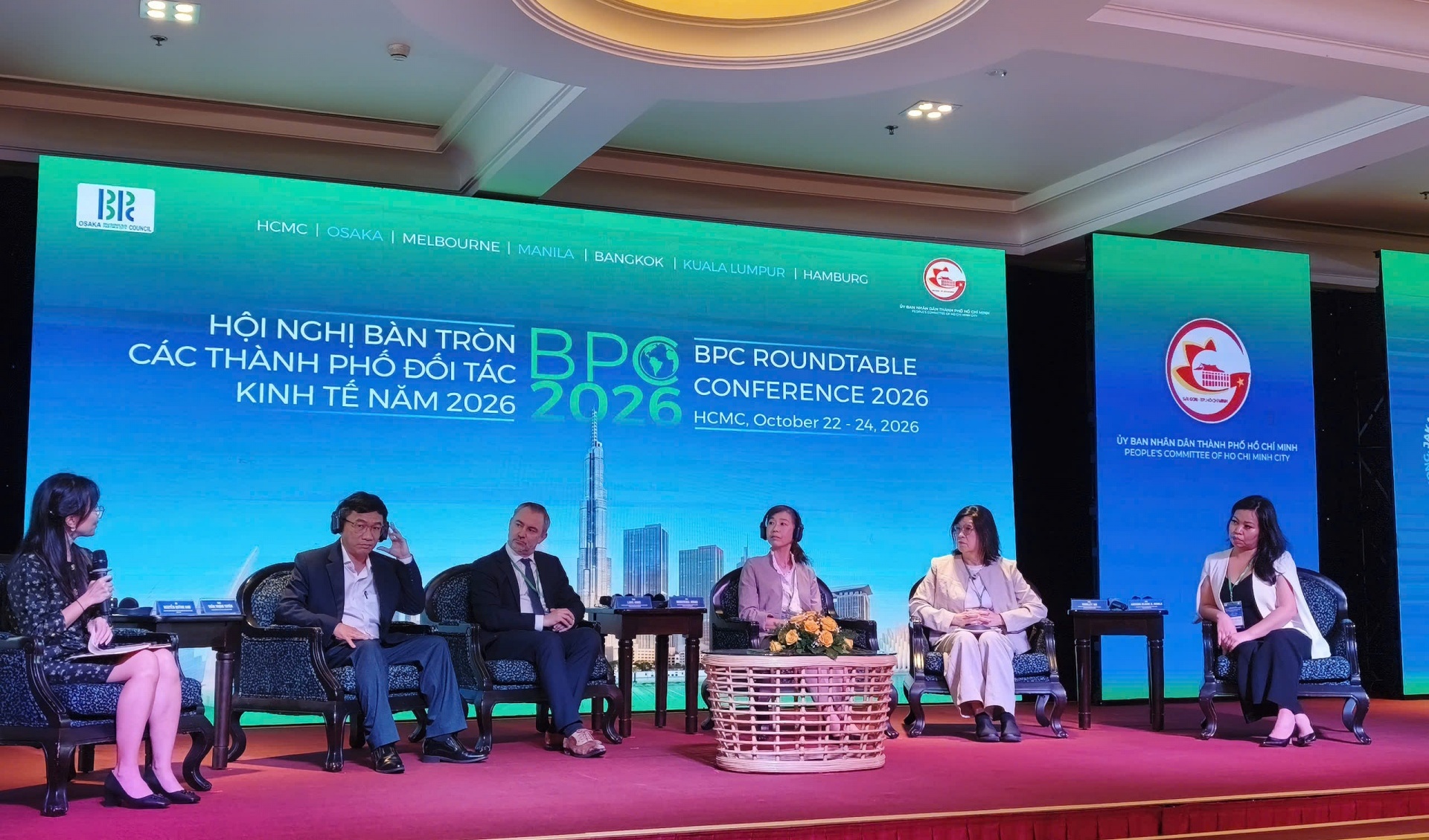
- BPC Roundtable Conference 2026 to open in Ho Chi Minh City (October 21, 2026 | 14:46)
- Deputy Minister of Finance meets Gujarat delegation in Hanoi (October 21, 2026 | 12:11)
- Vietnam and US discuss financial cooperation and preparations for APEC 2027 (October 21, 2026 | 12:07)
- Finance Minister outlines Vietnam's growth path at APEC meeting (October 21, 2026 | 12:03)
- Vietnam and Denmark sign MoUs to strengthen bilateral ties (October 21, 2026 | 08:00)
- Vietnam and Liechtenstein sign double taxation avoidance agreement (October 19, 2026 | 18:08)
- Vietnam and Switzerland to deepen financial cooperation (October 19, 2026 | 13:24)
- A broader platform for France-Vietnam cooperation (October 16, 2026 | 17:51)







 Mobile Version