

Electronics funding will be won via a capable ecosystem: SGS

The latest JLL figures presented at the Vietnam Industrial Property Forum 2026 last week showed Vietnam’s share of regional manufacturing foreign direct investment falling to below 5 per cent, after reaching around 18 per cent in 2020-2021. Indonesia and Thailand have moved ahead, underscoring a sharper contest for new manufacturing capital.
 |
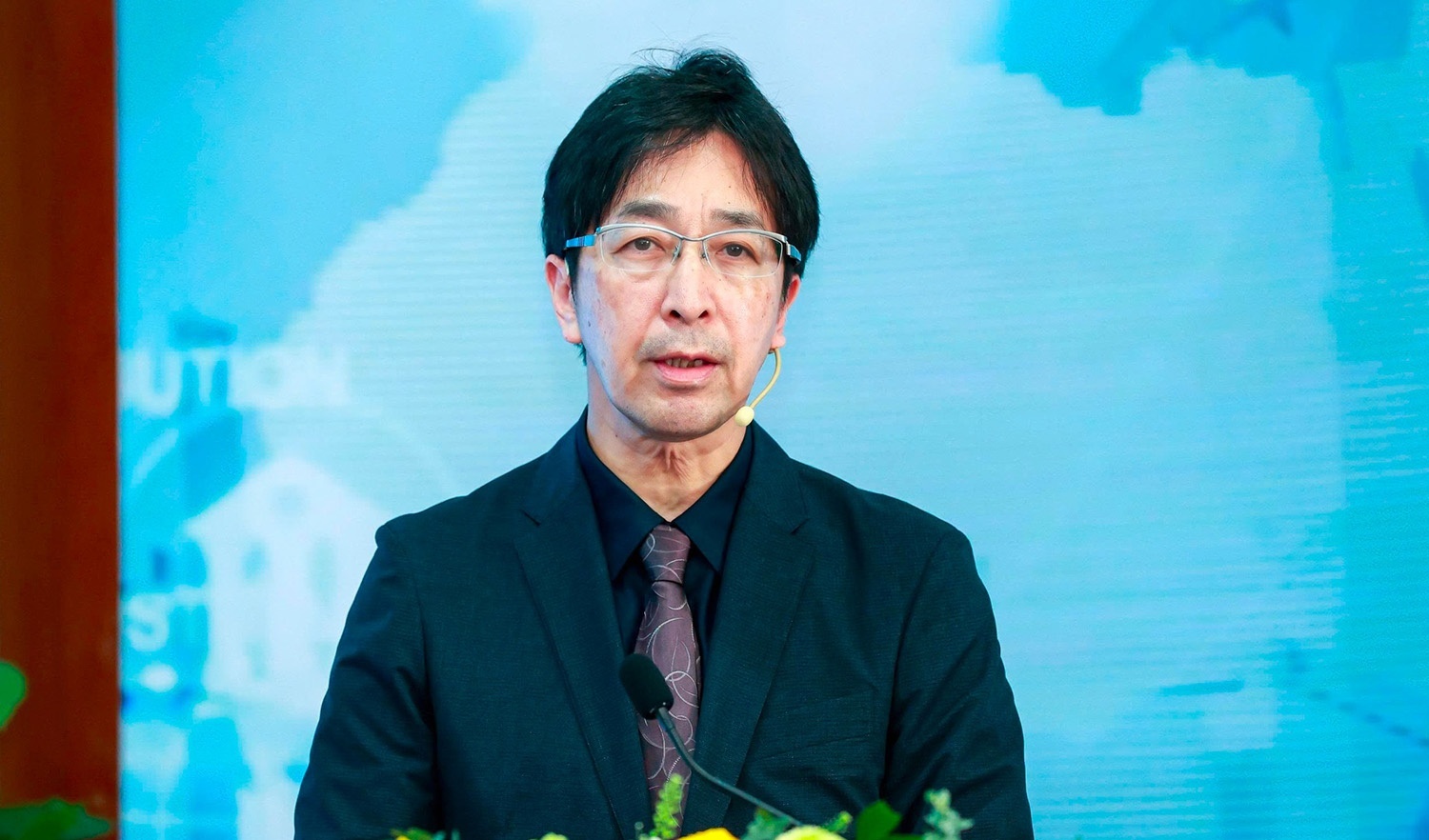
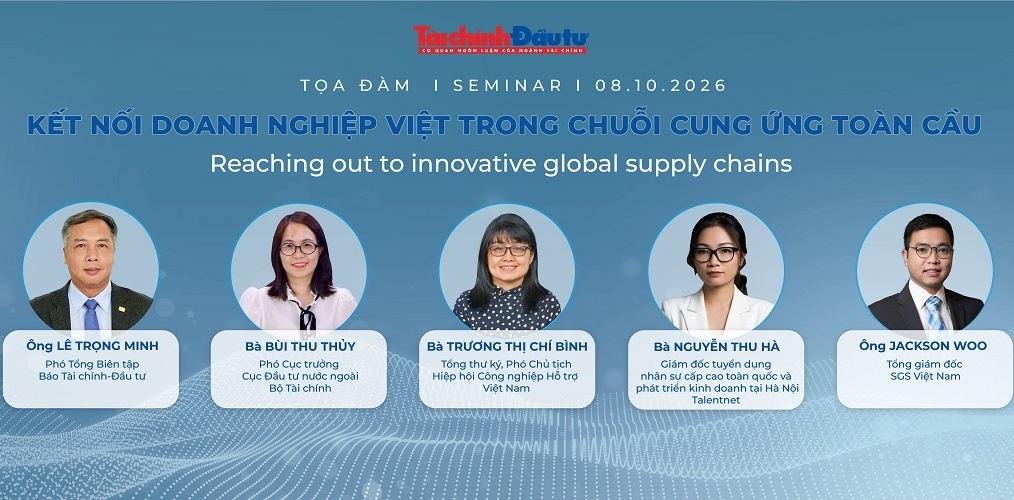
Dr. Jackson Woo, managing director of SGS Vietnam, believes the investment equation is changing as tech manufacturers move into more sophisticated products and face tighter requirements in major export markets. SGS Vietnam supports manufacturers in areas from product safety and quality to regulatory compliance and supply chain risk.
“The next phase of electronics investment will not be won by the lowest-cost location, but by the most capable ecosystem. For Vietnam, the priority is to deepen engineering talent, strengthen local supplier capabilities, and enhance quality infrastructure so that the country can move from being a manufacturing destination to a strategic innovation and technology partner in global supply chains,” Woo said.
Vietnam has built a sizeable electrical and electronics manufacturing base over more than two decades, attracting Samsung, LG, Foxconn, Luxshare, Goertek, and a broad network of supporting manufacturers. Investment is also moving into more advanced segments.
On September 29, Samsung Electro-Mechanics announced plans to invest KRW2.51 trillion ($1.8 billion) in its Vietnam subsidiary to expand production of flip-chip ball grid array semiconductor substrates used in high-performance applications including AI servers. The company has described its Vietnam operation as a strategic overseas production hub.
Such projects fit Vietnam’s ambition to capture a larger share of investment in semiconductors, advanced electronics, AI-related equipment, electric vehicles, and other technology-intensive industries.
Earlier manufacturing expansion was supported by competitive costs, proximity to China, a large labour pool, and a network of free trade deals, helping Vietnam benefit from the China+1 strategy as manufacturers diversified their supply chains.
The criteria are now broader. Investors are looking more closely at technical skills, supplier quality, logistics, infrastructure reliability, testing capacity, and the ability to comply with international standards.
For local suppliers, this raises the bar for moving beyond processing and assembly. Vietnam has accumulated significant manufacturing scale, but domestic value creation remains limited in engineering, advanced components, product development, and specialised technical services.
SGS sees stronger local supplier capabilities as central to helping Vietnamese companies enter multinational vendor networks and participate in higher-value stages of production.
Product complexity is also increasing the compliance burden. Electronics manufacturers must manage requirements covering product safety, electromagnetic compatibility, restricted substances, material traceability, environmental performance, and supply chain transparency.
A component that fails electromagnetic compatibility requirements can affect the performance or certification of a finished product, while restricted chemicals can lead to additional testing, redesign, delays, or problems entering export markets.
For SGS, access to technical and quality infrastructure is becoming part of the wider investment proposition. Testing, inspection, certification, and conformity assessment services can help manufacturers identify technical problems earlier, demonstrate compliance with target market requirements, and reduce risks linked to failed products or delayed shipments.
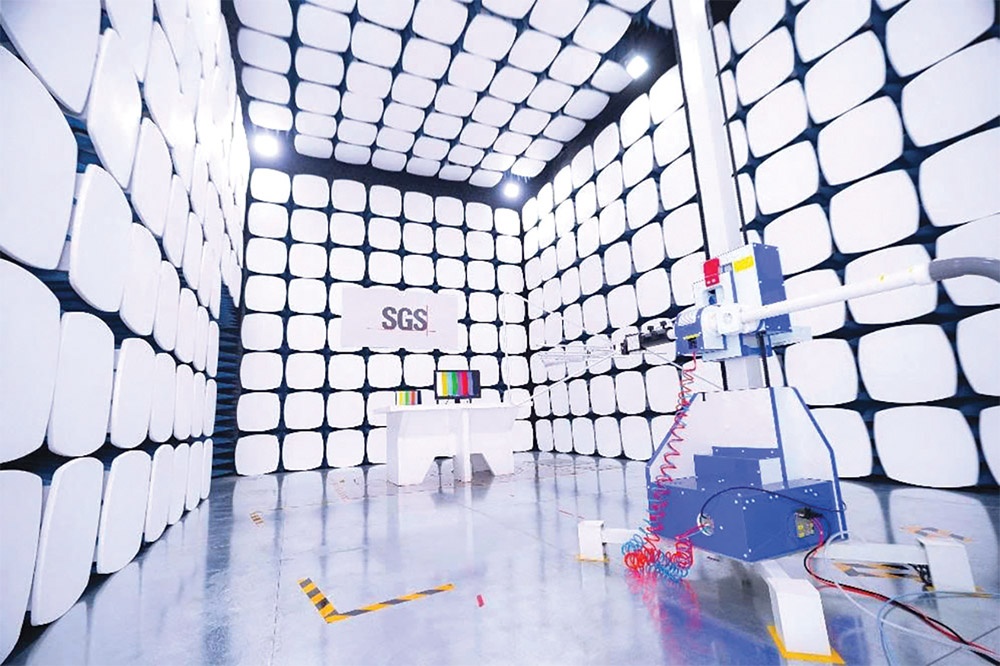
Demand is particularly visible in northern Vietnam, home to major electronics and high-tech clusters. In May, SGS expanded its capacity in the region with the opening of an enlarged laboratory at Nam Cau Kien Industrial Park in Haiphong. The facility offers chemical analysis, physical testing, product safety assessment, performance testing, and electromagnetic compatibility services.
The same infrastructure can support Vietnamese suppliers seeking to qualify for global vendor networks. The next step, in SGS’ view, is to build greater depth around that base through stronger engineering skills, more capable domestic suppliers, and technical services aligned with international requirements.
Regional competitors are moving in the same direction. Indonesia is building out electric vehicle and battery industries, while Thailand is targeting advanced electronics, electric vehicles, data centres, and other technology sectors.
“The companies investing here will increasingly look at the capability of the whole ecosystem,” Woo said. “Quality infrastructure, technical expertise, and strong local suppliers will be key parts of that decision.”
What the stars mean:
★ Poor ★ ★ Promising ★★★ Good ★★★★ Very good ★★★★★ Exceptional
 Tag:
Tag:Related Contents


Latest News

More News
- Samsung Electro-Mechanics to add $1.85 billion semiconductor investment in Thai Nguyen (October 06, 2026 | 18:23)
- LNG power plant projects risk falling behind schedule (October 03, 2026 | 09:00)
- Pandora opens world’s largest fine jewellery crafting facility (October 02, 2026 | 22:21)
- An Phat 5 Industrial Park positions for new wave of investment in northern Vietnam (October 02, 2026 | 09:00)
- Hanoi to launch portal to ease hurdles for tech businesses (October 01, 2026 | 09:00)
- Foreign investors to be widened for market access (September 30, 2026 | 17:54)
- Phu Quoc Airport planning adjusted to serve APEC 2027 (September 30, 2026 | 17:35)
- Nearly 200 foreign-invested enterprises in Vietnam to pay global minimum tax (September 30, 2026 | 17:26)
- Vietnam steps up expressway funding efforts (September 30, 2026 | 17:17)
- Industrial investors prioritise execution and infrastructure over cost (September 30, 2026 | 12:00)


Latest News







 Mobile Version