


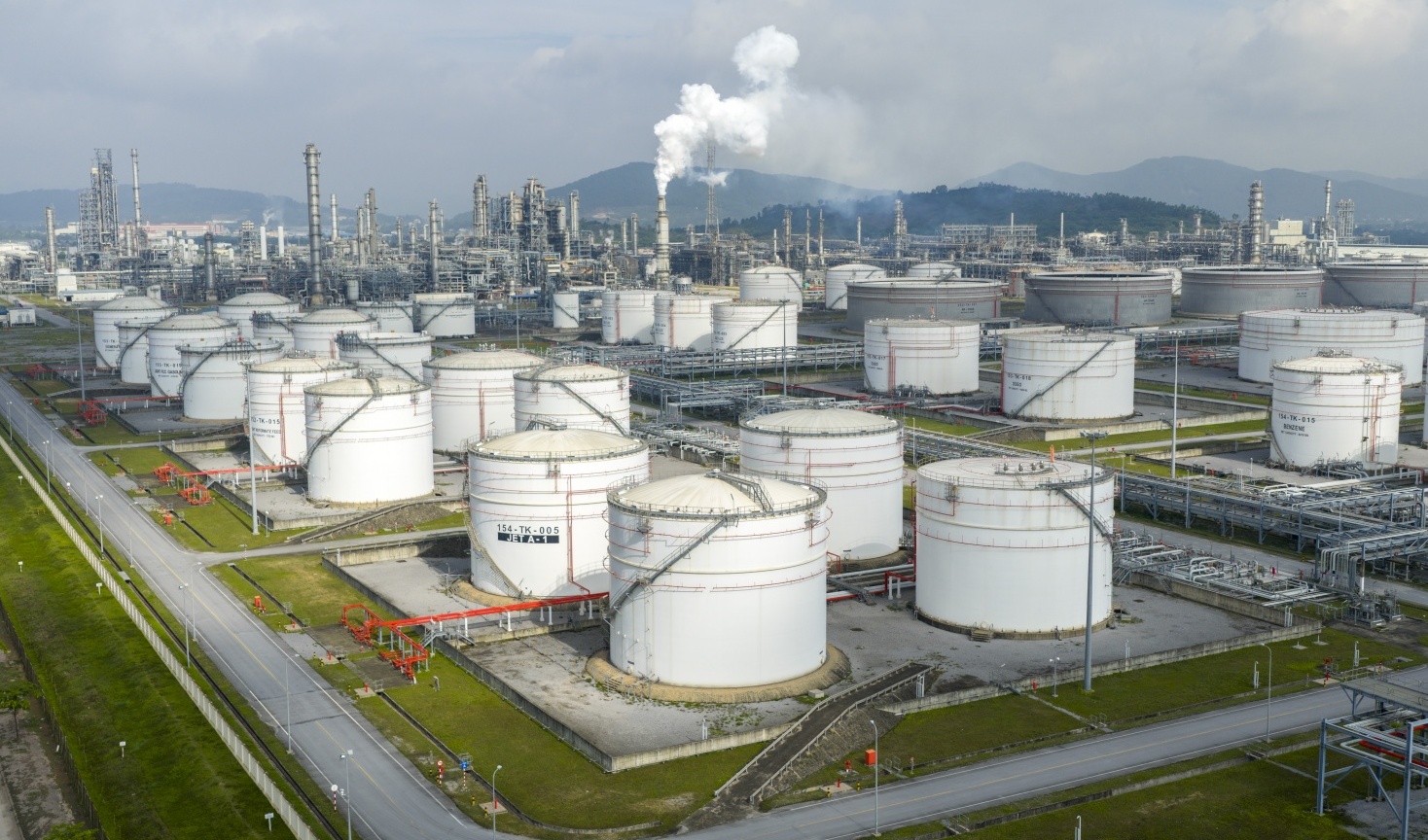
NSRP navigates global energy supply volatility

 |
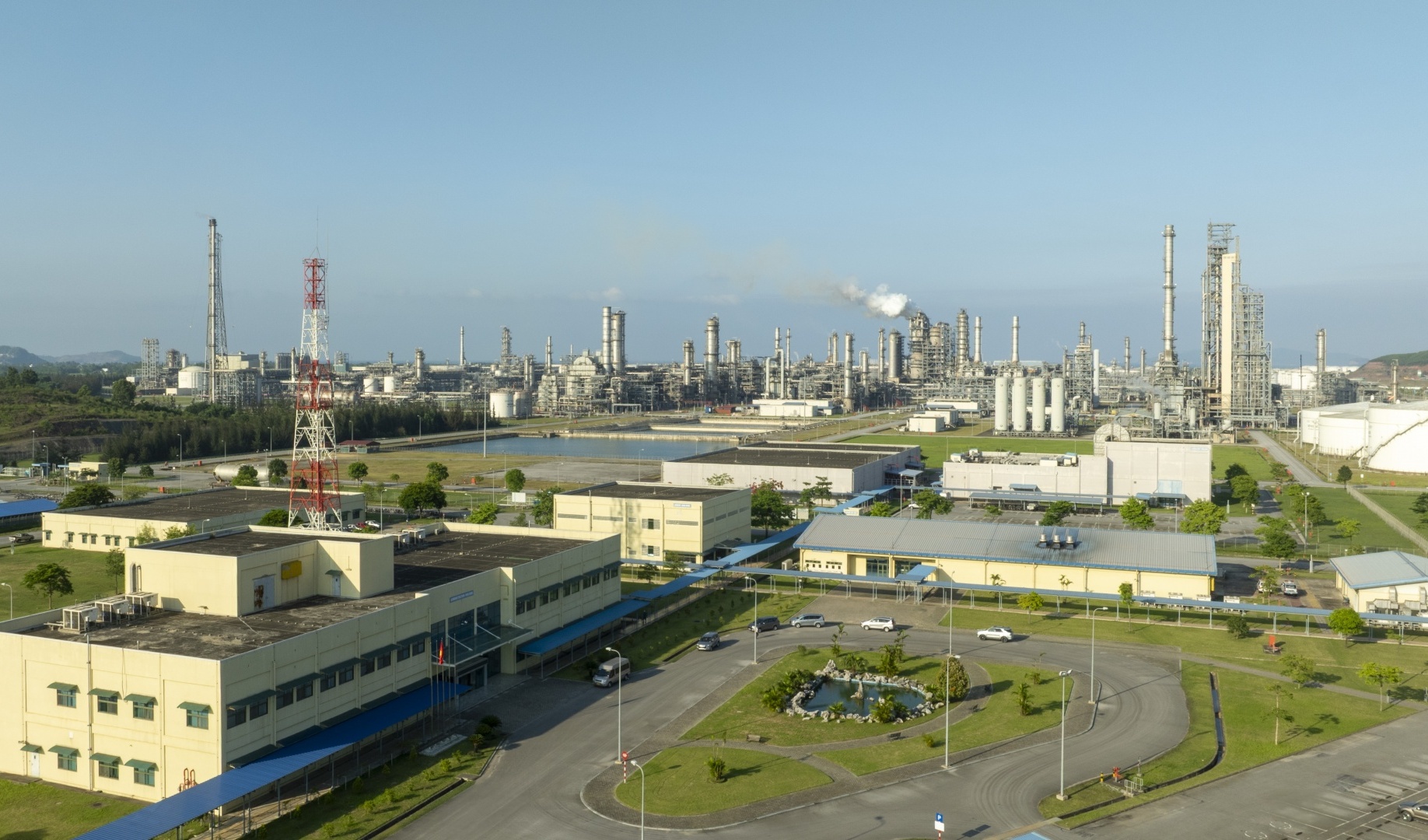
| Photo: NSRP |
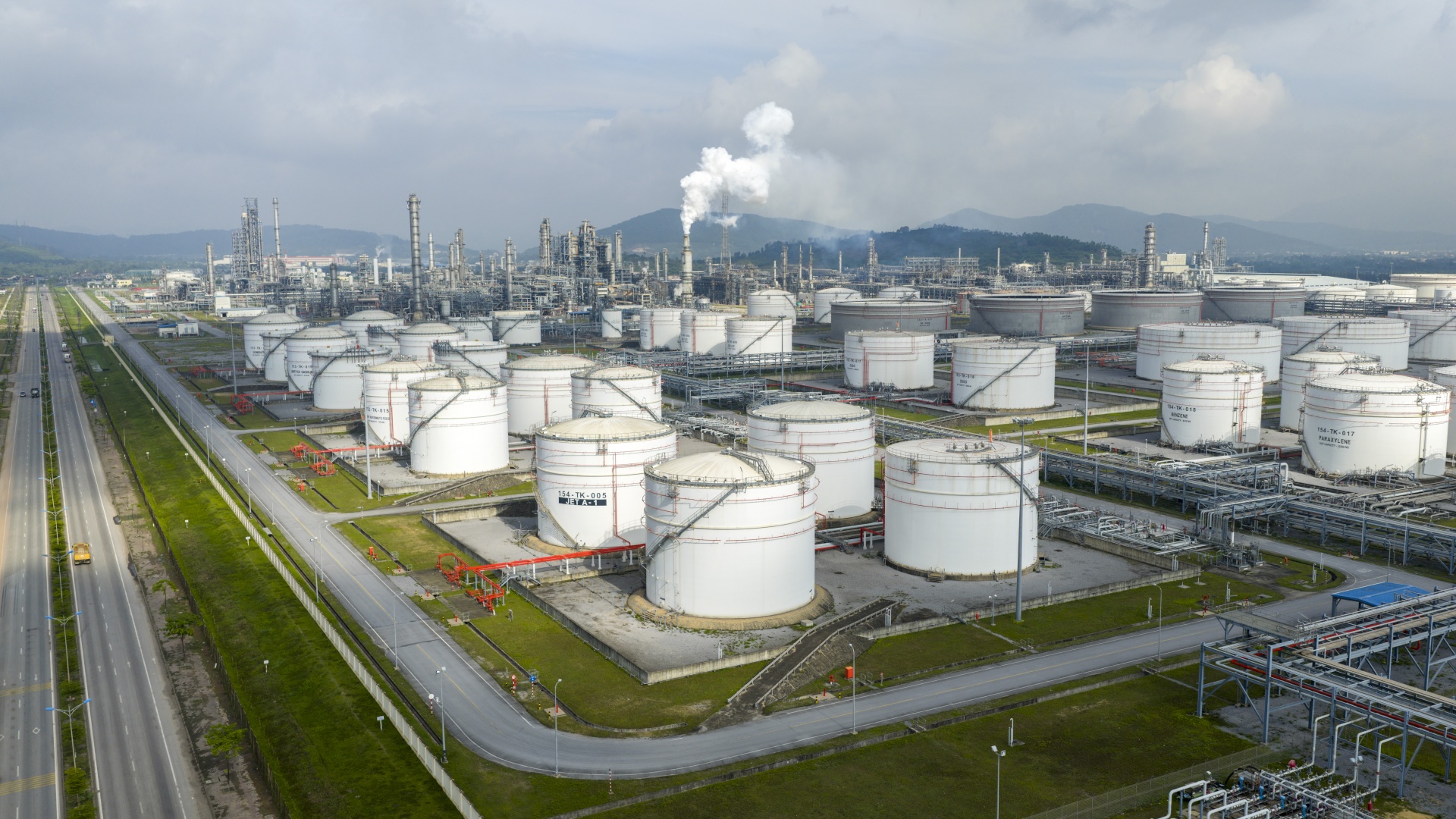
Against geopolitical uncertainty and global energy supply volatility, what are NSRP’s initiatives to guarantee its crude oil supply and maintain uninterrupted operations?
Ensuring crude oil supply security remains one of NSRP’s top priorities. Despite ongoing geopolitical uncertainties in the Middle East and volatility in the global oil market, the refinery has continued to operate safely, stably, and without interruption.
In fact, NSRP began implementing its crude oil diversification strategy as early as late 2025 to enhance feedstock flexibility and strengthen operational resilience. A significant milestone was achieved in January 2026, when the company successfully processed its first non-Kuwaiti crude oil cargo, Das Blend, comprising approximately one million barrels.
The cargo arrived at NSRP’s port in late December 2025 and was received and processed safely in full compliance with the refinery’s stringent operational standards. This achievement not only demonstrated NSRP’s technical capabilities but also established a strong foundation for long-term feedstock diversification.
Building on this success, NSRP has progressively expanded its crude slate and, to date, has successfully processed ten crude oil grades other than Kuwait Export Crude. This has significantly enhanced the refinery’s feedstock flexibility, enabling NSRP to broaden its sourcing options, strengthen resilience against supply disruptions, and optimise crude selection from both technical and commercial perspectives.
While Kuwait remains NSRP’s long-term strategic partner and most important crude oil supplier, the company has adopted a more flexible procurement approach by combining traditional supply sources with suitable alternative crude grades. Following earlier supply disruptions, NSRP resumed imports of Kuwaiti crude oil in September 2026, with additional cargoes already scheduled in the coming months.
Looking ahead, NSRP will continue to balance long-term supply agreements with spot market opportunities, while further expanding its crude oil evaluation and testing programme. This approach will help enhance supply security, mitigate geopolitical risks, and strengthen the refinery’s long-term competitiveness, operational flexibility, and sustainable performance.
 |
| Photo: NSRP |
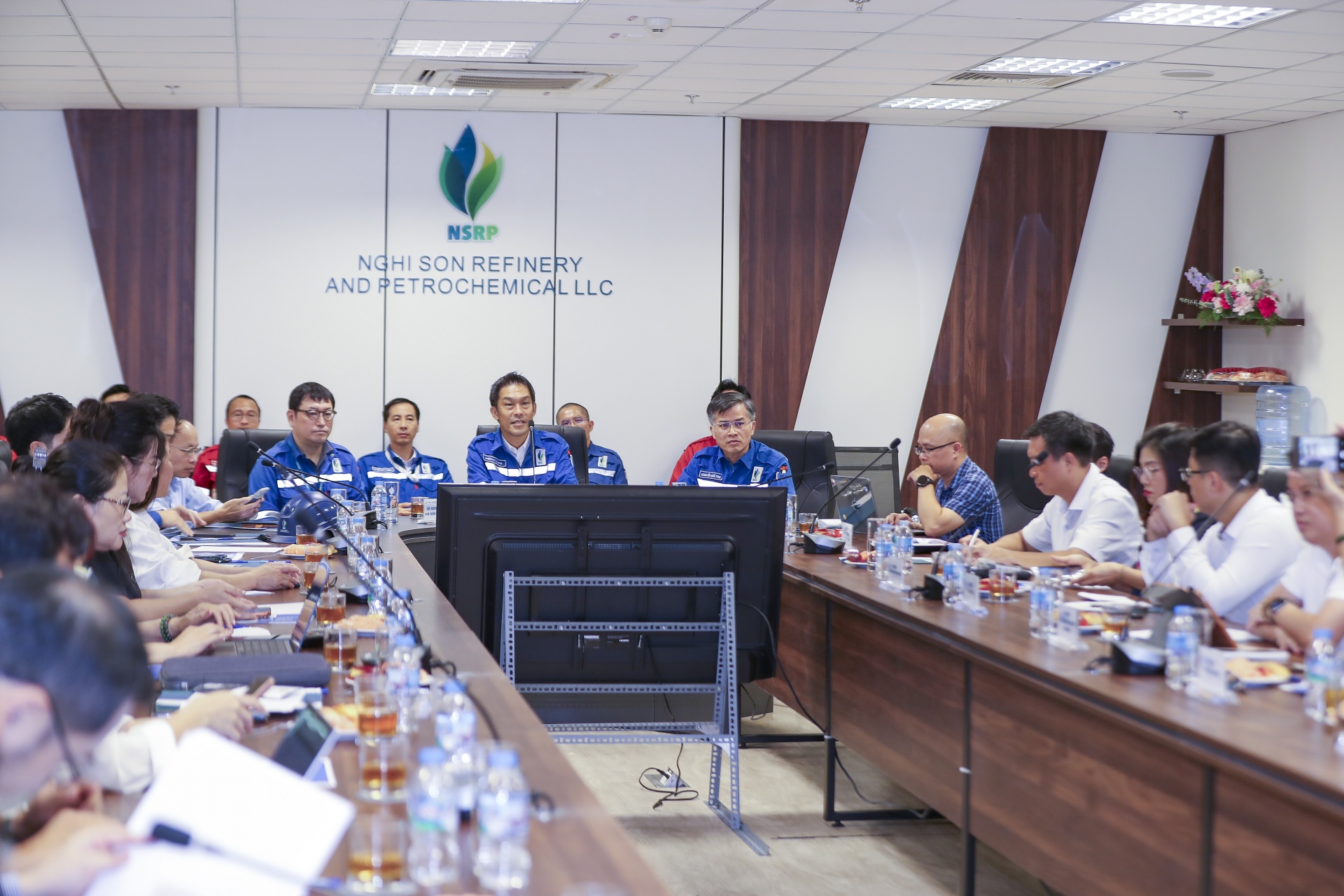
What are the key focus areas for NSRP to navigate the challenging global environment?
Global oil markets have experienced significant volatility in 2026, particularly following geopolitical developments in the Middle East. As of the end of August, NSRP's average crude purchase price had increased by approximately 63 per cent compared with the beginning of the year. At design capacity, every sustained $10 per barrel increase in crude prices could represent approximately $2.5 million of additional crude cost per day.
However, refinery profitability ultimately depends on refining margins rather than crude prices alone. Through crude optimisation, disciplined operations, and strong product margins, particularly in middle distillates, NSRP has continued to maintain solid business performance.
In addition, NSRP's products are marketed through the existing offtake arrangement with Petrovietnam Distribution Branch (PVNDB), which distributes NSRP fuel products nationwide through a broad network of petroleum traders.
During periods of market volatility, our priority is to maintain stable refinery operations and maximise production. We work closely with the off taker to optimise allocation planning, logistics, and inventory management to ensure reliable and uninterrupted fuel supply to the domestic market while meeting contractual commitments.
Could you shed some light on NSRP’s operational and financial performance in 2026?
NSRP continues to operate safely, stably, and efficiently with high reliability and strong operational performance. During the first 9 months of 2026, the refinery processed approximately 8.38 million tonnes of crude oil and supplied around 6.54 million tonnes of petroleum products to the market.
We expect to supply an additional 2.69 million tonnes in the fourth quarter, bringing total 2026 product supply to more than 9.2 million tonnes. This will allow NSRP to continue contributing approximately 35-40 per cent of Vietnam's domestic fuel demand, reinforcing our role as a key pillar of the country's energy security.
NSRP's operational and financial performance has improved significantly in 2026. This improvement has been driven by strong refinery utilisation, healthy refining margins, feedstock optimisation, and disciplined cost and working-capital management.
Beyond short-term profitability, our focus is on building a more resilient, financially sustainable, and commercially competitive business capable of delivering stable performance throughout refining cycles. In parallel, shareholders continue to discuss long-term financial restructuring initiatives to further strengthen NSRP's financial foundation.
 |
| Photo: NSRP |
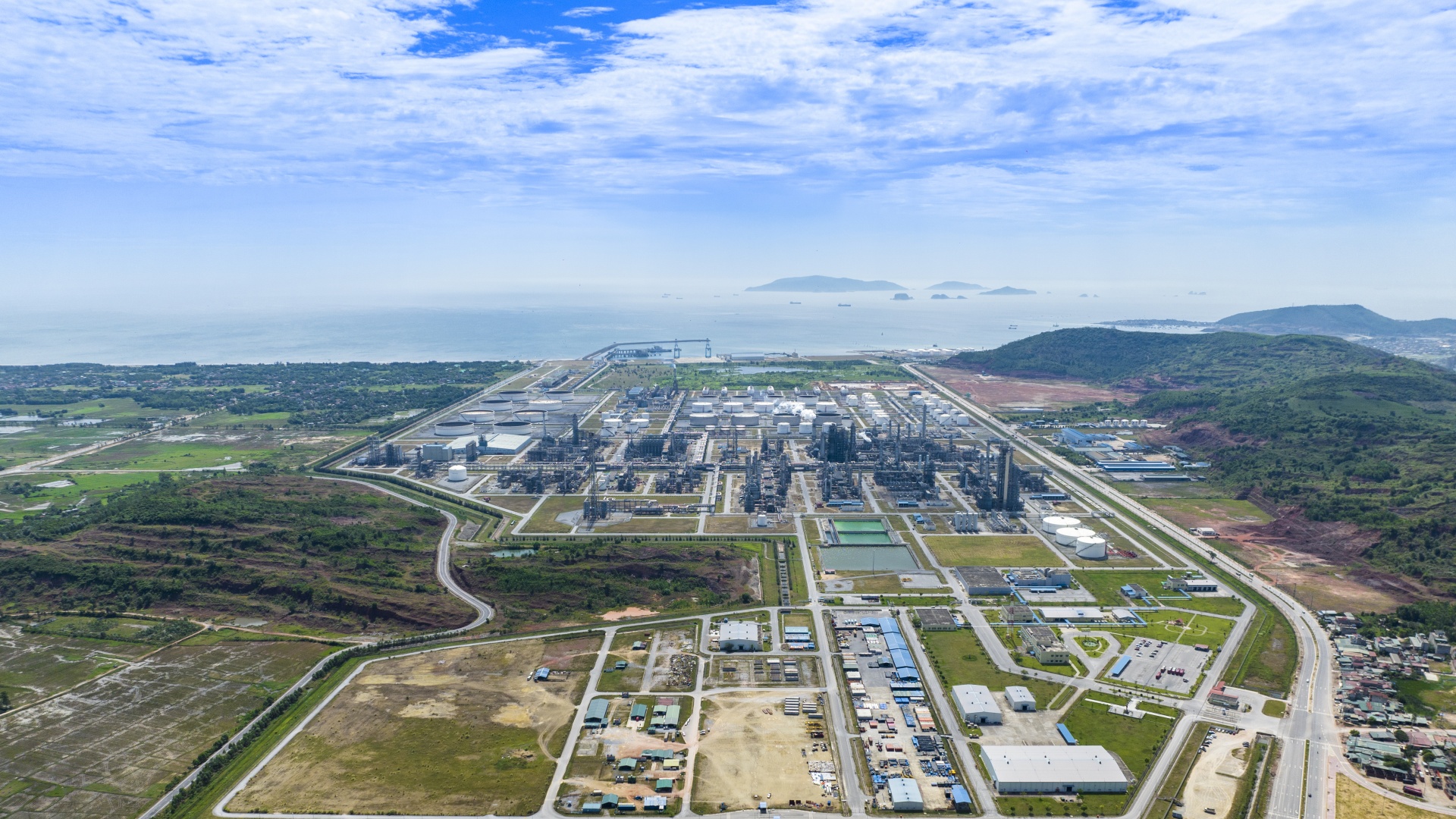
How does NSRP leverage its large-scale industrial assets to generate value beyond energy supply?
NSRP's contribution extends well beyond fuel production. Since commencing commercial operations in late 2018, the company has contributed approximately VND 147 trillion ($5.65 billion) to the state budget as of August 2026, making it one of Vietnam's major industrial contributors.
Looking ahead, our ambition is to become a world-class energy and industrial company that is operationally excellent, financially strong, commercially independent, and sustainably profitable, while continuing to support Vietnam's energy security, industrial development, and economic growth.
Furthermore, NSRP is committed to supporting Vietnam's energy transition and net-zero ambitions. Since July 2026, the refinery has been producing base petrol as blend stock for RON95 E10, with production averaging approximately 250,000 tonnes per month and accounting for around 90 per cent of our petrol output.
At the same time, we are advancing studies on carbon capture solutions, including a CCS feasibility study focused on capturing CO₂ from refinery operations. We are also evaluating opportunities to utilise captured CO₂ and surplus hydrogen in higher-value and lower-carbon products, supporting both sustainability goals and long-term business competitiveness.
What are NSRP’s plans to increase the long-term competitiveness of the refinery?
Moving forward, NSRP's strategy is to enhance competitiveness through refinery optimisation, higher utilisation, and deeper petrochemical integration. The refinery has already demonstrated the capability to operate at 125 per cent of design capacity. Our current objective is to sustain the aforesaid rate before the second Turnaround in August 2027 and seek approval for higher operation thereafter.
At the same time, we are studying opportunities in olefins, polymers, bitumen, lubricant-related products, and other petrochemical value chains to create greater value from existing refinery assets and strengthen long-term competitiveness.
 | From mega project to long-term growth platform for Thanh Hoa Nearly a decade after commencing operations, Nghi Son Refinery and Petrochemical LLC has emerged as a significant contributor to regional development, demonstrating how a large-scale industrial project can generate lasting economic value, strengthen industrial capabilities, and support long-term growth. |
 | Nghi Son Refinery and Petrochemical remains committed to safety and stability Nghi Son Refinery and Petrochemical LLC (NSRP) has several measures to maintain optimal production and business efficiency of the refinery in 2024. So Hasegawa, general director of NSRP, spoke with VIR's Thanh Van about the company's efforts. |
 | Nghi Son refinery processes first non-Kuwaiti crude cargo Nghi Son Refinery and Petrochemical has taken a key step towards diversifying its crude supply and strengthening operational flexibility. |
What the stars mean:
★ Poor ★ ★ Promising ★★★ Good ★★★★ Very good ★★★★★ Exceptional
 Tag:
Tag:Related Contents
Latest News
More News
- Minitab launches campaign to combat illegal software use in Vietnam (October 08, 2026 | 15:54)
- Raising construction materials supply chain standards amid green transition (October 08, 2026 | 14:00)
- Samsung Vietnam to deepen cooperation with local manufacturers (October 08, 2026 | 12:00)
- Sojitz in Vietnam: 40 years from individual projects to a business cluster 'KATAMARI' (October 08, 2026 | 09:00)
- Coteccons targets 'Quality Growth' with 25 per cent dividend plan (October 07, 2026 | 13:00)
- Vietnam Education Forum opens UK Education Mission's Hanoi visit (October 07, 2026 | 12:27)
- Tax authorities deactivate TINs of nearly 180,000 businesses (October 07, 2026 | 12:08)
- World Bank raises Vietnam's 2026 GDP growth forecast to 7.4 per cent (October 07, 2026 | 11:41)
- Vietstock 2026 to spotlight livestock innovation and green transition (October 07, 2026 | 09:00)
- Vietnam’s GDP grows over 9 per cent in first nine months (October 05, 2026 | 18:45)


Latest News






 Mobile Version