
Chinese automakers in Vietnam: New competitive landscape and power of local partners

 |
| Photo: BYD |
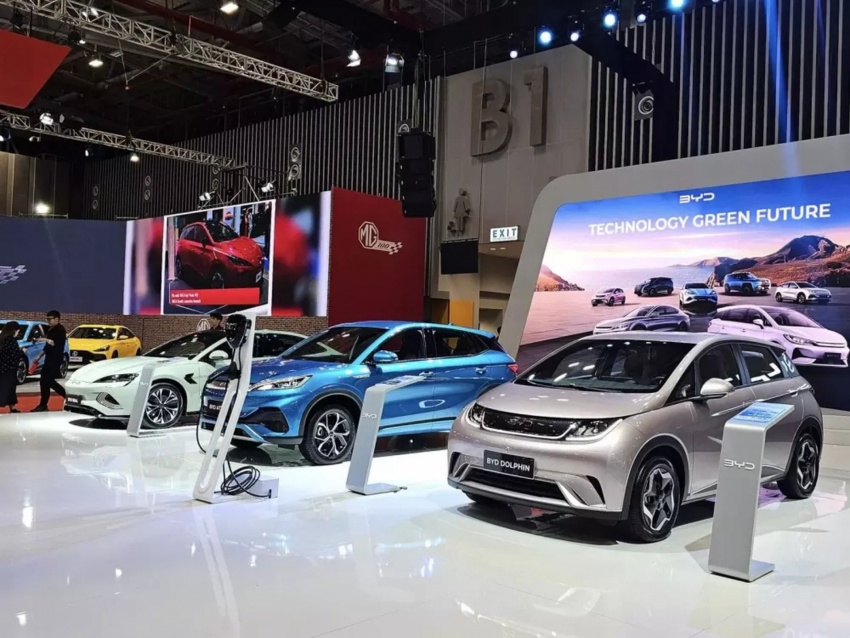
In Cong's view, 16 Chinese passenger car brands are now present in Vietnam. However, the rapid increase in the number of brands has not translated into a corresponding rise in market share.
In the first nine months of 2026, Vietnam’s automotive market recorded sales of approximately 412,000 vehicles. Yet newly registered Chinese-origin passenger cars with fewer than nine seats accounted for only around 3.6 per cent of the total. Sales performance varied considerably between brands.
“BYD sold approximately 4,150 vehicles in the first nine months of 2026, up 60 per cent on-year. Geely also posted an impressive 2,934 units, particularly given that it only began delivering vehicles to customers in mid-2025. Omoda and Jaecoo recorded sales of 2,193 and 1,272 units, respectively. Meanwhile, MG sold only 3,265 vehicles, down 56 per cent on-year, while Wuling has yet to make significant progress,” Cong said.
“These figures demonstrate that competition is no longer simply between Chinese carmakers and Japanese, South Korean, American or Vietnamese brands. Competition for customers is intensifying even within the Chinese automotive group.”
 |
| Photo: Vu Tan Cong |
From industrial strength to battle for market share
Once primarily associated with low-cost vehicles, Chinese carmakers have made significant advances over the past decade in battery technology, electric and hybrid vehicles, software, and advanced driver assistance systems. They have achieved considerable success in the new energy vehicle segment.
Large-scale manufacturing capacity and the advantages of an integrated domestic supply chain have underpinned the rapid rise of China's automotive industry, enabling manufacturers to expand internationally, including into Vietnam.
In 2021, Vietnamese consumers were familiar with only a handful of Chinese brands, such as MG, Beijing and Hongqi. Since 2023, however, the market has continuously welcomed new entrants, including Wuling, Lynk & Co, BYD, Geely, Omoda and Jaecoo. This influx shows little sign of slowing, with several other brands preparing to enter or exploring opportunities in Vietnam.
With 40 years experience in this automotive sector, Cong believes that success rests on five pillars: products suited to local demand; an extensive and reputable dealership network; effective marketing; appropriate sales, warranty and after-sales policies; and a coherent brand-building strategy.
Among Chinese carmakers, BYD is considered to have made relatively good progress across these five areas, although improvements are still needed. The company directly manages its business operations through BYD Vietnam, which it established for this purpose. Other brands with encouraging results, including Omoda & Jaecoo, Geely and Lynk & Co, have opted for exclusive domestic distribution partnerships.
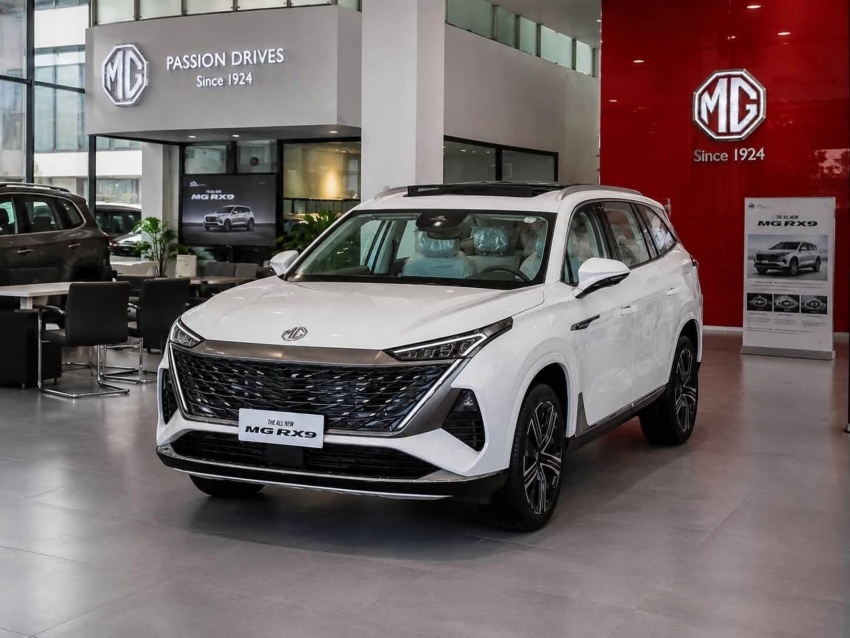
MG, however, illustrates the challenges of increasingly intense competition. The brand once emerged as a sales success story, delivering 13,098 vehicles in 2024 to become Vietnam's best-selling Chinese automotive brand at the time. However, its sales fell to 9,816 units in 2025 and continued to decline sharply in 2026.
This raises a broader question for foreign carmakers: how should they structure their distribution networks to protect their competitive advantages and retain the market positions they have already established?
 |
| Photo: MG |
Three business models and role of Vietnamese partners
Cong identifies three main business models adopted by Chinese automakers in Vietnam, each with distinct advantages and limitations. “Business performance depends considerably on how distribution networks are organised, how effectively companies adapt to the local market, and how they select their partners,” he said.
The first model involves manufacturers establishing their own local companies to manage distribution, as BYD and MG have done. This gives carmakers direct control over product selection, pricing policies, dealership development and business operations. However, it also places the full responsibility for strategic planning and adjustments on the manufacturers themselves.
The contrasting performances of BYD and MG illustrate the different outcomes this model can produce. While BYD has recorded growth and gradually expanded its market presence, MG has experienced a significant downturn after once leading sales among Chinese brands in Vietnam.
Cong points to two notable factors behind MG's difficulties. “First, the dealership development and operating policies implemented by SAIC Motor Vietnam have not been entirely suited to the realities of the Vietnamese market, resulting in several distributors withdrawing,” he said. “Second, the influx of Chinese automotive brands since 2023 has intensified competition, eroding the advantages previously enjoyed by early entrants.”
Then Cong draws two important lessons for foreign carmakers, particularly Chinese brands seeking to expand their market share in Vietnam.
First, they need a well-considered strategy for selecting Vietnamese partners to develop their dealership networks. This is not simply about finding companies with sufficient capital to open showrooms, but identifying partners capable of organising their businesses in line with local purchasing power, customer preferences and competitive conditions.
Second, manufacturers should consider investing in domestic production and assembly facilities to strengthen consumer confidence in their long-term commitment to the market. Having a local factory is not merely a manufacturing decision; it also demonstrates a commitment to staying in Vietnam, particularly as consumers remain concerned about spare parts availability, warranties and after-sales services.
 |
| Photo: Geely |
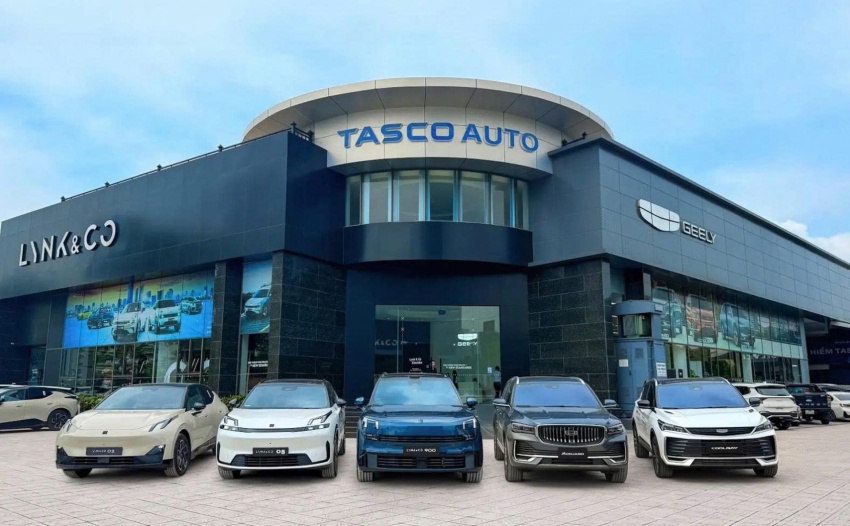
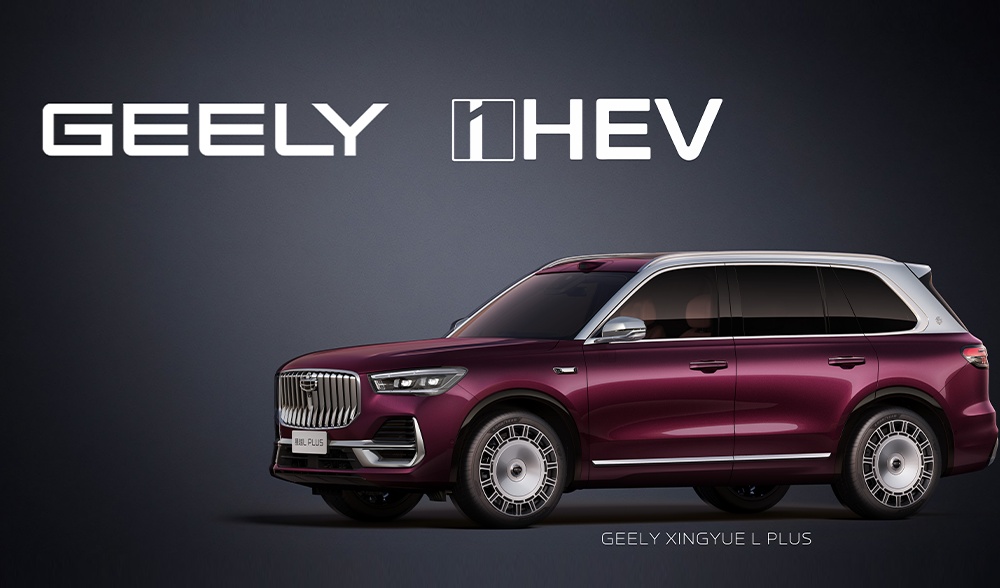
While MG highlights the challenges of manufacturers directly managing their distribution networks, Geely demonstrates an alternative approach: appointing a Vietnamese company as its exclusive distributor.
Geely and Lynk & Co have partnered with Tasco Auto, while Wuling has selected TMT Motors. “The biggest advantage of this model is that manufacturers can leverage their local partners’ existing business networks, expertise and experience, while reducing the burden of direct investment,” Cong said.
Despite entering Vietnam later than several other Chinese brands, Geely has quickly achieved significant sales. This performance owes much to Tasco Auto, which operates an extensive automotive distribution network inherited from Savico, as well as the relatively good fit between Geely's products and local market demand.
“Tasco Auto's advantages lie not only in its sales network but also in its financial capacity,” Cong said. “An established distribution network enables a carmaker to expand its geographical reach more quickly. However, strong financial resources are essential for partners to sustain investment, develop dealerships, organise after-sales services and build brand awareness during the early years, when sales may not yet be sufficient to ensure business viability.”
The third model goes beyond conventional commercial distribution, involving foreign manufacturers and Vietnamese companies forming joint ventures to invest in vehicle production, assembly and distribution. This is the approach adopted by China's Chery Group through its partnership with Geleximco to develop the Omoda and Jaecoo brands in Vietnam.
Unlike an exclusive distribution arrangement, this model requires greater investment and a deeper, long-term commitment from both parties. Investment in a local manufacturing facility can also strengthen consumer confidence in the brands' long-term presence. Meanwhile, Geleximco brings substantial financial resources, supported in part by its links with ABBank.
The experiences of Tasco Auto and Geleximco demonstrate that Chinese carmakers can select Vietnamese partners based on different competitive strengths.
Cong identifies six key criteria for choosing a local partner: experience in the automotive business; financial capacity and access to credit; an existing dealership network; understanding of the market and consumer behaviour; the ability to forecast and develop product, marketing and business strategies; and the capacity to work with government authorities.
For Chinese carmakers, choosing a Vietnamese partner is about far more than finding a company with sufficient capital to open dealerships and sell vehicles. It means finding a partner capable of jointly developing strategies, expanding the market and sustaining long-term business operations.
What the stars mean:
★ Poor ★ ★ Promising ★★★ Good ★★★★ Very good ★★★★★ Exceptional
 Tag:
Related Contents





Latest News
More News
- Shopee livestream joins Ho Chi Minh City stimulus drive (November 12, 2026 | 15:36)
- Australia and Vietnam deepen food innovation and research ties (November 12, 2026 | 15:33)
- Vietnam in global top 50 for digital competitiveness and AI (November 12, 2026 | 15:25)
- BJC and MM Mega Market Vietnam connect supply and markets at Vietnam Foodexpo (November 12, 2026 | 10:05)
- US blueberry exports to Vietnam surge 160 per cent (November 11, 2026 | 14:39)
- Ericsson establishes R&D capability in Vietnam, reinforcing long-term commitment (November 10, 2026 | 18:52)
- Vietnam and Japan expand environmental cooperation under new deal (November 10, 2026 | 18:50)
- DKSH rolls out free breast cancer screenings in Ho Chi Minh City (November 10, 2026 | 09:34)
- Customs Department and VAFIE sign cooperation agreement to strengthen FDI engagement (November 10, 2026 | 09:19)
- US farm trade mission heads to Vietnam with record delegation (November 09, 2026 | 15:03)




 Mobile Version