
Australia and Vietnam deepen food innovation and research ties

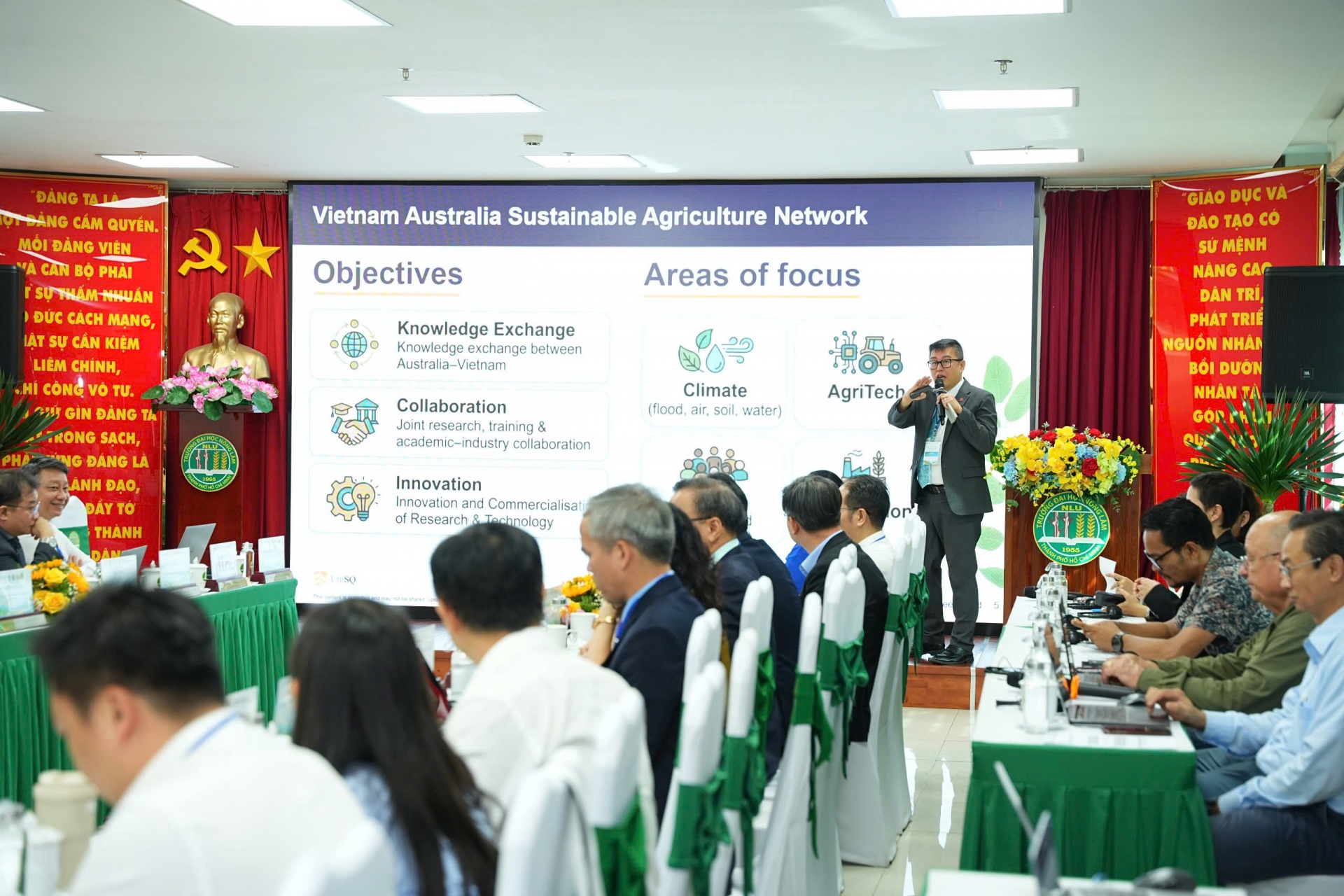
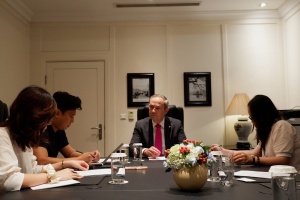
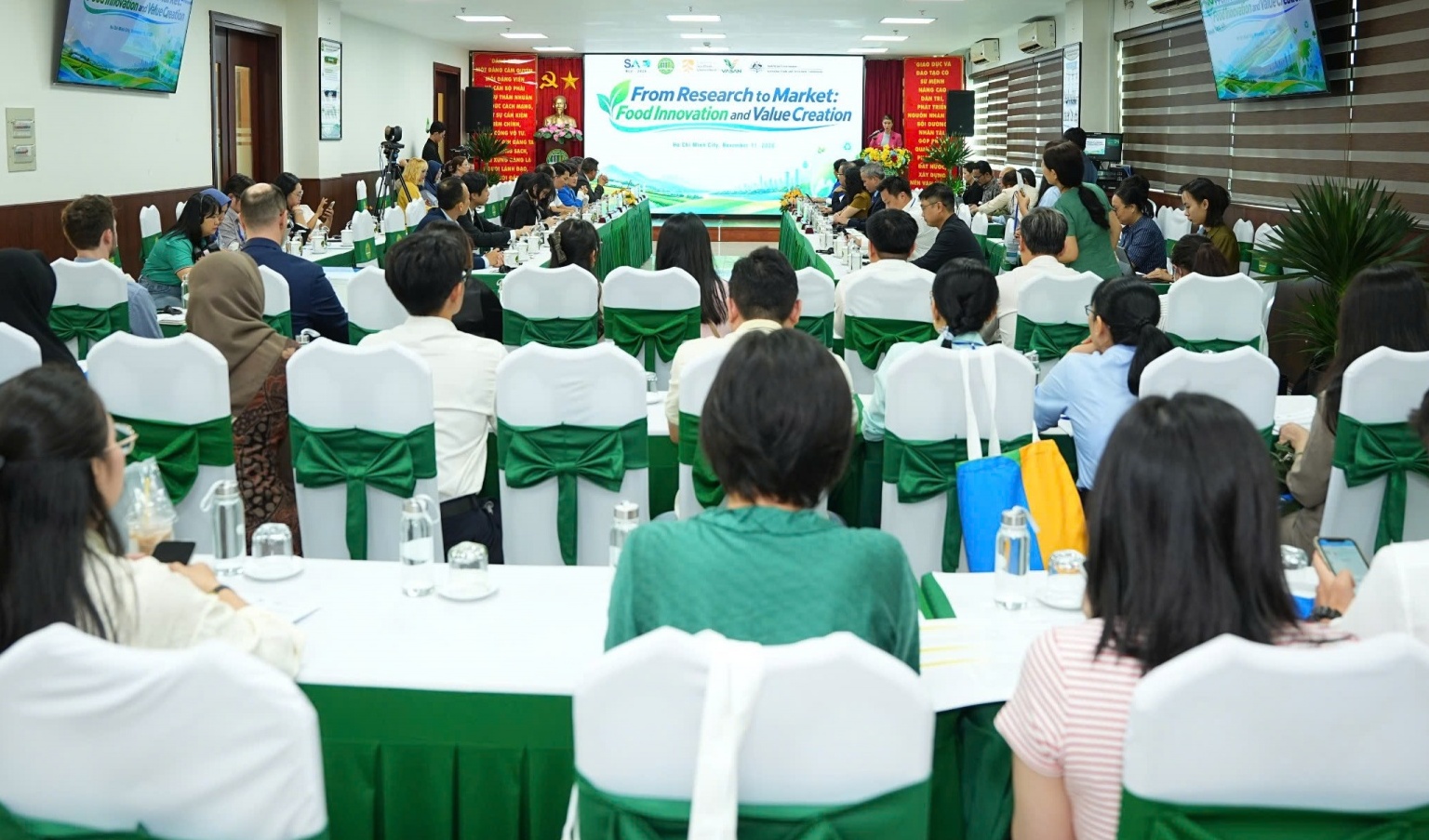
The Australian Trade and Investment Commission (Austrade), through the Australian Consulate-General, and the Australia-Vietnam Sustainable Agriculture Network (VASAN) co-hosted a workshop on November 11, bringing together researchers, businesses, and government representatives to explore ways of turning agricultural and food research into commercial applications.
 |
| Photo: Austrade |
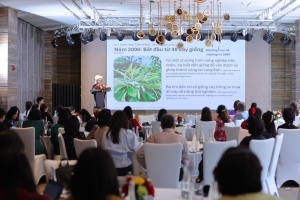
The workshop, 'From Research to Market: Food Innovation and Value Creation', was held as part of the sixth Sustainable Agriculture and Environment Conference at Nong Lam University Ho Chi Minh City. It was co-chaired by Nong Lam University Ho Chi Minh City and the University of Southern Queensland, Australia.
Discussions focused on emerging trends and opportunities in Vietnam’s food sector, alongside Australia’s expertise in food innovation and research commercialisation. Case studies from Australia, Vietnam, and Indonesia highlighted approaches to developing commercial applications in food processing and by-product utilisation, plant-based food innovation, and the use of AI and robotics in sustainable agricultural mechanisation.
Participants also discussed how food science could be translated into industry-ready solutions, as well as opportunities for further cooperation between Australian and Vietnamese universities, businesses, and government agencies. Established as a platform linking institutions in the two countries, VASAN aims to promote sustainable agriculture through research, innovation, and industry partnerships.
The discussions come as Vietnam’s agrifood sector shifts towards more modern, value-added, standards-compliant, and climate-smart production. This transition is creating opportunities beyond agricultural commodity exports, particularly in food processing, post-harvest technology, product traceability, and supply chain innovation.
Vietnam’s food processing industry was valued at $88 billion in 2025, up 11 per cent on-year, reflecting rising domestic demand and efforts by processors to develop internationally competitive brands.
 |
| Photo: Austrade |
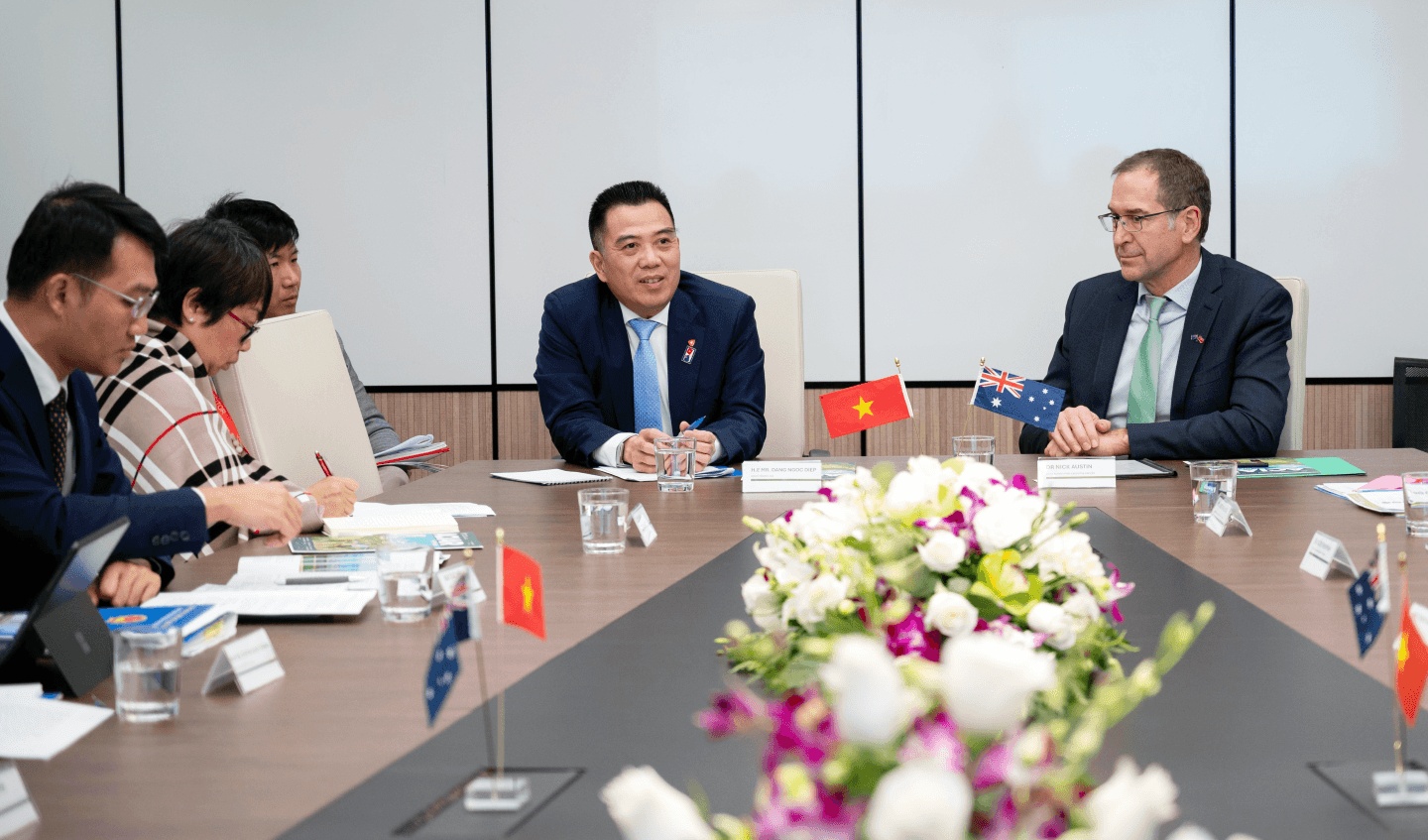
Australia and Vietnam have complementary strengths in this transition. Vietnam has a strong agricultural production and processing base, alongside growing export competitiveness, while Australia offers expertise in agricultural research, food science, advanced technologies, and innovation.
Bilateral agrifood trade provides a foundation for closer cooperation. Vietnam was Australia’s eighth-largest market for agrifood products in the first eight months of 2026, with trade valued at $1.15 billion.
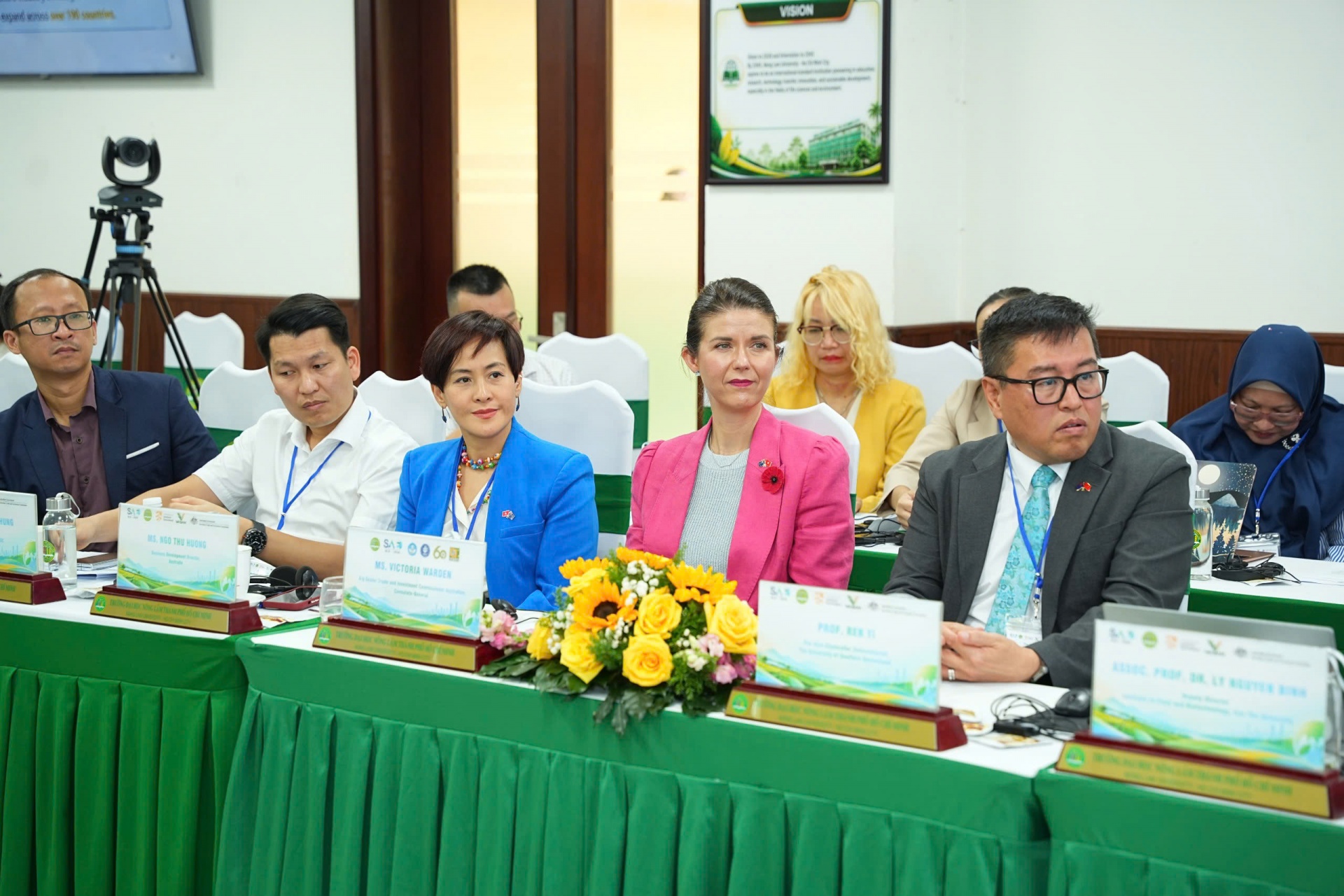
Victoria Warden, acting senior trade and investment commissioner at the Australian Consulate-General, said food innovation had been selected as the focus of this year’s VASAN workshop because Australia had considerable research and industry expertise in the field, while Vietnam offered strong growth opportunities.
“Through VASAN, we aim to bring together universities, industry, and government, connecting researchers with businesses and market needs so that we can help promising ideas move beyond the laboratory into practical solutions that create value for farmers, businesses, and consumers,” she said.
Stronger links between research institutions and businesses are expected to help turn scientific knowledge and technology into commercial applications, supporting more resilient and competitive agrifood value chains in both countries.

What the stars mean:
★ Poor ★ ★ Promising ★★★ Good ★★★★ Very good ★★★★★ Exceptional
 Tag:
Related Contents



More News
- Vietnam in global top 50 for digital competitiveness and AI (November 12, 2026 | 15:25)
- BJC and MM Mega Market Vietnam connect supply and markets at Vietnam Foodexpo (November 12, 2026 | 10:05)
- US blueberry exports to Vietnam surge 160 per cent (November 11, 2026 | 14:39)
- Ericsson establishes R&D capability in Vietnam, reinforcing long-term commitment (November 10, 2026 | 18:52)
- Vietnam and Japan expand environmental cooperation under new deal (November 10, 2026 | 18:50)
- DKSH rolls out free breast cancer screenings in Ho Chi Minh City (November 10, 2026 | 09:34)
- Customs Department and VAFIE sign cooperation agreement to strengthen FDI engagement (November 10, 2026 | 09:19)
- US farm trade mission heads to Vietnam with record delegation (November 09, 2026 | 15:03)
- Vietnam and Japan step up agricultural market access (November 09, 2026 | 14:58)
- European firms push for stronger Vietnam trade ties (November 06, 2026 | 12:19)





 Mobile Version