
Be Group reports company-wide profitability in 2025

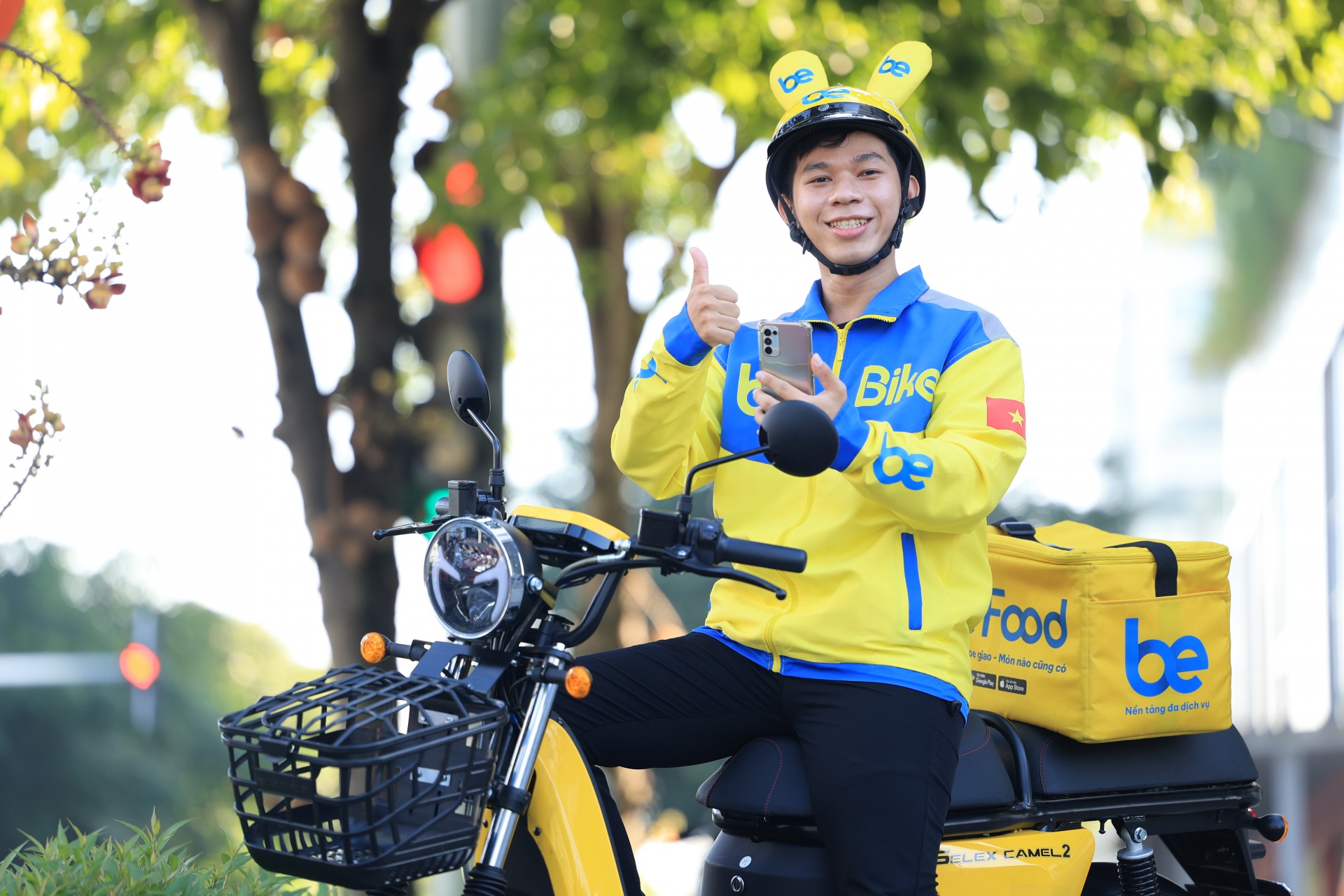 |
Be posted a positive full-company earnings before interest, taxes, depreciation, and amortisation (EBITDA) report on November 11.
Following the announcement, Be has launched a new support package for its driver-partners, with a special focus on students. The programmes include the BE SCHOLAR 2025 scholarship, first-month bonuses, and a 24/7 comprehensive accident insurance plan, aiming to create favourable conditions for students to pursue their education while working.
A representative from Be shared, "Achieving profitability is the moment we accelerate our investment back into our partners, especially students, who represent a young, disciplined cohort possessing a strong professional ethos and service-oriented mindset. When drivers are empowered and motivated, service quality naturally rises."
Additionally, Be is continuing to invest heavily in its two-wheeler ecosystem, including ride-hailing, on-demand delivery, and food delivery services.
According to Cimigo’s May 2025 report on super-app usage in Vietnam, three of the eight most-used services nationwide come from the two-wheeler segment, where Be currently leads the domestic market with steady growth since reaching positive gross profit in August 2022.
The representative stated, “The two-wheeler market still has significant room for expansion, especially in Hanoi, Ho Chi Minh City, and suburban areas. This is the opportune moment for new drivers to join Be and benefit from the new support policies.”
Another report by research firm Rakuten Insight indicates that Be is effectively serving the price-sensitive consumer segment. Specifically, 24 per cent of respondents chose the app for its competitive pricing, while 23 per cent were drawn by its promotional offers. This suggests that while Grab and Xanh SM compete on service quality and availability, Be maintains its competitiveness through a flexible pricing strategy.
While Be accelerates its operations, other rivals are also stepping up their game. Grab, Xanh SM, and other players have continuously injected capital into new services, expanded utilities, optimised user experience, and retained drivers. The competition extends beyond pricing and promotions to the speed of product innovation and platform coverage.
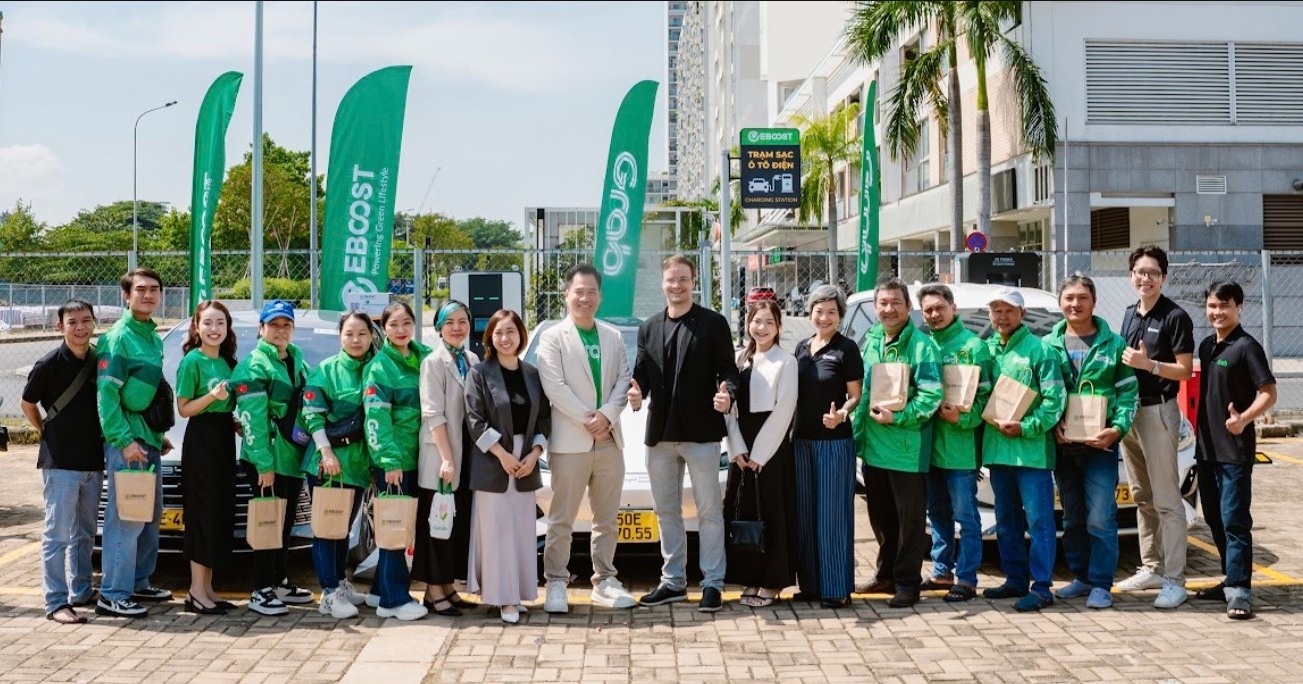
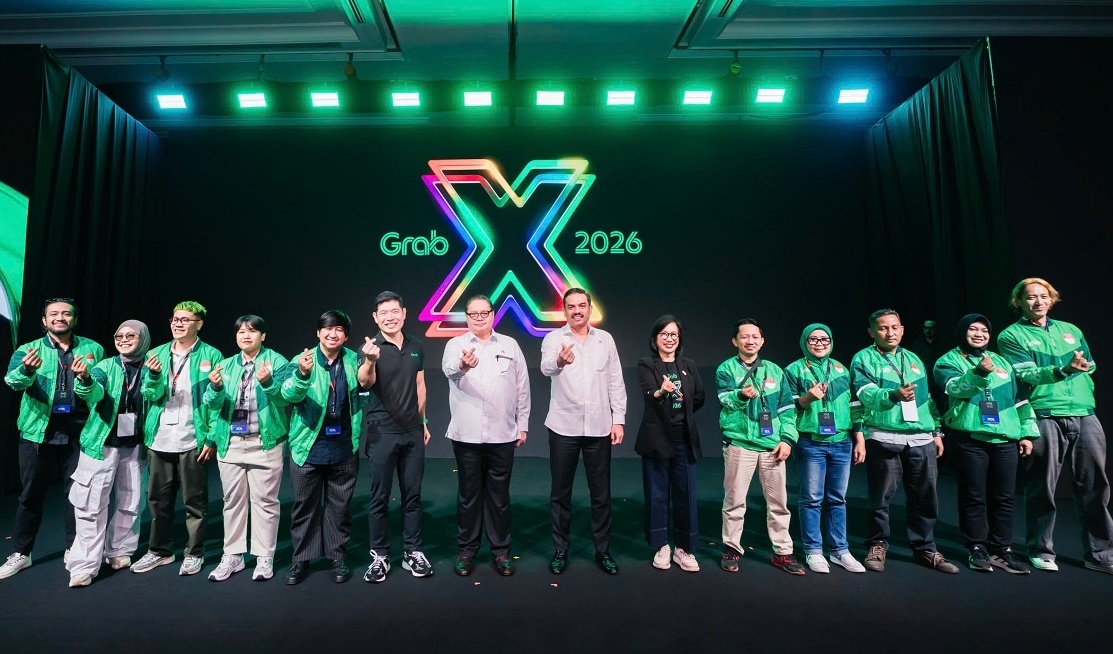
Most recently, Grab Vietnam has announced the expansion of its coverage to nine northern localities. The company aims to expand the reach of its GrabBike and GrabFood services deep into midland and mountainous areas, with a commitment to bringing the digital economy to every village.
 | New names push ride-hailing offerings The ride-hailing sector is witnessing stronger competition, with players new and old offering improved services. |
 | Ho Chi Minh City accelerates shift to electric bikes for delivery drivers Ho Chi Minh City is preparing a two-phase roadmap to transition around 400,000 petrol-powered motorbikes used by ride-hailing and delivery drivers to electric models by 2029, marking a major step towards green urban transport. |
 | Ride-hailing platforms shift gears in green mobility race Tightening emission rules and the urgent push for greener urban mobility are forcing Vietnam’s ride-hailing firms into a decisive shift, where delay could mean lost relevance. |
What the stars mean:
★ Poor ★ ★ Promising ★★★ Good ★★★★ Very good ★★★★★ Exceptional
 Tag:
Tag:Related Contents




Latest News





More News
- Sojitz in Vietnam: 40 years from individual projects to a business cluster 'KATAMARI' (October 08, 2026 | 09:00)
- Coteccons targets 'Quality Growth' with 25 per cent dividend plan (October 07, 2026 | 13:00)
- Vietnam Education Forum opens UK Education Mission's Hanoi visit (October 07, 2026 | 12:27)
- Tax authorities deactivate TINs of nearly 180,000 businesses (October 07, 2026 | 12:08)
- World Bank raises Vietnam's 2026 GDP growth forecast to 7.4 per cent (October 07, 2026 | 11:41)
- Vietstock 2026 to spotlight livestock innovation and green transition (October 07, 2026 | 09:00)
- Vietnam’s GDP grows over 9 per cent in first nine months (October 05, 2026 | 18:45)
- Vietnam earns $56.3 billion from agro-forestry-fishery exports (October 05, 2026 | 18:32)
- DSV balances resilience and decarbonisation in supply chains (October 05, 2026 | 18:20)
- Electronics exports reach $175.4 billion in the first nine months (October 05, 2026 | 18:12)



Latest News




 Mobile Version