
VIFC entrants need to build flexible structures as framework takes shape

After nearly a year of implementation, how would you assess the VIFC’s level of readiness?
There have been some notable steps forward. The launch of the online member registration system, together with a relatively standardised set of procedures, is a positive signal that helps enhance the transparency and predictability that international investors typically look for.
However, a number of areas relating to sophisticated financial activities are still being developed. This is also something many investors are closely monitoring, as they need a clear understanding of the conditions for participation, licensing procedures, and how the regulations will be applied in practice.
What we have observed is that businesses are not only considering short-term incentives. They are assessing whether the VIFC can become part of their long-term investment strategies.
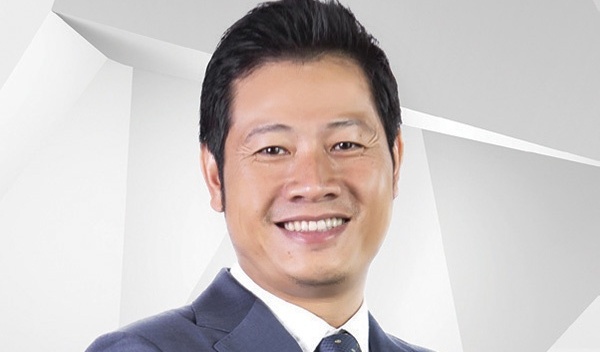
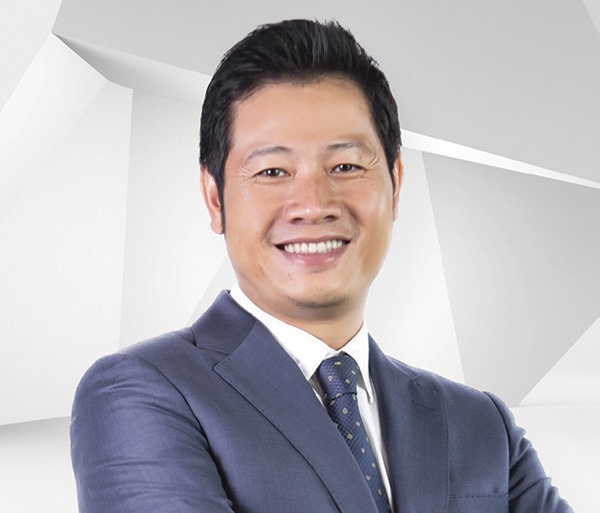 |
| Hoang Thuy Duong, partner and tax head at KPMG Vietnam & Cambodia |
Why are some investors considering establishing holding companies at the VIFC rather than continuing to use familiar offshore structures?
For large-scale projects, the considerations typically go beyond tax issues to include capital raising, cash flow management, and the ability to connect the parties involved in a project.
Where the legal framework permits, a holding company established at the VIFC could provide some investors with an additional structuring option, particularly in terms of centralising management and attracting international capital. However, the feasibility will depend on the specific regulations issued at each stage.
At present, some of the issues attracting investor attention include the relationship between businesses within the VIFC and projects implemented outside the centre; coordination between membership procedures and investment procedures; and how regulations relating to risk management, anti-money laundering, and innovation activities in the financial sector will be applied.
For emerging fintech models such as digital assets and blockchain, what businesses want most is clarity over the scope of permitted activities, the supervisory framework, and the implementation roadmap.
What is the most common mistake businesses make when preparing their applications?
Based on our observations, many businesses tend to focus too early on potential incentives without first clarifying their business objectives and the practical value of establishing a presence at the centre.
In any international financial centre, substantive presence is becoming increasingly important. Businesses need to demonstrate that their management activities, personnel, decision-making processes, and business functions are appropriate to the model for which they have registered.
This is not only a compliance requirement, but also helps mitigate tax and governance risks over the long term.
What are your recommendations to the executive authority and relevant ministries and agencies, and what role does KPMG play in this process?
It is important to recognise the efforts of the executive authority in gathering market feedback and consolidating implementation issues for submission to the relevant authorities.
From an investor perspective, three priorities stand out in creating a more enabling and consistent environment for businesses.
Firstly, a mechanism should be established for advance discussions or consultations on complex cases, accompanied by clear response timelines. At the same time, procedures should be streamlined for businesses that have already been licensed and are operating lawfully in relevant sectors. Finally, promoting consistent interpretation and application across different locations within the VIFC ecosystem would help improve consistency and predictability for investors.
We see ourselves as a bridge between businesses and regulators. Through our advisory projects and discussions with investors, KPMG consolidates issues arising during implementation, benchmarks them against international experience, and shares relevant practices that could be considered, thereby contributing to the policymaking process.
What should businesses do over the next six months?
The most important point is that businesses should not wait until all regulations have been finalised before beginning their preparations.
Businesses can proactively assess the VIFC’s suitability for their investment strategies, develop sufficiently flexible structuring options to adapt to future policy changes, and maintain early dialogue with relevant authorities and organisations.
During the formative stage of any financial centre, organisations that prepare early are often better positioned to understand the emerging operating framework and seize opportunities more quickly as the mechanisms are further developed.
What the stars mean:
★ Poor ★ ★ Promising ★★★ Good ★★★★ Very good ★★★★★ Exceptional
 Tag:
Tag:Related Contents



Latest News
More News
- Vietnam's next cycle: capital shifts from low-cost manufacturing to higher-value investment and M&A (August 26, 2026 | 14:51)
- KPMG and Anthropic to redefine client services with artificial intelligence tie-up (May 25, 2026 | 08:00)
- More disciplined growth for real estate and construction (April 27, 2026 | 08:00)
- KPMG announces appointment of Gary Wingrove as global chairman and CEO (March 24, 2026 | 12:16)
- Opportunities reshaped by disciplined capital aspects (December 08, 2025 | 10:05)
- Tax & Legal Institute 2025 drives Vietnam’s tax reform momentum (November 06, 2025 | 17:18)
- Drive for innovation and digital growth proving a big catalyst for investment (November 04, 2025 | 15:27)
- KPMG Vietnam and ACCA partner to support development of IFC (November 04, 2025 | 11:32)
- KPMG Vietnam appoints new head of Deal Advisory (October 10, 2025 | 15:01)
- Tariff modeller guides exporters through trade shifts (August 11, 2025 | 10:00)






 Mobile Version