
Vietnam rice exports to recover on high-quality demand

 |
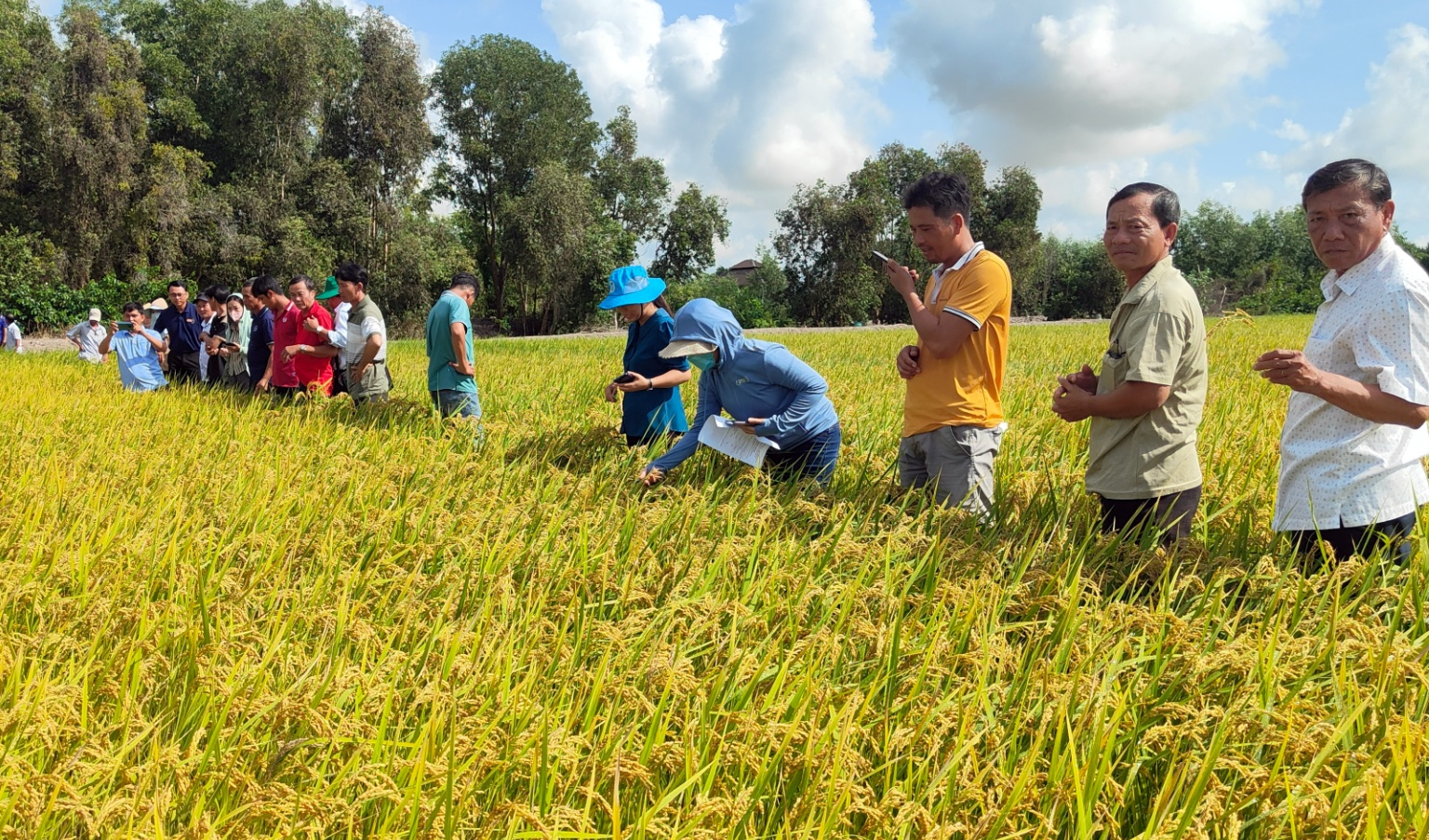
| Photo: baodautu.vn |
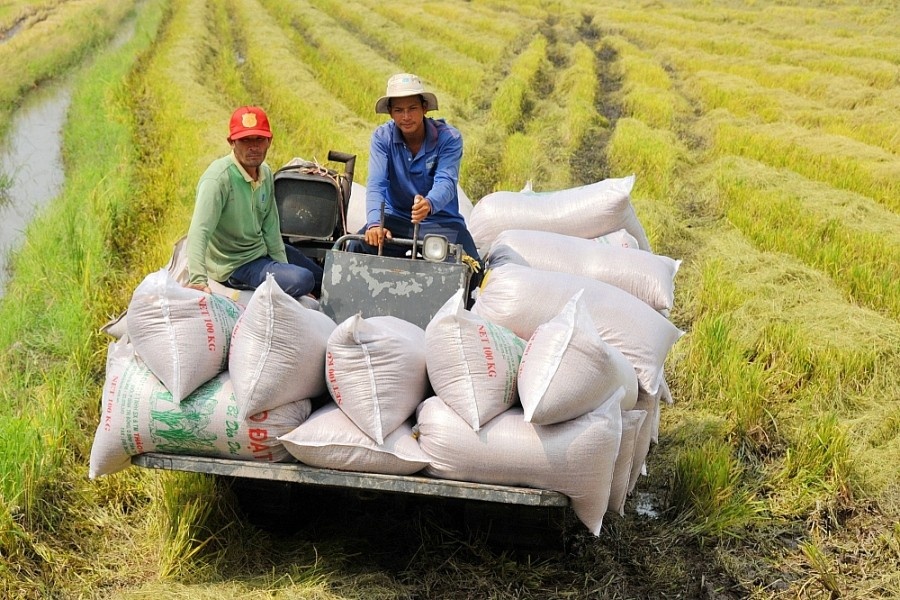
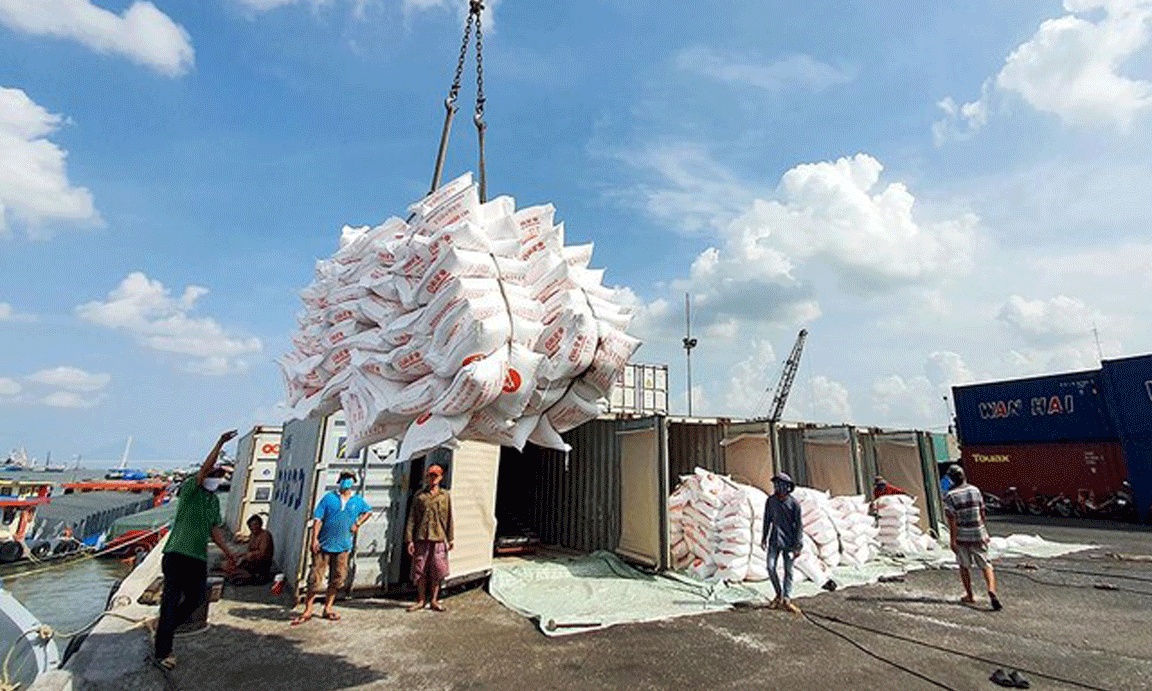
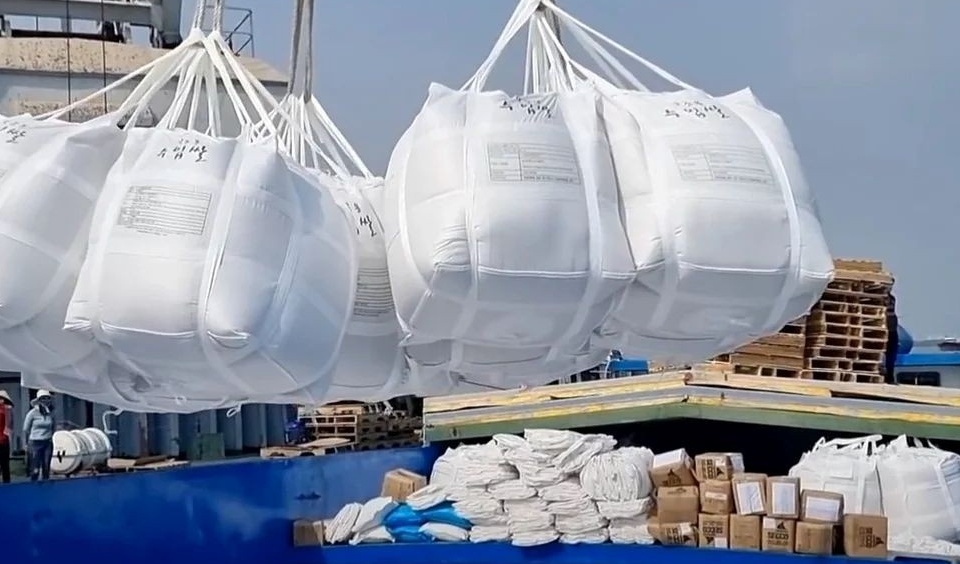
According to the Ministry of Agriculture and Environment (MAE), Vietnam exported 4.5 million tonnes of rice in the first five months of 2026, generating $2.09 billion in revenue, up 6.6 per cent in volume but down 3.6 per cent in value compared to the same period last year.
Meanwhile, the EU periodically reviews and updates the list of fragrant rice varieties eligible for preferential tariffs under the EVFTA, while applying different conditions to fragrant rice, high-quality white rice, and rice used for processing. For fragrant rice in particular, the EU maintains a specific list of eligible rice varieties, including several of Vietnam’s speciality aromatic varieties that have already been recognised by the bloc.
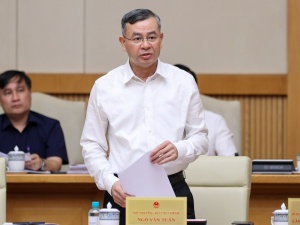
“The EU’s periodic review and update of the list of eligible fragrant rice varieties is necessary to reflect production realities and creates opportunities for new Vietnamese rice varieties to enter high-value markets,” Nghiem Quang Tuan, deputy director of the Department of Crop Production and Plant Protection under the MAE said.
He added that maintaining and expanding Vietnam’s presence in the EU market would not only support export growth but also reinforce the international positioning of Vietnamese premium and low-emission rice, creating opportunities to penetrate other high-value markets such as Japan, South Korea, Australia, and North America.
According to information released last week by the Vietnam Rice Industry Association (VIETRISA), from the first shipment of over 400 tonnes of low-emission green Vietnamese rice exported to Japan last year, Vietnam has now exported approximately 70,000 tonnes of this product line to the international market.
This is considered an important step in the venture to develop one million hectares of high-quality, low-emission rice in the Mekong Delta, which is currently being implemented.
Le Thanh Tung, vice president of VIETRISA, said that this success opens doors to demanding markets such as Japan, Europe, and Australia, and also demonstrates that Vietnam's approach to producing high-quality rice and reducing emissions is yielding positive results.
“Our market research results indicate that consumers are willing to pay a higher price for environmentally friendly rice. However, the key factor is transparency in the certification process and the early synchronisation of domestic and international standards to reduce costs and increase competitiveness,” he said.
The average export price of rice in the first four months of 2026 was only about $470/tonne, the lowest level in the past five years.
The MAE believes the cause stems from difficulties arising from geopolitical conflicts in the Middle East, which have impacted global agricultural supply chains. This has forced many farmers in Vietnam, Thailand, the Philippines, and Indonesia to consider reducing input investments or adjusting production plans.
Furthermore, extreme climate change, rising production costs, and logistics disruptions are also putting significant pressure on Asian rice prices. Amidst declining production and export prices, the rice industry has shifted towards the low-emission, high-quality rice segment.
Do Ha Nam, chairman of the Vietnam Food Association, said that high-quality rice currently accounts for about 90 per cent of total exports in the first five months of 2026, with 60-70 per cent consisting of fragrant and speciality rice.
Rice varieties such as ST24, ST25, and Japonica are gradually penetrating high-end markets like the EU, the US, and Japan. In early May, the price of Vietnamese Jasmine rice reached around $515/tonne, an increase of about $30 per tonne compared to the previous month, while fragrant rice with 5 per cent broken grains increased by 5-7 per cent.
"At current prices, Vietnamese rice is being offered at the highest price among the top five rice-exporting countries in the world. Vietnam's advantage is on price but now also in its increasingly diversified product structure, with a continuously increasing proportion of fragrant and high-quality rice," Nam said.
Low-emission rice is creating significant added value for export businesses. Pham Thai Binh, chairman of the board at Trung An High-Tech Agriculture, said that after successfully exporting 500 tonnes of Japonica rice under a low carbon rice brand to Japan at $820 per tonne, the company continued to export an additional 1,000 tonnes to Europe and Australia at an export price exceeding $1,000 per tonne.
“Importing markets are now increasingly interested in low-emission criteria and sustainability in production,” he said. “As many localities in the Mekong Delta accelerate the approval of large-scale projects for businesses to implement the million-hectare high-quality rice cultivation scheme, low-emission rice production will boom in the near future,” Binh said.
Similarly, A An Food JSC has identified the development of green rice cultivation areas as a long-term competitive advantage. For the 2025-2026 crop year, the company will collaborate with farmers and cooperatives in the Mekong Delta to implement over 5,000 ha of cultivation using low-emission models.
According to Le Anh Nam, deputy general director of A An Food, when the growing area meets low-emission standards, the company's rice products meet the increasingly stringent requirements from the EU, Japan, and other high-end markets, opening up opportunities to label them as green rice or low carbon rice, which international importers are particularly interested in.
"From a business perspective, this is the foundation for us to build a sustainable rice value chain, increasing farmers' income while elevating Vietnamese brands in the global supply chain. Green rice is the future of the rice industry, and we aspire to be a pioneer on that journey," Nam said.
By the end of May 2026,Vietnam had implemented over 354,000 ha of high-quality, low-emission rice cultivation, according to data from MAE. Besides the Mekong Delta, several models are also being tested in Hung Yen, Ninh Binh, and Haiphong.
According to Nguyen Quoc Manh, deputy director of the Department of Crop Production and Plant Protection under the MAE, the crop production sector is oriented towards continuing to expand the area of high-quality rice, developing speciality rice varieties associated with environmental factors, building a distinct identity for low-emission rice, and promoting the application of processing technology and diversifying export markets.
The department plans to issue a rice production process that reduces emissions, covering the entire farming chain.
"In the context of major markets like the EU, Japan, and South Korea increasingly tightening environmental standards and carbon emissions, Vietnam's choice today is not just right, it is also crucial for the future of the rice industry," he added.
VIETRISA forecasts rice exports for the whole year to reach 7-7.5 million tonnes, aiming for a turnover of $4.5-5 billion, with a focus on increasing the proportion of high-quality rice to enhance value instead of chasing production volume.


What the stars mean:
★ Poor ★ ★ Promising ★★★ Good ★★★★ Very good ★★★★★ Exceptional
 Tag:
Tag:
Related Contents


Latest News


More News
- Carlsberg underscores long-term Vietnam commitment at Denmark talks (October 22, 2026 | 16:06)
- Brookland Group makes first investment in Vietnam's Miza Corporation (October 21, 2026 | 12:18)
- Petronas, Petrovietnam to expand energy cooperation (October 21, 2026 | 12:13)
- AI in customer experience: Finding the right level of automation (October 21, 2026 | 09:03)
- Fresh graduates fall short on soft skills, employers say (October 19, 2026 | 13:14)
- Ford innovations continue towards sustainable growth (October 19, 2026 | 09:40)
- Preparing professionals for a new business environment (October 19, 2026 | 09:13)
- KN Holdings honoured for ESG efforts in Vietnam (October 18, 2026 | 11:00)
- APEA 2026 Vietnam honours 65 outstanding leaders and enterprises (October 17, 2026 | 10:00)
- MEXC highlights AI-driven trading and broader market access at TOKEN2049 (October 17, 2026 | 09:00)








 Mobile Version