

Private capital funds as cornerstone of IFC plans

 |
| (L-R) Max Scheichenost, board member, Vietnam Private Capital Agency (VPCA) and Tyler B. McElhaney, country head, Apex Group and member of the VPCA |
However, the difference between a dormant economic zone and a thriving global capital artery lies not in the incentives offered, but in the vibrancy of the actors within it. To transition from a promising concept to a globally competitive powerhouse, Vietnam must fundamentally reframe its relationship with the investment community. A large-scale IFC programme must position funds not merely as beneficiaries of preferential policies, but as implementing partners in the nation’s economic transformation.
The traditional view of an IFC often casts investment funds, whether private equity, venture capital, or blended finance vehicles, as passive tenants. In this outdated model, the government builds a structure, offers fiscal sweeteners, and waits for capital to occupy the space. This approach, while functional in established markets, is insufficient for a rising emerging market like Vietnam.
The vision for Vietnam’s IFC can be more ambitious. It should view funds as the “software” that powers the hardware, capable of driving the very standards, governance, and innovation that the centre aspires to embody. When funds are treated as implementing partners, they cease to be transient visitors seeking yield and become stakeholders with a vested interest in the long-term integrity and stability of the market. And this shows the actual commitment to shape Vietnam to a modern, innovation-centric economy where private enterprises drive sustainable national growth.
This shift in perspective transforms the operational dynamic of the IFC. Instead of simply asking what the IFC can do for funds, policymakers and programme designers must explore what funds can do for the IFC. An effective partnership model recognises that top tier global and regional funds bring more than just capital, they bring the rigorous discipline of global best practices.
For instance, a private equity firm focused on infrastructure does not merely fund a bridge or a port, it demands and implements international standards of transparency, risk management, and environmental, social, and governance compliance. By integrating these funds into the fabric of the IFC, Vietnam effectively imports the regulatory maturity and operational excellence that would otherwise take decades to develop organically.
A successful IFC initiative in Vietnam will be one where this co-ownership of outcomes is explicit. Consider the role of venture capital within this ecosystem. In a partner centric IFC, venture capitalists are not just speculators in technology, they are the architects of the digital economy. They act as a filtering mechanism, identifying and nurturing the high growth enterprises that will eventually list on the centre’s exchanges.
By engaging these funds early, the hub can align its regulatory sandbox with the actual needs of the market, ensuring that policies regarding digital assets or fintech are not theoretical constructs but practical enablers of growth. This feedback loop creates a nimble, responsive regulatory environment that is attractive precisely because it is co-designed by its primary users.
Furthermore, positioning funds as implementing partners enhances the sustainability and impact of the IFC. The global financial community is increasingly driven by mandates that prioritise sustainability and inclusive growth. Blended finance vehicles, which combine public concessional capital with private investment, are particularly potent tools in this regard. Within the Vietnam IFC context, these funds can be tasked with unlocking difficult sectors such as renewable energy transition or climate resilient infrastructure.
If the IFC treats these funds as partners, it can structure specific corridors that expedite their deployment, thereby turning the financial centre into a global engine for green finance. The success story of the IFC then becomes inseparable from the success of Vietnam’s broader development goals, creating a narrative of purpose that appeals to the highest calibre of global institutional investors.
The accountability dynamic also shifts under this partnership model. When funds are viewed merely as beneficiaries, the relationship is transactional and fragile. If incentives disappear, so does the capital. However, when they are engaged as partners, there is a shared accountability for the ecosystem’s reputation.
A fund that has helped shape the corporate governance standards of the IFC has a reputational stake in upholding them. This creates a self policing mechanism where high-quality market participants crowd out bad actors, reducing the burden of enforcement on the state and increasing the overall trust factor of the jurisdiction. This “reputational capital” is the most valuable asset any financial centre can possess, and it is built through the collective integrity of its partners.
Ultimately, the trajectory will be defined by the depth of its relationships. The buildings in Danang or the areas in Ho Chi Minh City will stand as empty shells if they are not animated by a spirit of collaboration where private enterprises accelerated and professionalised through private capital drive sustainable national growth.
By inviting funds to sit at the table as co-creators of value, Vietnam can leapfrog the learning curve that has constrained other emerging financial hubs. This approach requires confidence and a willingness to engage in open, complex dialogue with the private capital sector.
Yet, the rewards are generational. A partner centric IFC will not only attract billions in capital but will channel that capital effectively, building a resilient, sophisticated, and globally integrated Vietnamese economy. In this vision, the funds are not just passing through; they are here to build, to stay, and to succeed together with Vietnam in its next era of economic growth.
What the stars mean:
★ Poor ★ ★ Promising ★★★ Good ★★★★ Very good ★★★★★ Exceptional
 Tag:
Tag:Related Contents





Latest News



More News
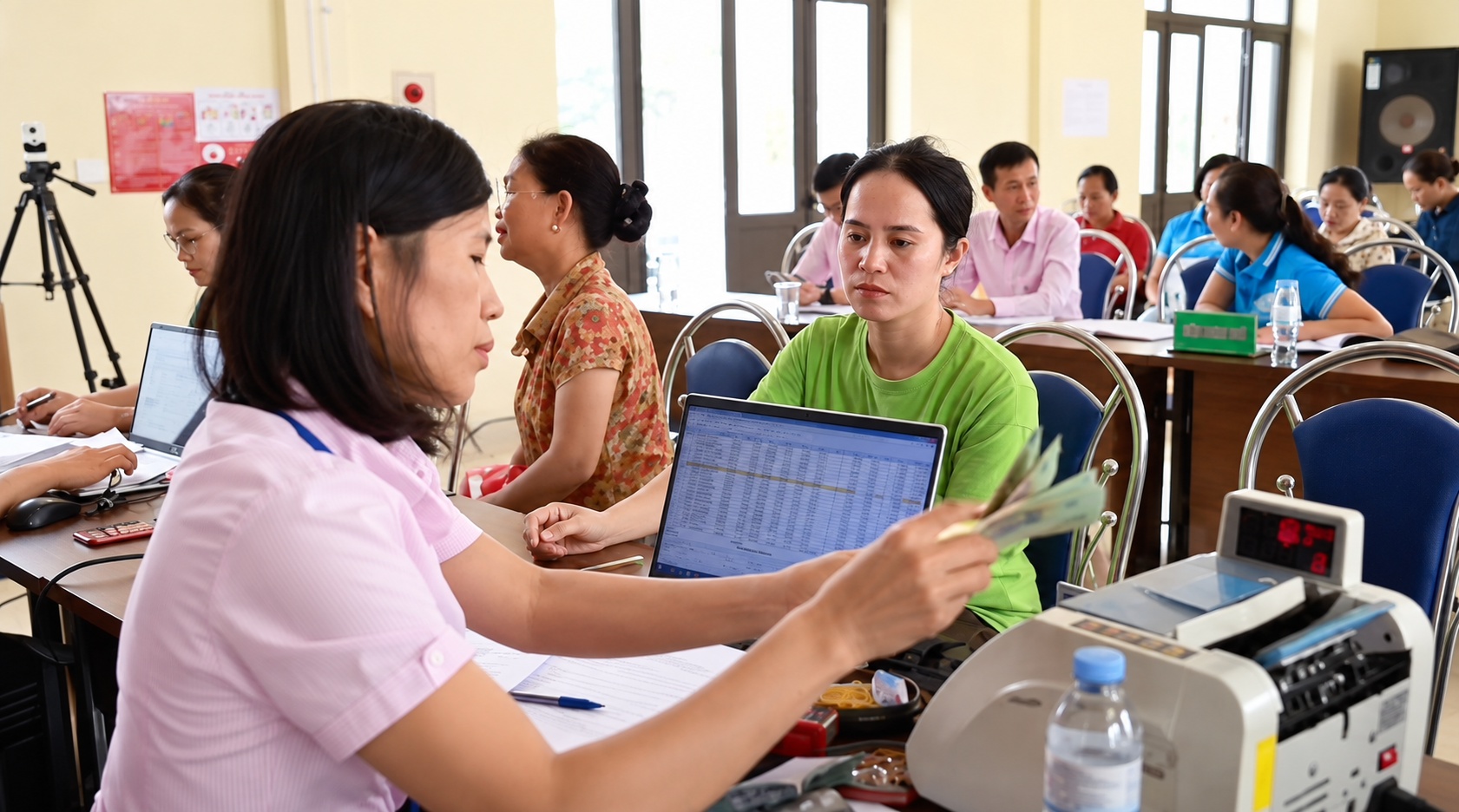
- From loans to women’s economic empowerment (October 06, 2026 | 17:58)
- VIB named Outstanding Retail Bank 2026, targets transaction banking (October 06, 2026 | 10:52)
- FTSE upgrade paves way for stronger stock market development (October 05, 2026 | 18:44)
- coLoan to empower women through inclusive green finance (October 05, 2026 | 18:42)
- Techcombank CEO: AI no longer a tool but a new operating foundation (October 05, 2026 | 18:11)
- Banks sustain profit growth as funding costs squeeze margins (October 02, 2026 | 22:22)
- Nam A Bank delivers strong breakthrough in 2026 (October 02, 2026 | 19:00)
- Policy credit builds sustainable livelihoods from the grassroots (September 29, 2026 | 07:48)
- VIB deploys Front Arena treasury and foreign exchange trading system on AWS (September 28, 2026 | 16:46)
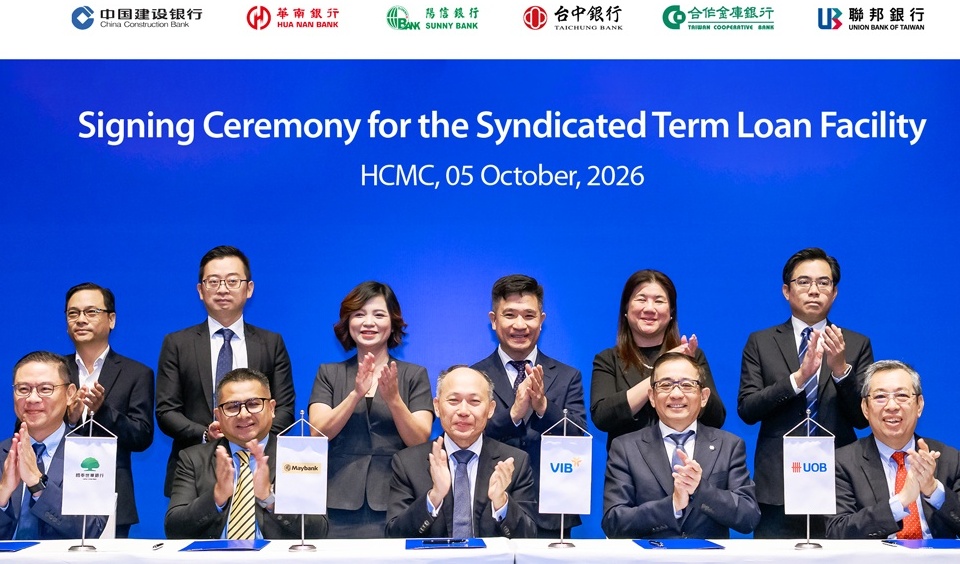
- Nam A Bank receives $60 million loan from FMO (September 28, 2026 | 12:37)


Latest News




 Mobile Version