
Omnichannel distribution helps Vietnamese businesses expand market reach

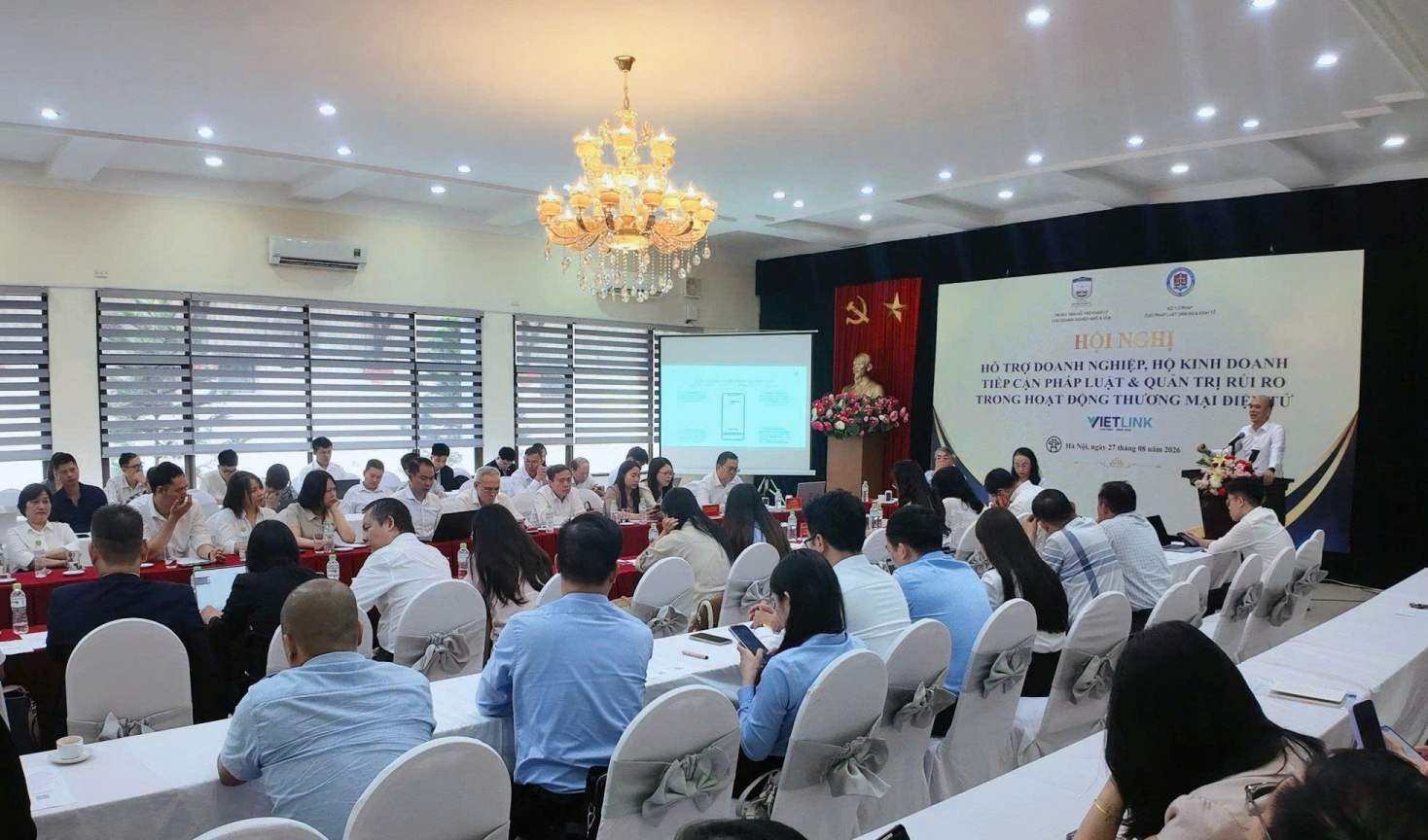
At a workshop organised by the Vietnam Trade Promotion Agency on October 22 in Hanoi, participants discussed opportunities, bottlenecks, and solutions to help businesses adapt to rapidly changing trade, distribution, and consumer behaviour.
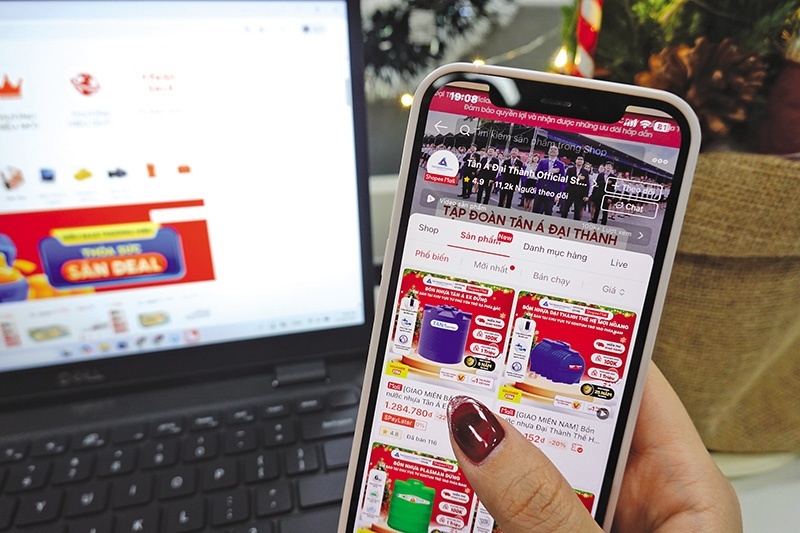
 |
| Photo: congthuong.vn |
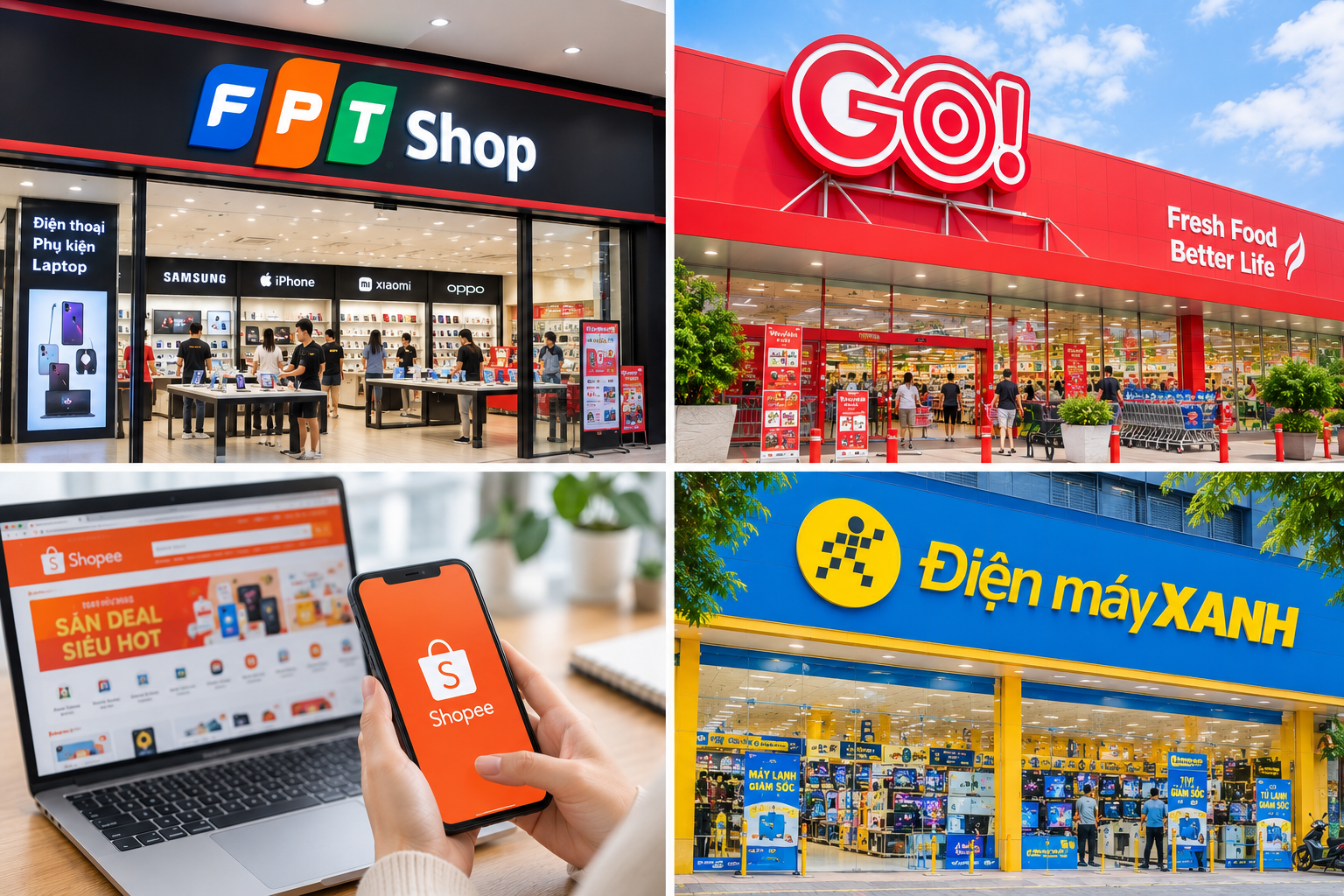
Le Hoang Tai, deputy director general of the Vietnam Trade Promotion Agency under the Ministry of Industry and Trade (MoIT), highlighted the growing convergence of traditional distribution networks and digital commerce platforms. The expansion of cross-border e-commerce and social media is reshaping shopping habits, requiring businesses to innovate flexibly to maintain and strengthen their competitiveness.
“Relying on a single sales channel is no longer appropriate. Businesses need to connect physical stores with online shops, expand customer touchpoints, and improve operational efficiency to ensure stable outlets for their products,” he said.
However, many businesses, particularly small and medium-sized enterprises (SMEs), continue to face difficulties in building integrated technology systems, managing customer data, organising logistics, and developing effective sales strategies.
Alongside businesses’ own efforts to innovate, Tai said, coordination among state management agencies, industry associations, and digital platforms was needed to provide market information, strengthen technology adoption, and facilitate both online and offline business connections.
Assessing the impact of digital transformation on business operations, Bui Quang Tuan, vice chairman of the Vietnam Economic Association, said businesses should view digitalisation as a driver of competitiveness rather than focus solely on increasing online sales.
Diversifying sales channels is important for risk management, enabling businesses to reduce their dependence on any single market or platform.
“When one channel is disrupted, others can help maintain production and business operations. Expanding a digital presence is therefore effective only when accompanied by the ability to balance revenue streams, control costs, and ensure profitability,” he said.
Citing a survey of 1,300 businesses presented at the workshop, Tuan identified several major barriers to digital transformation. Around 60 per cent of respondents reported high technology investment costs, while 45 per cent struggled with a lack of in-house personnel and 38 per cent cited limited leadership commitment or understanding.
Other challenges included inadequate infrastructure, limited access to technology information, and difficulties in changing established business practices and corporate culture.
“These findings show that investing in technology does not automatically translate into improved business performance. A company may open multiple online shops without reaching additional customers, reduce its reliance on traditional intermediaries only to become dependent on a single digital platform, or increase revenue while management costs remain excessively high,” Tuan said.
To address these challenges, he called on businesses to strengthen their internal digital transformation capabilities, train digital commerce personnel, and integrate data systems. They should also develop integrated distribution channels, digital branding, digital logistics, and cross-border e-commerce.
Building a shared-service ecosystem and strengthening cooperation among the government, industry associations, research institutes, universities, and businesses would also be important to supporting this transition.
Nguyen Ngoc Tam, deputy chief of office of the Agency for Domestic Market Surveillance and Development under the MoIT, cautioned that presence across multiple distribution channels did not necessarily guarantee sustainable sales.
“A high-quality agricultural product with attractive packaging, a traceability code, and exposure at trade fairs, supermarkets, or e-commerce platforms may still struggle to maintain its market presence if supply is inconsistent, inventory is not updated, transport costs are high, and repeat orders are lacking,” she said.
According to Tam, distribution should be viewed as an integrated network connecting traditional markets, supermarkets, convenience stores, agents, digital platforms, and delivery services. The priority should not simply be to increase the number of sales outlets, but to improve market access, control distribution costs, ensure timely replenishment, and retain customers.
She also emphasised the need to move beyond short-term business-matching activities towards long-term supply relationships. The effectiveness of business connections should be monitored after 30, 60, and 90 days, based on orders generated, the ability to meet required standards, and progress in resolving issues related to pricing, packaging, transport, and payment.
For small-scale producers and products under the One Commune, One Product programme, shared services for collection, storage, and transportation could help reduce market access costs while enabling suppliers to better meet requirements for product specifications and delivery schedules.
Bui Ba Nghiem, senior expert at the MoIT’s Agency of Foreign Trade, said Vietnam's merchandise exports reached approximately $434 billion in the first nine months of 2026, up 24.5 per cent on-year.
However, foreign-invested enterprises continued to account for around 80 per cent of total export turnover, while domestic enterprises contributed approximately $83.89 billion.
“This highlights the need to strengthen the export capabilities of domestic businesses while deepening their links with foreign-invested enterprise supply chains to expand opportunities to participate in international markets,” he said.
Amid geopolitical volatility and rising transportation costs affecting global trade, diversifying export markets and distribution channels would also help businesses improve their resilience and adaptability, Nghiem added.



What the stars mean:
★ Poor ★ ★ Promising ★★★ Good ★★★★ Very good ★★★★★ Exceptional
 Tag:
Related Contents







More News
- AEON Vietnam steps up recruitment (October 23, 2026 | 18:16)
- Vietstar partners with Indiana University on AI-era leadership (October 23, 2026 | 12:44)
- Hanoi conference to explore AI, resilience, and integration (October 23, 2026 | 10:19)
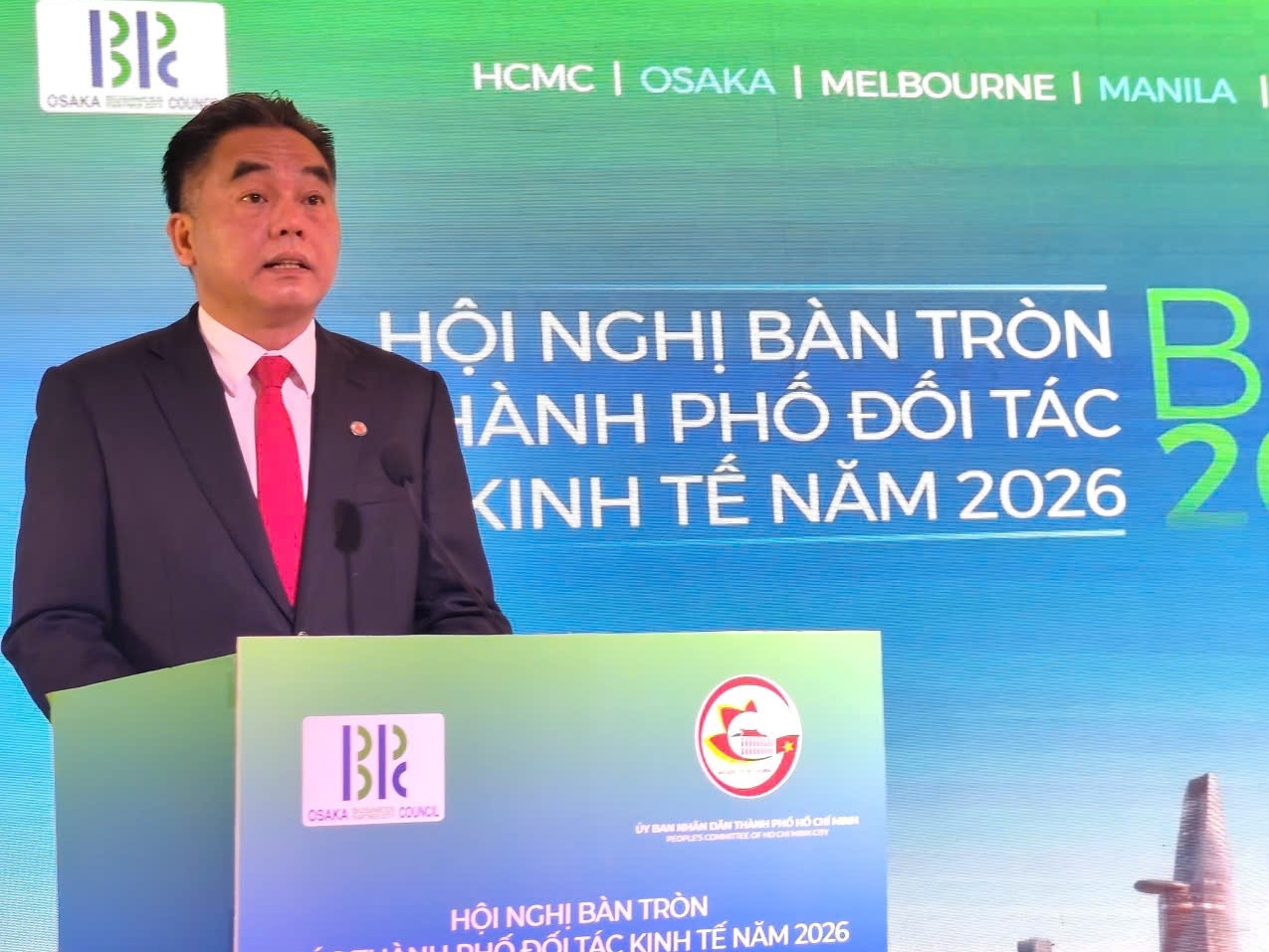
- BPC Roundtable Conference 2026 to open in Ho Chi Minh City (October 21, 2026 | 14:46)
- AMATA congratulates Kao Vietnam on 30 years (October 21, 2026 | 14:17)
- Deputy Minister of Finance meets Gujarat delegation in Hanoi (October 21, 2026 | 12:11)
- Vietnam and US discuss financial cooperation and preparations for APEC 2027 (October 21, 2026 | 12:07)
- Vietnam and Denmark sign MoUs to strengthen bilateral ties (October 21, 2026 | 08:00)
- Vietnam and Liechtenstein sign double taxation avoidance agreement (October 19, 2026 | 18:08)
- Creative Young Entrepreneur 2026 showcases five young businesses (October 19, 2026 | 17:59)



Latest News



 Mobile Version