
Monsoon Wind opens a new chapter in Laos clean energy development

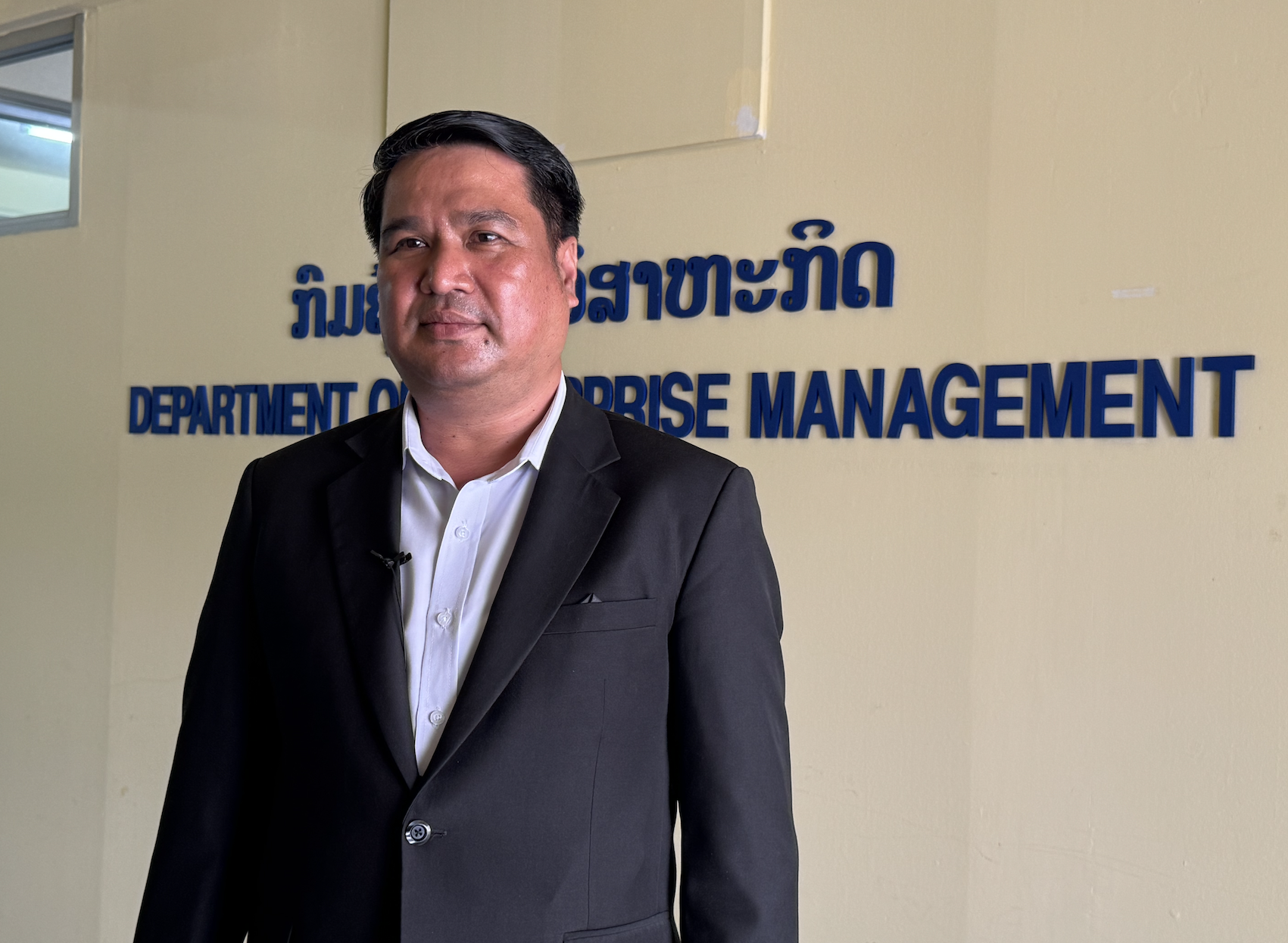 |
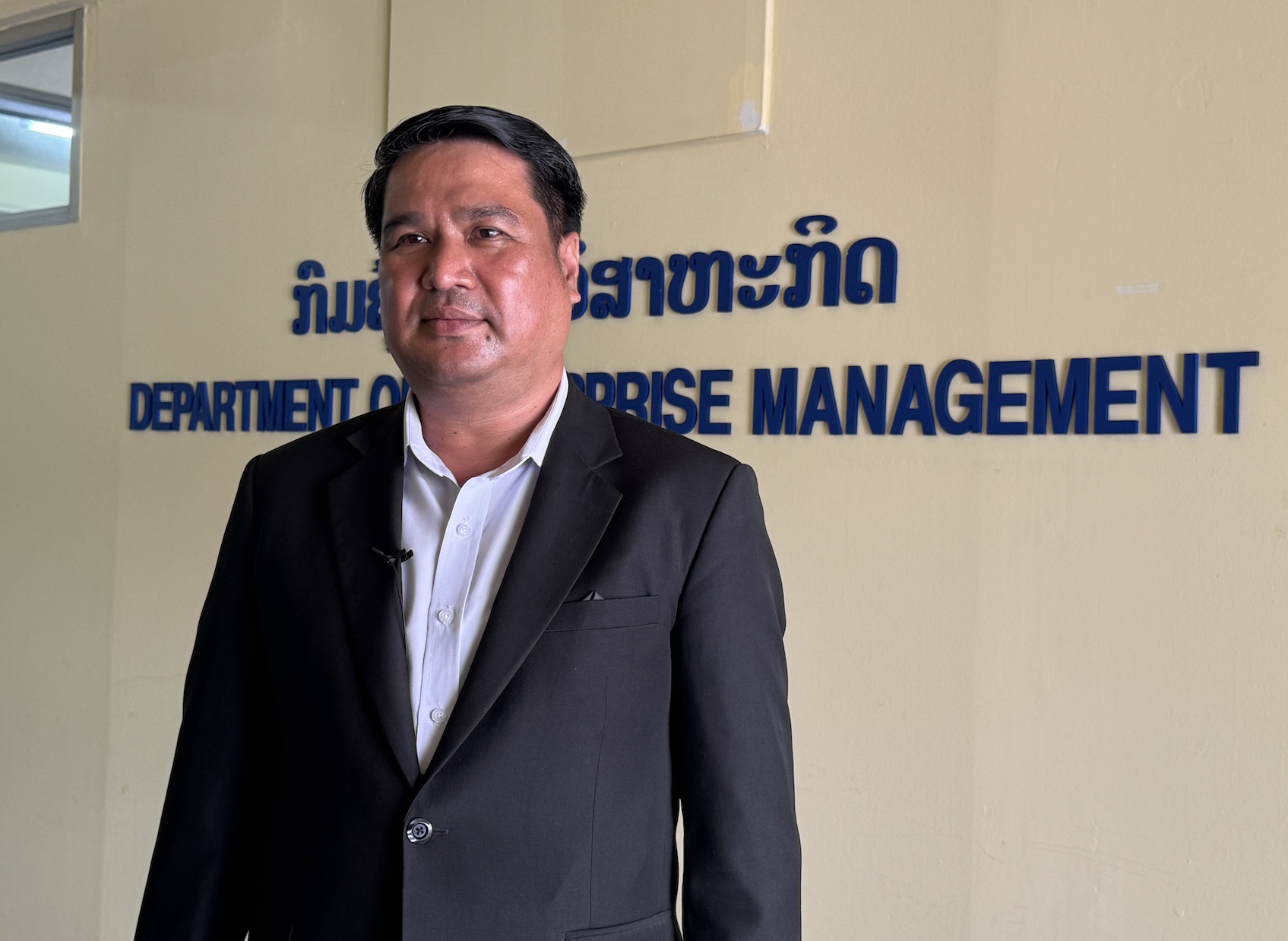
| Aphisid Sengsourivong, director general of the Department of State Enterprise Management under the Lao Ministry of Industry and Commerce |
Monsoon Wind is Laos’ first wind power project, and the electricity it generates is exported to Vietnam. How does a project like this benefit Laos?
Laos has been developing its energy sector for around 50 years, with hydropower playing a major role. More recently, we have begun exploring other renewable energy sources, including solar and wind power. The energy sector remains an important driver of economic development, and wind power offers another area of opportunity for the country.
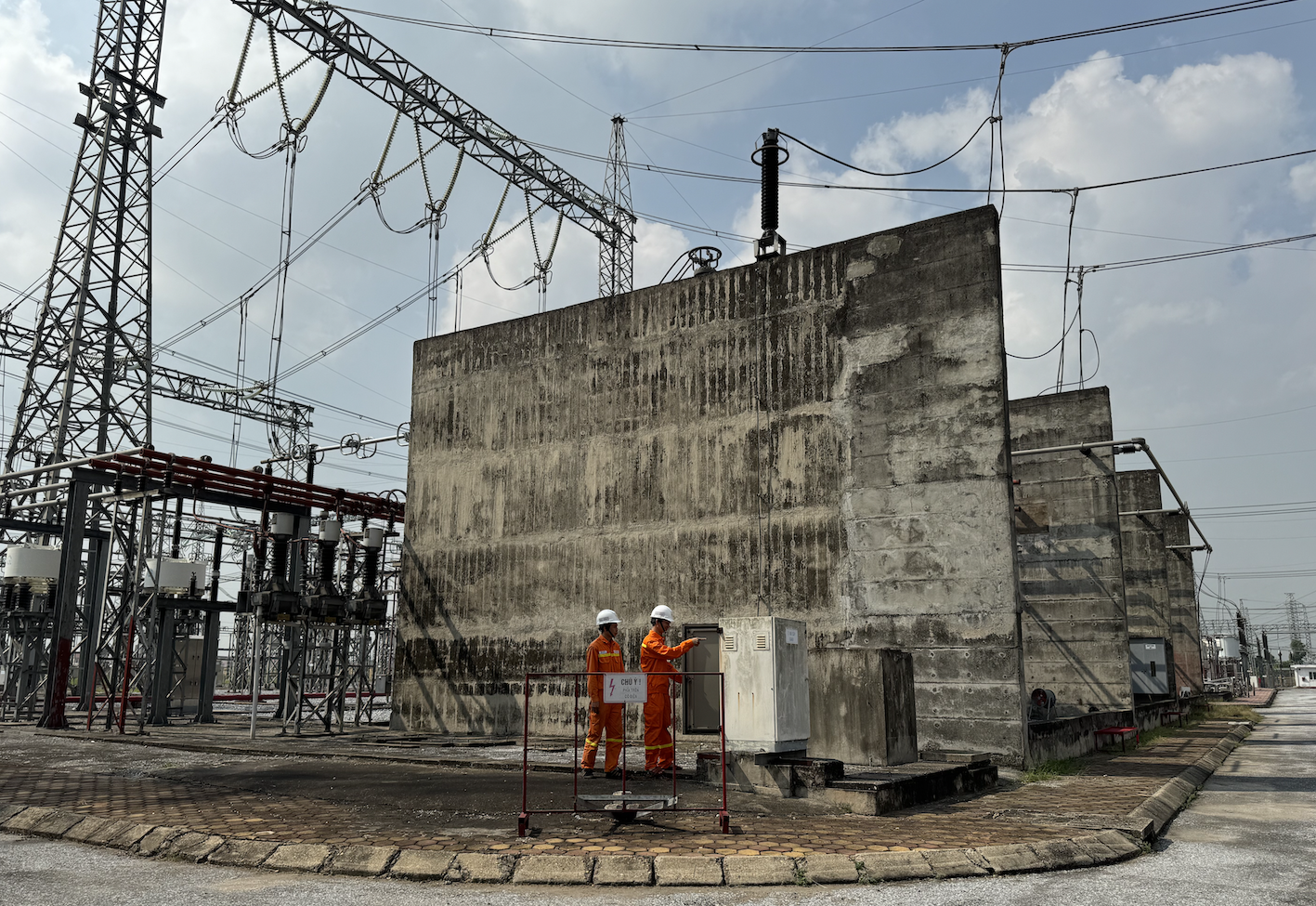 |
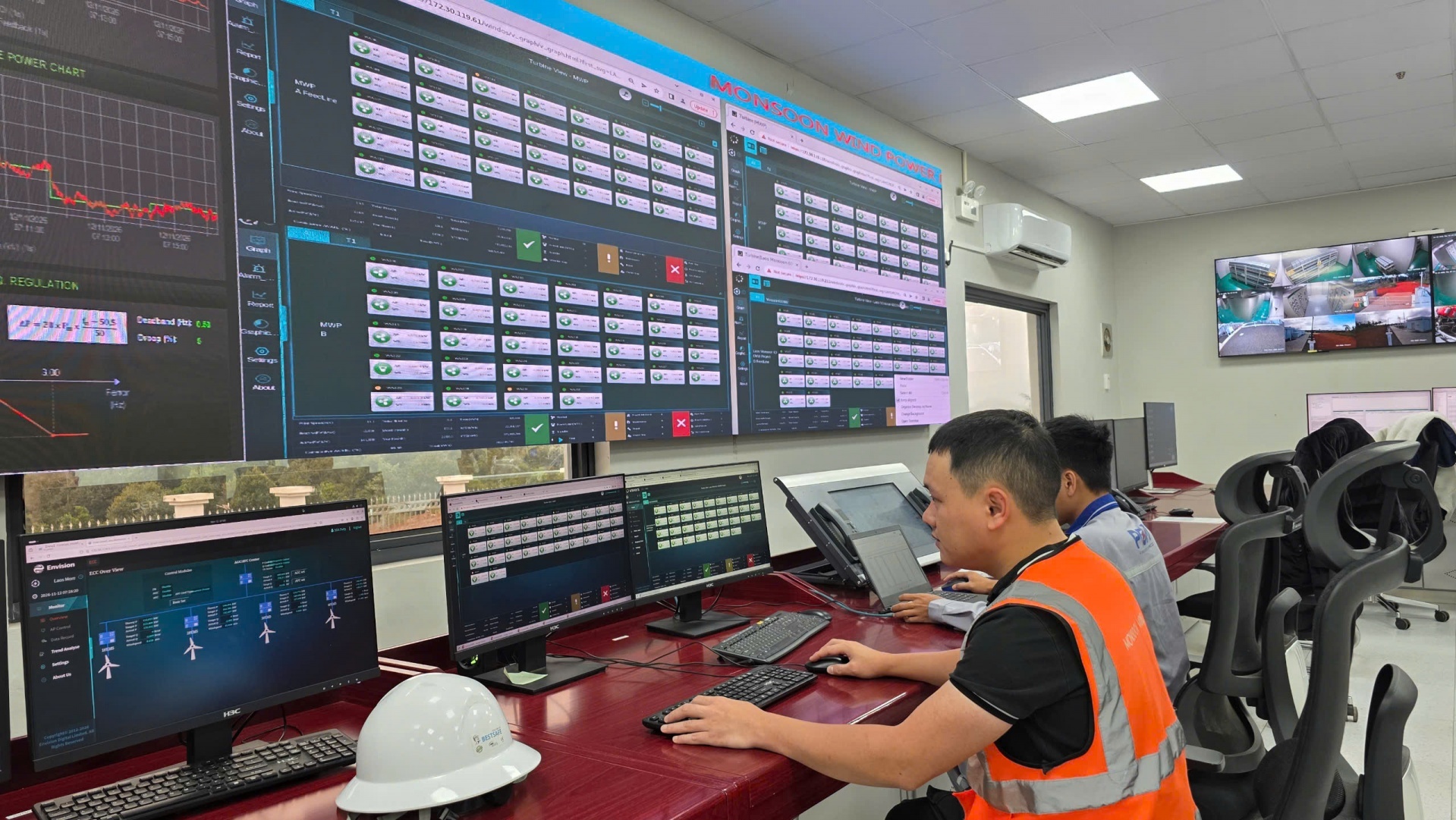
| From cross-border transmission lines to domestic substations, transmission infrastructure is an indispensable link in delivering electricity from power generation sources to consumers. Photos: Chakrit Duangjai, the project’s social manager |
Monsoon Wind is significant because it is the first wind power project of its kind in Laos. Although our existing legislation does not yet provide a specific regulatory framework for wind power projects, Monsoon offers practical experience that can help inform the development of future projects.
The benefits are not limited to electricity exports. The project contributes to government revenue through royalties and taxes, while its commitments also include social development funding and infrastructure to support local communities. It can generate wider economic benefits by creating jobs, supporting local business activities, and contributing to community development.
How does the project create opportunities for Lao workers?
Local employment is one of the direct benefits. According to the figures I recall, the project employs more than 300 people, with Lao nationals accounting for around 70 per cent of the workforce.
Beyond the number of jobs, it is important to strengthen the skills of local workers so they can take on more specialised roles over time. Project developers are expected to support this process through training, coaching, and on-the-job learning.
Requirements concerning local employment can also be included in concession agreements, covering different categories of positions, from general workers to management, and skilled technical roles. When recruiting for certain positions, project companies may also give local candidates an opportunity to qualify first. The specific commitments vary from project to project.
Energy projects may also contribute to education and scholarships for communities in the areas where they operate. These commitments depend on the arrangements agreed for each project.
Since Monsoon Wind began development in a regulatory environment without specific rules for wind power, what lessons has Laos learned?
Developing a project such as Monsoon Wind requires close cooperation between the government and the investor to ensure that the project complies with Lao legislation and relevant international practices.
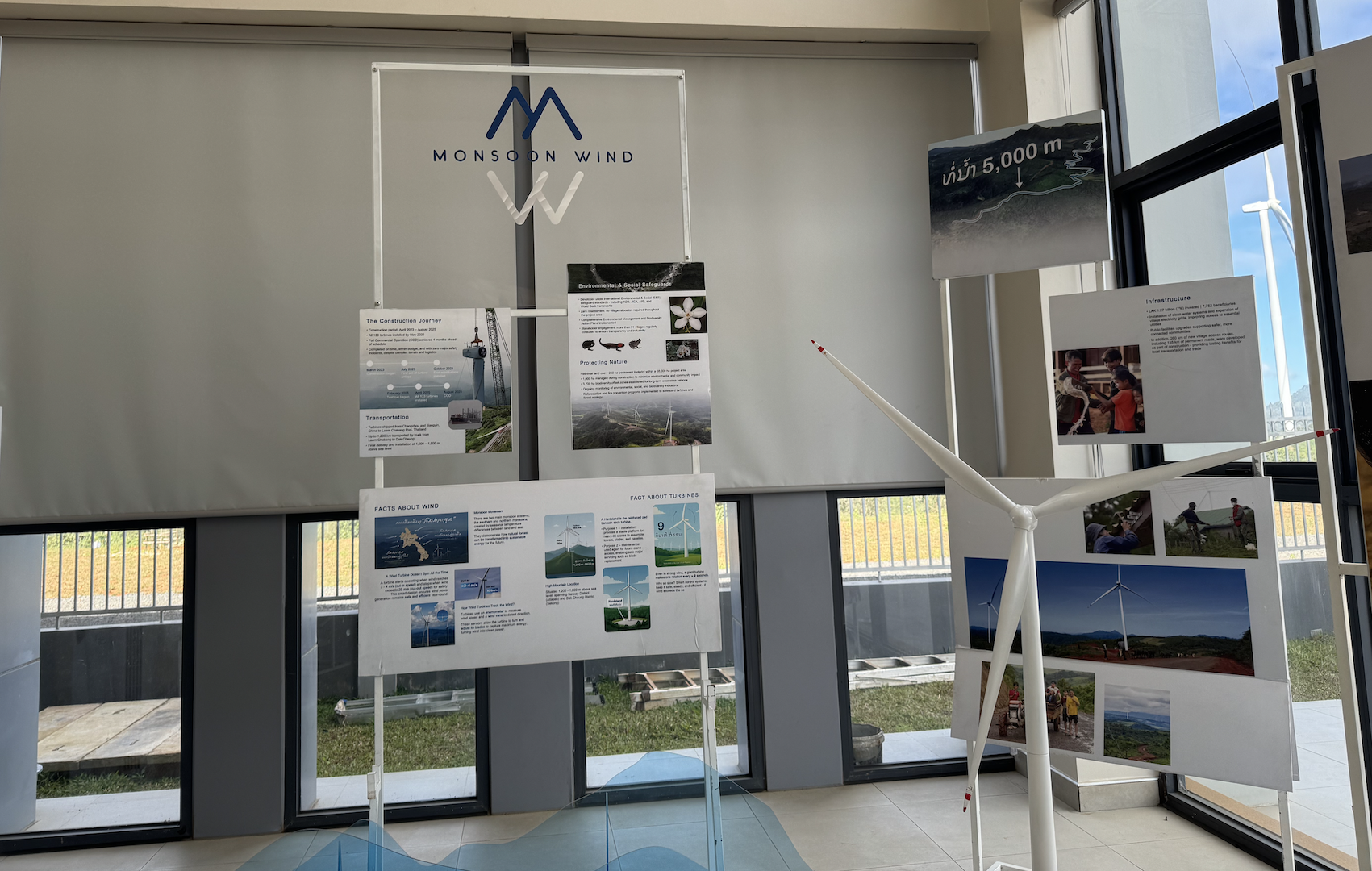 |
| An exhibition corner at the Operations Centre provides an overview of the Monsoon Wind Power Project, covering its construction, turbine systems, environmental protection initiatives, and contributions to local communities |
One challenge has been the absence of sufficiently specific regulations and procedures for wind power projects. This can make the process, from feasibility studies to commercial operation, more complex and time-consuming.
The assessment must also take account of Laos’ geographical conditions, including mountainous terrain and forest areas, as well as the suitability of potential sites.
The experience gained from Monsoon can help us consider how to improve the regulatory and procedural framework for future projects.
We have seen interest from both domestic and foreign investors, including companies from Thailand and Vietnam. Based on my current understanding, around 10 to 15 wind power projects are at different stages of development, although their status varies and the figures need to be confirmed.
Market access is also important. The Vietnamese market’s openness to electricity imports helped make Monsoon Wind viable. Without a market for the electricity, the project might not have proceeded.
This experience shows that the development of renewable energy projects depends not only on resources and investment, but also on the availability of reliable buyers and cross-border transmission arrangements.
What is Laos doing to strengthen its role in the ASEAN Power Grid?
Strengthening regional interconnection is an important part of Laos’ energy development plans. We need to improve the stability and capability of our national grid so that it can connect more effectively with neighbouring power systems and meet the relevant technical requirements.
With support from the Asian Development Bank (ADB), studies are under way to examine potential interconnection arrangements, including between Laos and Vietnam, and between Laos and Thailand.
The work includes assessing suitable connection points. Discussions with Vietnam Electricity (EVN) have also taken place to consider where interconnection between the two countries could be appropriate.
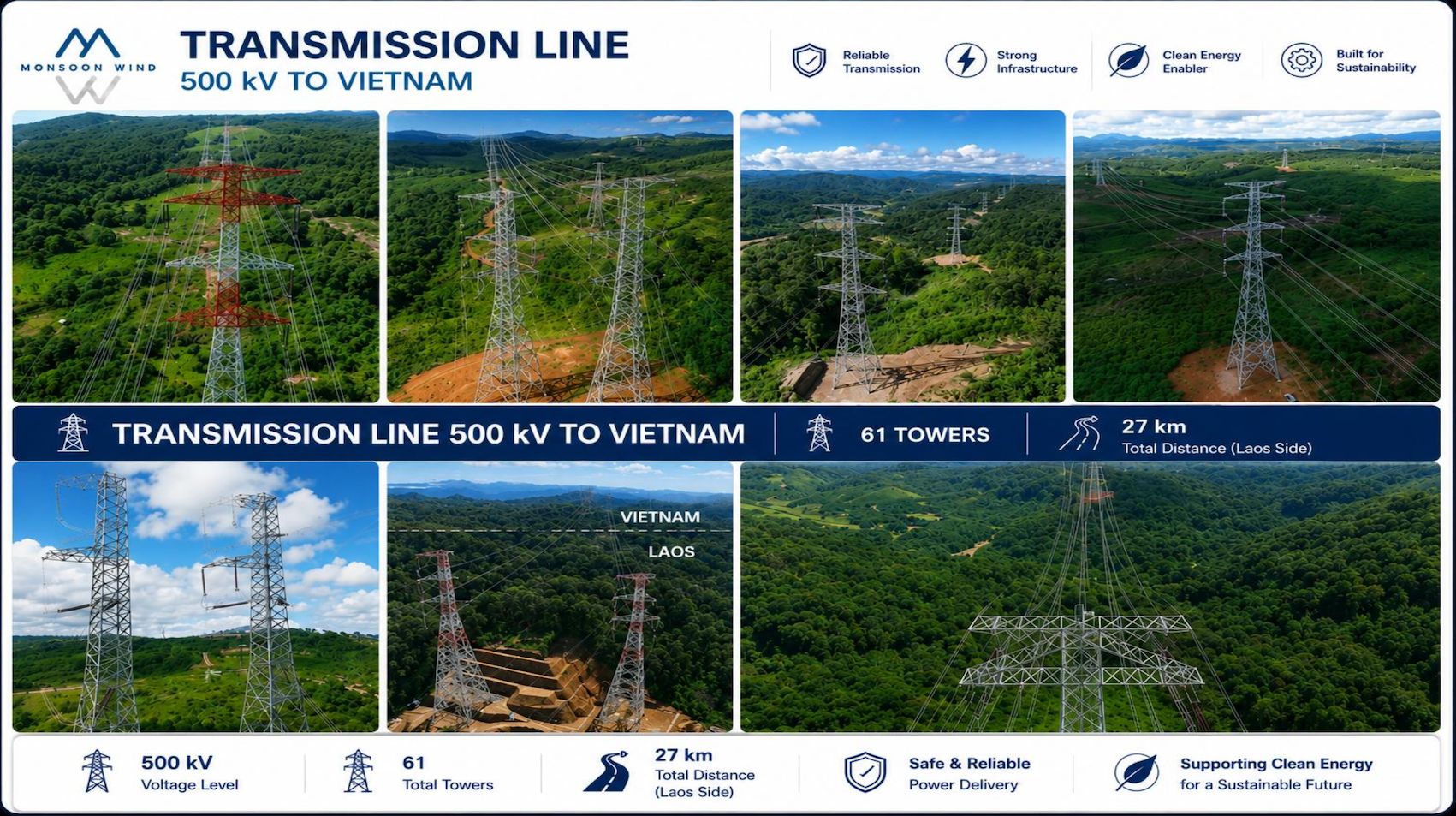 |
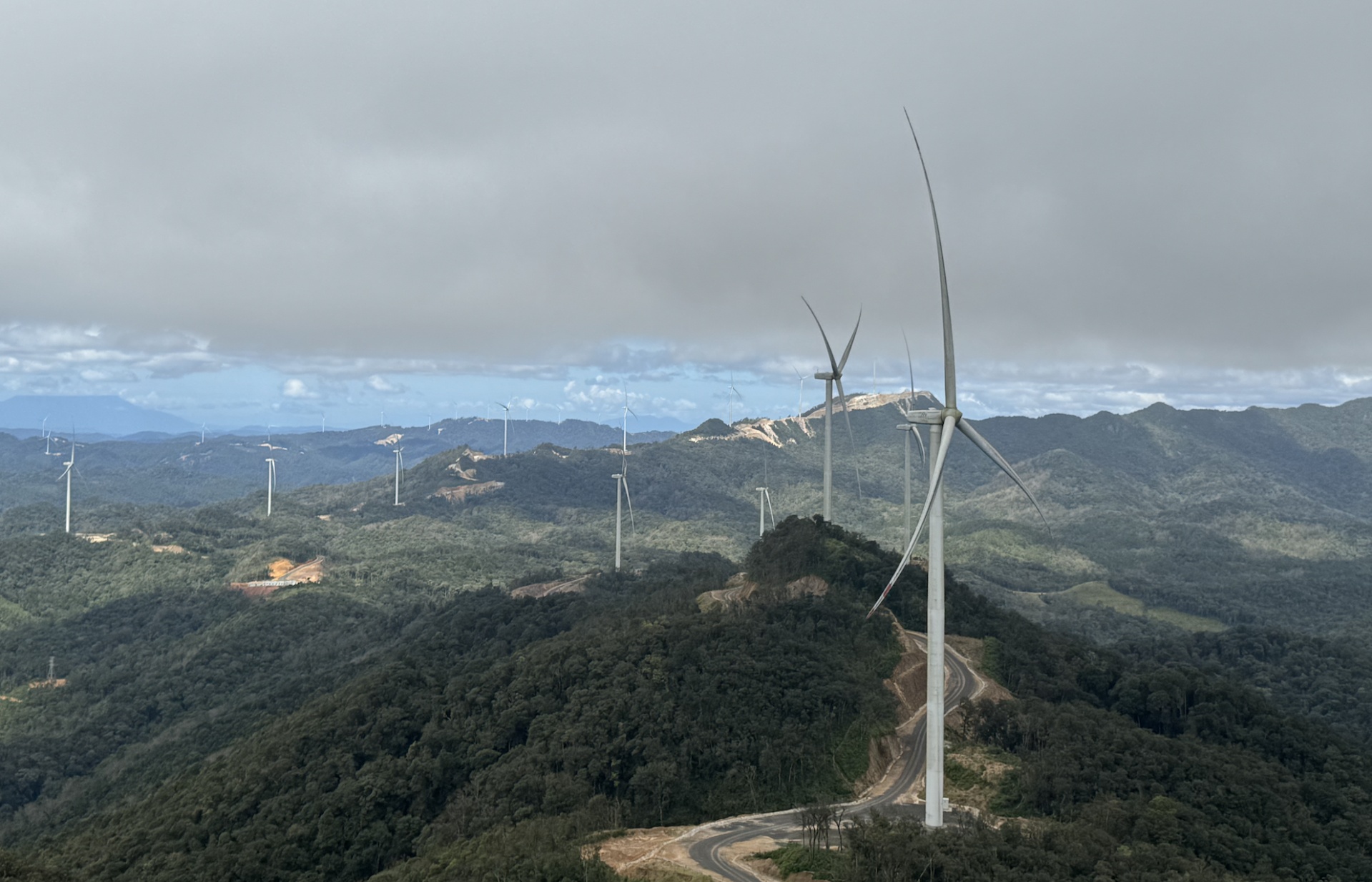
| The Monsoon-Thanh My 500 kV transmission line, running 27-km through Lao territory and comprising 61 tower locations, carries electricity from the Monsoon Wind Power Plant to Vietnam's power system |
Such studies are important for identifying practical opportunities to expand cross-border electricity trade and support the broader goal of regional power-grid integration.
Laos is also involved in cooperation among Laos, Thailand, Malaysia and Singapore, including an initial arrangement discussed at around 100MW. The implementation status and details of these initiatives should be considered in the context of the relevant agreements.
Continued cooperation with development partners such as ADB can help Laos assess interconnection options and strengthen its grid. At the same time, investment in domestic transmission infrastructure and compliance with neighbouring countries’ technical standards will be essential if Laos is to make effective use of regional electricity-trading opportunities.
What role can Monsoon Wind play in Laos’ ambition to become a regional clean energy supplier?
In my view, Monsoon Wind represents an important step in the development of wind power in Laos. It provides experience that can inform future projects and helps diversify the country’s energy mix, which has traditionally relied heavily on hydropower and coal-fired generation.
Different energy sources can complement one another. Hydropower generation can be affected by seasonal water availability, particularly during the dry season. Wind power can therefore provide another source of renewable electricity and contribute to a more diversified energy system.
The project also demonstrates the importance of cooperation between Laos and Vietnam. Vietnam’s openness to importing electricity generated by wind power was a key factor in enabling Monsoon Wind to move forward. The project illustrates how the two countries’ energy systems and economic development can complement one another through cross-border trade.
Looking ahead, Laos will need a clearer regulatory framework, stronger transmission infrastructure, continued investment, and a skilled local workforce to develop its wind power potential. The experience of Monsoon Wind can provide a useful foundation as the country explores further opportunities in renewable energy and regional electricity cooperation.
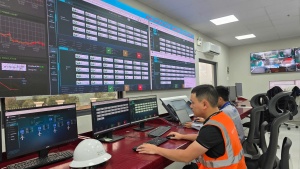 | Powering across borders: The 500kV link connecting Laos and Vietnam The Monsoon Wind project is bringing electricity from southern Laos to Vietnam through a 500kV transmission line, strengthening cross-border energy links, and laying groundwork for wider regional power connectivity. |
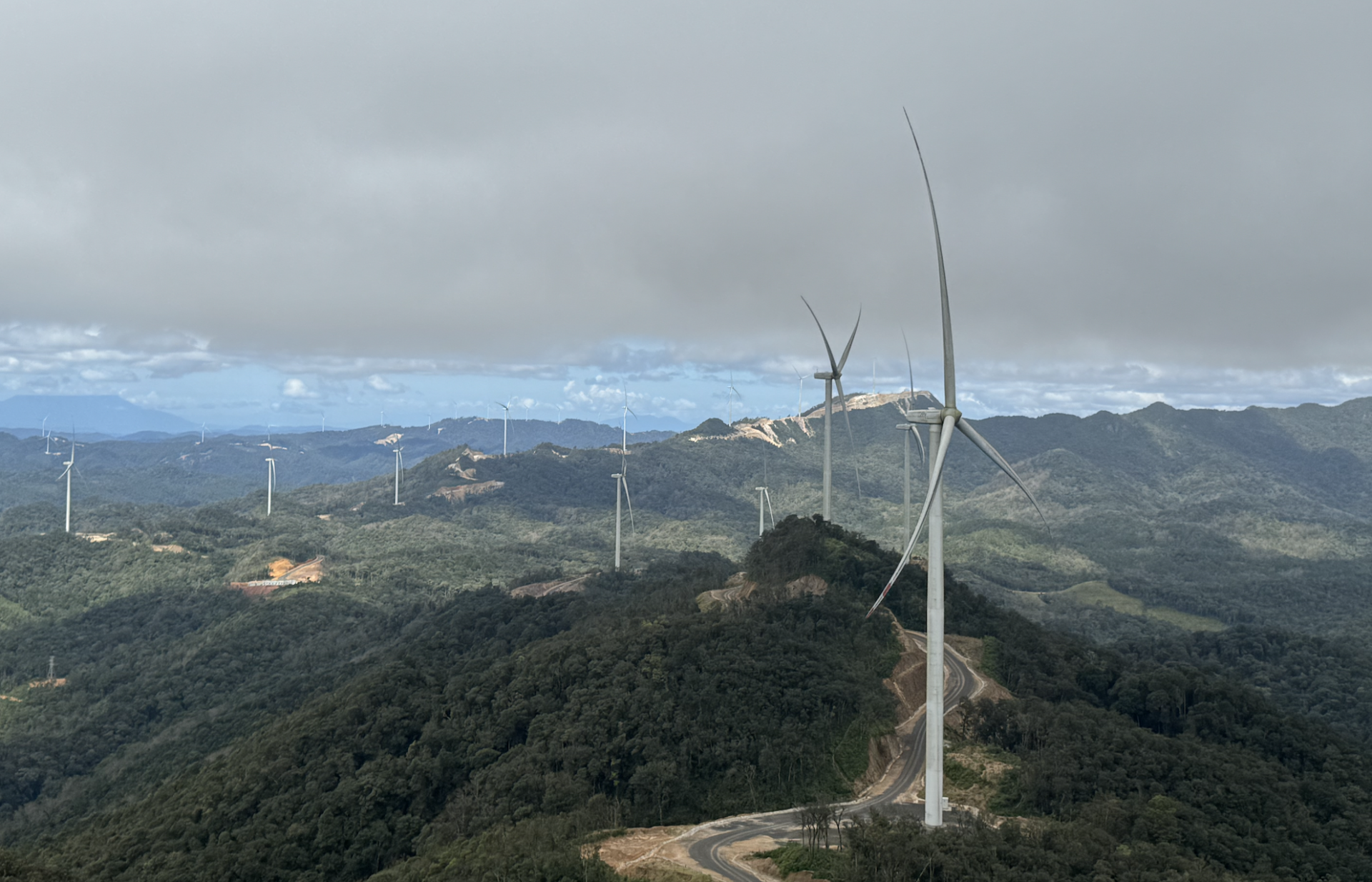 | Monsoon Wind: Powering Vietnam-Laos energy cooperation, transforming local lives As Vietnam and Laos deepen energy cooperation through the Monsoon Wind project, its impact extends beyond cross-border electricity exports to reshape livelihoods and living conditions in remote communities. |
 | Vietnam, RoK strengthen energy cooperation The Vietnamese energy market is expected to be very dynamic, and Vietnam is keen to welcome foreign investors, including those from the RoK. The country also welcomes comprehensive strategic partners with rich experience and knowledge in nuclear power. |
 | Vietnam and Australia explore agriculture minerals and energy cooperation Minister of Finance Ngo Van Tuan has held talks with Australian Trade and Tourism Minister Don Farrell on promoting trade, investment, development cooperation, and green transition. |
What the stars mean:
★ Poor ★ ★ Promising ★★★ Good ★★★★ Very good ★★★★★ Exceptional
 Tag:
Related Contents




Latest News
More News
- Monsoon Wind: Building confidence in cross-border energy investment (November 17, 2026 | 16:40)
- Monsoon Wind: Powering Vietnam-Laos energy cooperation, transforming local lives (November 17, 2026 | 09:00)
- Powering across borders: The 500kV link connecting Laos and Vietnam (November 16, 2026 | 18:00)
- Nearly two-thirds of Viettel’s IBA awards from overseas markets (October 30, 2026 | 13:56)
- Kim Long Motor eyes Central American expansion through Costa Rica partnership (October 27, 2026 | 17:34)
- Businesses accelerate overseas expansion (August 28, 2026 | 15:00)
- Outbound investment surge signals stronger push into global markets (August 13, 2026 | 18:06)
- Vietnamese groups expand their footprint across Southeast Asia (July 08, 2026 | 13:30)
- Vietnam records huge increase in outbound investment in first five months (June 10, 2026 | 13:06)
- Vingroup invests $12.75m in US-based humanoid robot research company (June 02, 2026 | 19:19)



Latest News

 Mobile Version