
Lawmakers split over VAT on fertilisers and animal feed

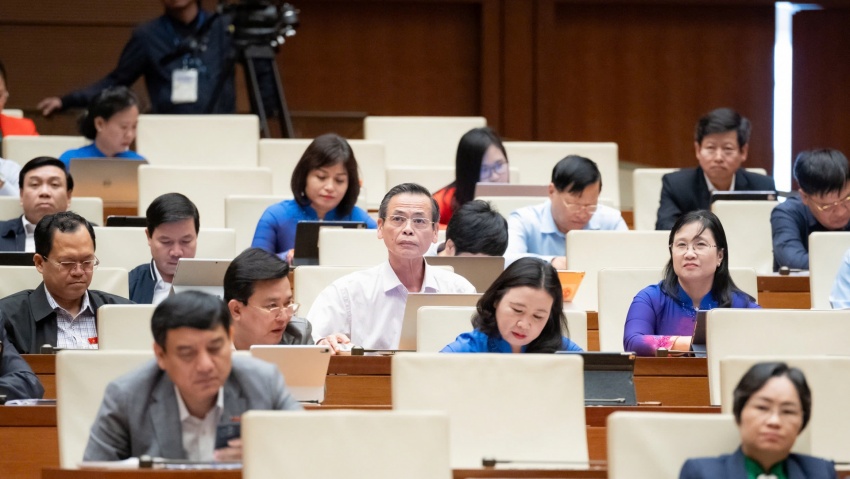 |
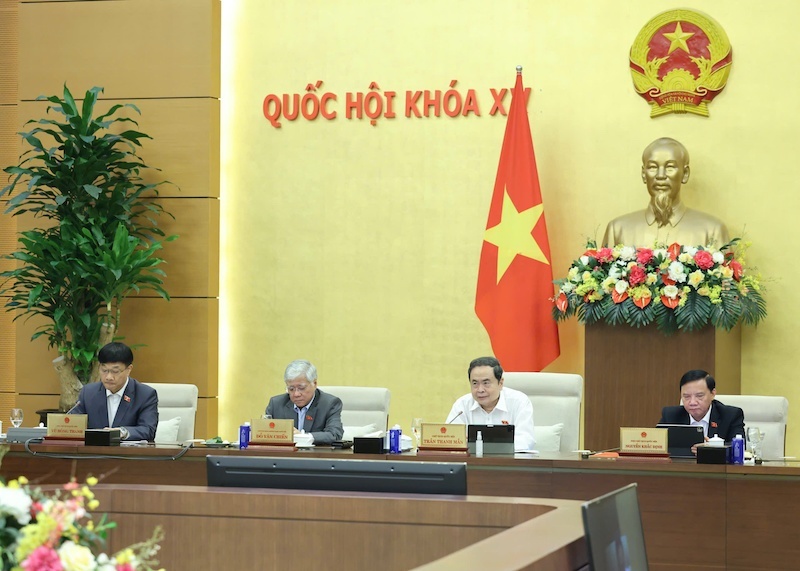
During a National Assembly (NA) session on December 9, legislators debated the government’s proposal to allow full deduction of input VAT for goods and services not subject to output VAT. The measure is intended to ease persistent cost burdens on sectors such as animal feed and other VAT-exempt products, where non-deductible input taxes have long inflated production expenses and weakened domestic competitiveness.
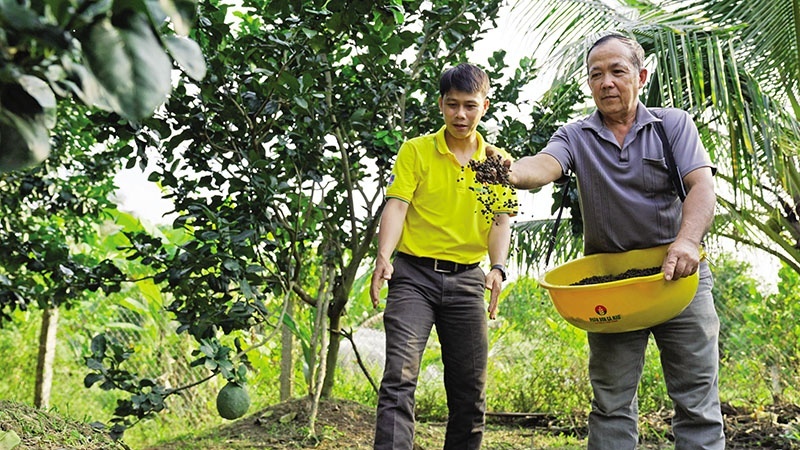
However, when comparing this proposal with the case of fertilisers – previously suggested being taxed at a 5 per cent VAT rate – NA deputy Tran Van Lam of Bac Ninh noted a policy inconsistency. He stressed that both animal feed and fertilisers are essential agricultural inputs, yet they are subject to different VAT treatments, creating disparities in how the sector is taxed.
“I propose that the NA and the government thoroughly address this inconsistency while amending the VAT policy. Fertilisers should be returned to the group not subject to VAT, which would end ongoing debates, as fertiliser producers would still enjoy input VAT deductions even if fertilisers themselves are not subject to VAT, similar to the proposed treatment for animal feed,” Lam said.
Sharing the view that VAT ultimately burdens consumers, particularly for agricultural products, NA deputy Ta Van Ha of Danang said the claim that higher taxes could reduce prices is unconvincing. He explained that any tax increase would directly affect agriculture and, in turn, the livelihoods of 100 million people.
“The state has invested billions of dollars to support agriculture, farmers and rural areas. Therefore, having addressed animal-feed issues, we should also consider fertilisers,” he said.
However, deputy Trinh Xuan An of Dong Nai argued that products related to animal husbandry and processing are created by farmers, whereas fertilisers are produced by businesses. In practice, fertiliser manufacturers and associations have repeatedly proposed that fertilisers should be subject to a 5 per cent VAT rate.
He recalled that fertilisers were taxed at 5 per cent in 2008, but were removed from the taxable group in 2016 to allow input VAT deductions. However, because deductions did not materialise in practice, domestic fertiliser companies suffered significant disadvantages compared to importers, who could claim refunds. As a result, domestic producers were forced to add this cost to retail prices.
“This impacts people’s livelihoods or household budgets. Policies must be carefully calculated to ensure benefits for enterprises, citizens and the state. If fertilisers remain outside the VAT-taxable group, input VAT must be deductible to support domestic fertiliser production; otherwise, they face significant disadvantages,” said An, adding that if fertilisers are moved back into the taxable group, then deductions must apply to ensure fairness.
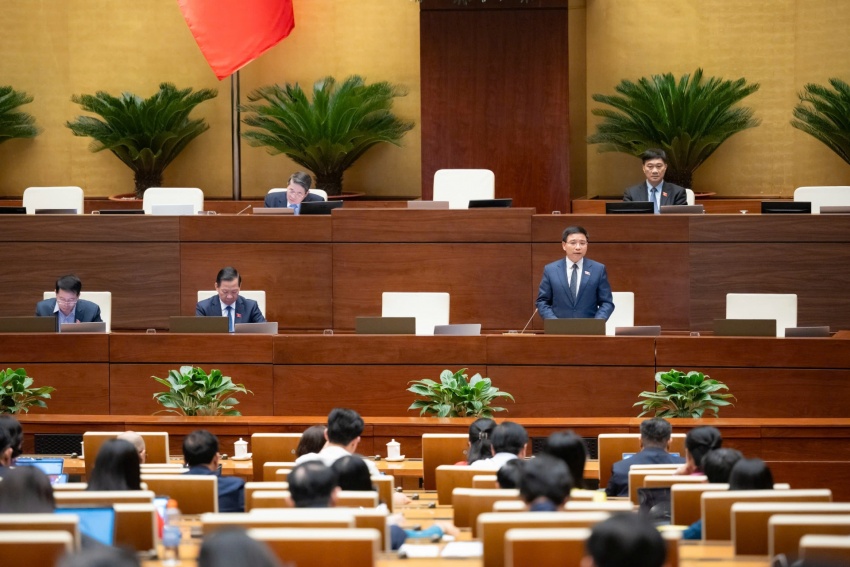 |
| Minister of Finance Nguyen Van Thang |
Minister of Finance Nguyen Van Thang explained that the VAT amendments aim to ensure consistent application of VAT for animal feed. The goal is to level the playing field with imported products that are not taxed, while domestic products currently face a 5 per cent VAT burden. The tax imposition has increased production costs and prices for domestic animal feed, hurting farmers and weakening competitiveness against imported feed.
“Therefore, the amendment seeks to remove obstacles for agricultural production, especially as the sector continues to be heavily affected by natural disasters and prolonged flooding,” the minister said. “Tax on fertilisers would be acknowledged for further thinkings, and findings would be submitted to the competent authorities.”
 | Impacts on VAT fertiliser rate rise considered for farmers The National Assembly Standing Committee has fixed a 5 per cent VAT rate on the draft amendments to the existing VAT law, which, if becoming true, will affect millions of farmers in Vietnam while likely benefiting fertiliser producers. |
 | Tax move to aid fertiliser producers Fertiliser producers are expected to benefit from propitious market prospects and a forthcoming tax move. |
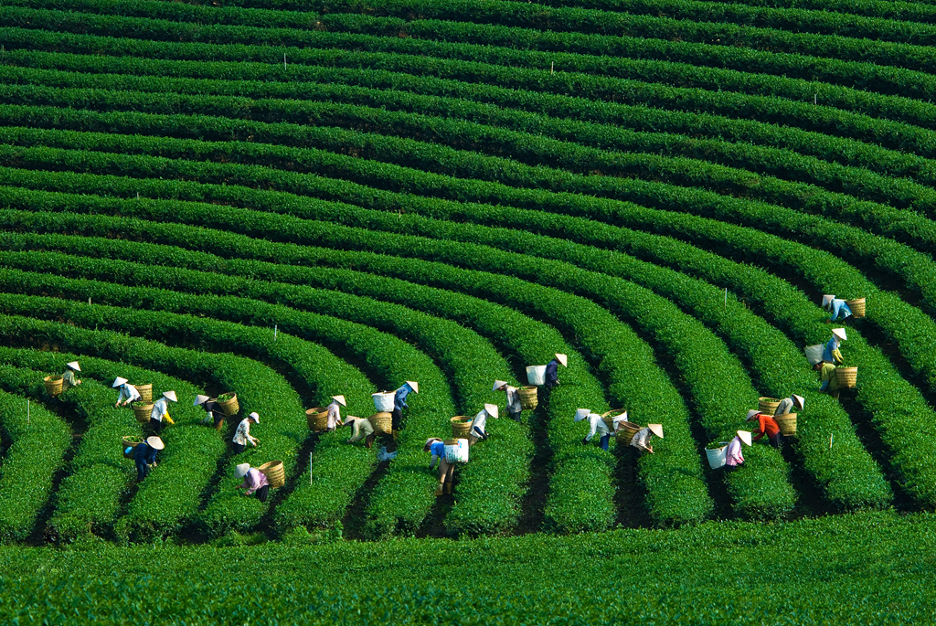 | South Korean enterprises show interest in developing green agriculture in Vietnam An increasing number of South Korean entrepreneurs are turning their attention to Vietnam, believing in the country's economic growth potential and its goals for green and low-emission agricultural development. |
What the stars mean:
★ Poor ★ ★ Promising ★★★ Good ★★★★ Very good ★★★★★ Exceptional
 Tag:
Tag:Related Contents





Latest News


More News
- Sovereign AI and human oversight key to secure digital government (October 15, 2026 | 12:32)
- MEXC Ventures partners with Corelia Academy: Bringing digital asset education closer to Vietnamese students (October 15, 2026 | 09:00)
- Global design expertise meets a more sophisticated Vietnam market (October 15, 2026 | 09:00)
- Vietnam growth nears double digits, UOB raises forecast (October 14, 2026 | 17:39)
- Smart factories need skills, finance and trust to scale (October 14, 2026 | 17:33)
- Sanofi-Aventis Vietnam appoints new head of Vaccines and country lead (October 12, 2026 | 17:21)
- Measurable outcomes a must for businesses (October 12, 2026 | 09:27)
- Vietnam’s growth ambitions hinge on effective policy reforms (October 12, 2026 | 09:00)
- 100 entrepreneurs honoured with Thanh Giong Cup 2026 (October 12, 2026 | 08:00)
- French experts share AI and digital governance insights in Hanoi (October 11, 2026 | 08:00)








 Mobile Version