
LŌ-GOI develops sustainable industrial properties in Vietnam

Can you tell us about the company's footprint in Vietnam after five years of operations?
After ESR Group completed its acquisition of LOGOS in 2023, LŌ-GOI Group took over selected LOGOS’s assets in Vietnam and India, thereby gaining independent operations and a sharper focus on these dynamic markets.
Since our early days in Vietnam, we have developed projects transferred from LOGOS Property Group, which managed a portfolio of around $1 billion with 11 key logistics assets and approximately 1 million square metres (sq.m) in India and Vietnam.
To date, we have launched two large-scale warehouse and factory projects in key provinces: Yen Phong 2A (Bac Ninh, 12.1 ha) and Hung Yen (12.9 ha). Both projects are being built to meet LEED-Gold standards.
In July, LŌ-GOI Hung Yen was inaugurated with a construction value exceeding $38.4 million. Between July and September 2025, LŌ-GOI completed two significant projects in Northern Vietnam, offering a combined total leasable area of over 250,000 sq.m. In July, LŌ-GOI Hung Yen, with a GLA of 85,245 sq.m, was inaugurated with a construction value exceeding $38.4 million. The project is a state-of-the-art warehouse and factory complex integrating production areas, storage facilities, office space, and supporting amenities. It is designed to international standards and certified LEED Gold for sustainability and performance.
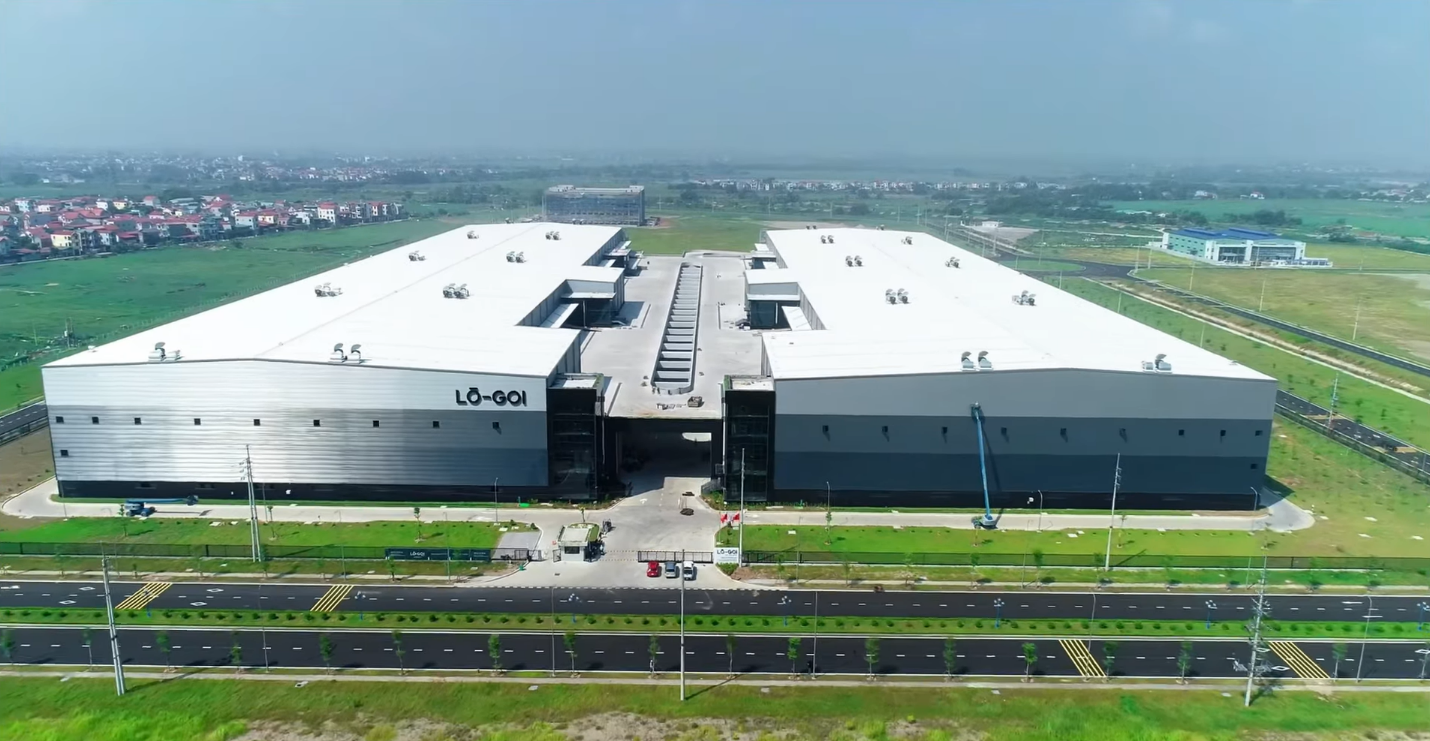 |
| LŌ-GOI Yen Phong spans 12.1 hectares with 115,499 sq.m of GLA, delivering world-class two-storey warehouse and logistics solutions in one of Northern Vietnam’s most dynamic industrial hubs. |
Also in mid-July, LŌ-GOI signed a MoU with Lach Huyen Port and Xuan Cau Free Trade Zone to develop a 200-hectare intermodal logistics hub, the first of its kind in northern Vietnam, alongside 350,000 sq.m of Grade A warehouses powered by a 42 MWp rooftop solar system, targeting LEED-Platinum and EDGE Level 3 certification.
What competitive advantages set LŌ-GOI Group apart in today's market?
We prioritise infrastructure quality, developing Grade A factories and warehouses built to high standards, designed for automation, digitalisation, and resilient operations.
All projects aim for green certifications, applying LEED-Gold or Platinum standards, integrating solar energy and emission-reduction technologies from the design stage, well-suited for high-value and sustainable industries.
Beyond that, we maintain deep value-chain integration. We handle everything from land acquisition to asset management and property operations, ensuring consistent quality and oversight.
Sustainability and innovation are at the core of our development strategy, with a focus on renewable energy, automation, digital infrastructure, and carbon reduction, appealing to global investors aligned with environmental, social, and governance (ESG) criteria.
LŌ-GOI mainly serves global manufacturers, exporters, logistics operators, and investors seeking Grade A industrial properties that meet ESG standards.
How has LŌ-GOI integrated green elements into its factories and warehouses?
On energy efficiency, our facilities are designed with roofing that reflects a large portion of solar heat, reducing cooling loads, lowering energy consumption, improving thermal comfort, and cutting operational costs. Our solar reflectance index (SRI) reaches 82 per cent.
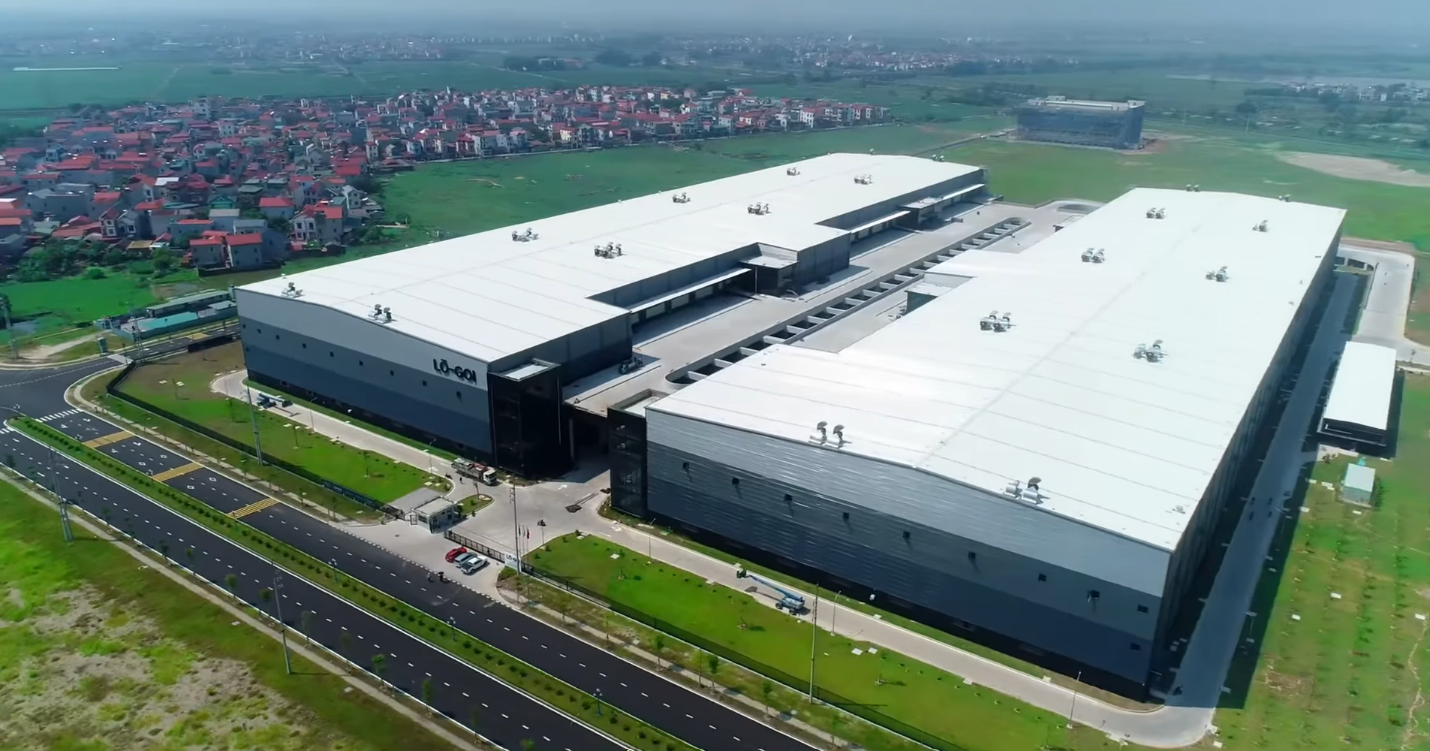 |
| LŌ-GOI invests in high-quality and sustainable warehouses and factories, utilising premium COLORBOND® steel from BlueScope with ACTIVATE™ technology for superior corrosion resistance, together with THERMATECH® solar reflectance technology that can reduce roof surface temperatures by up to 6°C, which is applied as the cladding material across the entire project |
Infrastructure has been pre-designed to integrate solar panels, generating renewable energy, reducing reliance on the traditional grid, and cutting carbon emissions.
Our facilities also use Low-E glass for exterior facades, a special coating that minimises heat transfer, boosts energy efficiency, and allows natural daylight to reduce dependence on artificial lighting.
In parallel, we use 100 per cent LED lighting systems, which consume less energy, last longer, and require less maintenance than traditional lighting.
For optimal operations, our projects deploy fire protection systems compliant with NFPA standards (US), ensuring safety and regulatory compliance.
In building management, we use a Building Management System (BMS) to monitor and control mechanical and electrical systems (eg, HVAC, lighting), enhancing efficiency and minimising energy waste. Automated access control and CCTV systems provide integrated security solutions across entire sites.
To meet European standards for floor flatness, we apply EU specifications (FM35-FL25), which optimise operations, especially for automated material-handling equipment and high-bay racking systems.
When investing in factories, LŌ-GOI emphasises creating highly sustainable and aesthetically strong projects that maintain long-term value and brand image. Could you elaborate on this approach?
We focus on developing modern, sustainable, and adaptive industrial facilities, the core factors for preserving long-term asset value. Our properties are designed with flexibility to meet evolving tenant demands, regulatory requirements, and market conditions, ensuring continued efficiency, appeal, and competitiveness for decades.
By integrating green building principles, such as energy and water savings, optimised layouts, and healthy work environments, we reduce operating costs while enhancing tenant satisfaction and productivity. Achieving internationally recognised standards, such as LEED Gold, not only strengthens environmental performance but also elevates our projects as benchmarks for responsible industrial development.
Through the use of premium materials, functional design, and integrated landscaping, our facilities maintain aesthetic value, structural durability, and performance over time. This approach extends asset lifecycles, reduces maintenance costs, and sustains market attractiveness.
In short, high-quality, adaptive industrial buildings represent a strategic investment, delivering sustainable economic returns, meeting rising ESG expectations, and preserving both reputation and asset value into the future.
| To explore the new landscape of industrial real estate, tackle emerging challenges, and discuss forward-looking strategies, VIR in partnership with the Vietnam Industrial Real Estate Association will host the fifth annual Vietnam Industrial Property Forum on Wednesday, October 29 in Ho Chi Minh City. Themed “Embracing Change, Positioned to Lead”, the forum will explore Vietnam’s position in the global investment and supply chain landscape, while highlighting new growth drivers for the sector. The event will also dive into next-generation industrial park models – green, digital, and integrated with data and logistics – and discuss policy, infrastructure, and institutional reforms needed to attract strategic capital. The forum, which will be livestreamed on VIR's various platforms, will feature a main forum with leading Vietnamese and international speakers, and will honour outstanding industrial real estate developers with green strategies. There will also be sites visits, as well as an exhibition on products, services, and models of eco-industrial parks and green development. More information, please visit vipf.vir.com.vn |
 | Resilient industrial system within reach A new focus on private sector development should create the best conditions for businesses in industrial real estate and eco-industrial parks to grow more sustainably. |
 | Businesses adjust to seize industrial property chances Fueled by booming foreign funding, industrial real estate is becoming an investment focal point, motivating many enterprises to broaden their current portfolios and shift strategies towards the high-potential sector. |
What the stars mean:
★ Poor ★ ★ Promising ★★★ Good ★★★★ Very good ★★★★★ Exceptional
 Tag:
Tag:Related Contents
Latest News
More News
- Vietnam emerging as an industrial location of choice (October 05, 2026 | 16:21)
- Investors interest amid ongoing reshuffling of global manufacturing (October 02, 2026 | 22:10)
- LŌ-GOI Group sets up industrial estate venture with three Asia-based institutional investors (October 02, 2026 | 16:00)
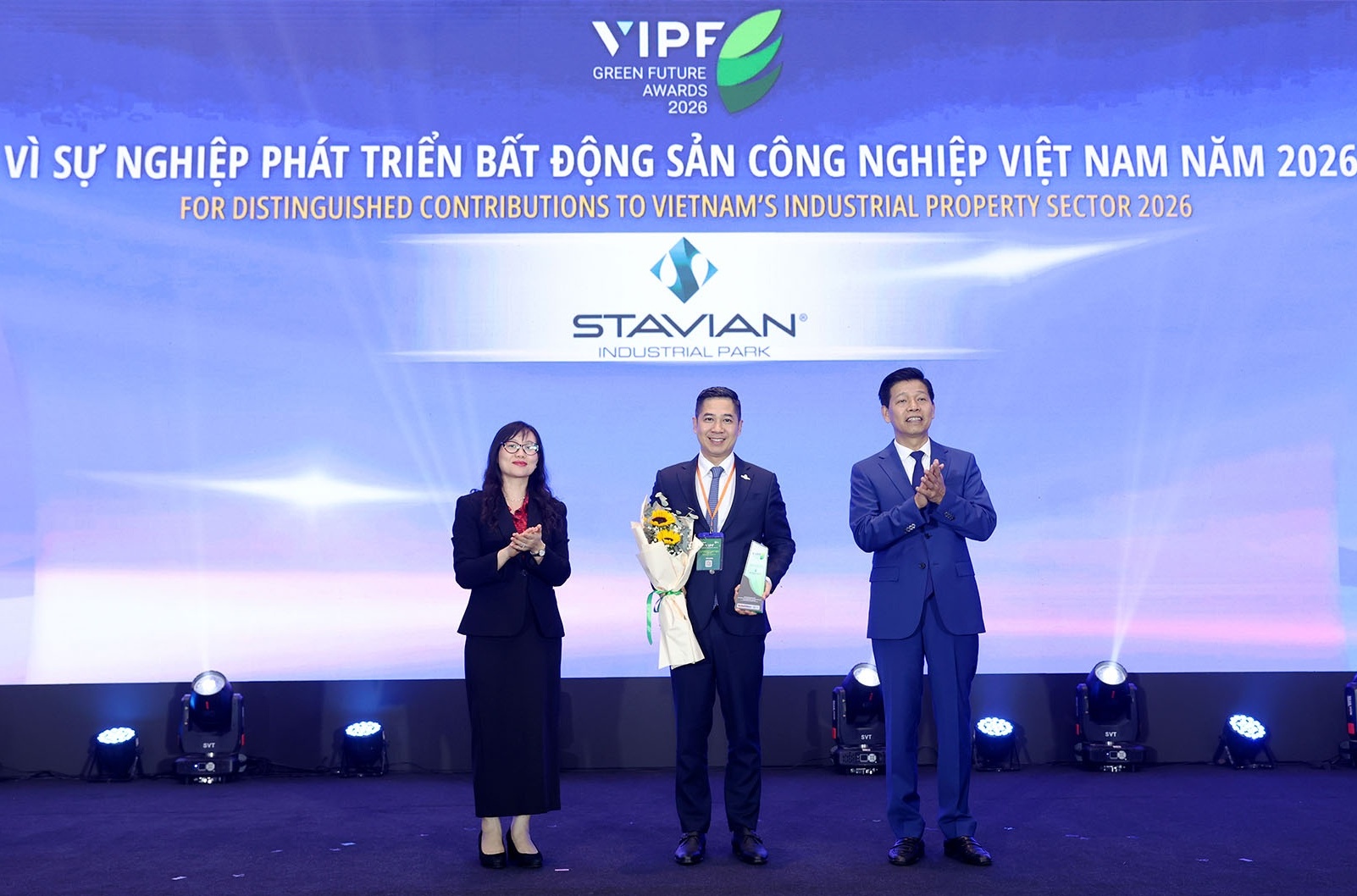
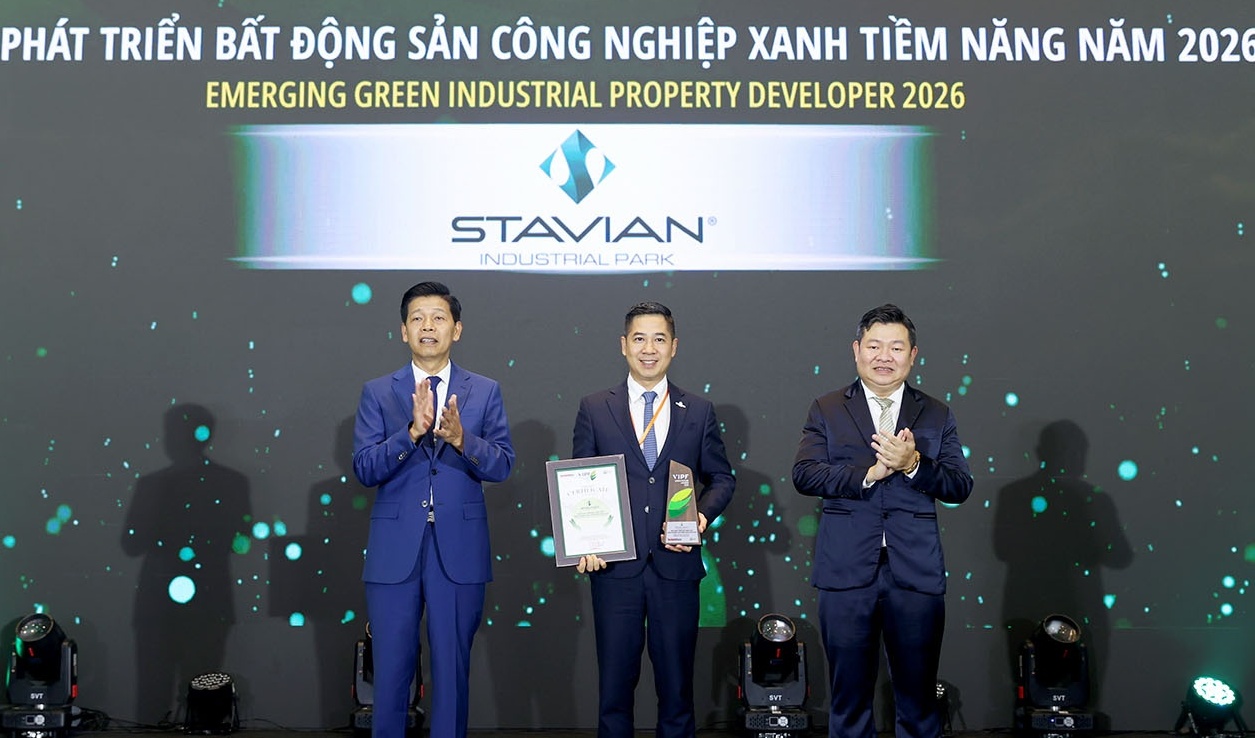
- Stavian IP accelerates its modern expansion (October 02, 2026 | 14:00)
- ESG for future-ready industrial success (October 02, 2026 | 09:00)
- Green Future Awards honour five leading industrial park developers (October 01, 2026 | 22:20)
- Green transition leaders honoured at Green Future Awards 2026 (October 01, 2026 | 22:10)
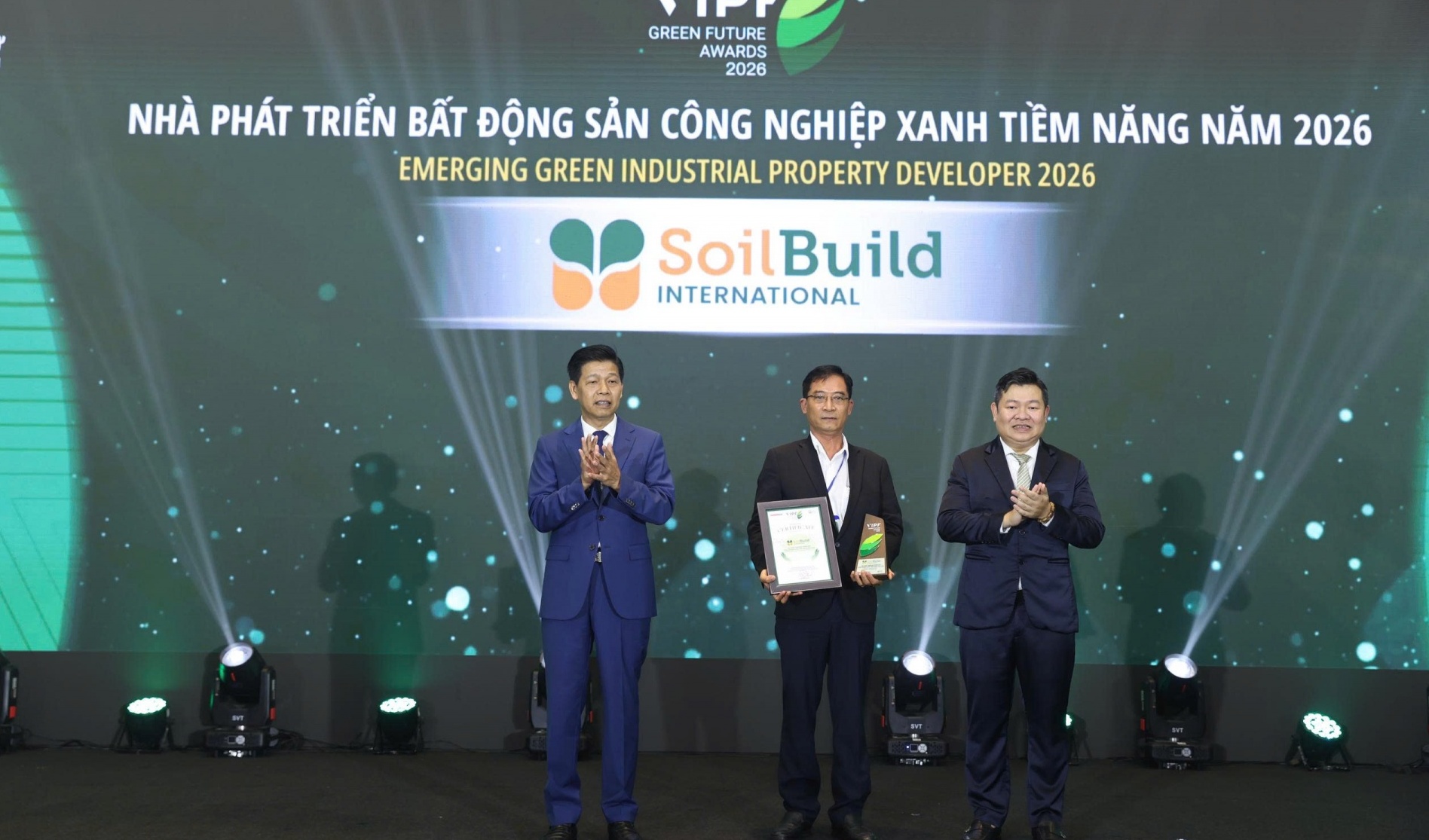
- Six developers honoured as Emerging Green Industrial Property Developers (October 01, 2026 | 22:00)
- Why logistics will define the next phase of growth (October 01, 2026 | 09:00)
- KNIC honoured for third consecutive year at Green Future Awards (September 30, 2026 | 21:45)






 Mobile Version