
FV Hospital's integrated care model proves comprehensive and effective

This was the main topic of a recent conference titled "Multidisciplinary Integrated Care Models for Critical Care Patients in the ICU" organised by FV Hospital, which attracted more than 500 physicians from hospitals across southern Vietnam.
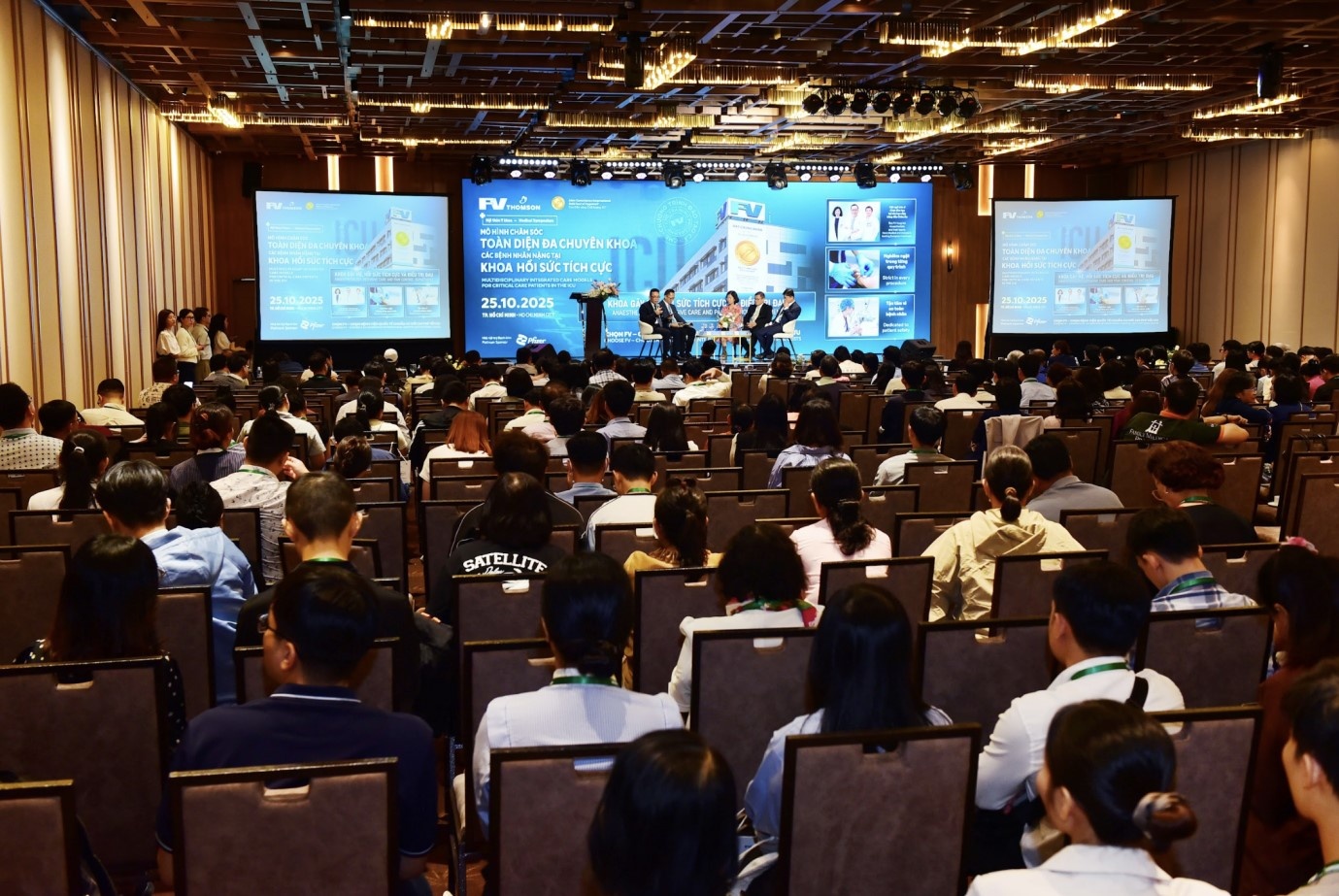 |
| The conference organised by FV Hospital in Ho Chi Minh City attracted the participation of 500 physicians. Photo: FV |
The event gathered FV's intensive care specialists and guest speakers, including Vu Dinh Thang, senior consultant at 115 People's Hospital, and Cao Hoai Tuan Anh, specialist level II and head of intensive care and toxicology, deputy director, 115 People's Hospital.
At the conference, Vo Anh Khoa, specialist level II, deputy head of anesthesiology, intensive care and pain control, FV Hospital, shared a case considered as a medical miracle.
A 36-year-old Cambodian woman undergone massive, uncontrolled postpartum bleeding and had suffered several unsuccessful operations in her home country.
When she was transferred to FV, she was in severe haemorrhagic and septic shock. The ICU team administered a total of 7.2 litres of blood to sustain her life.
FV's multidisciplinary council urgently convened and discovered that the ongoing bleeding was caused by a complex and rare coagulation disorder.
Thanks to close coordination among departments, the bleeding was successfully controlled using specialised medication.
“It was the seamless collaboration among specialities, combined with the patient's extraordinary willpower, that enabled her to overcome this life-threatening condition and be discharged after more than 30 days of treatment,” Khoa concluded.
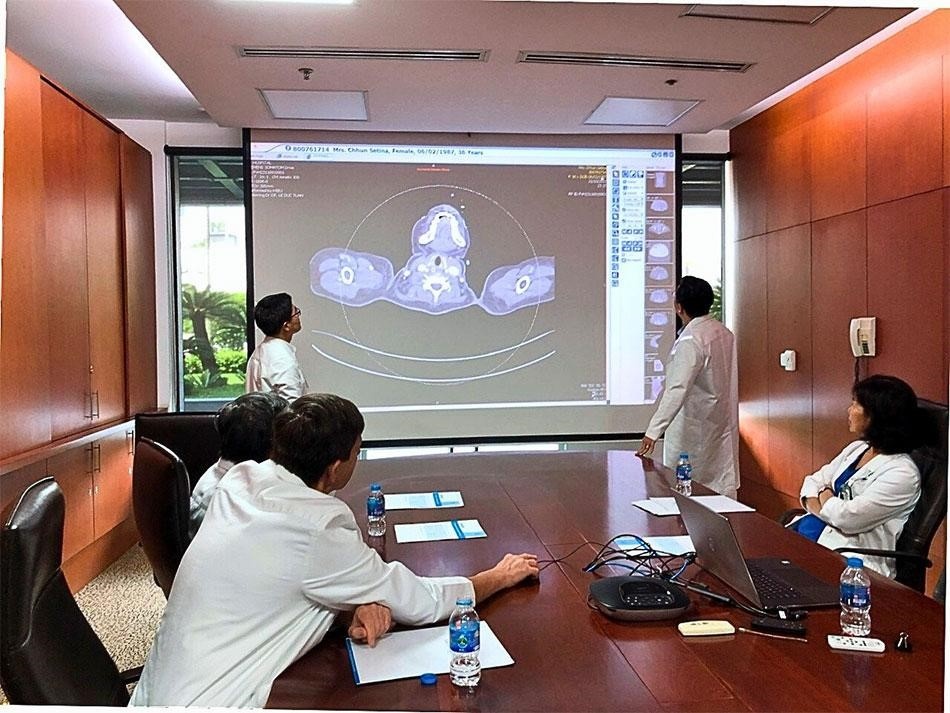 |
| The multidisciplinary council at FV Hospital collaborates in the treatment of complex medical cases. Photo: FV |
Patients in the ICU are often in critical condition with multiple concurrent health issues that require rapid assessment and intervention by different specialists. This demands multidisciplinary cooperation and individualised care, particularly in two responsibility areas: specialised nutrition and infection control.
According to Ly Quoc Thinh, specialist level II and head of department, anesthesiology, intensive care and pain control, FV Hospital, between 20-50 per cent of ICU patients suffer from malnutrition and can lose 3-15 per cent of muscle mass after just one week of treatment. Therefore, assessing energy needs and developing personalised nutritional plans is essential.
To meet these needs, FV Hospital has invested in indirect calorimetry equipment and body composition monitors, allowing doctors to accurately calculate nutritional requirements.
Specialists prioritise early enteral feeding and initially provide about 70 per cent of energy needs during the acute phase, as reaching 100 per cent shortly can be harmful.
Nguyen Thi Lam Giang, senior consultant at FV Hospital, noted that sepsis and invasive fungal infections are common among ICU patients and major causes of mortality.
To improve survival rates, FV has implemented a comprehensive management strategy: continuous medical training for doctors and nurses, strict antibiotic stewardship, and optimisation of multidisciplinary roles in treatment.
By combining clinical expertise, advanced microbiological testing technology, and international treatment protocols, such as those from the Infectious Diseases Society of America, the hospital has improved infection management, accelerated recovery, and reduced antibiotic resistance.
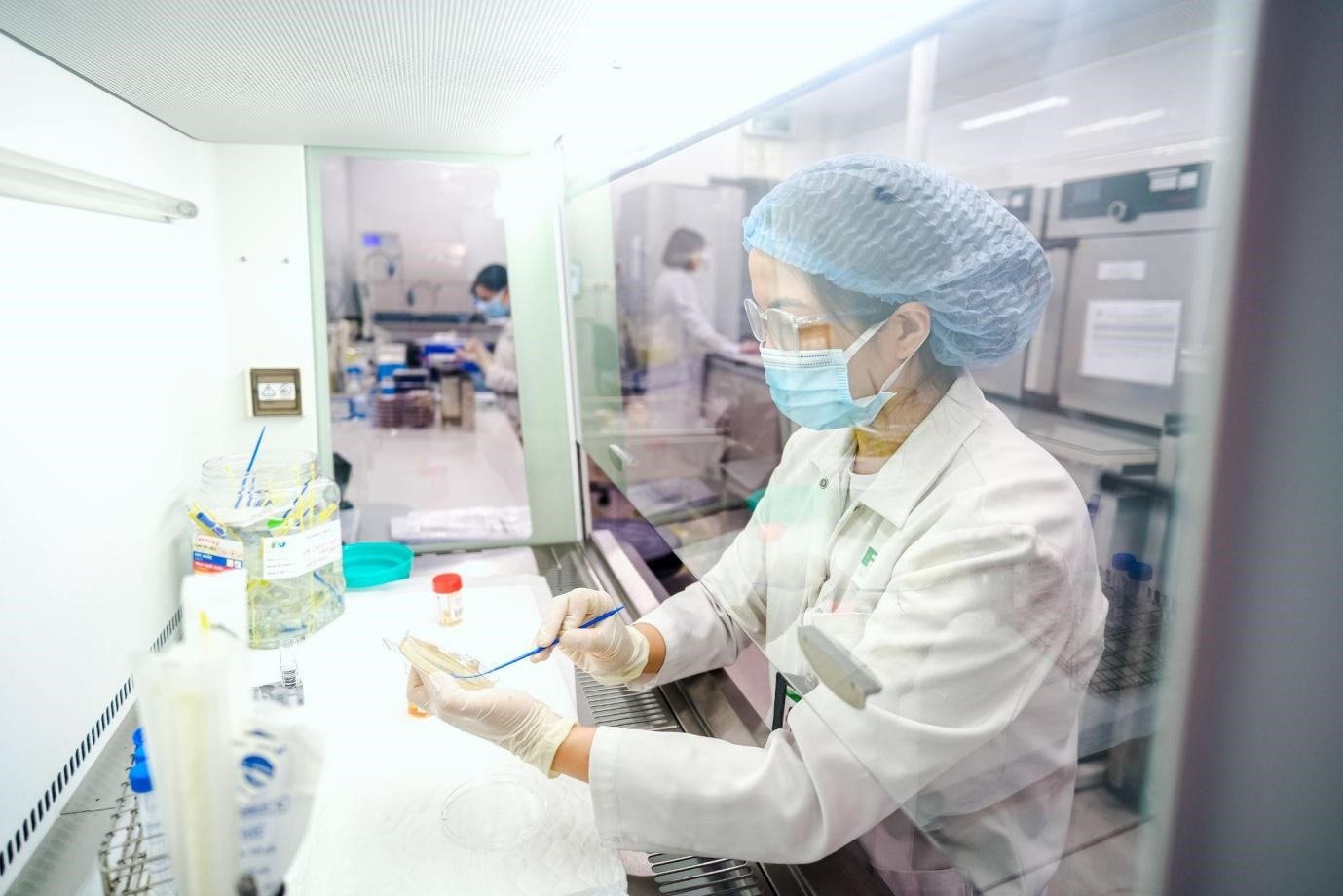 |
| Applying advanced microbiological testing technology to accurately identify disease-causing pathogens. Photo: FV |
FV's intensive care model also focuses on post-ICU issues such as pressure ulcers, malnutrition, and psychological problems like prolonged emotional distress or depression after discharge. This requires continuous collaboration among departments such as nutrition, rehabilitation, and psychology within an integrated care process.
Experts at the conference praised FV's initiative as one of the few in-depth scientific conferences focused on ICU care with strong practical value, reflecting a new approach to critical care in Vietnam.
Instead of emphasising technology or new techniques, the discussions highlight comprehensive care models that prioritise human factors, knowledge, teamwork, and cross-speciality coordination, as the core of intensive care.
"Intensive care is one of the most complex medical fields, demanding deep knowledge, quick clinical judgment, and seamless multidisciplinary collaboration. Every decision can determine a patient's survival. Therefore, continuous learning, experience sharing, and standardised practice across hospitals are essential," emphasised Vu Truong Son, medical director at FV Hospital.
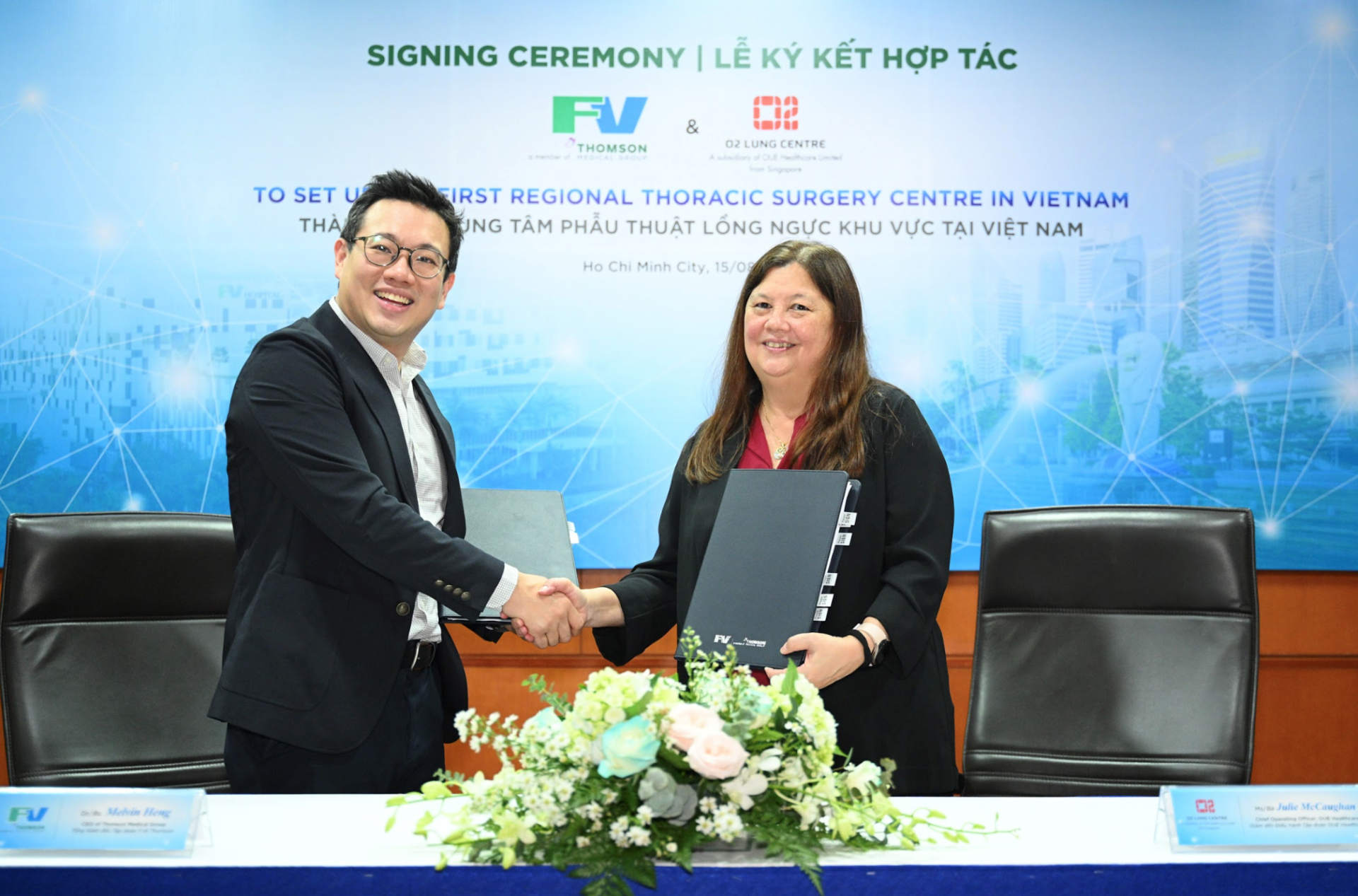 | FV Hospital and O2 Healthcare Group set up first regional Thoracic Surgery Center FV Hospital, a member of Thomson Medical Group, signed a memorandum of cooperation on August 15 with Singapore's O2 Healthcare Group, a member of OUE Healthcare Limited, to set up the first regional Thoracic Surgery Center in Vietnam. |
 | Korean man awakens from 80-day coma and returns home after year at FV Hospital After surviving an 80-day coma and a year in intensive care at FV Hospital, a South Korean patient has finally returned home thanks to unwavering medical dedication and cross-border compassion. |
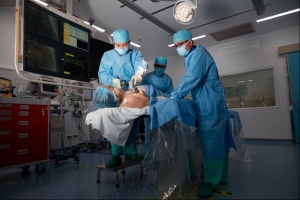 | Race against time: FV doctors save elderly patients from stroke and acute myocardial infarction An 80-year-old man suffering from both a stroke and an acute myocardial infarction was saved within minutes thanks to FV Hospital's 24/7 "Golden Hour" cardiac response team and international-standard Cathlab. |
What the stars mean:
★ Poor ★ ★ Promising ★★★ Good ★★★★ Very good ★★★★★ Exceptional
 Tag:
Tag:
Related Contents




Latest News




More News
- Sojitz in Vietnam: 40 years from individual projects to a business cluster 'KATAMARI' (October 08, 2026 | 09:00)
- Coteccons targets 'Quality Growth' with 25 per cent dividend plan (October 07, 2026 | 13:00)
- Vietnam Education Forum opens UK Education Mission's Hanoi visit (October 07, 2026 | 12:27)
- Tax authorities deactivate TINs of nearly 180,000 businesses (October 07, 2026 | 12:08)
- World Bank raises Vietnam's 2026 GDP growth forecast to 7.4 per cent (October 07, 2026 | 11:41)
- Vietstock 2026 to spotlight livestock innovation and green transition (October 07, 2026 | 09:00)
- Vietnam’s GDP grows over 9 per cent in first nine months (October 05, 2026 | 18:45)
- Vietnam earns $56.3 billion from agro-forestry-fishery exports (October 05, 2026 | 18:32)
- DSV balances resilience and decarbonisation in supply chains (October 05, 2026 | 18:20)
- Electronics exports reach $175.4 billion in the first nine months (October 05, 2026 | 18:12)



Latest News




 Mobile Version