

Fuel import tariffs temporarily cut to zero until April 30

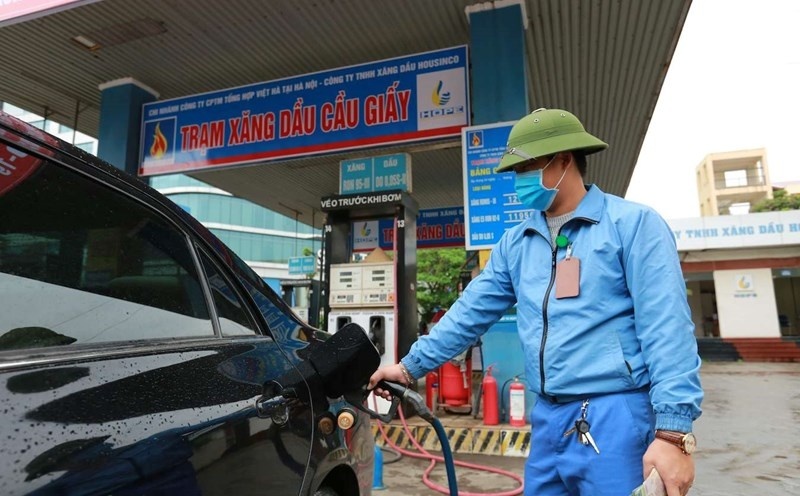 |
Decree No.72/2026/ND-CP, which took effect on March 9, amends preferential import tariff rates on several petroleum products and petrol production materials. The measure will remain in force until April 30.
The move comes as escalating conflict involving the United States, Israel, and Iran raises concerns over shipping through the Strait of Hormuz, a strategic route for crude oil exports from the Middle East. Disruptions along this corridor could directly affect Asian markets, including Vietnam, which rely heavily on Middle Eastern crude supplies.
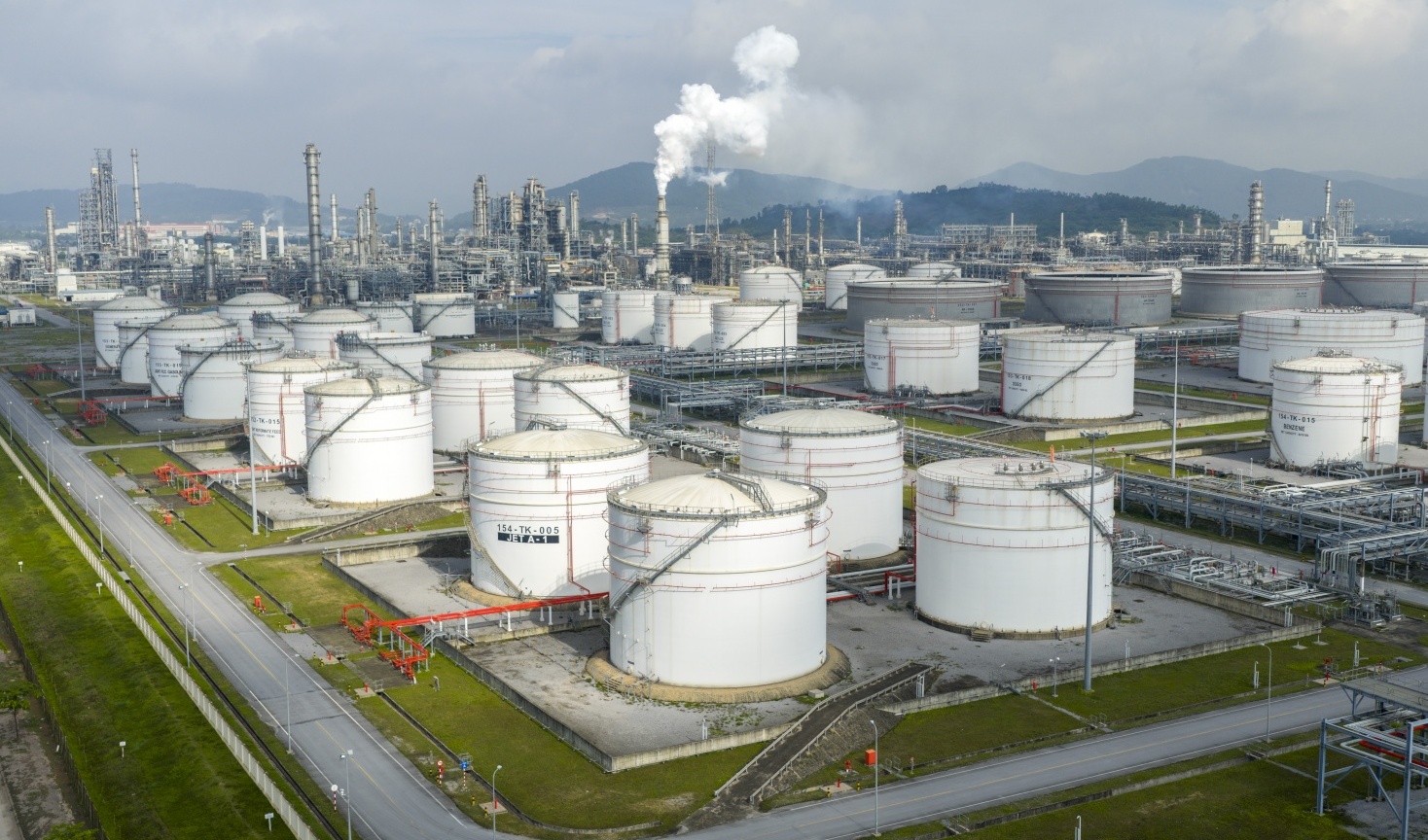
Under the decree, preferential import tariffs on unleaded petrol have been reduced from 10 per cent to zero. The affected products include both unblended fuel and ethanol-blended varieties, classified under HS codes 2710.12.21, 2710.12.22, 2710.12.24, and 2710.12.25.
Tariffs on petrol blending components such as naphtha and reformate (HS code 2710.12.80) have also been cut from 10 per cent to zero.
In addition, preferential import duties on diesel fuel, fuel oil, aviation turbine fuel, and kerosene have been lowered from 7 per cent to zero.
Several petrochemical feedstocks will also benefit from the tax reduction. Import tariffs on xylene, condensate, and p-xylene have been cut from 3 per cent to zero, while duties on other cyclic hydrocarbons have been reduced from 2 per cent to zero.
According to the government, the temporary tariff cuts are designed to help enterprises diversify import sources, maintain adequate supply, and mitigate potential disruptions in the domestic fuel market amid global energy uncertainty.
After the decree expires, preferential tariff rates for the affected petroleum products and raw materials will revert to the levels stipulated in Decree No.26/2023/ND-CP issued on May 31, unless the government decides to extend the measure to address urgent economic and market stability requirements.
The Ministry of Industry and Trade may propose an extension to the Ministry of Finance, which would then submit a legal resolution to the government if further intervention is deemed necessary.
What the stars mean:
★ Poor ★ ★ Promising ★★★ Good ★★★★ Very good ★★★★★ Exceptional
 Tag:
Tag:Related Contents



Latest News




More News
- Sojitz in Vietnam: 40 years from individual projects to a business cluster 'KATAMARI' (October 08, 2026 | 09:00)
- Coteccons targets 'Quality Growth' with 25 per cent dividend plan (October 07, 2026 | 13:00)
- Vietnam Education Forum opens UK Education Mission's Hanoi visit (October 07, 2026 | 12:27)
- Tax authorities deactivate TINs of nearly 180,000 businesses (October 07, 2026 | 12:08)
- World Bank raises Vietnam's 2026 GDP growth forecast to 7.4 per cent (October 07, 2026 | 11:41)
- Vietstock 2026 to spotlight livestock innovation and green transition (October 07, 2026 | 09:00)
- Vietnam’s GDP grows over 9 per cent in first nine months (October 05, 2026 | 18:45)
- Vietnam earns $56.3 billion from agro-forestry-fishery exports (October 05, 2026 | 18:32)
- DSV balances resilience and decarbonisation in supply chains (October 05, 2026 | 18:20)
- Electronics exports reach $175.4 billion in the first nine months (October 05, 2026 | 18:12)



Latest News





 Mobile Version